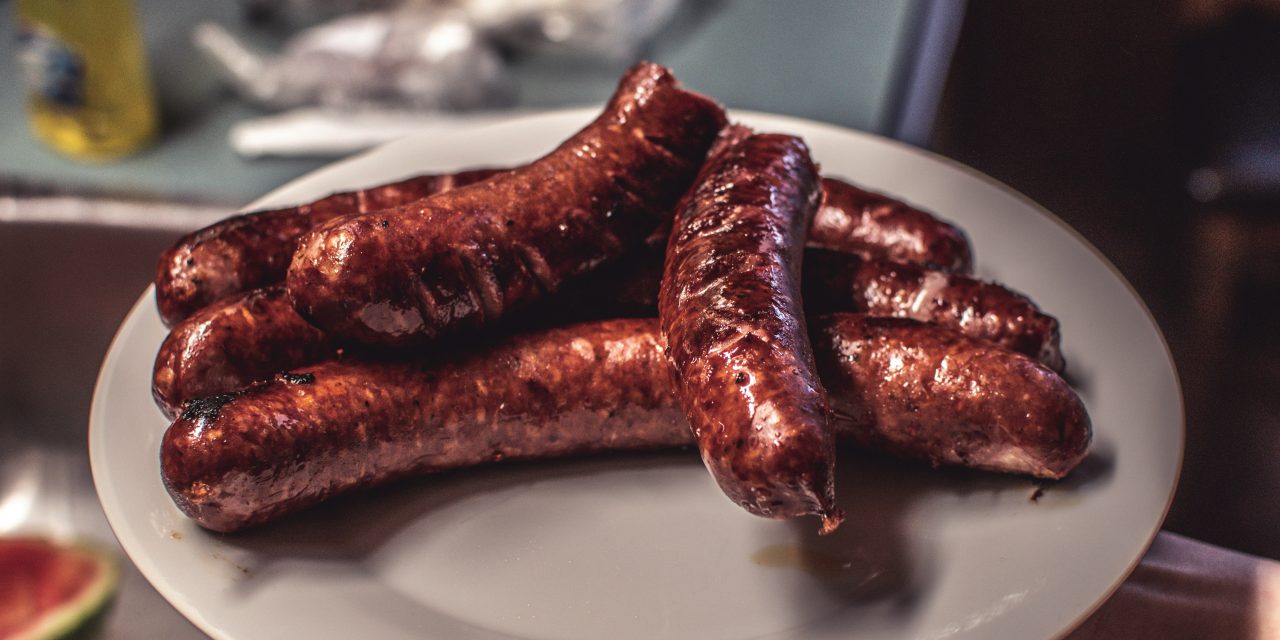
Cooking sausage links in the oven has emerged as a preferred method for many culinary enthusiasts and home cooks alike. This technique not only ensures even cooking but also allows for a hands-off approach, freeing up time for other breakfast preparations. Oven-cooking sausage links minimizes the mess typically associated with stovetop frying, where grease splatters can create a daunting cleanup task. Moreover, this method promotes a healthier cooking environment, as excess fat can drip away from the sausages during the cooking process.
The oven’s consistent heat distribution is another significant advantage. Unlike frying, where direct contact with the pan can lead to uneven cooking and potential burning, baking sausages allows them to cook uniformly. This results in a delightful texture and flavor profile that is hard to achieve through other methods. Additionally, oven-cooked sausages can develop a beautiful golden-brown exterior while remaining juicy and tender inside, making them an irresistible addition to any breakfast spread.
If you’re looking for a convenient way to cook breakfast sausage links, using the oven can be a game-changer. Not only does it allow for even cooking, but it also frees up your stovetop for other breakfast items. For more tips on avoiding common kitchen pitfalls that can ruin your meals, check out this insightful article on kitchen mistakes that you might want to avoid: kitchen mistakes that ruin good meals. This resource can help you elevate your cooking skills and ensure that your breakfast is a success!
Choosing the Right Breakfast Sausage Links
Selecting the appropriate breakfast sausage links is crucial for achieving the best flavor and texture. There are various types of sausages available, including pork, turkey, chicken, and plant-based options. Each type offers distinct flavors and nutritional profiles, catering to diverse dietary preferences. For instance, traditional pork sausage links are rich in flavor and fat content, providing a savory experience that many breakfast lovers cherish. Conversely, turkey or chicken sausages are leaner alternatives that can still deliver satisfying taste without excessive calories.
When choosing sausage links, it is essential to consider the seasoning and spice blend used in the product. Many brands offer unique flavor profiles, such as maple-infused or spicy varieties, which can elevate your breakfast experience. Reading labels for sodium content is also advisable, as some sausages can be high in salt, which may not align with certain dietary restrictions. Ultimately, selecting high-quality sausage links made from natural ingredients will enhance both the taste and healthfulness of your meal.
Preheating Your Oven to the Ideal Temperature

Preheating your oven is a critical step in the cooking process that should not be overlooked. The ideal temperature for baking sausage links typically ranges between 375°F to 400°F (190°C to 200°C). Preheating ensures that the sausages begin cooking immediately upon placement in the oven, promoting even browning and preventing them from becoming dry or tough.
To preheat your oven effectively, set it to the desired temperature and allow it to heat for approximately 10-15 minutes before placing the sausage links inside. Using an oven thermometer can help verify that your appliance reaches the correct temperature, as some ovens may have discrepancies in their settings. Proper preheating not only enhances cooking efficiency but also contributes to achieving that perfect golden-brown finish on your sausages.
Preparing the Baking Sheet for Even Cooking

Preparing your baking sheet is essential for achieving optimal results when oven-cooking sausage links. Start by selecting a sturdy baking sheet that can withstand high temperatures without warping. Line the sheet with parchment paper or aluminum foil to facilitate easy cleanup and prevent sticking. This step is particularly beneficial when dealing with fatty sausages, as it helps capture excess grease that may render during cooking.
Additionally, consider using a wire rack placed on top of the baking sheet. This allows for better air circulation around the sausages, promoting even cooking on all sides. The rack elevates the sausages above the surface of the baking sheet, allowing fat to drip away while ensuring that they do not sit in their own grease. This method not only enhances texture but also contributes to a healthier final product.
If you’re looking for a simple and effective way to prepare breakfast sausage links, cooking them in the oven is a great option. This method ensures even cooking and allows you to focus on preparing other parts of your meal. For more tips on how to streamline your morning routine, you might find this article on spring cleaning helpful, as it offers insights on how to deep clean every room in your home. You can check it out here.
Arranging Sausage Links for Optimal Heat Distribution
The arrangement of sausage links on your baking sheet plays a pivotal role in achieving even cooking results. It is crucial to space the links apart adequately, allowing hot air to circulate freely around each piece. A general rule of thumb is to leave at least half an inch of space between each sausage link. Overcrowding can lead to steaming rather than roasting, resulting in less desirable texture and flavor.
When placing the sausage links on the baking sheet, ensure they are positioned with some space between them rather than touching or overlapping. This arrangement allows for optimal heat distribution and promotes even browning across all surfaces of the sausages. By taking this extra step, you can significantly enhance the overall quality of your breakfast dish.
If you’re looking for a convenient way to prepare breakfast sausage links, cooking them in the oven can be a game changer. This method allows for even cooking and less mess compared to frying on the stovetop. For more tips on keeping your kitchen clean while preparing meals, you might find this article on how to keep your dog’s paws clean during muddy weather helpful, as it offers practical advice that can be applied to various cooking scenarios. You can check it out here.
Setting the Timer: How Long to Cook Sausage Links
Timing is crucial when it comes to cooking sausage links in the oven. Generally, sausage links require approximately 20-25 minutes of cooking time at 375°F to 400°F (190°C to 200°C). However, this can vary based on factors such as the thickness of the sausages and whether they are precooked or raw.
To ensure accuracy, it is advisable to set a timer for 20 minutes initially and then check for doneness. If you are using thicker sausage links or those that are raw, you may need to extend the cooking time by an additional 5-10 minutes. Monitoring closely during this period will help prevent overcooking and drying out the sausages while ensuring they reach a safe internal temperature.
Flipping Sausage Links Midway for Even Browning
Flipping sausage links midway through the cooking process is an essential technique for achieving uniform browning and texture. About halfway through the designated cooking time—around 10-12 minutes—carefully turn each sausage link using tongs or a spatula. This action allows both sides of the sausages to come into direct contact with the heat source, promoting even caramelization and enhancing flavor.
Flipping also helps prevent one side from becoming overly browned while ensuring that all surfaces develop that desirable crispy exterior. This simple yet effective step can significantly elevate your breakfast experience by providing a more visually appealing dish with enhanced taste.
Checking for Doneness: Internal Temperature Tips
Determining whether your sausage links are fully cooked is paramount for food safety and quality assurance. The internal temperature of pork sausage should reach at least 160°F (71°C), while poultry-based sausages should achieve an internal temperature of 165°F (74°C). Using an instant-read meat thermometer is highly recommended for accurate readings.
Insert the thermometer into the thickest part of a sausage link without touching bone or fat to ensure an accurate measurement. If the sausages have not reached their required temperatures, return them to the oven and continue cooking until they do so. This step is crucial not only for safety but also for ensuring that your sausages are juicy and flavorful.
Resting Your Sausage Links Before Serving
Resting cooked sausage links before serving is an often-overlooked step that can greatly enhance their flavor and juiciness. Allowing them to rest for about 5 minutes after removing them from the oven enables the juices within each link to redistribute evenly throughout the meat fibers. This process prevents excessive moisture loss when cutting into or biting into the sausages.
During this resting period, cover the sausages loosely with aluminum foil to retain warmth without trapping steam, which could lead to sogginess. This simple technique ensures that when you serve your breakfast sausages, they will be succulent and bursting with flavor.
Serving Suggestions: Pairing Sausage Links with Breakfast Favorites
Sausage links are incredibly versatile and can be paired with various breakfast favorites to create a well-rounded meal. Classic accompaniments include scrambled eggs or omelets, which provide protein and complement the savory flavors of the sausages beautifully. Additionally, pairing them with crispy hash browns or roasted potatoes adds texture and heartiness to your breakfast spread.
For those seeking a lighter option, consider serving sausage links alongside fresh fruit or a vibrant salad featuring mixed greens and citrus vinaigrette. This combination balances richness with freshness while providing essential vitamins and minerals. Furthermore, incorporating whole-grain toast or pancakes can round out your meal while adding fiber and complex carbohydrates.
Cleaning Up: Easy Tips for Post-Cooking Cleanup
Cleaning up after cooking can often feel like a daunting task; however, there are several strategies you can employ to simplify this process. First and foremost, if you lined your baking sheet with parchment paper or aluminum foil, simply discard it after cooking—this eliminates much of the grease and residue left behind.
For any stubborn stains or grease on your baking sheet or wire rack, soak them in warm soapy water for about 15-20 minutes before scrubbing with a non-abrasive sponge or cloth. This method helps loosen any stuck-on food particles without damaging your cookware. Additionally, using a mixture of vinegar and baking soda can effectively cut through grease while being environmentally friendly.
In conclusion, oven-cooking sausage links offers numerous advantages over traditional frying methods, including even cooking and reduced mess. By selecting high-quality sausage links, preheating your oven correctly, preparing your baking sheet thoughtfully, arranging sausages properly, timing accurately, flipping midway through cooking, checking internal temperatures diligently, allowing resting time before serving, pairing thoughtfully with breakfast favorites, and employing efficient cleanup strategies, you can create a delicious breakfast experience that delights both you and your guests.
Summary: Oven-cooking sausage links is an efficient method that ensures even cooking while minimizing mess. Selecting quality sausages and preparing them correctly enhances flavor and texture. Proper timing and temperature checks are crucial for safety and quality assurance. Pairing with breakfast favorites creates a well-rounded meal experience while effective cleanup strategies simplify post-cooking tasks.
FAQs
What temperature should I preheat the oven to for cooking breakfast sausage links?
Preheat your oven to 400°F (200°C) for optimal cooking of breakfast sausage links. This temperature allows the sausages to cook evenly and develop a nice, browned exterior.
How long should I cook breakfast sausage links in the oven?
Cook breakfast sausage links in the oven for about 20 to 25 minutes. It’s important to turn them halfway through the cooking time to ensure they brown evenly on all sides.
Should I use a baking sheet or a roasting pan for cooking sausage links?
A baking sheet lined with parchment paper or aluminum foil is ideal for cooking sausage links. This setup allows for easy cleanup and helps the sausages cook evenly without sticking.
How can I tell when the breakfast sausage links are fully cooked?
Breakfast sausage links are fully cooked when they reach an internal temperature of 160°F (71°C). You can use a meat thermometer to check the temperature in the center of the sausage links.
Can I cook frozen breakfast sausage links in the oven?
Yes, you can cook frozen breakfast sausage links in the oven. However, you may need to increase the cooking time by about 5 to 10 minutes to ensure they are heated through and reach the proper internal temperature.