In recent years, the trend of eliminating bread from breakfast menus has gained significant traction among health-conscious individuals. This shift is largely attributed to the increasing awareness of dietary choices and their impact on overall health. Bread, particularly refined varieties, can contribute to spikes in blood sugar levels, leading to energy crashes and cravings shortly after consumption. By opting for bread-free breakfasts, individuals can enjoy a more balanced intake of nutrients while avoiding the pitfalls associated with high-carbohydrate meals.
Moreover, breakfasts devoid of bread often emphasize whole foods rich in vitamins, minerals, and healthy fats. These meals can enhance satiety, promote sustained energy levels, and support weight management. The incorporation of diverse ingredients not only adds flavor but also introduces a variety of textures and colors to the morning routine. This article will explore several delicious and nutritious bread-free breakfast options that cater to different tastes and dietary preferences.
If you’re looking for healthy breakfast ideas that don’t involve bread, you might find inspiration in this article on nutritious morning meals. It offers a variety of options that are both delicious and satisfying, ensuring you start your day on the right foot. For more tips on maintaining a healthy lifestyle, check out this related article on home repairs and maintenance, which emphasizes the importance of a clean and organized environment: Home Repairs and Maintenance.
Greek Yogurt Parfait with Fresh Berries and Nuts
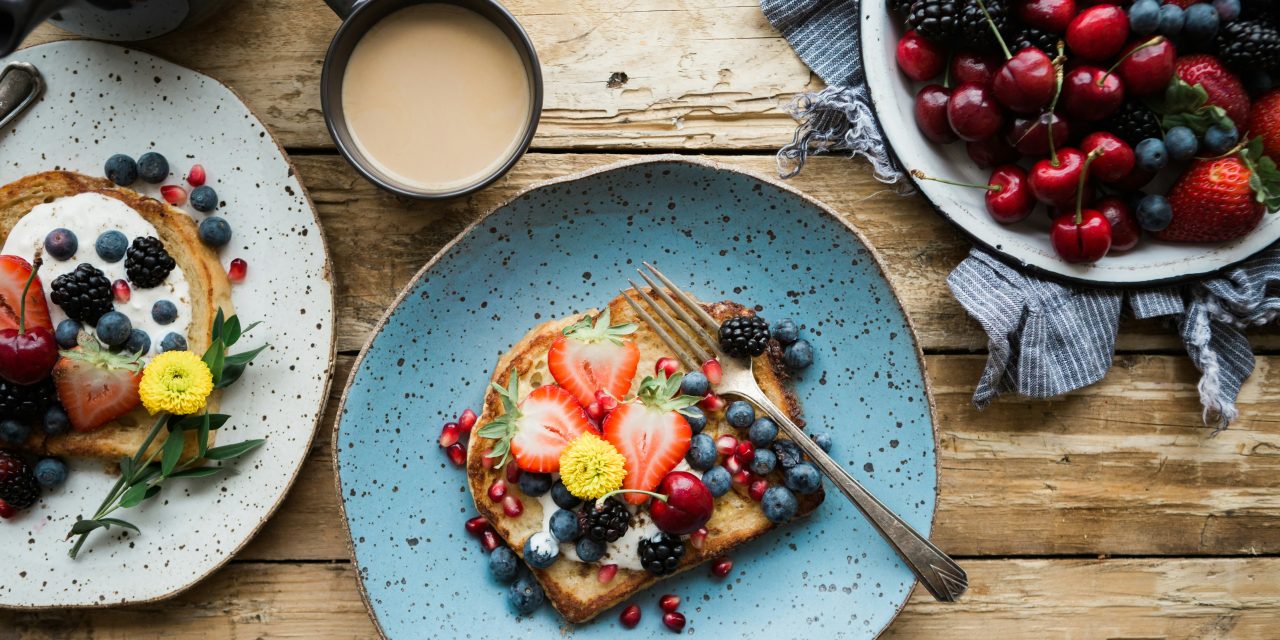
A Greek yogurt parfait is a delightful way to start the day, combining creamy yogurt with vibrant fruits and crunchy nuts. Greek yogurt is an excellent source of protein, containing approximately 10 grams per 100 grams, which aids in muscle repair and growth. Additionally, it is rich in probiotics that support gut health and enhance digestion. Layering this yogurt with fresh berries—such as blueberries, strawberries, or raspberries—provides a burst of antioxidants and vitamins. Berries are low in calories yet high in fiber, making them an ideal choice for those looking to maintain a healthy weight.
To elevate the parfait further, consider adding a handful of nuts such as almonds or walnuts. Nuts are packed with healthy fats, protein, and essential nutrients like magnesium and vitamin E. They contribute to heart health and can help reduce inflammation in the body. A drizzle of honey or a sprinkle of cinnamon can enhance the flavor profile without compromising nutritional integrity. This breakfast option is not only visually appealing but also offers a well-rounded combination of macronutrients that will keep you energized throughout the morning.
Veggie-Packed Omelette for a Protein Boost

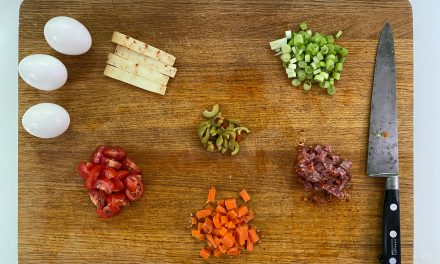
An omelette is a versatile breakfast dish that can be tailored to suit individual preferences while providing a substantial protein boost. Eggs are a powerhouse of nutrition, containing about 6 grams of protein each along with essential amino acids necessary for bodily functions. By incorporating a variety of vegetables such as spinach, bell peppers, onions, and tomatoes, one can significantly increase the vitamin and mineral content of the meal. Spinach, for instance, is rich in iron and folate, while bell peppers provide a healthy dose of vitamin C.
To prepare a veggie-packed omelette, whisk together eggs with a splash of milk or water for fluffiness. Sauté the vegetables in a non-stick skillet until tender before pouring in the egg mixture. Cook until set, then fold and serve hot. This dish can be garnished with fresh herbs like chives or parsley for added flavor and nutrition. The combination of protein from eggs and fiber from vegetables creates a satiating meal that supports muscle health and keeps hunger at bay.
Chia Seed Pudding with Almond Milk and Fruit

Chia seed pudding has emerged as a popular breakfast choice due to its unique texture and impressive nutritional profile. Chia seeds are tiny powerhouses packed with omega-3 fatty acids, fiber, protein, and various micronutrients. When soaked in almond milk or any other plant-based milk, they absorb liquid and swell to create a pudding-like consistency. This dish is not only easy to prepare but also highly customizable based on personal taste preferences.
To make chia seed pudding, combine three tablespoons of chia seeds with one cup of almond milk in a bowl or jar. Stir well to prevent clumping and let it sit for at least 30 minutes or overnight in the refrigerator. Once set, top with fresh fruits such as mangoes, bananas, or kiwi for added sweetness and nutrients. The fiber content from chia seeds promotes digestive health while providing sustained energy throughout the day. This breakfast option is perfect for those seeking a quick yet nutritious meal that can be prepared in advance.
For those looking to explore healthy breakfast ideas without bread, incorporating creative alternatives can make your morning meals both nutritious and satisfying. One great option is to use vegetables or whole grains as a base for your breakfast, allowing for a variety of flavors and textures. If you’re interested in a delicious recipe that showcases these principles, check out this article on quick buffalo chicken wraps that can easily be adapted for breakfast by adding eggs or avocado for a wholesome start to your day.
Smoothie Bowl Loaded with Superfoods
Smoothie bowls have gained popularity as an aesthetically pleasing breakfast option that allows for creativity while packing in nutrients. A smoothie bowl typically consists of blended fruits and vegetables topped with an array of superfoods such as granola, seeds, nuts, and coconut flakes. The base can be made from frozen bananas or berries blended with spinach or kale for added greens without compromising flavor.
To create a nutrient-dense smoothie bowl, blend one banana with half a cup of almond milk and a handful of spinach until smooth. Pour the mixture into a bowl and top it with sliced fruits like strawberries or kiwi, along with chia seeds, hemp seeds, or granola for crunch. This breakfast option is rich in vitamins, minerals, antioxidants, and healthy fats that support overall health while providing an energizing start to the day.
If you’re looking for creative and nutritious ways to start your day without bread, you might find inspiration in a related article that offers a variety of healthy breakfast ideas. These recipes not only cater to those avoiding bread but also emphasize wholesome ingredients that can energize your morning. For more delicious options, check out this article on easy and delicious recipes to try this week.
Avocado and Tomato Salad with a Citrus Dressing
An avocado and tomato salad is an excellent choice for those seeking a refreshing yet filling breakfast option. Avocados are renowned for their healthy monounsaturated fats that promote heart health and provide essential nutrients such as potassium and vitamin E. Tomatoes add a burst of flavor along with lycopene—a powerful antioxidant linked to numerous health benefits.
To prepare this salad, dice ripe avocados and tomatoes before tossing them together in a bowl. For added flavor, drizzle with a citrus dressing made from freshly squeezed lemon or lime juice mixed with olive oil, salt, and pepper. This dish can be enhanced further by adding ingredients like feta cheese or fresh herbs such as basil or cilantro. The combination of healthy fats from avocados and hydration from tomatoes creates a satisfying meal that supports overall wellness.
Cottage Cheese with Pineapple and Flaxseeds
Cottage cheese is often overlooked as a breakfast option but offers numerous health benefits that make it worthy of inclusion in your morning routine. It is an excellent source of casein protein—ideal for muscle recovery—and contains calcium essential for bone health. Pairing cottage cheese with pineapple adds natural sweetness along with vitamin C and bromelain—an enzyme known for its anti-inflammatory properties.
To create this simple yet nutritious breakfast, combine one cup of cottage cheese with diced pineapple chunks in a bowl. For added texture and nutritional value, sprinkle flaxseeds on top; these tiny seeds are rich in omega-3 fatty acids and fiber that promote digestive health. This combination provides a balanced meal that supports muscle maintenance while satisfying sweet cravings without resorting to processed sugars.
Quinoa Breakfast Bowl with Cinnamon and Apples
Quinoa is often celebrated as a superfood due to its high protein content and complete amino acid profile. It serves as an excellent base for breakfast bowls when combined with fruits and spices like cinnamon. Quinoa contains approximately 8 grams of protein per cooked cup along with essential minerals such as magnesium and phosphorus.
To prepare a quinoa breakfast bowl, cook one cup of quinoa according to package instructions before fluffing it with a fork. Stir in diced apples along with cinnamon for warmth and sweetness. For added richness, consider drizzling honey or maple syrup over the top before serving. This dish not only provides sustained energy but also supports digestive health due to its fiber content.
Savory Sweet Potato Hash with Spinach and Eggs
Sweet potatoes are an excellent source of complex carbohydrates that provide lasting energy without causing blood sugar spikes. When combined with spinach and eggs in a savory hash, they create a hearty breakfast option packed with nutrients. Sweet potatoes are rich in beta-carotene—a precursor to vitamin A—while spinach contributes iron and folate.
To create this dish, dice sweet potatoes into small cubes before sautéing them in olive oil until tender. Add fresh spinach until wilted before cracking eggs on top to cook until desired doneness is reached. This meal can be seasoned with spices such as paprika or cumin for added flavor depth. The combination of carbohydrates from sweet potatoes, protein from eggs, and vitamins from spinach creates a balanced breakfast that fuels your day.
Nut Butter and Banana Rice Cake Stack
Rice cakes are often overlooked as a breakfast staple but can serve as an excellent base for various toppings when seeking bread-free options. Topping rice cakes with nut butter provides healthy fats along with protein while bananas add natural sweetness along with potassium—essential for muscle function.
To create this simple yet satisfying breakfast stack, spread almond or peanut butter over rice cakes before layering sliced bananas on top. For added crunch and nutrition, sprinkle chia seeds or crushed nuts over the bananas before serving. This combination offers quick energy while keeping hunger at bay throughout the morning.
Tips for Creating Balanced, Bread-Free Breakfasts
When crafting balanced bread-free breakfasts, consider incorporating various food groups to ensure adequate nutrient intake throughout the day. Aim for meals that include protein sources such as eggs or yogurt alongside healthy fats from avocados or nuts while incorporating fruits or vegetables for vitamins and minerals.
Additionally, preparation plays an essential role in maintaining consistency in your breakfast routine; consider meal prepping options like chia seed pudding or quinoa bowls ahead of time to streamline your mornings without sacrificing nutrition quality.
In conclusion, embracing bread-free breakfasts opens up a world of culinary possibilities that prioritize health without compromising taste or satisfaction. By exploring diverse options ranging from Greek yogurt parfaits to savory sweet potato hashes, individuals can enjoy nutritious meals that support their overall well-being while keeping energy levels stable throughout the day.
### FAQ Section
1. **Are bread-free breakfasts suitable for everyone?**
Yes! Bread-free breakfasts can cater to various dietary preferences including gluten-free diets or those looking to reduce carbohydrate intake.
2. **Can I still have toast if I want?**
Absolutely! Consider whole grain or gluten-free options if you prefer toast; however, incorporating diverse meals can enhance nutrient intake.
3. **How do I ensure my breakfast is balanced?**
Aim to include protein sources (eggs/yogurt), healthy fats (avocado/nuts), fiber (fruits/vegetables), and complex carbohydrates (quinoa/sweet potatoes).
4. **What are some quick bread-free breakfast ideas?**
Smoothie bowls or chia seed pudding can be prepared quickly; overnight oats are another great option that requires minimal morning effort.
5. **Can I meal prep these breakfasts?**
Yes! Many options like chia seed pudding or quinoa bowls can be prepared ahead of time for convenience during busy mornings.
6. **How do I make my breakfasts more exciting?**
Experiment with different toppings or spices; try seasonal fruits or unique nut butters to keep your meals fresh and enjoyable.
7. **Are there any specific dietary restrictions I should consider?**
Always consider individual allergies (nuts/dairy) when preparing meals; consult healthcare professionals if you have specific dietary needs.
8. **What are some alternatives to dairy products?**
Plant-based milks (almond/oat) can replace dairy; coconut yogurt is another great alternative for those avoiding lactose.
9. **How do I incorporate more vegetables into my breakfasts?**
Add vegetables into omelettes or smoothies; consider savory dishes like hash or salads to increase vegetable intake during morning meals.
10. **What if I’m not hungry in the morning?**
Start small! Consider lighter options like smoothies or yogurt parfaits; gradually increase portion sizes as your appetite develops over time.
In summary, exploring bread-free breakfasts allows individuals to enjoy diverse flavors while prioritizing nutrition without sacrificing satisfaction or taste.
FAQs
What are some healthy breakfast alternatives to bread?
Some healthy breakfast alternatives to bread include oatmeal, yogurt with fruits and nuts, smoothies, chia seed pudding, and vegetable omelets. These options provide a variety of nutrients and can be tailored to individual tastes.
Can I have a protein-rich breakfast without bread?
Yes, you can have a protein-rich breakfast without bread by incorporating foods such as eggs, Greek yogurt, cottage cheese, nut butter, or protein shakes. These foods are excellent sources of protein and can help keep you full throughout the morning.
Are there any gluten-free breakfast options without bread?
Absolutely! Gluten-free breakfast options without bread include quinoa porridge, fruit salads, smoothies made with gluten-free ingredients, and scrambled eggs with vegetables. These meals are not only gluten-free but also nutritious.
How can I make a quick breakfast without bread?
For a quick breakfast without bread, consider options like overnight oats, pre-made smoothies, or yogurt parfaits. These can be prepared in advance and require minimal time in the morning, making them convenient for busy schedules.
What are some healthy toppings for a bread-free breakfast?
Healthy toppings for a bread-free breakfast can include fresh fruits, nuts, seeds, honey, nut butters, and yogurt. These toppings can enhance the flavor and nutritional value of dishes like oatmeal, yogurt bowls, or smoothies.