Breakfast is often heralded as the most important meal of the day, and for good reason. This first meal provides essential nutrients that fuel the body and brain after a night of fasting. A balanced breakfast can enhance cognitive function, improve mood, and stabilize energy levels throughout the day. Studies have shown that individuals who consume a nutritious breakfast tend to perform better academically and are more productive in their daily tasks. Furthermore, a healthy breakfast can play a pivotal role in weight management by curbing hunger and reducing the likelihood of overeating later in the day.
Incorporating a variety of food groups into breakfast can ensure that individuals receive a well-rounded intake of vitamins, minerals, and macronutrients. Whole grains, fruits, proteins, and healthy fats are all integral components of a nutritious morning meal. However, for many families, particularly those with children, the challenge lies in catering to picky eaters who may resist trying new foods. Understanding their preferences and introducing appealing options can make breakfast an enjoyable and healthful experience.
If you’re looking for creative ways to make breakfast appealing for picky eaters, you might find inspiration in a related article that offers a variety of healthy breakfast ideas tailored for selective palates. These suggestions can help ensure that even the fussiest eaters start their day with nutritious options. For more information, check out this article on healthy breakfast ideas for picky eaters: Healthy Breakfast Ideas for Picky Eaters.
Understanding Picky Eaters’ Preferences
Picky eating is a common phenomenon, particularly among children, but it can also extend to adults. This behavior often stems from a variety of factors including sensory sensitivities, previous negative experiences with certain foods, or simply a desire for familiarity. Picky eaters may gravitate towards bland or repetitive meals, which can limit their nutritional intake and lead to deficiencies over time. Understanding these preferences is crucial for caregivers and parents aiming to provide balanced meals.
To effectively address the needs of picky eaters, it is essential to introduce foods gradually and in a non-threatening manner. Engaging children in the meal preparation process can also foster a sense of ownership and curiosity about different ingredients. Additionally, presenting food in fun and visually appealing ways can entice even the most selective eaters to try new options. By recognizing the underlying reasons for picky eating and employing strategic approaches, caregivers can help expand their dietary horizons while ensuring they receive adequate nutrition.
Smoothie Bowls Packed with Fruits and Protein

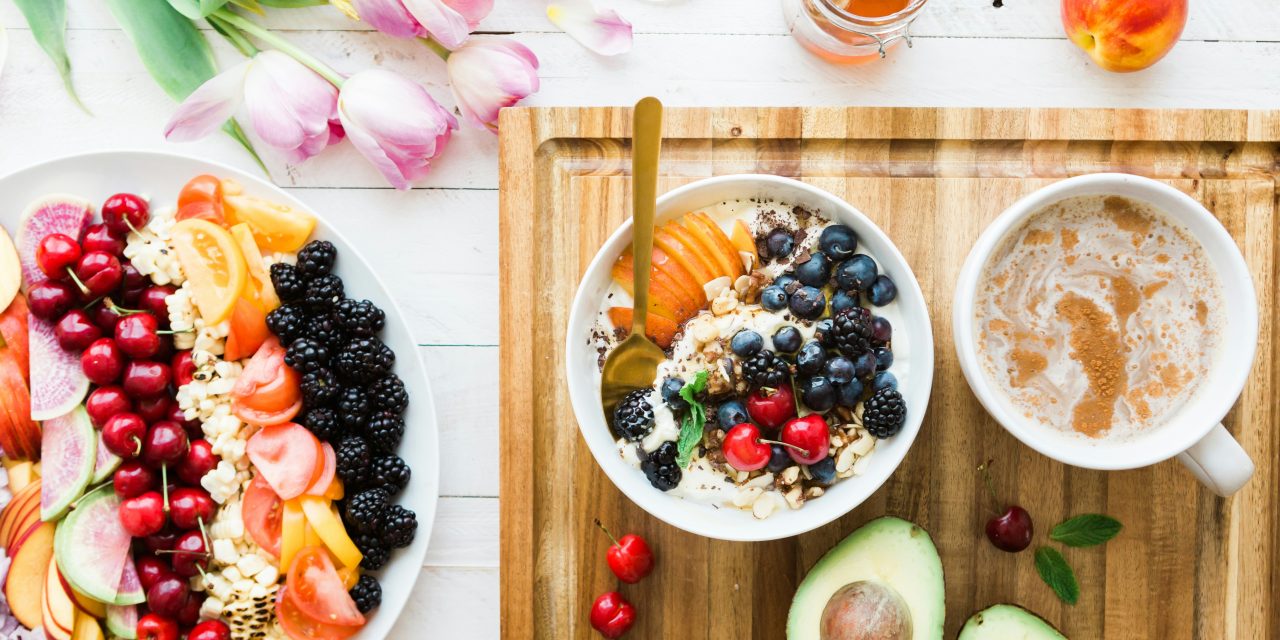
Smoothie bowls are an excellent way to incorporate a variety of fruits and proteins into breakfast while appealing to picky eaters. These vibrant bowls can be customized to suit individual tastes and preferences, making them an attractive option for those who may be hesitant to try new foods. The base typically consists of blended fruits such as bananas, berries, or mangoes combined with yogurt or milk for added creaminess and protein.
To enhance the nutritional profile, toppings can include granola, seeds, nuts, or additional fruit slices. This not only adds texture but also provides an opportunity for picky eaters to explore different flavors and textures without feeling overwhelmed. For instance, adding chia seeds or hemp hearts can introduce healthy omega-3 fatty acids and fiber into the meal. The visual appeal of a colorful smoothie bowl can stimulate interest and encourage children to dive in.
Overnight Oats with Customizable Toppings

Overnight oats have gained popularity as a convenient and nutritious breakfast option that can be tailored to individual preferences. By combining rolled oats with milk or yogurt and allowing them to soak overnight, this dish becomes soft and creamy by morning. The versatility of overnight oats lies in their ability to accommodate various flavors and toppings, making them an ideal choice for picky eaters.
Parents can experiment with different flavor profiles by incorporating ingredients such as cocoa powder for chocolate lovers or cinnamon for those who enjoy warm spices. Toppings like fresh fruit, nuts, or nut butter can be added just before serving, allowing for personalization based on individual tastes. This method not only promotes creativity but also ensures that picky eaters receive essential nutrients from whole grains and healthy fats.
If you’re struggling to find healthy breakfast ideas for picky eaters, you might find inspiration in a related article that offers practical tips and suggestions. Exploring creative ways to make meals appealing can transform breakfast into a delightful experience for even the fussiest of eaters. For more insights on how to tackle this challenge, check out this informative piece on helping older dogs navigate their environment, which emphasizes the importance of adapting to individual needs, much like catering to specific tastes at the breakfast table.
Whole Grain Pancakes with Natural Sweeteners
Pancakes are often a breakfast favorite among children; however, traditional recipes may lack nutritional value due to refined flour and excessive sugar. By opting for whole grain flour and natural sweeteners such as mashed bananas or pure maple syrup, pancakes can be transformed into a healthier option that still satisfies cravings. Whole grain pancakes provide fiber and essential nutrients while minimizing blood sugar spikes.
To further enhance their appeal, parents can incorporate various mix-ins such as blueberries or shredded zucchini into the batter. This not only adds flavor but also introduces additional vitamins and minerals without compromising taste. Serving pancakes with a side of fresh fruit or yogurt can create a balanced meal that encourages picky eaters to enjoy breakfast without resistance.
Greek Yogurt Parfaits with Fresh Berries
Greek yogurt parfaits are another delightful way to present breakfast to picky eaters while ensuring they receive adequate protein and probiotics. Layering Greek yogurt with fresh berries creates an enticing visual presentation that can capture attention. The tartness of berries complements the creaminess of yogurt, providing a harmonious balance of flavors.
Customization is key when it comes to parfaits; parents can introduce various toppings such as granola or nuts for added crunch. This not only enhances texture but also allows picky eaters to experiment with different combinations. Additionally, Greek yogurt is rich in calcium and protein, making it an excellent choice for growing children who require these nutrients for bone health and muscle development.
Veggie-Packed Breakfast Muffins
Breakfast muffins offer a convenient way to sneak in vegetables while providing a portable meal option for busy mornings. By incorporating finely grated vegetables such as carrots or spinach into muffin batter, parents can create nutritious treats that are both delicious and visually appealing. These muffins can be made with whole grain flour and sweetened naturally with applesauce or mashed bananas.
The versatility of breakfast muffins allows for endless variations; parents can experiment with different spices or add-ins such as cheese or herbs to enhance flavor profiles. By presenting muffins in fun shapes or colorful liners, they become more enticing to picky eaters who may be hesitant about consuming vegetables at breakfast time.
Nut Butter Toast with Banana Slices
Nut butter toast is a simple yet nutritious breakfast option that appeals to many picky eaters due to its familiar flavors and textures. Whole grain bread topped with almond or peanut butter provides healthy fats and protein while banana slices add natural sweetness and potassium. This combination creates a satisfying meal that keeps hunger at bay until lunchtime.
To elevate this dish further, parents can sprinkle cinnamon or chia seeds on top for added flavor and nutrition. The ease of preparation makes nut butter toast an ideal choice for busy mornings when time is limited. Additionally, involving children in the assembly process can encourage them to take ownership of their meals while exploring new ingredients.
Scrambled Eggs with Hidden Veggies
Scrambled eggs are a classic breakfast staple that can be easily enhanced by incorporating hidden vegetables. By finely chopping vegetables such as bell peppers, spinach, or tomatoes and mixing them into scrambled eggs, parents can boost the nutritional content without overwhelming picky eaters with unfamiliar flavors. Eggs are an excellent source of protein and essential vitamins such as B12 and D.
Cooking scrambled eggs with herbs or spices can further enhance their appeal while introducing new flavors gradually. Serving scrambled eggs alongside whole grain toast or fruit provides a balanced meal that satisfies both hunger and nutritional needs. This approach encourages children to explore new tastes while enjoying a familiar dish.
Avocado and Tomato Open-Faced Sandwich
Avocado toast has become increasingly popular due to its creamy texture and health benefits; however, it can be made even more appealing by adding fresh tomatoes on top. This open-faced sandwich provides healthy fats from avocados along with vitamins A and C from tomatoes. The combination creates a flavorful breakfast option that is both nutritious and visually appealing.
To cater to picky eaters, parents can experiment with different seasonings such as garlic powder or lemon juice to enhance flavor without overwhelming their palates. Serving this dish on whole grain bread ensures that it remains filling while providing essential nutrients necessary for growth and development.
Quinoa Breakfast Porridge with Honey
Quinoa is often celebrated for its high protein content and versatility; when transformed into breakfast porridge, it becomes an excellent alternative to traditional grains like oatmeal. Cooking quinoa in milk or water creates a creamy base that can be sweetened naturally with honey or maple syrup for added flavor. This dish is rich in fiber, protein, and essential amino acids.
Parents can customize quinoa porridge by adding toppings such as fresh fruit, nuts, or seeds according to individual preferences. This not only enhances texture but also introduces additional nutrients into the meal. Quinoa’s unique flavor profile makes it an exciting option for picky eaters who may be looking for something different from conventional breakfast choices.
Cottage Cheese with Pineapple and Nuts
Cottage cheese is often overlooked as a breakfast option; however, its high protein content makes it an excellent choice for those seeking sustained energy throughout the morning. Pairing cottage cheese with pineapple chunks adds natural sweetness while providing vitamin C and hydration. Nuts sprinkled on top contribute healthy fats and crunchiness that enhance the overall experience.
This combination offers a refreshing twist on traditional breakfast fare while ensuring that picky eaters receive essential nutrients without feeling overwhelmed by unfamiliar flavors. The versatility of cottage cheese allows for endless variations; parents can experiment with different fruits or toppings based on individual preferences.
Tips for Making Breakfast Appealing to Picky Eaters
Creating appealing breakfasts for picky eaters requires creativity and patience. Here are several strategies that caregivers can employ:
1. **Involve Children in Meal Preparation**: Allowing children to participate in cooking fosters curiosity about food while giving them ownership over their meals.
2. **Experiment with Presentation**: Use colorful plates or fun shapes to make meals visually appealing; this can entice picky eaters to try new foods.
3. **Gradual Introduction**: Introduce new ingredients slowly alongside familiar favorites; this reduces resistance while expanding their palate.
4. **Create Fun Names**: Give dishes playful names (e.g., “Rainbow Smoothie Bowl”) to spark interest.
5. **Offer Choices**: Allow children to choose toppings or ingredients; this empowers them while encouraging exploration.
6. **Be Patient**: Understand that developing new tastes takes time; repeated exposure may eventually lead to acceptance.
In conclusion, breakfast plays a vital role in establishing healthy eating habits from an early age. By understanding the preferences of picky eaters and offering creative solutions such as smoothie bowls, overnight oats, whole grain pancakes, Greek yogurt parfaits, veggie-packed muffins, nut butter toast, scrambled eggs with hidden veggies, avocado sandwiches, quinoa porridge, and cottage cheese dishes, caregivers can ensure that children receive essential nutrients while enjoying their meals. Employing strategies like involving children in preparation and experimenting with presentation will further enhance their willingness to try new foods, ultimately fostering lifelong healthy eating habits.
FAQs
What are some healthy breakfast options for picky eaters?
Healthy breakfast options for picky eaters include smoothies made with fruits and spinach, oatmeal topped with honey and berries, yogurt parfaits with granola and fruit, whole grain pancakes with nut butter, and scrambled eggs with cheese and vegetables. These options can be customized to suit individual tastes while still providing essential nutrients.
How can I make breakfast more appealing to picky eaters?
To make breakfast more appealing to picky eaters, consider involving them in the preparation process, using fun shapes with cookie cutters, or creating colorful plates with a variety of foods. Additionally, presenting food in a playful manner, such as making a fruit smiley face or using dips for items like pancakes or fruits, can enhance their interest in trying new foods.
Are there any quick breakfast ideas for busy mornings?
Yes, quick breakfast ideas for busy mornings include overnight oats, where ingredients are mixed the night before and ready to eat in the morning, yogurt cups with pre-portioned toppings, or whole grain toast with avocado or nut butter. Additionally, smoothies can be prepared in advance and stored in the fridge for a quick grab-and-go option.
What ingredients should I avoid when preparing breakfast for picky eaters?
When preparing breakfast for picky eaters, it’s best to avoid overly strong flavors or textures that they may dislike, such as certain spices, strong cheeses, or unfamiliar grains. Additionally, avoid processed foods high in sugar or artificial ingredients, as these can deter picky eaters from trying healthier options.
How can I incorporate more fruits and vegetables into breakfast for picky eaters?
To incorporate more fruits and vegetables into breakfast for picky eaters, try blending fruits into smoothies, adding spinach or zucchini to pancakes or muffins, or serving fruit as a topping for yogurt or oatmeal. You can also create fruit skewers or serve vegetables with a tasty dip to make them more appealing.