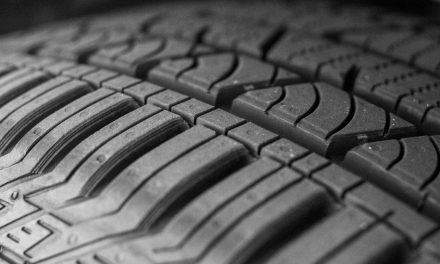
Directional tires are specifically engineered to perform optimally in one direction of rotation, which is a significant departure from traditional symmetrical or asymmetrical tire designs. The tread patterns on directional tires are designed with a unique V-shape or arrow-like configuration that enhances traction, particularly in wet or slippery conditions. This design allows for improved water evacuation, reducing the risk of hydroplaning and enhancing grip on the road. The tread grooves are angled in such a way that they channel water away from the tire’s contact patch, ensuring maximum contact with the road surface.
Moreover, the construction of directional tires often incorporates advanced rubber compounds that provide superior handling and stability. These tires are commonly used in high-performance vehicles, sports cars, and vehicles that frequently encounter adverse weather conditions. The unique characteristics of directional tires make them an essential component for drivers seeking enhanced performance and safety on the road.
When considering the maintenance of your vehicle, it’s important to understand the implications of rotating directional tires from front to back. This practice can affect tire performance and longevity, similar to how the lifespan of roofing materials can vary based on installation and environmental factors. For more insights on durability and maintenance, you can read about how long asphalt shingle roofs last in the U.S. by visiting this article: How Long Does an Asphalt Shingle Roof Last in the U.S.?.
The Importance of Proper Tire Rotation
Tire rotation is a critical maintenance practice that involves periodically changing the position of each tire on a vehicle to promote even wear. Proper rotation is essential for maximizing tire lifespan, ensuring optimal performance, and maintaining vehicle safety. Uneven tire wear can lead to compromised handling, reduced traction, and increased risk of blowouts. By rotating tires regularly, drivers can extend the life of their tires by ensuring that all tires wear evenly over time.
The frequency of tire rotation typically depends on driving habits, vehicle type, and tire specifications. Most manufacturers recommend rotating tires every 5,000 to 8,000 miles or during routine oil changes. Regular rotation not only enhances tire longevity but also contributes to better fuel efficiency and improved ride comfort. Neglecting this vital maintenance task can lead to premature tire replacement and increased costs over time.
Can Directional Tires Be Rotated Front to Back?
When it comes to rotating directional tires, the process differs significantly from that of non-directional tires. Directional tires are designed to rotate in a specific direction, which means they cannot simply be swapped from front to back without compromising their performance. Instead, the correct method for rotating directional tires involves moving them laterally across the same axle. For example, the front left tire would move to the rear left position, while the front right tire would move to the rear right position.
This lateral movement ensures that the tires maintain their intended rotational direction while still promoting even wear. It is crucial for drivers to adhere to this specific rotation pattern to preserve the integrity of directional tires and maximize their performance capabilities. Failure to follow this guideline can lead to decreased traction and handling issues.
Consequences of Incorrectly Rotating Directional Tires
Incorrectly rotating directional tires can have several detrimental effects on vehicle performance and safety. One of the most significant consequences is compromised traction, particularly in wet or slippery conditions. When directional tires are rotated improperly, they may not channel water effectively, increasing the risk of hydroplaning and reducing grip on the road surface.
Additionally, improper rotation can lead to uneven tire wear patterns that may result in premature tire replacement. This not only incurs additional costs but can also affect fuel efficiency and overall vehicle handling. Drivers may experience vibrations or noise while driving due to uneven wear, which can detract from ride comfort and safety. Ultimately, neglecting proper rotation practices can lead to a decrease in overall vehicle performance and an increased likelihood of accidents.
When considering the maintenance of your vehicle, it’s important to understand the implications of rotating directional tires from front to back. This practice can affect your vehicle’s handling and performance, so it’s essential to follow the manufacturer’s guidelines. For more insights on related topics, you might find this article on refreezing thawed meat interesting, as it also emphasizes the importance of adhering to specific recommendations for optimal results.
How to Identify Directional Tire Tread Patterns
Identifying directional tire tread patterns is essential for ensuring proper maintenance and rotation practices. Directional tires typically feature a distinct tread design characterized by a V-shape or arrow-like pattern that points in one direction. This design is specifically engineered to enhance traction and water evacuation.
To identify whether a tire is directional, look for arrows or markings on the sidewall indicating the intended direction of rotation. These markings serve as a guide for proper installation and rotation practices. Additionally, examining the tread pattern closely can reveal its unique design features, such as angled grooves and channels that facilitate water drainage. Familiarizing oneself with these characteristics is crucial for maintaining optimal tire performance.
If you’re considering whether you can rotate directional tires from front to back, it’s important to understand the specific requirements for these types of tires. Directional tires are designed to perform optimally in one direction, which can complicate rotation. For more insights on maintaining your vehicle and ensuring its performance, you might find this article on seasonal garden tasks for a healthier yard helpful, as it emphasizes the importance of regular upkeep in various aspects of life. You can read it here.
Recommended Rotation Patterns for Directional Tires
For directional tires, the recommended rotation pattern involves lateral movement across the same axle rather than front-to-back swapping. The most common pattern is as follows:
1. **Front Left Tire**: Move to Rear Left Position
2. **Front Right Tire**: Move to Rear Right Position
3. **Rear Left Tire**: Remains in Position
4. **Rear Right Tire**: Remains in Position
This pattern ensures that each tire maintains its intended rotational direction while promoting even wear across all four tires. It is essential for drivers to adhere strictly to this rotation method to preserve the performance characteristics of directional tires.
Tools and Equipment Needed for Tire Rotation
To perform a proper tire rotation on directional tires, several tools and equipment are necessary:
1. **Jack**: A hydraulic or floor jack is essential for lifting the vehicle safely.
2. **Jack Stands**: These provide additional support once the vehicle is lifted.
3. **Lug Wrench**: A lug wrench is required for loosening and tightening lug nuts.
4. **Torque Wrench**: This tool ensures that lug nuts are tightened to the manufacturer’s specifications.
5. **Tire Pressure Gauge**: Checking tire pressure before and after rotation is crucial for optimal performance.
6. **Wheel Chocks**: These prevent the vehicle from rolling while it is being lifted.
Having these tools readily available will facilitate a smooth and efficient tire rotation process.
Step-by-Step Guide to Rotating Directional Tires Correctly
Rotating directional tires requires careful attention to detail to ensure optimal performance and safety. Follow these steps for a successful rotation:
1. **Prepare Your Vehicle**: Park on a flat surface and engage the parking brake.
2. **Loosen Lug Nuts**: Using a lug wrench, slightly loosen all lug nuts on each wheel without removing them completely.
3. **Lift the Vehicle**: Use a jack to lift one side of the vehicle off the ground and secure it with jack stands.
4. **Remove Tires**: Completely remove the loosened lug nuts and take off each tire.
5. **Rotate Tires**: Move the front left tire to the rear left position and the front right tire to the rear right position.
6. **Reinstall Tires**: Place each tire back onto its respective hub and hand-tighten the lug nuts.
7. **Lower Vehicle**: Carefully lower the vehicle back to the ground using the jack.
8. **Tighten Lug Nuts**: Use a torque wrench to tighten each lug nut according to manufacturer specifications.
9. **Check Tire Pressure**: Ensure all tires are inflated to the recommended pressure levels.
Following these steps will help maintain proper tire function and extend their lifespan.
Signs It’s Time to Rotate Your Directional Tires
Several indicators suggest it may be time to rotate your directional tires:
1. **Uneven Wear Patterns**: Inspecting tread depth across all four tires can reveal uneven wear.
2. **Vibrations While Driving**: If you experience vibrations or noise while driving, it may indicate uneven wear.
3. **Reduced Traction**: Noticeable decreases in grip during wet conditions can signal that rotation is needed.
4. **Manufacturer Recommendations**: Adhering to manufacturer guidelines regarding rotation intervals is crucial for maintaining optimal performance.
Regularly monitoring these signs will help ensure timely rotations and prolong tire life.
When considering tire rotation options, both professional services and DIY methods have their advantages and disadvantages:
**Professional Tire Rotation**
– Pros:
– Expertise from trained technicians ensures proper techniques are used.
– Access to specialized equipment for accurate torque specifications.
– Comprehensive inspections may identify other potential issues.
– Cons:
– Costs associated with service fees.
– Time spent waiting for service completion.
**DIY Tire Rotation**
– Pros:
– Cost savings by avoiding service fees.
– Flexibility in scheduling maintenance at your convenience.
– Cons:
– Requires knowledge of proper techniques and tools.
– Potential for improper installation if not done correctly.
Ultimately, choosing between professional services or DIY methods depends on individual preferences, skills, and resources.
Maintaining Tire Longevity Through Proper Rotation Practices
To maximize tire longevity, adhering to proper rotation practices is essential. Regularly rotating directional tires not only promotes even wear but also enhances overall vehicle performance and safety. Additionally, maintaining proper tire pressure is crucial; under-inflated or over-inflated tires can lead to uneven wear patterns.
Furthermore, regular inspections for signs of damage or wear should be conducted alongside rotations. Keeping an eye on tread depth using a tread depth gauge can help determine when it’s time for replacement or further maintenance.
In conclusion, understanding directional tires’ unique characteristics and adhering to proper rotation practices are vital for ensuring optimal performance and safety on the road. By following recommended guidelines and being proactive about maintenance, drivers can extend their tires’ lifespan while enhancing their overall driving experience.
In summary, directional tires are designed for specific rotational directions that enhance traction and performance under various conditions. Proper tire rotation practices are crucial for maintaining even wear and maximizing longevity while preventing potential hazards associated with incorrect rotations. Regular inspections and adherence to manufacturer recommendations will ensure optimal performance throughout the life of your tires.
FAQs
Can you rotate directional tires from front to back?
No, you cannot rotate directional tires from front to back. Directional tires are designed to be mounted on a specific side of the vehicle, with a tread pattern that is optimized for performance in one direction. Rotating them from front to back would reverse their intended direction of rotation, which can negatively affect traction and handling.
What are directional tires?
Directional tires are tires that have a specific tread pattern designed to perform best when rotating in one direction. They typically feature a V-shaped or arrow-like tread design that helps channel water away from the tire, improving grip on wet surfaces. These tires are often marked with an arrow on the sidewall indicating the correct direction of rotation.
How should directional tires be rotated?
Directional tires should be rotated by swapping the front tires with the rear tires on the same side of the vehicle. For example, the front left tire should move to the rear left position, and the front right tire should move to the rear right position. This maintains the correct directional orientation of the tires while allowing for even wear.
Why is it important to follow the correct rotation pattern for directional tires?
Following the correct rotation pattern for directional tires is important to ensure optimal performance, safety, and longevity of the tires. Incorrect rotation can lead to uneven wear, reduced traction, and compromised handling, especially in wet or slippery conditions. Adhering to the manufacturer’s recommendations helps maintain the tires’ intended performance characteristics.
Can all vehicles use directional tires?
No, not all vehicles can use directional tires. Directional tires are typically found on performance vehicles, sports cars, and some SUVs. However, many vehicles are equipped with non-directional tires, which can be rotated in various patterns. It’s essential to check the vehicle’s specifications and tire type before deciding on the appropriate tire rotation method.