Baking powder is a crucial leavening agent in pancake recipes, responsible for creating the light and fluffy texture that many people crave. When baking powder is fresh, it contains both an acid and a base that react when moistened and heated, producing carbon dioxide gas. This gas forms bubbles in the batter, causing it to rise. However, if the baking powder is old or expired, its potency diminishes significantly. The chemical reaction may not occur effectively, resulting in dense and flat pancakes that lack the desired fluffiness.
To ensure optimal results, it is essential to check the expiration date on the baking powder container before use. A simple test can also be performed to determine its effectiveness: mix a teaspoon of baking powder with a small amount of hot water. If it bubbles vigorously, it is still active; if not, it should be replaced. For best practices, store baking powder in a cool, dry place and keep it tightly sealed to prolong its shelf life.
If you’ve ever wondered why your pancakes turn out flat instead of fluffy, you might find it helpful to explore the science behind pancake preparation. Factors such as the right balance of ingredients, the importance of leavening agents, and the technique used in mixing can all contribute to the texture of your pancakes. For a delicious recipe that highlights the importance of proper ingredient ratios, check out this article on easy slow cooker white chicken chili, which emphasizes the significance of following instructions closely for the best results.
Overmixing the Batter
The process of mixing pancake batter is delicate and requires a careful balance. Overmixing can lead to the development of gluten, which is a protein found in flour that provides structure. While some gluten formation is necessary for pancakes to hold their shape, excessive mixing can result in tough and chewy pancakes rather than the desired light and airy texture. This occurs because the gluten strands become overly developed, leading to a denser final product.
To avoid overmixing, it is advisable to combine the dry ingredients separately from the wet ingredients before gently folding them together. Mixing should be done just until the ingredients are incorporated; small lumps are acceptable and will typically disappear during cooking. This technique preserves the integrity of the batter and ensures that pancakes remain tender and fluffy.
Incorrect Flour Measurement

Accurate measurement of flour is critical in pancake preparation. Using too much flour can lead to dry and crumbly pancakes, while too little can result in a runny batter that fails to hold its shape during cooking. The most reliable method for measuring flour is by using a kitchen scale, which provides precise measurements in grams or ounces. If a scale is not available, spooning flour into a measuring cup and leveling it off with a knife can help achieve more accurate results.
Additionally, different types of flour have varying densities, which can affect measurements. For instance, all-purpose flour weighs approximately 120 grams per cup, while whole wheat flour weighs around 130 grams per cup. Understanding these differences can help bakers adjust their recipes accordingly and achieve the perfect pancake consistency.
Not Letting the Batter Rest

Resting the pancake batter is an often-overlooked step that can significantly enhance the final product. Allowing the batter to sit for about 10 to 30 minutes before cooking enables the flour to fully hydrate and the gluten to relax. This resting period allows for better absorption of liquid, resulting in a smoother batter that yields fluffier pancakes.
Moreover, resting allows any air bubbles formed during mixing to dissipate, which can contribute to a more uniform texture. During this time, chemical reactions continue to occur within the batter, enhancing flavor development. Therefore, taking the time to let the batter rest can lead to superior pancakes that are both light and flavorful.
If you’ve ever wondered why your pancakes turn out flat instead of fluffy, you might find it helpful to explore some common baking mistakes that can lead to this issue. One key factor is the leavening agents used in your batter, as they play a crucial role in creating that light and airy texture. For more insights on maintaining a healthy routine, you can check out this article on dog dental cleanings, which emphasizes the importance of regular care, much like how precise measurements and techniques are essential in pancake making.
Using Too Much Liquid
The ratio of liquid to dry ingredients plays a pivotal role in pancake consistency. Excessive liquid can lead to a runny batter that spreads too thin on the griddle, resulting in pancakes that are flat and lacking structure. Conversely, too little liquid can create a thick batter that does not cook evenly. Striking the right balance is essential for achieving pancakes with an ideal texture.
When adjusting liquid measurements, consider factors such as humidity and altitude, which can affect how ingredients interact. For instance, at higher altitudes, liquids may evaporate more quickly, necessitating slight adjustments to maintain proper consistency. A well-balanced batter should be pourable but not overly runny; it should hold its shape when ladled onto the cooking surface.
If you’ve ever wondered why your pancakes turn out flat instead of fluffy, you might find it helpful to explore some common baking mistakes that can lead to disappointing results. One related article discusses issues with garage doors that open and then close again, which can be a metaphor for how small problems can lead to larger frustrations in the kitchen. Understanding the science behind leavening agents and proper mixing techniques can make a significant difference in your pancake game. For more insights, check out this article on garage doors that might just inspire you to troubleshoot your own cooking challenges.
Cooking at the Wrong Temperature
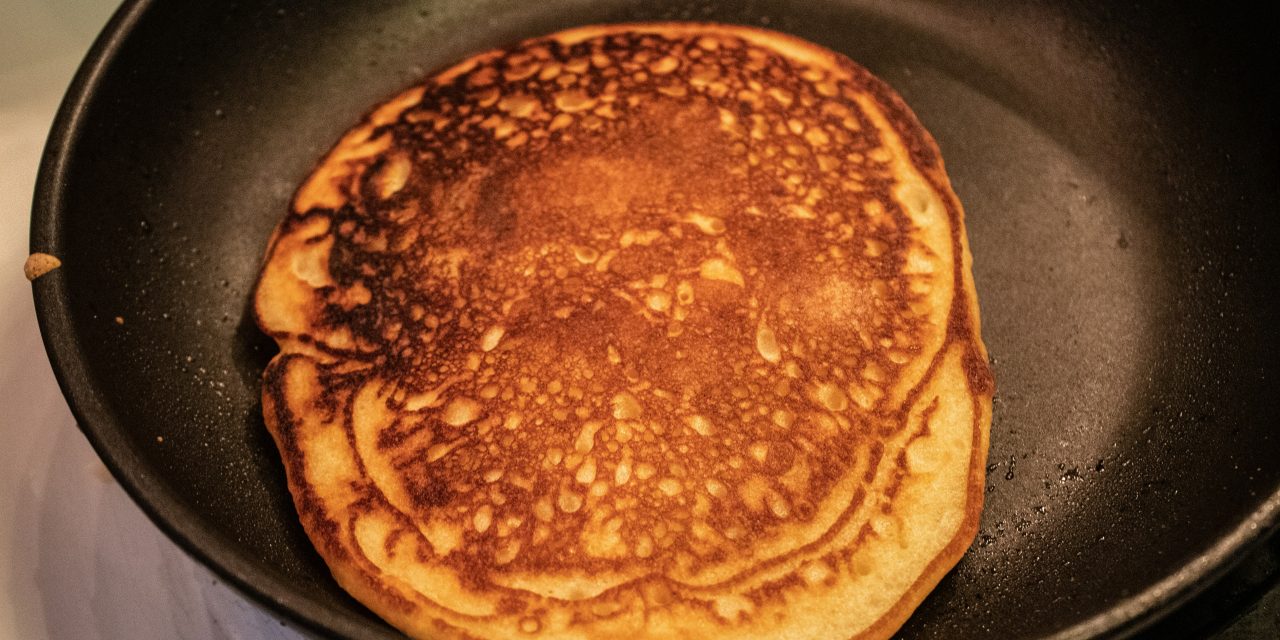
Temperature control is vital when cooking pancakes. If the griddle or skillet is too hot, pancakes may brown too quickly on the outside while remaining raw on the inside. Conversely, cooking at too low a temperature can result in pale and rubbery pancakes that lack color and flavor. The ideal cooking temperature for pancakes typically falls between 375°F (190°C) and 400°F (204°C).
To achieve consistent results, preheat the cooking surface adequately before adding batter. A simple test involves sprinkling a few drops of water onto the surface; if they sizzle and evaporate quickly, it is ready for cooking. Adjusting heat as needed during cooking can help ensure that each pancake cooks evenly and develops a golden-brown exterior.
Skipping the Egg Whites or Not Beating Them Properly
Eggs play a crucial role in pancake recipes by providing structure and moisture. However, separating egg whites from yolks and beating them until stiff peaks form can elevate pancake texture significantly. Beaten egg whites incorporate air into the batter, contributing to a lighter and fluffier end product.
When preparing pancakes with separated eggs, it is essential to fold the beaten egg whites gently into the batter after all other ingredients have been combined. This technique preserves the airiness created during beating while ensuring even distribution throughout the mixture. Skipping this step or improperly incorporating egg whites can result in denser pancakes that lack the desired lift.
Using the Wrong Type of Flour
The type of flour used in pancake recipes can greatly influence texture and flavor. All-purpose flour is commonly used due to its versatility; however, specialty flours such as whole wheat or almond flour can impart unique characteristics to pancakes. Whole wheat flour adds nuttiness and fiber but may require adjustments in liquid ratios due to its higher absorption capacity.
Gluten-free options are also available for those with dietary restrictions; alternatives like oat flour or gluten-free blends can yield delicious results when used correctly. Understanding how different flours behave in recipes allows bakers to experiment with flavors while achieving optimal texture.
Adding Too Much Sugar or Fat
While sugar enhances sweetness and flavor in pancakes, excessive amounts can lead to overly sweet or caramelized results that mask other flavors. Similarly, adding too much fat—such as butter or oil—can create greasy pancakes that lack lightness. Striking a balance between sweetness and richness is essential for achieving well-rounded flavor profiles.
When adjusting sugar levels, consider using natural sweeteners like honey or maple syrup as alternatives that may provide additional flavor complexity without overwhelming sweetness. Additionally, using fats judiciously ensures that pancakes remain tender without becoming overly heavy.
Not Using Fresh Ingredients
The freshness of ingredients plays a significant role in determining pancake quality. Stale flour or expired baking powder can compromise flavor and texture, leading to disappointing results. Fresh eggs contribute moisture and richness while enhancing overall taste; using older eggs may yield less desirable outcomes.
To ensure optimal freshness, regularly check pantry staples for expiration dates and rotate stock as needed. Purchasing ingredients from reputable sources also helps guarantee quality. Fresh ingredients not only improve flavor but also enhance nutritional value, making for healthier pancakes overall.
How to Adjust Your Recipe for Perfectly Fluffy Pancakes
Achieving perfectly fluffy pancakes requires attention to detail and an understanding of ingredient interactions. Start by ensuring accurate measurements of all components—this includes using a kitchen scale for precision when possible. Incorporate fresh ingredients and avoid overmixing by gently folding wet and dry components together until just combined.
Consider allowing your batter to rest for at least 10 minutes before cooking; this step enhances hydration and gluten relaxation for improved texture. Monitor cooking temperatures closely; adjust heat as necessary to achieve even browning without burning.
Experimentation with different flours or sweeteners can yield unique flavors while maintaining desired fluffiness. Finally, consider incorporating beaten egg whites into your batter for an extra lift—this technique can elevate your pancake game significantly.
In summary, creating fluffy pancakes involves careful consideration of various factors including ingredient freshness, proper mixing techniques, accurate measurements, and temperature control during cooking. By addressing common pitfalls such as using expired baking powder or overmixing batter, you can elevate your pancake-making skills to new heights.
FAQ Section:
1. **How do I know if my baking powder is still good?**
– Perform a simple test by mixing one teaspoon of baking powder with hot water; if it bubbles vigorously, it’s still active.
2. **Can I use whole wheat flour instead of all-purpose flour?**
– Yes! Whole wheat flour adds fiber and nuttiness but may require adjustments in liquid ratios due to higher absorption.
3. **What happens if I overmix my pancake batter?**
– Overmixing develops gluten excessively, resulting in tough and chewy pancakes instead of light and fluffy ones.
4. **Is it necessary to let pancake batter rest?**
– Yes! Resting allows flour to hydrate fully and gluten to relax, leading to better texture in cooked pancakes.
5. **What temperature should I cook pancakes at?**
– The ideal cooking temperature ranges from 375°F (190°C) to 400°F (204°C) for even cooking without burning.
6. **Can I substitute eggs in pancake recipes?**
– Yes! Common substitutes include applesauce (1/4 cup per egg) or flaxseed meal mixed with water (1 tablespoon flaxseed meal + 2.5 tablespoons water).
7. **How do I prevent my pancakes from sticking?**
– Ensure your cooking surface is adequately preheated and lightly greased with oil or butter before adding batter.
8. **What should I do if my pancakes turn out flat?**
– Check your baking powder’s freshness; also ensure you’re using proper measurements for both liquid and dry ingredients.
9. **Can I make pancake batter ahead of time?**
– Yes! You can prepare batter ahead but store it in the refrigerator for no more than 24 hours for best results.
10. **What are some variations I can try with my pancake recipe?**
– Consider adding fruits like blueberries or bananas, nuts like walnuts or pecans, or spices such as cinnamon for added flavor.
In conclusion, mastering pancake preparation involves understanding various factors that contribute to their texture and flavor profile. By addressing common mistakes such as using expired ingredients or improper mixing techniques, you can create deliciously fluffy pancakes every time you cook them!
FAQs
What causes pancakes to be flat instead of fluffy?
Pancakes can turn out flat due to several factors, including insufficient leavening agents like baking powder or baking soda, overmixing the batter, or using expired ingredients. Leavening agents create bubbles that help the pancakes rise, while overmixing can develop gluten, leading to denser pancakes.
How can I ensure my pancakes rise properly?
To ensure your pancakes rise properly, use fresh leavening agents and measure them accurately. Additionally, mix the batter just until the ingredients are combined; small lumps are okay. Letting the batter rest for a few minutes can also help improve fluffiness.
Does the type of flour affect pancake fluffiness?
Yes, the type of flour can significantly affect pancake fluffiness. All-purpose flour is commonly used, but using cake flour, which has a lower protein content, can yield lighter pancakes. Avoid using whole wheat flour in large amounts, as it can make pancakes denser.
What role does the temperature of the ingredients play?
The temperature of the ingredients can impact pancake fluffiness. Using room temperature eggs and milk can help create a smoother batter and improve the rise. Cold ingredients can lead to a denser texture, so it’s best to let them sit out for a bit before mixing.
Can I make adjustments to a pancake recipe to improve fluffiness?
Yes, you can make several adjustments to improve pancake fluffiness. Consider adding an extra teaspoon of baking powder, separating the egg yolks and whites, whipping the egg whites to soft peaks, and folding them into the batter. These techniques can enhance the lightness of your pancakes.