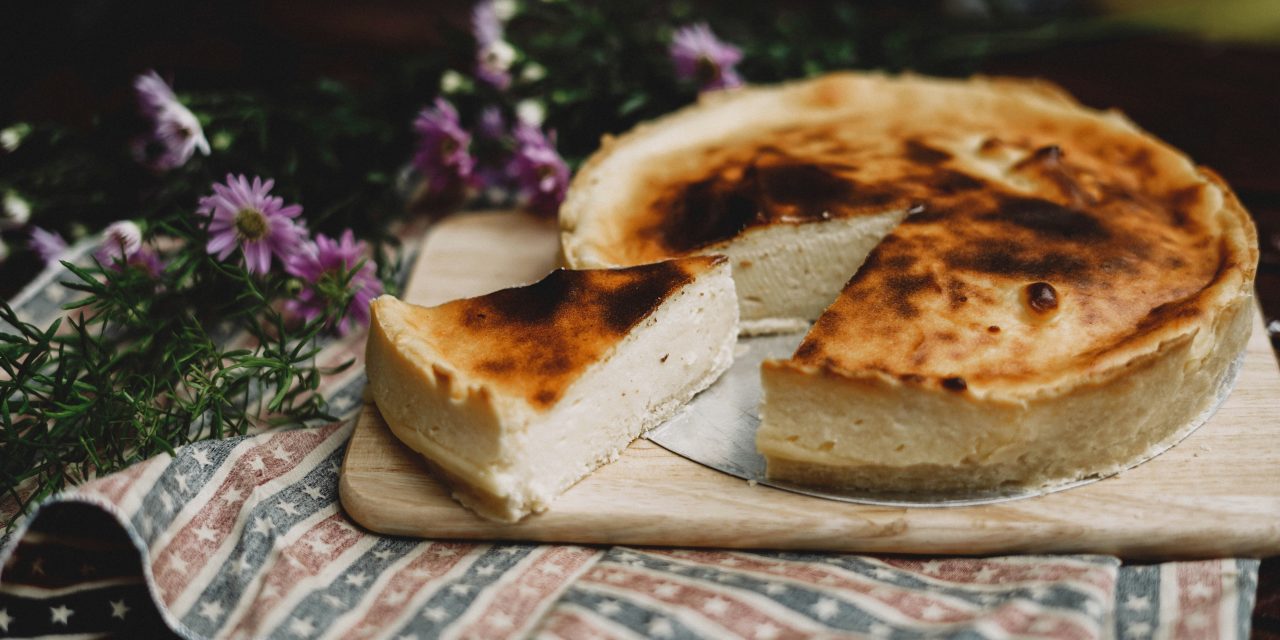
Cheesecakes are a beloved dessert, renowned for their creamy texture and rich flavor. However, one of the most common issues encountered by bakers is the sinking of cheesecakes. This phenomenon occurs when the structure of the cheesecake collapses, leading to an unsightly appearance and a less-than-ideal texture. Understanding the underlying causes of this issue is crucial for achieving a perfect cheesecake.
The primary reason cheesecakes sink is due to the delicate balance of ingredients and the baking process. Cheesecakes are primarily composed of cream cheese, sugar, eggs, and flavorings, all of which must be combined in a specific manner to create a stable structure. When these ingredients are not mixed or baked correctly, the resulting cheesecake can develop air pockets that expand during baking and then collapse as the cake cools. This article will delve into various factors contributing to cheesecake sinkage and provide solutions to ensure a flawless dessert.
If you’ve ever wondered why your cheesecake sinks in the middle, it could be due to several factors, including overmixing the batter or not allowing it to cool gradually. For more tips on achieving perfection in your baking and maintaining a clean kitchen environment, you might find this article helpful: 10 Effective Cleaning Techniques for a Spotless Home Every Time. Keeping your workspace tidy can make a significant difference in your baking experience!
Overmixing the Batter: The Air Bubble Trap
One of the most critical aspects of cheesecake preparation is the mixing process. Overmixing the batter can introduce excessive air into the mixture, creating bubbles that may expand during baking. When these bubbles burst, they can lead to a sunken center. It is essential to mix the ingredients just enough to achieve a smooth consistency without incorporating too much air.
To avoid overmixing, start by blending the cream cheese until it is soft and creamy before gradually adding sugar and other ingredients. Use a low-speed setting on your mixer and mix until just combined. This technique minimizes air incorporation while ensuring that all ingredients are well integrated. Additionally, consider using a spatula to fold in eggs gently, rather than mixing vigorously, to maintain a dense and creamy texture.
Baking Temperature: Too Hot or Too Cold?

The baking temperature plays a pivotal role in determining the final outcome of a cheesecake. If the oven temperature is too high, the outer edges of the cheesecake may cook too quickly while leaving the center undercooked. Conversely, if the temperature is too low, the cheesecake may not set properly, leading to a dense and unappealing texture.
For optimal results, preheat your oven to 325°F (163°C), which is generally considered the ideal temperature for baking cheesecakes. This moderate heat allows for even cooking throughout the cake while preventing the formation of cracks on the surface. It is also advisable to use an oven thermometer to ensure accuracy, as many ovens can be off by several degrees.
The Role of Water Baths in Cheesecake Baking

A water bath, or bain-marie, is an essential technique for baking cheesecakes that helps regulate temperature and moisture levels during the baking process. By placing the cheesecake pan in a larger pan filled with hot water, you create a gentle cooking environment that promotes even baking and prevents the outer edges from cooking too quickly.
To create a water bath, wrap the bottom of your springform pan with aluminum foil to prevent water from seeping in. Place this pan inside a larger roasting pan filled with hot water before placing it in the oven. This method not only helps maintain a consistent temperature but also adds moisture to the oven environment, reducing the risk of cracks and sinkage.
If you’ve ever wondered why your cheesecake sinks in the middle, you might find it helpful to explore some common baking pitfalls that can lead to this issue. Factors such as overmixing the batter, sudden temperature changes, or even the type of pan used can all contribute to a sunken cheesecake. For more insights on maintaining the perfect texture in your baked goods, you can check out this informative article on grooming a Shih Tzu, which, while focused on pet care, offers valuable tips on patience and precision that can be applied to your baking endeavors as well.
Underbaking: When the Center Remains Too Soft
Underbaking is another common culprit behind sunken cheesecakes. When the center remains too soft or jiggly after baking, it indicates that the cheesecake has not set properly. As it cools, this undercooked center can collapse, leading to an undesirable texture.
To determine if your cheesecake is adequately baked, gently shake the pan; if the center has a slight jiggle but appears mostly set, it is likely done. Additionally, consider using a toothpick or cake tester inserted into the edge of the cheesecake; it should come out clean or with only a few moist crumbs attached. If you find that your cheesecake consistently underbakes, consider adjusting your baking time or temperature accordingly.
Opening the Oven Door Too Early: The Sudden Temperature Drop
Opening the oven door prematurely can lead to drastic temperature fluctuations that negatively impact your cheesecake’s structure. When cold air enters the oven, it can cause the cheesecake to sink as it cools unevenly. Maintaining a stable temperature throughout the baking process is crucial for achieving a perfect result.
To avoid this issue, refrain from opening the oven door until at least three-quarters of the recommended baking time has passed. If you need to check on your cheesecake, use an oven light instead of opening the door. This practice will help maintain consistent heat levels and prevent sudden drops in temperature that could lead to sinkage.
Using the Wrong Pan Size or Type
The choice of pan can significantly influence how your cheesecake bakes. Using a pan that is too small can lead to overflow and uneven cooking, while a pan that is too large may result in a thin layer that cooks too quickly. Additionally, certain materials conduct heat differently; for instance, glass pans retain heat better than metal pans.
For best results, opt for a 9-inch (23 cm) springform pan for standard cheesecakes. This size allows for even cooking and provides enough space for rising without overflowing. If you are experimenting with different recipes or sizes, be sure to adjust your baking time accordingly to accommodate variations in thickness.
How to Properly Mix Your Cheesecake Batter
Proper mixing techniques are vital for achieving a smooth and creamy cheesecake batter without introducing excess air. Begin by allowing your cream cheese to reach room temperature before mixing; this ensures easier blending and reduces lumps. Use a paddle attachment on your mixer at low speed to combine ingredients gradually.
When adding eggs, incorporate them one at a time while mixing on low speed until just combined. Avoid overmixing at this stage; excessive agitation can lead to air bubbles forming within the batter. Once all ingredients are combined, scrape down the sides of the bowl with a spatula to ensure uniformity before pouring into your prepared pan.
Adjusting Baking Time and Temperature for Perfect Results
Every oven behaves differently; therefore, it is essential to monitor your cheesecake closely during baking and make adjustments as needed. Start with a standard baking time of 50-60 minutes at 325°F (163°C), but be prepared to modify based on your specific oven’s performance.
If you notice that your cheesecake is browning too quickly on top while remaining undercooked in the center, consider lowering the temperature by 25°F (14°C) and extending baking time accordingly. Conversely, if your cheesecake appears pale after 60 minutes, you may need to increase both time and temperature slightly while keeping an eye on its progress.
The Importance of Cooling: Avoiding Sudden Temperature Changes
Cooling is an often-overlooked step in cheesecake preparation that can significantly impact its final texture and appearance. Rapid cooling can cause shrinkage and sinkage as steam escapes from within the cake. To prevent this issue, allow your cheesecake to cool gradually in the oven with the door slightly ajar for about an hour after baking.
Once it has cooled sufficiently in the oven, transfer it to room temperature for an additional hour before refrigerating it for at least four hours or overnight. This gradual cooling process helps stabilize the structure and ensures that your cheesecake maintains its shape without collapsing.
Final Tips: Preventing Sinkage and Achieving a Flawless Cheesecake
To summarize key strategies for preventing sinkage in cheesecakes:
1. **Mixing Techniques**: Avoid overmixing by blending ingredients just until combined.
2. **Baking Temperature**: Maintain an optimal temperature of 325°F (163°C) for even cooking.
3. **Water Bath**: Utilize a water bath for consistent moisture levels during baking.
4. **Baking Time**: Monitor baking time closely and adjust based on your oven’s performance.
5. **Cooling Gradually**: Allow cheesecakes to cool slowly in the oven before refrigerating.
By implementing these techniques and being mindful of potential pitfalls during preparation and baking, you can achieve a perfectly baked cheesecake that is both visually appealing and deliciously satisfying.
In conclusion, mastering cheesecake baking requires attention to detail and an understanding of various factors that contribute to its success or failure. By following these guidelines and employing best practices throughout each stage of preparation, you can create cheesecakes that are not only free from sinkage but also rich in flavor and texture.
### FAQ Section
1. **Why does my cheesecake crack?**
Cracking often occurs due to rapid temperature changes or overbaking. To prevent this, use a water bath and avoid opening the oven door too early.
2. **Can I use low-fat cream cheese?**
While low-fat cream cheese can be used, it may result in a less creamy texture compared to full-fat options.
3. **How long should I bake my cheesecake?**
A standard baking time is typically between 50-60 minutes at 325°F (163°C), but always check for doneness based on visual cues.
4. **What should I do if my cheesecake sinks?**
If your cheesecake sinks after cooling, it may be due to underbaking or overmixing during preparation; adjust these factors in future attempts.
5. **Can I freeze my cheesecake?**
Yes! Cheesecakes freeze well when wrapped tightly in plastic wrap and aluminum foil; thaw them overnight in the refrigerator before serving.
6. **What flavors work best for cheesecakes?**
Classic flavors include vanilla, chocolate, and fruit purees like raspberry or lemon; feel free to experiment with spices or extracts for unique variations.
7. **How do I know when my cheesecake is done?**
The edges should be set while the center remains slightly jiggly; it will firm up as it cools.
8. **Is it necessary to use a springform pan?**
A springform pan is recommended for easy removal; however, you can use other types if lined properly with parchment paper.
9. **What can I do if my cheesecake is too dense?**
Ensure you are not overmixing and consider adding more eggs or adjusting baking time for better texture.
10. **How long should I let my cheesecake cool before refrigerating?**
Allow it to cool in the oven with the door ajar for about an hour before transferring it to room temperature for another hour before refrigerating.
In summary, understanding how various factors affect cheesecake preparation can help bakers achieve consistently excellent results while avoiding common pitfalls such as sinkage or cracking. By applying these techniques diligently, anyone can master this delightful dessert!
FAQs
What causes a cheesecake to sink in the middle?
A cheesecake can sink in the middle due to several factors, including overmixing the batter, which incorporates too much air, or underbaking, where the center does not set properly. Additionally, rapid temperature changes during baking or cooling can also lead to sinking.
How can I prevent my cheesecake from sinking?
To prevent sinking, ensure that you mix the batter gently to avoid incorporating excess air. Bake the cheesecake in a water bath to maintain even temperature and moisture. Also, allow the cheesecake to cool gradually in the oven with the door slightly ajar to prevent sudden temperature changes.
Is it normal for a cheesecake to crack on top?
Yes, it is normal for cheesecakes to crack on top, especially if they are baked at too high a temperature or if they cool too quickly. Cracks can occur due to the expansion of the filling during baking and the subsequent contraction as it cools.
What should I do if my cheesecake sinks after baking?
If your cheesecake sinks after baking, you can try to salvage it by filling the center with a fruit topping or whipped cream. While it may not look perfect, it can still taste delicious. For future attempts, focus on proper mixing and baking techniques to avoid sinking.
Can the ingredients affect the sinking of a cheesecake?
Yes, the ingredients can affect the sinking of a cheesecake. Using too much sugar can create a batter that is too loose, while using cold ingredients straight from the fridge can lead to uneven baking. Always ensure that your ingredients are at room temperature for the best results.