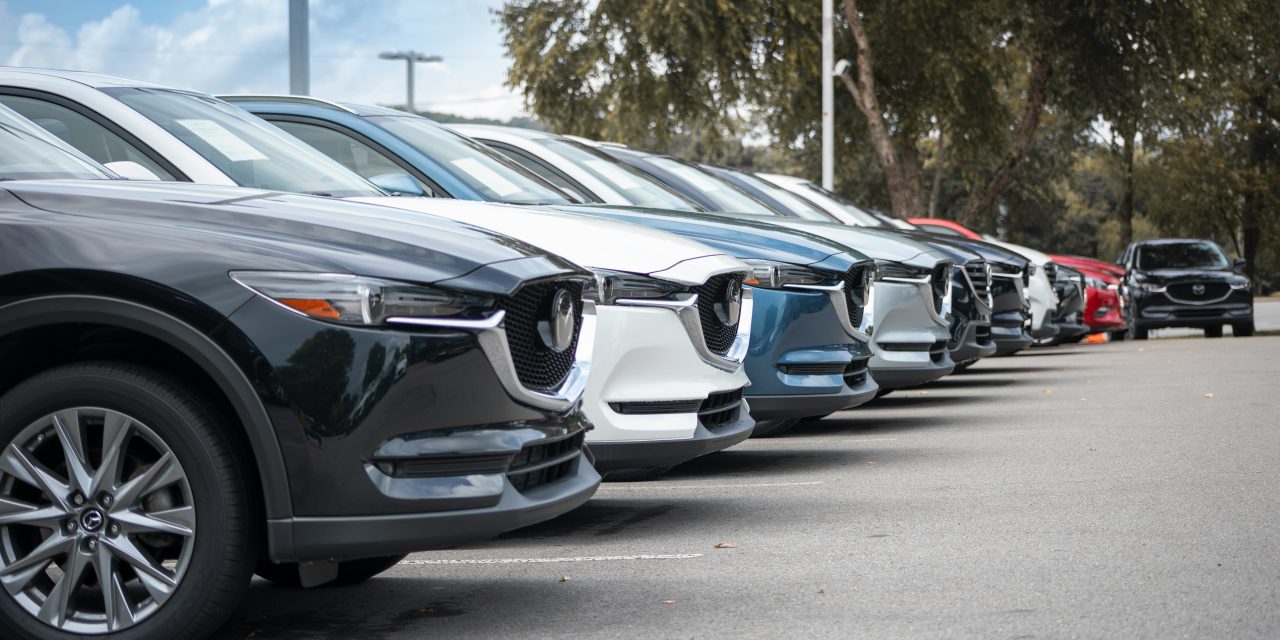
Purchasing a used car presents numerous advantages that can significantly impact your financial health and overall satisfaction with your vehicle choice. One of the most compelling benefits is the substantial cost savings associated with buying pre-owned. Typically, used cars depreciate at a slower rate compared to new vehicles, which can lose up to 20% of their value within the first year alone. This depreciation means that buyers can acquire a vehicle that is only a few years old at a fraction of the original price, allowing for more budget-friendly options without sacrificing quality.
Moreover, used cars often come with lower insurance premiums. Insurance companies calculate premiums based on the vehicle’s value; thus, a less expensive used car generally results in lower monthly payments. Additionally, many certified pre-owned programs offer warranties that provide peace of mind, ensuring that buyers are protected against unexpected repairs. This combination of lower purchase prices and reduced insurance costs makes used cars an attractive option for budget-conscious consumers.
When considering the purchase of a used car, understanding how to calculate your monthly payments is crucial for budgeting effectively. For a comprehensive guide on this topic, you can refer to the article that explains the various factors involved in determining your monthly car payments, including interest rates, loan terms, and down payments. This information can help you make informed financial decisions. To learn more, visit this link: How to Calculate Monthly Payments on a Used Car.
Researching the Right Make and Model for Your Needs
Before diving into the used car market, it is crucial to conduct thorough research on various makes and models that align with your specific needs and preferences. Begin by identifying your primary requirements, such as passenger capacity, fuel efficiency, and intended use (e.g., commuting, family trips, or off-road adventures). Websites like Edmunds and Kelley Blue Book provide valuable insights into vehicle reliability ratings, owner satisfaction scores, and expert reviews, which can guide your decision-making process.
Once you have narrowed down your options, consider factors such as maintenance costs and availability of parts. Some brands are known for their longevity and lower repair costs, while others may require more frequent servicing or expensive components. Engaging in discussions with current owners through forums or social media groups can also provide firsthand experiences that may influence your choice. Ultimately, selecting the right make and model is essential for ensuring long-term satisfaction with your vehicle.
Inspecting the Vehicle’s Condition Thoroughly

A meticulous inspection of a used car is paramount to avoid potential pitfalls associated with hidden defects or previous damage. Begin by examining the exterior for any signs of rust, dents, or mismatched paint, which could indicate prior accidents or poor maintenance. Pay close attention to the condition of the tires; uneven wear may suggest alignment issues or suspension problems. Additionally, inspect the undercarriage for any leaks or corrosion that could lead to costly repairs down the line.
Moving to the interior, check for signs of wear and tear on upholstery, dashboard components, and electronic systems. Ensure that all features function correctly, including air conditioning, heating, and infotainment systems. It is advisable to bring along a trusted mechanic or knowledgeable friend who can provide an objective assessment of the vehicle’s condition. A thorough inspection not only helps identify potential issues but also empowers you during negotiations by providing leverage if repairs are needed.
Checking the Vehicle History Report

Obtaining a comprehensive vehicle history report is an essential step in the used car buying process. Services like Carfax and AutoCheck compile data from various sources to provide insights into a vehicle’s past, including accident history, title status, service records, and odometer readings. This report can reveal critical information that may not be apparent during a physical inspection.
When reviewing the report, pay close attention to any accidents listed, as well as whether the vehicle has a clean title or has been salvaged due to significant damage. Additionally, verify that the mileage aligns with what the seller claims; discrepancies may indicate odometer tampering. A thorough examination of the vehicle history report can help you make an informed decision and avoid purchasing a car with hidden problems.
When considering the purchase of a used car, understanding how to calculate monthly payments is crucial for budgeting effectively. To assist you in this process, you might find it helpful to explore a related article that provides insights on managing finances, which can be beneficial when making such a significant investment. For more information, check out this guide on how to give a large dog a bath at home, as it offers practical tips that can be applied to various aspects of life, including financial planning. You can read it here.
Taking a Test Drive: What to Look For
A test drive is an invaluable opportunity to assess how well a used car meets your expectations in real-world conditions. During this process, focus on several key aspects to ensure that the vehicle performs optimally. Start by evaluating the engine’s responsiveness; it should start smoothly without any unusual noises or vibrations. Pay attention to how the transmission shifts; it should transition seamlessly without hesitation or jerking.
While driving, assess the handling and braking capabilities of the vehicle. The steering should feel responsive and precise, while brakes should engage smoothly without any grinding sounds or pulling to one side. Additionally, test various features such as air conditioning and infotainment systems to ensure they function correctly. A comprehensive test drive allows you to gauge comfort levels and overall driving experience before making a commitment.
When considering the purchase of a used car, understanding how to calculate monthly payments is crucial for budgeting effectively. You can find a helpful guide on this topic that breaks down the various factors involved in determining your monthly payment, including interest rates and loan terms. For more detailed insights, check out this related article on calculating car payments. This information can empower you to make informed financial decisions and ensure that you choose a vehicle that fits your budget.
Negotiating the Best Price with the Seller
Negotiation is a critical component of purchasing a used car, as it can lead to significant savings on your final price. Begin by researching the fair market value of the vehicle using resources like Kelley Blue Book or Edmunds to establish a baseline for negotiations. Armed with this information, approach the seller with confidence and be prepared to discuss any concerns identified during your inspection or test drive.
When negotiating, maintain a respectful demeanor while clearly articulating your reasons for requesting a lower price. Highlight any repairs needed or discrepancies found in the vehicle history report as leverage in your discussions. Be willing to walk away if the seller is unwilling to meet your price; this demonstrates your seriousness about finding a fair deal. Ultimately, effective negotiation skills can lead to substantial savings on your used car purchase.
Reviewing the Paperwork and Title Transfer Process
Once you have agreed on a price with the seller, it is essential to review all paperwork meticulously before finalizing the transaction. Ensure that you receive a bill of sale that includes pertinent details such as the vehicle identification number (VIN), purchase price, and both parties’ signatures. This document serves as proof of ownership transfer and is crucial for registration purposes.
Additionally, verify that the seller provides a clean title free of liens or encumbrances. The title should be signed over to you upon completion of the sale; ensure that all necessary information is accurately filled out to facilitate a smooth transfer process at your local Department of Motor Vehicles (DMV). Familiarize yourself with state-specific requirements for title transfers and registration to avoid any complications after your purchase.
Exploring Financing Options for Used Cars
Financing plays a significant role in purchasing a used car for many buyers who may not have sufficient cash reserves available upfront. Various financing options exist, including traditional bank loans, credit unions, and dealership financing programs. Each option has its advantages and disadvantages; therefore, it is essential to compare interest rates and terms before making a decision.
When considering financing through a dealership, be cautious about potential markups on interest rates compared to what you might secure independently through banks or credit unions. Obtaining pre-approval from lenders can provide you with leverage during negotiations and help you establish a budget for your purchase. Additionally, consider factors such as loan duration and monthly payments when evaluating financing options to ensure they align with your financial goals.
How to Calculate Your Monthly Car Payments Accurately
Calculating monthly car payments accurately is crucial for budgeting purposes and ensuring that you do not overextend yourself financially. To determine your monthly payment amount, consider factors such as the loan amount, interest rate, and loan term (in months). Utilize online calculators available on financial websites to simplify this process; inputting these variables will yield an estimated monthly payment.
Additionally, factor in any down payment you plan to make; this will reduce the overall loan amount and subsequently lower your monthly payments. It is also wise to account for taxes and fees associated with purchasing a vehicle when calculating total costs. By understanding how monthly payments are derived, you can make informed decisions regarding financing options that fit within your budget.
Factoring in Insurance and Maintenance Costs
When budgeting for a used car purchase, it is essential to consider ongoing expenses such as insurance premiums and maintenance costs. Insurance rates vary significantly based on factors like vehicle make and model, driver history, and coverage levels chosen. Obtaining quotes from multiple insurance providers can help you identify competitive rates that align with your budget.
Maintenance costs are another critical consideration; some vehicles require more frequent servicing or specialized parts than others. Researching average maintenance costs for specific makes and models can provide insight into potential long-term expenses associated with ownership. By factoring in these ongoing costs alongside your monthly payments, you can develop a comprehensive budget that ensures financial stability throughout your ownership experience.
Finalizing the Purchase and Preparing for Ownership
After completing all necessary negotiations and paperwork reviews, you are ready to finalize your purchase and prepare for ownership of your used car. Ensure that you have secured adequate insurance coverage before driving off; most states require proof of insurance for registration purposes. Once insured, visit your local DMV to complete registration and obtain license plates.
As you transition into ownership, familiarize yourself with routine maintenance schedules outlined in the owner’s manual to keep your vehicle in optimal condition. Establishing a relationship with a trusted mechanic can also be beneficial for addressing any future repairs or servicing needs promptly. By taking these proactive steps after purchasing your used car, you can enjoy peace of mind knowing that you are well-prepared for responsible ownership.
In summary, buying a used car offers numerous benefits including cost savings and lower insurance premiums while requiring thorough research and inspection processes to ensure quality purchases. By understanding financing options and accurately calculating monthly payments alongside ongoing expenses like insurance and maintenance costs, buyers can make informed decisions leading to successful ownership experiences.
FAQs
What factors influence the monthly payment on a used car?
The monthly payment on a used car is influenced by several factors including the car’s purchase price, the interest rate on the loan, the loan term (length of the loan), the down payment amount, and any trade-in value. Additionally, taxes and fees can also affect the total amount financed, which in turn impacts the monthly payment.
How do I calculate the monthly payment for a used car loan?
To calculate the monthly payment for a used car loan, you can use the formula: M = P[r(1 + r)^n] / [(1 + r)^n – 1], where M is the monthly payment, P is the loan amount, r is the monthly interest rate (annual rate divided by 12), and n is the number of payments (loan term in months). Alternatively, you can use online calculators for a quicker estimate.
What is the typical interest rate for used car loans?
The typical interest rate for used car loans can vary widely based on factors such as credit score, loan term, and lender policies. As of late 2023, interest rates for used car loans generally range from about 4% to 10% for borrowers with good credit, but rates can be higher for those with lower credit scores.
Is it better to make a larger down payment on a used car?
Yes, making a larger down payment on a used car can be beneficial as it reduces the amount you need to finance, which in turn lowers your monthly payments and the total interest paid over the life of the loan. A larger down payment can also improve your chances of loan approval and may result in a better interest rate.
Are there any additional costs to consider when calculating monthly payments?
Yes, when calculating monthly payments for a used car, it’s important to consider additional costs such as sales tax, registration fees, insurance, and maintenance costs. These expenses can significantly impact your overall budget and should be factored into your financial planning when purchasing a vehicle.