Excessive underarm sweating, clinically known as axillary hyperhidrosis, is a condition characterized by an abnormal increase in perspiration in the underarm area. This phenomenon can occur without any apparent triggers, leading to significant discomfort and social anxiety for those affected. The underlying causes of this condition can be multifaceted, ranging from genetic predisposition to hormonal fluctuations. In some cases, hyperhidrosis may be secondary to other medical conditions such as hyperthyroidism, diabetes, or infections.
Symptoms of excessive sweating extend beyond mere moisture; they often include skin irritation, body odor, and emotional distress. Individuals may find themselves frequently changing clothes or avoiding social situations due to embarrassment. The psychological impact can be profound, leading to anxiety and depression in severe cases. Understanding these symptoms is crucial for effective management and treatment.
If you’re struggling with excessive underarm sweating, you might find it helpful to explore various solutions and tips available online. One related article that offers practical advice on managing this issue can be found here: How to Stop Excessive Underarm Sweating. This resource provides insights into effective treatments and lifestyle changes that can help you regain confidence and comfort.
Maintain Proper Hygiene to Reduce Sweat and Odor
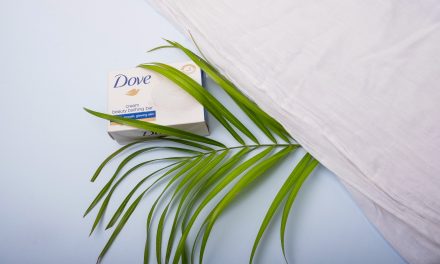
Maintaining proper hygiene is paramount in managing excessive underarm sweating and its associated odors. Regular bathing with antibacterial soap can help eliminate bacteria that thrive in moist environments, thereby reducing odor. It is advisable to shower at least once daily, particularly after engaging in physical activities that induce sweating. Additionally, thoroughly drying the underarm area post-bath can prevent moisture accumulation, which is conducive to bacterial growth.
Incorporating the use of talcum powder or cornstarch can further assist in absorbing excess moisture throughout the day. These products create a barrier that helps keep the skin dry and minimizes friction, which can exacerbate sweating. Regularly changing clothing, especially after sweating, is also essential to maintain freshness and comfort.
Choose the Right Antiperspirant for Maximum Effectiveness
Selecting an appropriate antiperspirant is critical for individuals struggling with excessive sweating. Antiperspirants work by blocking sweat glands with aluminum-based compounds, thereby reducing perspiration. For maximum effectiveness, individuals should opt for clinical-strength formulations that contain higher concentrations of active ingredients. These products are specifically designed for those experiencing hyperhidrosis and can provide longer-lasting protection.
Application techniques also play a significant role in the efficacy of antiperspirants. It is recommended to apply the product at night before bedtime when sweat glands are less active. This allows the active ingredients to penetrate the skin effectively. Additionally, individuals should avoid applying antiperspirants immediately after shaving, as this can lead to skin irritation.
Wear Breathable, Loose-Fitting Clothing
The choice of clothing can significantly influence the severity of excessive sweating. Wearing breathable fabrics such as cotton, linen, or moisture-wicking materials allows for better air circulation and helps regulate body temperature. Loose-fitting garments are preferable as they reduce friction against the skin and promote evaporation of sweat.
Avoiding synthetic fabrics like polyester or nylon is advisable since these materials trap heat and moisture against the skin, exacerbating sweating. Additionally, opting for lighter colors can help reflect sunlight and keep the body cooler. Layering clothing can also be beneficial; wearing a breathable undershirt beneath outer garments can absorb sweat before it reaches outer layers.
If you’re struggling with excessive underarm sweating, you might find it helpful to explore various methods to manage this condition effectively. One useful resource is an article that provides insights on how to stop excessive underarm sweating, offering practical tips and solutions. Additionally, if you’re interested in gardening, you can check out this informative piece on how to grow vibrant zinnias from seed successfully, which can serve as a delightful distraction while you work on managing your sweating issues. For more information, you can read the article here.
Apply Natural Remedies to Calm Sweat Glands
Natural remedies can serve as adjuncts to conventional treatments for excessive sweating. Ingredients such as witch hazel and apple cider vinegar possess astringent properties that can help tighten pores and reduce perspiration. Applying diluted apple cider vinegar directly to the underarm area may provide relief from excessive sweating while also combating odor.
Another effective natural remedy is sage tea, known for its ability to regulate sweat production due to its antiperspirant properties. Drinking sage tea regularly or using it as a topical application can yield positive results. Essential oils such as lavender or tea tree oil may also be beneficial due to their antibacterial properties and pleasant scents.
Manage Stress and Anxiety to Control Sweating
Stress and anxiety are significant contributors to excessive sweating for many individuals. When the body perceives stress, it activates the sympathetic nervous system, leading to increased perspiration as part of the fight-or-flight response. Therefore, managing stress through relaxation techniques such as deep breathing exercises, yoga, or meditation can be instrumental in controlling sweating episodes.
Cognitive-behavioral therapy (CBT) may also be beneficial for those whose sweating is exacerbated by anxiety or social situations. By addressing the underlying psychological factors contributing to excessive sweating, individuals may experience a reduction in symptoms over time.
Stay Hydrated to Regulate Body Temperature
Hydration plays a crucial role in regulating body temperature and managing sweat production. When the body is adequately hydrated, it functions more efficiently, reducing the need for excessive perspiration as a cooling mechanism. It is recommended that individuals consume at least eight 8-ounce glasses of water daily; however, this amount may vary based on activity level and environmental conditions.
In addition to water, incorporating hydrating foods such as cucumbers, watermelon, and oranges into one’s diet can further enhance hydration levels. Staying hydrated not only aids in temperature regulation but also promotes overall health and well-being.
Adjust Your Diet to Minimize Sweat Triggers
Dietary choices can significantly influence sweat production. Certain foods and beverages are known to trigger excessive sweating due to their stimulating effects on the body’s metabolism or nervous system. Spicy foods containing capsaicin can induce sweating as they raise body temperature temporarily. Similarly, caffeine and alcohol are stimulants that may exacerbate perspiration.
To minimize sweat triggers, individuals should consider adopting a balanced diet rich in fruits, vegetables, whole grains, and lean proteins while limiting processed foods high in sugar and unhealthy fats. Keeping a food diary may help identify specific dietary triggers that contribute to excessive sweating.
Use Absorbent Pads or Sweat Shields for Immediate Relief
For immediate relief from excessive underarm sweating, absorbent pads or sweat shields can be invaluable tools. These products are designed to be worn discreetly under clothing and effectively absorb moisture before it reaches outer garments. They come in various sizes and materials, allowing individuals to choose options that best suit their needs.
Using absorbent pads not only helps maintain comfort but also boosts confidence by preventing visible sweat stains on clothing. Regularly changing these pads throughout the day ensures optimal effectiveness and hygiene.
Consider Medical Treatments for Severe Cases
For individuals experiencing severe cases of hyperhidrosis that do not respond to lifestyle modifications or over-the-counter treatments, medical interventions may be necessary. Options include prescription-strength antiperspirants containing aluminum chloride hexahydrate or iontophoresis—a procedure that uses electrical currents to temporarily block sweat glands.
Botulinum toxin injections (Botox) have also gained popularity as a treatment for excessive sweating by blocking nerve signals responsible for activating sweat glands. This treatment typically lasts several months before requiring repeat sessions.
In more extreme cases, surgical options such as sympathectomy may be considered. This procedure involves cutting nerves responsible for triggering sweat production; however, it carries risks and potential side effects that must be carefully weighed against benefits.
When to Consult a Doctor About Excessive Sweating
Consulting a healthcare professional is advisable when excessive sweating interferes with daily life or causes significant distress. A thorough evaluation can help determine whether hyperhidrosis is primary (idiopathic) or secondary to an underlying medical condition requiring treatment.
Individuals should seek medical advice if they experience sudden changes in sweating patterns, night sweats accompanied by fever or weight loss, or if excessive sweating occurs in conjunction with other concerning symptoms such as palpitations or shortness of breath.
In summary, excessive underarm sweating is a multifaceted condition that requires a comprehensive approach for effective management. By understanding its causes and symptoms, maintaining proper hygiene, selecting appropriate antiperspirants, wearing breathable clothing, utilizing natural remedies, managing stress levels, staying hydrated, adjusting dietary habits, employing absorbent products, considering medical treatments when necessary, and knowing when to consult a doctor, individuals can significantly improve their quality of life while minimizing discomfort associated with hyperhidrosis.
FAQs
What causes excessive underarm sweating?
Excessive underarm sweating, also known as axillary hyperhidrosis, can be caused by a variety of factors including genetics, hormonal changes, stress, anxiety, and certain medical conditions. It occurs when the sweat glands become overactive, leading to more sweat production than is necessary for temperature regulation.
What are some effective home remedies for excessive underarm sweating?
Some effective home remedies include using natural antiperspirants made from baking soda or cornstarch, applying apple cider vinegar to the underarms, and using witch hazel as a natural astringent. Additionally, maintaining good hygiene and wearing breathable fabrics can help manage symptoms.
When should I see a doctor about my sweating issue?
If excessive sweating interferes with your daily activities, causes significant distress, or is accompanied by other symptoms such as weight loss or fever, it is advisable to consult a healthcare professional. They can help determine if there is an underlying medical condition that needs to be addressed.
What medical treatments are available for excessive underarm sweating?
Medical treatments for excessive underarm sweating include prescription antiperspirants, Botox injections, iontophoresis (a procedure that uses electrical currents), and in severe cases, surgical options such as sympathectomy, which involves cutting nerves that trigger sweating.
Can lifestyle changes help reduce excessive underarm sweating?
Yes, lifestyle changes can significantly help reduce excessive underarm sweating. Staying hydrated, managing stress through relaxation techniques, avoiding spicy foods and caffeine, and wearing loose-fitting, moisture-wicking clothing can all contribute to better sweat management.