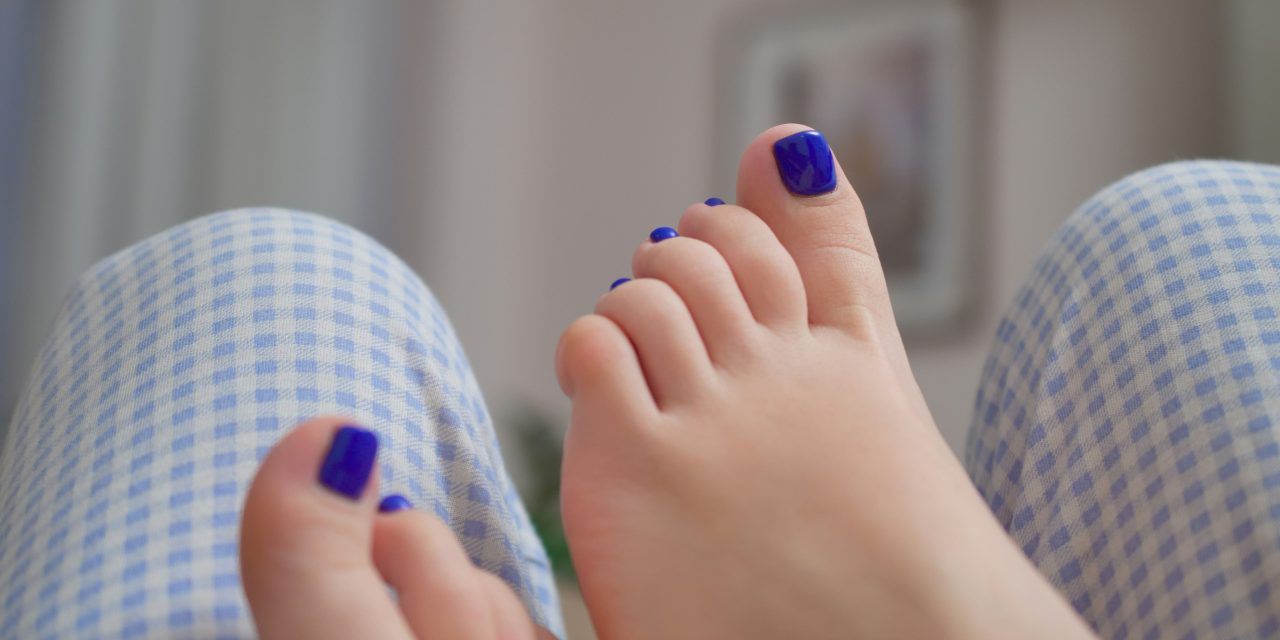
Foot calluses are thickened areas of skin that develop as a protective response to friction, pressure, or irritation. These hardened patches typically form on the soles of the feet, particularly on weight-bearing areas such as the heels and balls of the feet. The primary cause of callus formation is repetitive stress, which can arise from various factors including ill-fitting footwear, prolonged standing, or certain physical activities. Individuals who engage in sports or manual labor are particularly susceptible to developing calluses due to the increased pressure on their feet.
Symptoms of foot calluses can vary in severity. Initially, they may present as small, rough patches that are slightly raised above the surrounding skin. As they progress, calluses can become more pronounced, leading to discomfort or pain during walking or standing. In some cases, calluses may crack, resulting in fissures that can become infected if not properly managed. Recognizing these symptoms early is crucial for effective treatment and prevention.
If you’re looking for effective ways to get rid of foot calluses at home, you might find it helpful to explore various home remedies and techniques that can provide relief and improve foot health. For additional insights into pet care, particularly concerning senior dogs and their nighttime behaviors, you can read this related article on the common causes of pacing: Why is my senior dog pacing at night? Common causes.
Why It’s Important to Treat Calluses Early
Addressing foot calluses promptly is essential for several reasons. Firstly, untreated calluses can lead to increased discomfort and pain, which may hinder mobility and affect daily activities. Over time, the thickened skin can become more rigid and less pliable, making it increasingly difficult to alleviate pressure during movement. This can create a cycle of discomfort that exacerbates the condition.
Moreover, early intervention can prevent complications such as infections or ulcerations. Cracked calluses can serve as entry points for bacteria, leading to cellulitis or other skin infections. For individuals with underlying health conditions such as diabetes or peripheral vascular disease, the risks associated with untreated calluses are significantly heightened. Therefore, timely treatment not only alleviates discomfort but also safeguards overall foot health.
Soaking Your Feet: The First Step to Softening Calluses

Soaking your feet is an effective initial step in managing calluses. This process helps to soften the hardened skin, making it easier to exfoliate and treat. To soak your feet, fill a basin with warm water and add Epsom salts or essential oils for added benefits. Soaking for approximately 15-20 minutes allows the skin to absorb moisture and become more pliable.
After soaking, it is advisable to gently pat your feet dry with a clean towel. This step is crucial as it prepares the skin for subsequent treatments. Regular foot soaks can also promote relaxation and improve circulation, contributing to overall foot health. Incorporating this practice into your routine can significantly enhance the effectiveness of other treatments aimed at reducing callus formation.
Using a Pumice Stone for Gentle Exfoliation

Once your feet have been soaked and softened, utilizing a pumice stone is an excellent method for gentle exfoliation. This natural volcanic rock is specifically designed to remove dead skin cells without causing damage to the underlying tissue. To use a pumice stone effectively, gently rub it over the callused areas in circular motions or back-and-forth strokes.
It is important to apply light pressure during this process to avoid irritation or injury. After exfoliating, rinse your feet with clean water and dry them thoroughly. Regular use of a pumice stone can significantly reduce the thickness of calluses over time, promoting smoother skin and enhancing comfort during daily activities.
If you’re looking for effective ways to get rid of foot calluses at home, you might find it helpful to explore various methods that can make the process easier. One useful resource is an article that discusses how to use a flea comb on dogs and cats, which highlights the importance of proper grooming techniques. You can read more about it here. While the focus is on pets, the principles of careful and consistent care can also be applied to your own foot health, ensuring you maintain smooth and healthy skin.
Applying Moisturizers to Keep Skin Soft
Moisturizing is a critical component of foot care that should not be overlooked when managing calluses. After exfoliating, applying a high-quality moisturizer helps to hydrate the skin and prevent further thickening of calluses. Look for products containing urea or salicylic acid, as these ingredients are particularly effective in softening tough skin.
To maximize the benefits of moisturizers, consider applying them before bedtime and wearing cotton socks overnight. This practice allows the moisturizer to penetrate deeply into the skin while you sleep, resulting in softer and more supple feet by morning. Consistent moisturizing not only aids in callus management but also enhances overall foot health by preventing dryness and cracking.
If you’re looking for effective ways to get rid of foot calluses at home, you might find it helpful to explore various methods that can soften and remove the hardened skin. One useful resource discusses how to handle unexpected situations, such as when you accidentally cut your dog’s nail too short, which can also relate to the importance of proper foot care. For more information, you can read the article here.
Homemade Remedies: Natural Ingredients to Try
For those seeking natural alternatives to commercial products, several homemade remedies can effectively address foot calluses. One popular option is a mixture of lemon juice and baking soda. The acidity of lemon juice helps to break down hardened skin while baking soda acts as a gentle exfoliant. Combine equal parts of both ingredients to create a paste and apply it directly to the callused areas for 15-20 minutes before rinsing off.
Another effective remedy involves using apple cider vinegar due to its acidic properties that soften tough skin. Soak a cotton ball in apple cider vinegar and secure it onto the callus with a bandage overnight. In the morning, gently exfoliate with a pumice stone or foot file for optimal results. These natural remedies can be incorporated into your foot care routine as an adjunct to other treatments.
Wearing Proper Footwear to Prevent Calluses
Preventing foot calluses begins with wearing appropriate footwear that provides adequate support and cushioning. Shoes that are too tight or lack proper arch support can contribute significantly to friction and pressure on the feet, leading to callus formation. It is essential to choose shoes that fit well and allow for natural movement without constriction.
Additionally, consider selecting footwear made from breathable materials that wick moisture away from the skin. This helps reduce sweat accumulation, which can exacerbate friction and irritation. For individuals who spend long hours on their feet, investing in orthotic insoles may provide additional support and cushioning, further minimizing the risk of developing calluses.
Using Over-the-Counter Callus Removers Safely
Over-the-counter (OTC) callus removers can be effective tools for managing foot calluses when used correctly. These products typically contain active ingredients such as salicylic acid or glycolic acid that work by dissolving dead skin cells and promoting exfoliation. When using OTC removers, it is crucial to follow the manufacturer’s instructions carefully to avoid potential side effects such as irritation or chemical burns.
Before applying any product, ensure that your feet are clean and dry. Apply the remover directly onto the affected area and allow it to sit for the recommended duration before rinsing off thoroughly. It is advisable to limit usage to once or twice a week to prevent over-exfoliation and maintain healthy skin integrity.
Regular Foot Care Routine to Maintain Smooth Skin
Establishing a regular foot care routine is vital for maintaining smooth skin and preventing the recurrence of calluses. This routine should include daily cleansing, moisturizing, and periodic exfoliation using tools such as pumice stones or foot files. Additionally, incorporating foot soaks into your weekly regimen can enhance hydration and promote relaxation.
Consider scheduling regular pedicures or self-care sessions where you dedicate time solely to foot maintenance. This not only improves the appearance of your feet but also allows you to monitor any changes in skin condition closely. By prioritizing foot care as part of your overall wellness routine, you can significantly reduce the likelihood of developing painful calluses.
When to See a Doctor for Persistent Calluses
While many cases of foot calluses can be managed at home, there are instances when professional medical intervention is necessary. If you notice persistent pain, swelling, or signs of infection such as redness or discharge around the callused area, it is crucial to seek medical attention promptly. Additionally, individuals with diabetes or circulatory issues should consult a healthcare provider if they experience any changes in their foot condition.
A podiatrist can provide specialized care tailored to your specific needs, including prescription treatments or custom orthotics designed to alleviate pressure on affected areas. Early intervention by a medical professional can prevent complications and ensure optimal foot health.
Tips to Prevent Calluses from Returning
To prevent the recurrence of foot calluses after successful treatment, consider implementing several proactive strategies into your daily routine. First and foremost, prioritize proper footwear that fits well and provides adequate support for your activities. Regularly assess your shoes for signs of wear or inadequate cushioning.
Incorporate daily foot care practices such as cleansing and moisturizing into your routine to maintain skin integrity and hydration levels. Additionally, consider using protective pads or insoles in areas prone to friction during physical activities or prolonged standing.
Lastly, remain vigilant about monitoring any changes in your feet over time. Early detection of potential issues allows for timely intervention and reduces the risk of developing painful calluses in the future.
In summary, understanding foot calluses involves recognizing their causes and symptoms while emphasizing the importance of early treatment. Soaking feet, using pumice stones for exfoliation, applying moisturizers, exploring homemade remedies, wearing proper footwear, utilizing OTC removers safely, maintaining a regular foot care routine, knowing when to seek medical help, and implementing preventive measures are all essential components in managing this common condition effectively. By prioritizing foot health through these strategies, individuals can enjoy smoother skin and enhanced comfort in their daily lives.
FAQs
What are foot calluses and what causes them?
Foot calluses are thickened areas of skin that develop in response to repeated friction, pressure, or irritation. They commonly form on the soles of the feet and can be caused by factors such as ill-fitting shoes, walking barefoot, or certain foot deformities. The body produces extra skin cells to protect the underlying tissues, resulting in calluses.
How can I safely remove calluses at home?
To safely remove calluses at home, you can soak your feet in warm, soapy water for about 10-15 minutes to soften the skin. After soaking, gently exfoliate the callused area using a pumice stone or foot file. Be careful not to remove too much skin, as this can lead to injury or infection. After exfoliating, apply a moisturizer to keep the skin hydrated.
Are there any home remedies for treating foot calluses?
Yes, several home remedies can help treat foot calluses. Common options include applying a mixture of lemon juice and vinegar to soften the callus, using aloe vera gel for its soothing properties, or applying a mixture of baking soda and water to exfoliate. Regularly moisturizing your feet with creams containing urea or salicylic acid can also help prevent calluses from forming.
How often should I treat my foot calluses?
It is generally recommended to treat foot calluses once a week to maintain smooth skin. However, if you have particularly thick calluses, you may need to exfoliate more frequently. Always monitor your feet for any signs of irritation or infection, and adjust your treatment routine accordingly.
When should I see a doctor about my foot calluses?
You should see a doctor if your calluses become painful, show signs of infection (such as redness, swelling, or pus), or if you have underlying health conditions like diabetes that could complicate foot care. A healthcare professional can provide appropriate treatment options and advice tailored to your specific needs.