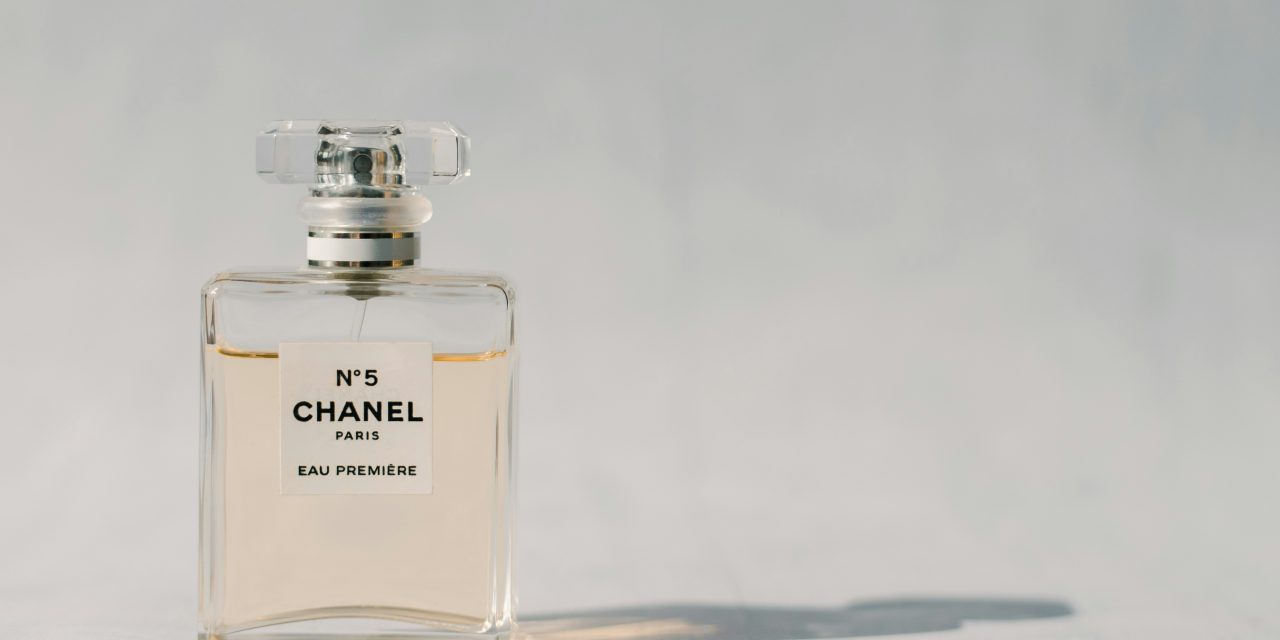
Fragrance has long been an integral part of human culture, serving not only as a means of personal expression but also as a reflection of societal norms and individual identity. Among the myriad of fragrance options available, Eau de Parfum and Parfum (also known as Extrait de Parfum) stand out as two of the most popular choices. Both forms offer unique olfactory experiences, yet they differ significantly in terms of concentration, longevity, and overall impact. Understanding these differences is essential for anyone looking to select the perfect scent that aligns with their personal preferences and lifestyle.
The world of perfumery is rich with history and complexity, encompassing a wide range of ingredients, techniques, and classifications. As consumers become increasingly discerning about their fragrance choices, it is crucial to delve deeper into the nuances that separate Eau de Parfum from Parfum. This exploration will not only enhance your appreciation for these aromatic creations but also empower you to make informed decisions when selecting a fragrance that resonates with your individuality.
When exploring the differences between eau de parfum and parfum, it’s essential to consider how fragrance can enhance our daily lives, much like creating a beautiful garden can. For those interested in cultivating a space that attracts pollinators while enjoying delightful scents, you might find this article on building a pollinator garden helpful: 10 Easy Steps to Build a Pollinator Garden from Scratch. Both fragrance and gardening offer unique ways to engage with nature and elevate our surroundings.
Understanding Fragrance Concentrations
Fragrance concentrations are pivotal in determining the overall character and performance of a scent. The concentration refers to the percentage of aromatic compounds present in a fragrance formulation, which directly influences its intensity, longevity, and projection. In general, fragrances can be categorized into several types based on their concentration levels: Parfum (Extrait de Parfum), Eau de Parfum, Eau de Toilette, and Eau de Cologne.
Parfum typically contains the highest concentration of fragrance oils, ranging from 20% to 40%. This high concentration results in a more potent scent that can last for several hours or even an entire day. In contrast, Eau de Parfum usually contains between 15% to 20% fragrance oils, offering a slightly lighter scent profile while still providing substantial longevity. Understanding these distinctions is essential for consumers who wish to select a fragrance that aligns with their desired intensity and duration.
What Is Eau de Parfum?

Eau de Parfum is a popular fragrance category that strikes a balance between intensity and wearability. With a concentration of 15% to 20% aromatic compounds, Eau de Parfum offers a rich olfactory experience without being overwhelmingly potent. This makes it an ideal choice for everyday wear, as it provides a lasting scent that can transition seamlessly from day to night.
The composition of Eau de Parfum typically includes top, middle, and base notes, which work together to create a harmonious scent profile. Top notes are the initial scents perceived upon application, often characterized by their freshness and volatility. Middle notes emerge as the top notes fade, providing depth and complexity to the fragrance. Finally, base notes anchor the scent, offering lasting warmth and richness. This layered structure allows Eau de Parfum to evolve over time, creating a dynamic olfactory experience that captivates the senses.
What Is Parfum (Extrait de Parfum)?

Parfum, also known as Extrait de Parfum, represents the pinnacle of fragrance concentration, boasting an impressive 20% to 40% concentration of aromatic compounds. This high level of concentration results in an exceptionally rich and luxurious scent experience that is often reserved for special occasions or evening wear. The intensity of Parfum allows it to linger on the skin for extended periods, often lasting well into the next day.
The formulation of Parfum is meticulously crafted to ensure that each note harmonizes beautifully with the others. The high concentration of fragrance oils means that the scent is more potent and requires less product for application. As a result, users can enjoy a more profound olfactory experience with just a few dabs or sprays. The complexity of Parfum often leads to a more nuanced scent evolution, allowing wearers to appreciate the intricate interplay between top, middle, and base notes over time.
When exploring the differences between eau de parfum and parfum, many fragrance enthusiasts often seek to understand which option is better suited for their preferences. A related article that provides valuable insights on maintaining a fresh and pleasant scent is available at this link, where you can discover tips on keeping your environment smelling delightful. Understanding the nuances of fragrance types can enhance your overall experience, making it essential to consider how each formulation interacts with your body chemistry.
Comparing Longevity: Which Lasts Longer?
When it comes to longevity, Parfum reigns supreme due to its higher concentration of aromatic compounds. While Eau de Parfum typically lasts between 4 to 8 hours on the skin, Parfum can extend its presence for 8 hours or more, depending on individual skin chemistry and environmental factors. This extended longevity makes Parfum an appealing choice for those who desire a fragrance that will endure throughout the day or evening without requiring frequent reapplication.
However, it is essential to note that longevity can vary significantly based on several factors, including skin type, climate conditions, and even the specific formulation of the fragrance itself. For instance, individuals with oily skin may find that fragrances last longer on their skin compared to those with dry skin. Additionally, warmer climates can enhance the diffusion of scents, potentially leading to quicker evaporation rates for lighter fragrances like Eau de Parfum.
When exploring the differences between eau de parfum and parfum, it’s essential to consider various factors that influence their appeal and longevity. For a deeper understanding of how these fragrance types compare, you might find this article on gnats in your house interesting, as it discusses how environmental factors can affect our experiences with scents. Ultimately, the choice between eau de parfum and parfum often comes down to personal preference and the specific occasions for which they are intended.
Scent Intensity and Projection Differences
Scent intensity refers to how strong or pronounced a fragrance is when applied, while projection describes how far the scent travels from the wearer. In general, Parfum offers greater intensity due to its higher concentration of fragrance oils. This results in a more pronounced scent that can fill a room without overwhelming those nearby.
Eau de Parfum, while still offering substantial intensity, tends to have a softer projection compared to its more concentrated counterpart. This makes it suitable for environments where a more subtle presence is preferred, such as professional settings or casual outings. Ultimately, the choice between Eau de Parfum and Parfum may depend on personal preferences regarding how noticeable one wishes their fragrance to be in various social contexts.
The Role of Ingredients in Fragrance Strength
The ingredients used in both Eau de Parfum and Parfum play a crucial role in determining their overall strength and character. High-quality essential oils and aroma compounds contribute significantly to the richness and complexity of a fragrance. Natural ingredients such as florals, spices, woods, and resins often provide depth and longevity to both types of fragrances.
Synthetic ingredients also play an essential role in modern perfumery by enhancing certain aspects of fragrances or providing stability and consistency in formulations. For example, synthetic musks can amplify base notes in both Eau de Parfum and Parfum formulations, resulting in enhanced longevity and projection. Understanding the interplay between natural and synthetic ingredients can help consumers appreciate the artistry behind their chosen fragrances.
How Skin Chemistry Affects Fragrance Performance
Skin chemistry is a critical factor influencing how fragrances perform on an individual’s skin. Factors such as pH levels, skin type (oily vs. dry), diet, hormonal fluctuations, and even medications can alter how a fragrance develops over time. For instance, individuals with oily skin may find that fragrances last longer due to the oil’s ability to hold onto scent molecules effectively.
Moreover, body temperature can also impact how fragrances project and evolve throughout the day. Warmer skin tends to enhance diffusion rates, allowing scents to become more pronounced in warmer climates or during physical activity. Conversely, cooler skin may result in fragrances being less intense or projecting less effectively. Understanding these nuances can help individuals select fragrances that harmonize well with their unique body chemistry.
Price Differences Between Eau de Parfum and Parfum
Price points between Eau de Parfum and Parfum can vary significantly due to differences in concentration levels and ingredient quality. Generally speaking, Parfum tends to be more expensive than Eau de Parfum due to its higher concentration of aromatic compounds and often more luxurious ingredients. The meticulous crafting process involved in creating high-quality Parfum also contributes to its elevated price tag.
Consumers should consider their budget when selecting between these two options while also weighing factors such as longevity and intensity against cost. Investing in a high-quality fragrance can yield long-term satisfaction if it aligns with personal preferences and lifestyle needs.
Choosing the Right Fragrance for Your Lifestyle
Selecting the right fragrance involves considering various factors such as personal preferences, lifestyle choices, and occasions for wear. For everyday use or casual outings, Eau de Parfum may be more suitable due to its balanced intensity and versatility. Its moderate longevity allows for easy reapplication without overwhelming those around you.
On the other hand, if you are seeking a signature scent for special occasions or evening events where you want to make an impression, investing in a high-quality Parfum may be worthwhile. Its rich complexity and extended longevity ensure that you leave a lasting impression without needing frequent touch-ups throughout the evening.
Which Fragrance Is Best for You?
Ultimately, choosing between Eau de Parfum and Parfum comes down to personal preference and lifestyle considerations. If you prefer a lighter scent that offers versatility for daily wear while still providing decent longevity, Eau de Parfum may be your best option. However, if you desire an intense fragrance experience that lasts throughout the day or evening with minimal reapplication required, then investing in a quality Parfum could be ideal.
Understanding the differences between these two categories empowers consumers to make informed decisions about their fragrance choices while appreciating the artistry behind each formulation. Whether you opt for Eau de Parfum or Parfum, embracing your unique olfactory journey will undoubtedly enhance your personal expression and leave an indelible mark on those around you.
In summary, both Eau de Parfum and Parfum offer distinct advantages depending on individual preferences regarding intensity, longevity, and occasion suitability. By considering factors such as skin chemistry and lifestyle needs alongside price points, consumers can confidently select fragrances that resonate with their identity while enhancing their overall experience with scent.
FAQs
What is the main difference between eau de parfum and parfum?
The main difference between eau de parfum and parfum lies in their concentration of fragrance oils. Parfum, also known as extrait de parfum, typically contains 20-30% fragrance oils, making it more concentrated and longer-lasting. In contrast, eau de parfum usually contains 15-20% fragrance oils, resulting in a lighter scent that may not last as long as parfum.
Which lasts longer, eau de parfum or parfum?
Parfum generally lasts longer than eau de parfum due to its higher concentration of fragrance oils. While eau de parfum can last anywhere from 4 to 8 hours, parfum can last up to 24 hours or more, depending on the specific formulation and skin chemistry.
Is eau de parfum less expensive than parfum?
Yes, eau de parfum is typically less expensive than parfum. The higher concentration of fragrance oils in parfum contributes to its higher price point. Additionally, the production process for parfum can be more complex, further increasing its cost.
Can you use eau de parfum and parfum interchangeably?
While you can use eau de parfum and parfum interchangeably, they may provide different experiences. Parfum offers a more intense and long-lasting scent, while eau de parfum is lighter and may be more suitable for everyday wear or warmer climates. Choosing between them depends on personal preference and the occasion.
Which is better for sensitive skin, eau de parfum or parfum?
Eau de parfum may be better for sensitive skin due to its lower concentration of fragrance oils, which can reduce the likelihood of irritation. However, individual reactions can vary, so it’s essential to test both types on a small area of skin before full application, regardless of the concentration.