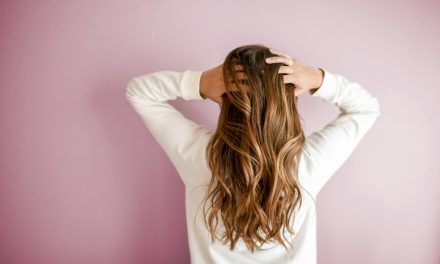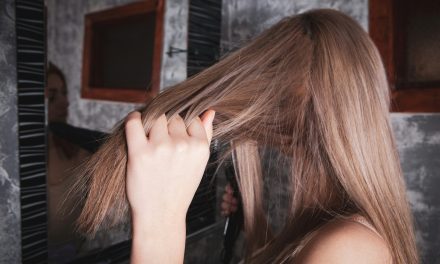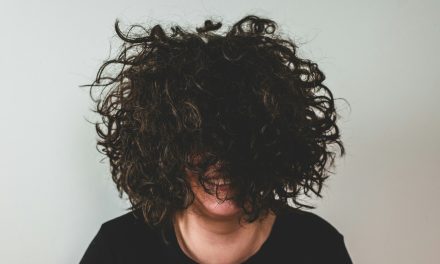
Understanding your hair type is the cornerstone of effective hair care. Hair can be categorized into various types based on its texture, porosity, and density. The primary classifications include straight, wavy, curly, and coily. Each type has unique characteristics that dictate how it responds to products and styling techniques. For instance, straight hair tends to be oilier due to the natural oils traveling down the hair shaft more easily, while curly hair may require more moisture due to its structure, which can trap oils and moisture.
Additionally, porosity plays a crucial role in determining how well your hair absorbs and retains moisture. Low-porosity hair resists moisture absorption, often requiring heat or specific products to penetrate the cuticle. Conversely, high-porosity hair absorbs moisture quickly but may also lose it just as fast, necessitating the use of heavier creams or oils to lock in hydration. Understanding these nuances allows for tailored hair care routines that cater specifically to individual needs, promoting healthier and more manageable hair.
If you’re looking for tips on how to keep your hair clean between washes, you might find it helpful to explore related articles that focus on personal care and organization. For instance, check out this article on 10 Easy Ways to Organize a Dresser with Deep Drawers Efficiently, which offers insights on maintaining a tidy space for your hair care products and other essentials. Keeping your products organized can make it easier to maintain your hair’s cleanliness and overall health.
Use Dry Shampoo Effectively
Dry shampoo has emerged as a revolutionary product for those seeking to extend the life of their hairstyles between washes. This powder or spray absorbs excess oil from the scalp and hair, providing a fresh appearance without the need for water. To use dry shampoo effectively, begin by shaking the canister or bottle to ensure even distribution of the product. Hold it approximately six to eight inches away from your scalp and section your hair to target oily areas directly.
After application, allow the dry shampoo to sit for a few minutes to absorb oil before massaging it into your scalp with your fingertips. This not only helps distribute the product evenly but also stimulates blood circulation in the scalp, promoting overall hair health. It is essential to choose a dry shampoo that matches your hair color to avoid any visible residue. Regular use can significantly reduce the frequency of washes, preserving natural oils and maintaining scalp health.
Avoid Over-Brushing

While brushing is often seen as a necessary step in hair care, over-brushing can lead to significant damage. Excessive brushing can cause breakage, split ends, and even lead to traction alopecia—a condition characterized by hair loss due to constant pulling on the hair follicles. It is crucial to understand that brushing should be done with intention and care. Instead of brushing your hair multiple times a day, focus on detangling gently when necessary.
Utilizing the right tools is equally important; a wide-tooth comb or a brush designed for your specific hair type can minimize damage. When detangling, start from the ends and work your way up to avoid unnecessary stress on the strands. Additionally, consider limiting brushing to once or twice daily and always ensure that your hair is dry before brushing to prevent breakage associated with wet strands.
Refresh with a Light Mist of Water

A light mist of water can work wonders for revitalizing tired or dull hair throughout the day. This technique is particularly beneficial for those with curly or wavy textures that may lose definition over time. Using a spray bottle filled with water, lightly mist your hair to rehydrate and refresh curls or waves without weighing them down. This method can also help reduce frizz by smoothing down the cuticle layer.
For added benefits, consider infusing your water with essential oils or leave-in conditioners that cater to your specific hair needs. Ingredients like aloe vera or coconut oil can provide additional moisture and nourishment while enhancing shine. This simple practice not only rejuvenates your hairstyle but also contributes to overall hair health by preventing dryness and brittleness.
Keeping your hair clean between washes can be a challenge, but there are several effective strategies to maintain freshness and volume. One helpful approach is to use dry shampoo, which can absorb excess oil and add texture to your hair. Additionally, incorporating a good brushing routine can help distribute natural oils and keep your scalp healthy. For more tips on maintaining overall cleanliness and health, you might find this article on feline care interesting, as it highlights the importance of hygiene in pets, which can be paralleled to our own grooming habits. Check it out here.
Apply a Lightweight Leave-In Conditioner
Incorporating a lightweight leave-in conditioner into your hair care routine can significantly enhance moisture retention and manageability. Unlike traditional conditioners that are rinsed out after application, leave-in conditioners remain in the hair, providing ongoing hydration throughout the day. When selecting a leave-in conditioner, look for formulations that contain ingredients such as glycerin, panthenol, or hydrolyzed proteins, which help strengthen and moisturize the hair.
To apply effectively, distribute a small amount of leave-in conditioner evenly through damp hair using your fingers or a wide-tooth comb. Focus on the mid-lengths and ends where dryness is most prevalent. This practice not only helps detangle but also creates a protective barrier against environmental stressors such as UV rays and pollution. Regular use of leave-in conditioners can lead to improved elasticity and reduced breakage over time.
If you’re looking for tips on how to keep your hair clean between washes, you might find it helpful to explore various methods that can refresh your locks without a full wash. One effective approach is using dry shampoo, which can absorb excess oil and add volume. Additionally, maintaining a healthy scalp can significantly contribute to the overall cleanliness of your hair. For more insights into maintaining hygiene, you can check out this article on why your dog might have bad breath even after dental care, as it highlights the importance of regular upkeep in both pets and humans. You can read it here: dog dental care.
Keep Your Scalp Clean and Healthy
A healthy scalp is fundamental for optimal hair growth and overall hair health. Regular cleansing helps remove product buildup, excess oil, and dead skin cells that can clog hair follicles and impede growth. It is essential to choose a shampoo that suits your scalp type—whether oily, dry, or sensitive—to maintain balance without stripping essential oils.
In addition to cleansing, consider incorporating scalp treatments into your routine. Ingredients like tea tree oil possess antimicrobial properties that can help combat dandruff and promote a healthy environment for hair growth. Massaging the scalp during washing not only enhances circulation but also promotes relaxation and stress relief. A clean scalp fosters an ideal foundation for healthy hair growth and minimizes issues such as itchiness or irritation.
Opt for Protective Hairstyles
Protective hairstyles are an excellent way to minimize damage while promoting growth by reducing manipulation and exposure to environmental stressors. Styles such as braids, twists, buns, or updos shield the ends of the hair from friction and breakage while allowing for versatility in appearance. These styles are particularly beneficial for individuals with textured or curly hair types that are more prone to dryness and damage.
When opting for protective styles, it is crucial to ensure that they are not too tight, as this can lead to traction alopecia over time. Additionally, consider alternating styles every few weeks to prevent stress on specific areas of the scalp. Incorporating regular moisturizing treatments while wearing protective styles will further enhance hydration levels and maintain overall health.
Use a Silk or Satin Pillowcase
The choice of pillowcase material can significantly impact hair health during sleep. Silk or satin pillowcases create a smoother surface compared to traditional cotton options, reducing friction that can lead to tangling and breakage overnight. These materials help retain moisture in the hair while minimizing frizz and static electricity.
Switching to silk or satin pillowcases not only benefits your hair but also enhances skin health by reducing creases and irritation caused by rough fabrics. To maximize these benefits, consider pairing silk pillowcases with a nighttime hair care routine that includes applying a light oil or serum before bed. This combination will ensure that you wake up with refreshed locks ready for styling.
Control Oil with Blotting Papers
For individuals with oily scalps or fine hair types prone to greasiness, using blotting papers can be an effective solution for managing excess oil throughout the day. These absorbent sheets are designed to lift away oil without disturbing your hairstyle or requiring a full wash. Simply press a blotting paper against the scalp in areas where oil accumulates most—typically around the crown or temples.
Incorporating this practice into your daily routine allows you to maintain a fresh appearance without compromising on style or health. Additionally, consider pairing this technique with dry shampoo for enhanced oil control when necessary. This dual approach ensures that you can confidently manage oiliness while preserving your hairstyle’s integrity.
Avoid Touching Your Hair Frequently
Frequent touching of the hair can lead to various issues such as increased oil production, breakage, and even scalp irritation due to transferred dirt and bacteria from hands. It is essential to cultivate awareness regarding how often you touch your locks throughout the day. Limiting contact not only helps maintain cleanliness but also reduces stress on individual strands.
To combat this habit, consider finding alternative ways to occupy your hands—such as fidget toys or stress balls—during moments of idle time. Additionally, styling your hair in ways that keep it off your face may reduce the temptation to touch it frequently. By minimizing contact with your hair, you promote healthier growth patterns and maintain overall integrity.
Maintain a Balanced Diet for Hair Health
Nutrition plays an integral role in promoting healthy hair growth and maintaining overall vitality. A balanced diet rich in vitamins, minerals, proteins, and healthy fats is essential for nourishing both the scalp and strands. Key nutrients include biotin (found in eggs), omega-3 fatty acids (found in fish), vitamin E (found in nuts), and zinc (found in legumes). These components contribute significantly to strengthening hair follicles and preventing premature shedding.
Incorporating a variety of fruits and vegetables into your meals ensures an adequate intake of antioxidants that combat oxidative stress—an underlying factor in premature aging of both skin and hair. Staying hydrated is equally important; drinking sufficient water supports overall bodily functions while promoting moisture retention in both skin and scalp.
In summary, understanding your unique hair type is crucial for developing an effective care routine tailored specifically for you. Utilizing products like dry shampoo effectively can extend hairstyles between washes while avoiding over-brushing minimizes damage significantly. Refreshing with water misting techniques alongside lightweight leave-in conditioners enhances hydration levels while maintaining scalp cleanliness promotes optimal growth conditions.
Opting for protective hairstyles reduces manipulation-related damage while silk or satin pillowcases minimize friction during sleep—both contributing positively towards overall health outcomes. Controlling oil with blotting papers prevents greasiness without compromising style integrity while limiting frequent touching fosters healthier growth patterns.
Lastly, maintaining a balanced diet rich in essential nutrients supports robust growth while ensuring vitality remains intact throughout life’s various stages—ultimately leading towards achieving luscious locks everyone desires!
FAQs
What are some effective methods to keep hair clean between washes?
To keep hair clean between washes, you can use dry shampoo to absorb excess oil, apply a leave-in conditioner to refresh your hair, or use a hair mist to add moisture. Additionally, wearing your hair up in a bun or braid can help minimize oil buildup and keep it looking tidy.
How often should I wash my hair to maintain cleanliness?
The frequency of washing your hair depends on your hair type and lifestyle. Generally, people with oily hair may need to wash it every 1-2 days, while those with dry or curly hair can wash it every 3-7 days. Adjust your washing routine based on how your hair feels and looks.
Can I use regular shampoo on days I don’t wash my hair?
Using regular shampoo on days you don’t wash your hair is not recommended, as it can strip your hair of natural oils. Instead, opt for dry shampoo or a gentle cleansing spray designed for use between washes to refresh your hair without the harsh effects of traditional shampoo.
What products should I avoid to keep my hair clean between washes?
Avoid heavy styling products like gels and pomades that can lead to buildup and make your hair look greasy. Additionally, steer clear of products containing alcohol, as they can dry out your hair and scalp, leading to increased oil production.
Are there any natural remedies to keep hair fresh between washes?
Yes, natural remedies such as cornstarch or arrowroot powder can be used as a DIY dry shampoo to absorb oil. You can also use essential oils like lavender or tea tree oil mixed with water in a spray bottle to refresh your scalp and hair, providing a pleasant scent and potential antibacterial benefits.