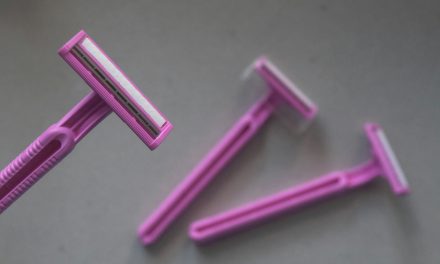
The belief that shaving facial hair causes it to grow back thicker is a pervasive myth that has been passed down through generations. Many individuals, particularly men, have been led to believe that the act of shaving stimulates hair follicles, resulting in a coarser and denser growth. This misconception can lead to unnecessary anxiety about grooming habits and can influence personal grooming choices. Understanding the biological mechanisms behind hair growth and the effects of shaving can help dispel these myths and provide clarity on the subject.
In reality, the thickness of hair is determined by various factors, including genetics, hormonal levels, and overall health. Shaving merely cuts hair at the surface level, without altering the follicle’s structure or function. This article aims to explore the intricacies of hair growth, the science behind hair follicles, and the reasons why shaving does not affect hair thickness. By examining these aspects, we can better understand how to manage facial hair effectively without falling prey to common misconceptions.
Many people wonder whether shaving facial hair causes it to grow back thicker, a common myth that has been debunked by various studies. For those interested in grooming techniques, you might find it helpful to explore related topics, such as proper grooming practices for pets. A great resource is an article on how to groom a Cocker Spaniel and maintain its ears and coat, which can provide insights into effective grooming methods. You can read the article here: How to Groom a Cocker Spaniel.
Understanding Hair Growth: How Facial Hair Develops
Facial hair growth is a complex biological process influenced by several factors, including genetics and hormonal changes. The primary hormone responsible for stimulating facial hair growth is testosterone, which increases during puberty in males. This hormone interacts with androgen receptors in hair follicles, promoting the development of terminal hair, which is thicker and darker than vellus hair, the fine, soft hair that covers much of the body.
The growth of facial hair occurs in cycles, consisting of three distinct phases: anagen (growth phase), catagen (transitional phase), and telogen (resting phase). During the anagen phase, which can last several years, hair follicles actively produce new cells, leading to visible growth. The catagen phase is a short transitional period where hair stops growing and detaches from its blood supply. Finally, in the telogen phase, which can last several months, hair remains in a resting state before eventually shedding and making way for new growth.
The Science of Hair Follicles and Growth Cycles

Hair follicles are specialized structures embedded in the skin that play a crucial role in hair production. Each follicle contains a bulb at its base, where cells rapidly divide to form hair strands. The health and functionality of these follicles are paramount for robust hair growth. Factors such as nutrition, hormonal balance, and overall health can significantly impact follicle activity.
The growth cycles of hair follicles are regulated by various biological signals. For instance, the presence of dihydrotestosterone (DHT), a derivative of testosterone, can influence the duration of the anagen phase. In some individuals, elevated levels of DHT can lead to conditions such as androgenetic alopecia, commonly known as male or female pattern baldness. Understanding these cycles is essential for comprehending how shaving interacts with hair growth.
Does Shaving Affect Hair Thickness? What Research Says

Numerous studies have investigated the relationship between shaving and hair thickness, consistently concluding that shaving does not alter the intrinsic characteristics of hair. Research indicates that when hair is shaved, it is cut at an angle that creates a blunt edge. This bluntness may give the illusion of increased thickness as it grows back; however, it does not change the actual diameter or density of the hair.
A study published in the Journal of Investigative Dermatology examined the effects of shaving on hair regrowth in various subjects. The findings revealed no significant differences in hair thickness or density between shaved and unshaved areas over time. This reinforces the notion that shaving merely removes hair at the surface level without influencing follicular activity or growth patterns.
Many people wonder whether shaving facial hair causes it to grow back thicker, a common myth that has been debunked by various studies. If you’re interested in exploring more about common misconceptions related to grooming and personal care, you might find this article on effective strategies for placing mouse traps quite intriguing. It highlights how understanding the right techniques can lead to better results, much like how proper shaving methods can influence hair growth. You can read more about it here.
Why Shaved Hair Might Appear Thicker Initially
When facial hair is shaved, it often appears thicker upon regrowth due to several factors related to its physical characteristics. First, as mentioned earlier, shaving creates a blunt edge on each strand of hair. This bluntness can make individual hairs feel coarser and more noticeable against the skin’s surface.
Additionally, newly regrown hairs may be darker than their predecessors due to exposure to sunlight and environmental factors that can lighten hair over time. The contrast between darker regrown hairs and lighter skin can further enhance the perception of thickness. Furthermore, when facial hair is freshly shaved, it may feel prickly or stubbly as it begins to grow back, contributing to the sensation of increased thickness.
The Role of Hair Texture and Color in Perceived Thickness
Hair texture and color play significant roles in how thickness is perceived visually and tactilely. Coarse or curly hair tends to appear denser than fine or straight hair due to its structure and how it lays against the skin. Individuals with naturally coarse facial hair may find that their regrowth appears thicker after shaving simply because of its inherent texture.
Color also influences perception; darker hairs stand out more prominently against lighter skin tones. Conversely, lighter hairs may blend into the skin more seamlessly, making them less noticeable. These factors contribute to the common misconception that shaving alters hair thickness when it merely affects how we perceive it.
Common Misconceptions About Shaving and Hair Growth
Several misconceptions persist regarding shaving and its effects on hair growth. One prevalent myth is that shaving causes hair to grow back faster. In reality, shaving does not influence the rate at which hair grows; this rate is primarily determined by genetic factors and hormonal levels.
Another misconception is that shaving can lead to increased facial hair density over time. While individuals may notice changes in their facial hair due to hormonal fluctuations or aging, these changes are unrelated to shaving practices. Additionally, some believe that using certain products or techniques while shaving can enhance thickness; however, no scientific evidence supports these claims.
How Hair Regrows After Being Shaved
After being shaved, facial hair undergoes a natural regrowth process dictated by its growth cycle. Initially, regrowth may appear coarse due to the blunt edges created by shaving. As time progresses and hairs continue to grow through their cycles, they will eventually return to their natural state.
The duration of this regrowth process varies among individuals based on factors such as genetics and hormonal levels. Typically, facial hair begins to show noticeable regrowth within a few days after shaving; however, full restoration to its original length may take several weeks or months depending on individual growth rates.
Factors That Actually Influence Facial Hair Thickness
While shaving does not affect facial hair thickness, several factors genuinely influence its characteristics. Genetics plays a pivotal role; individuals with a family history of thick facial hair are more likely to inherit similar traits. Hormonal levels also significantly impact thickness; higher testosterone levels generally correlate with denser facial hair.
Nutrition is another critical factor; a balanced diet rich in vitamins and minerals supports healthy hair growth. Nutrients such as biotin, zinc, and vitamins A and E contribute to follicle health and overall growth potential. Additionally, lifestyle choices such as stress management and adequate sleep can influence hormonal balance and subsequently affect facial hair characteristics.
Tips for Managing Facial Hair Without Affecting Growth
To manage facial hair effectively without impacting its growth characteristics, consider adopting a few best practices:
1. **Regular Grooming**: Maintain a consistent grooming routine that includes trimming rather than shaving if you wish to avoid the blunt edge effect.
2. **Hydration**: Keep your skin moisturized to promote healthy follicles and reduce irritation during grooming.
3. **Balanced Diet**: Incorporate foods rich in vitamins and minerals that support healthy hair growth.
4. **Gentle Products**: Use gentle cleansers and conditioners specifically designed for facial hair to avoid damaging follicles.
5. **Avoid Stress**: Engage in stress-reducing activities such as exercise or meditation to maintain hormonal balance.
Debunking the Myth and Embracing Facts
In conclusion, the myth that shaving causes facial hair to grow back thicker has been thoroughly debunked by scientific research and understanding of biological processes. Shaving merely removes hair at the surface level without influencing follicular activity or altering intrinsic characteristics such as thickness or density.
By understanding how facial hair develops and recognizing the factors that genuinely influence its appearance, individuals can make informed decisions about grooming practices without falling victim to misconceptions. Embracing facts over myths allows for healthier management of facial hair while promoting confidence in personal grooming choices.
In summary, while shaving does not affect facial hair thickness or growth rate, understanding the biological mechanisms behind these processes empowers individuals to manage their grooming routines effectively without succumbing to common myths surrounding shaving practices.
FAQs
Does shaving facial hair make it grow back thicker?
No, shaving facial hair does not make it grow back thicker. This is a common myth. Shaving cuts the hair at the surface, which can make it feel coarser or appear darker as it grows back, but it does not affect the hair’s thickness or growth rate.
What causes facial hair to feel coarse after shaving?
After shaving, facial hair may feel coarser because the hair is cut straight across, creating a blunt edge. As the hair grows back, this blunt edge can give the illusion of thickness, but the actual hair structure remains unchanged.
Does the frequency of shaving affect hair growth?
No, the frequency of shaving does not influence hair growth. Hair growth is determined by genetics and hormonal factors, not by how often you shave. Shaving simply removes hair from the surface and does not impact the hair follicles beneath the skin.
Can shaving affect the color of facial hair?
Shaving does not change the color of facial hair. However, newly grown hair may appear darker or more noticeable against the skin, especially if it is shorter and has not yet been exposed to sunlight or other environmental factors that can lighten hair color.
Are there any benefits to shaving facial hair?
Shaving can provide benefits such as exfoliation of the skin, removal of dead skin cells, and a smoother appearance. Additionally, some people find that shaving helps to manage facial hair growth and maintain a desired style or look.