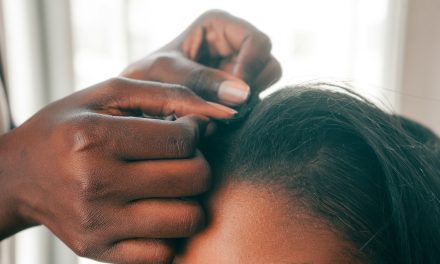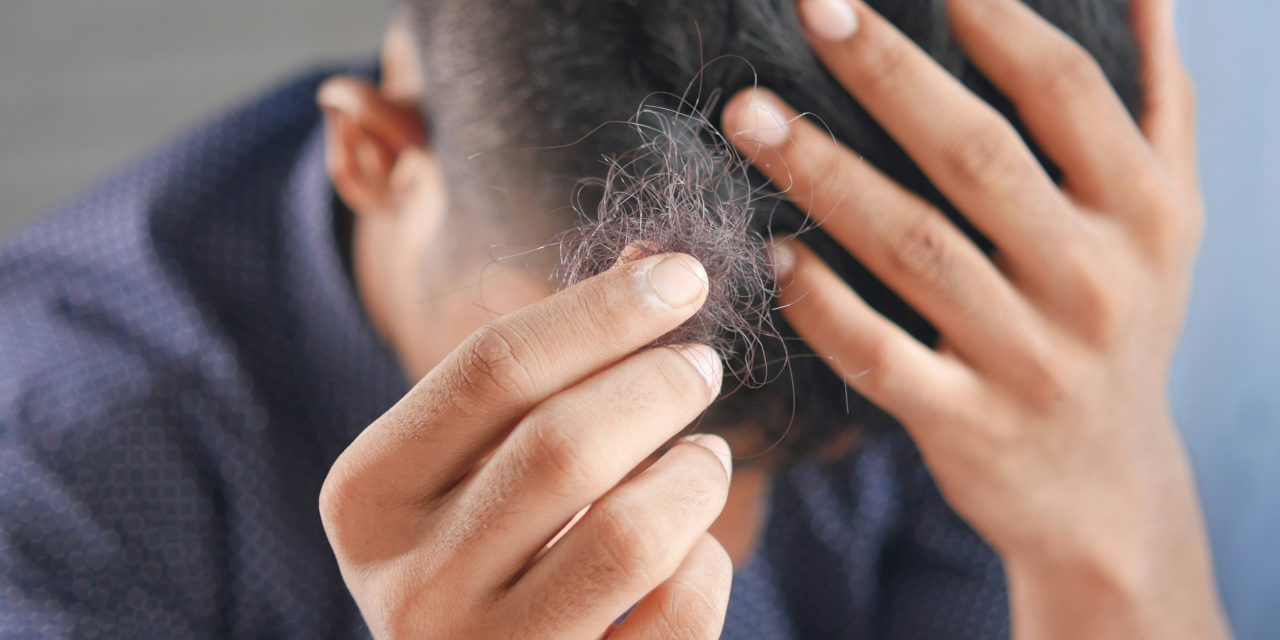
Hair shedding is a natural physiological process that occurs in cycles, with an average individual losing approximately 50 to 100 strands daily. This phenomenon is part of the hair growth cycle, which consists of three distinct phases: anagen (growth), catagen (transitional), and telogen (resting). During the telogen phase, hair follicles prepare for shedding, allowing new hair to emerge. However, distinguishing between normal shedding and excessive hair loss can be challenging. Excessive shedding, known as alopecia, can manifest as noticeable thinning or bald patches and may indicate underlying health issues.
Normal hair shedding is typically uniform and does not lead to significant changes in hair density. In contrast, excessive shedding often results in visible thinning and may be accompanied by other symptoms such as scalp irritation or changes in hair texture. Factors contributing to excessive hair loss include genetic predisposition, hormonal fluctuations, nutritional deficiencies, and stress. Understanding these differences is crucial for identifying potential health concerns and seeking appropriate interventions.
Illness can significantly disrupt the delicate balance of the hair growth cycle. When the body experiences physical stress due to illness, it prioritizes vital functions over non-essential processes, including hair growth. This shift can lead to a premature transition of hair follicles from the anagen phase to the telogen phase, resulting in increased shedding. The duration and severity of the illness can further exacerbate this condition, leading to prolonged periods of hair loss.
Moreover, systemic illnesses such as infections, autoimmune disorders, and chronic diseases can trigger inflammatory responses that affect hair follicles. Inflammation can damage the hair follicle structure, impairing its ability to produce healthy hair. Consequently, individuals recovering from illness may notice a significant increase in hair shedding as their bodies redirect resources toward healing rather than maintaining hair growth.
If you’ve been experiencing hair shedding months after recovering from an illness, you might find it helpful to read more about the potential causes and solutions in related articles. For instance, understanding the impact of stress on hair health can be crucial. You can explore this topic further in an article that discusses various aspects of pet care, which, while focused on animals, often draws parallels to the importance of health and well-being in humans. Check it out here: Top 10 Teddy Bear Puppy Care Tips Every Owner Should Know.
The Role of Telogen Effluvium in Post-Illness Hair Loss
Telogen effluvium is a common form of temporary hair loss that often occurs following physical or emotional stressors, including illness. This condition is characterized by an increased number of hair follicles entering the telogen phase prematurely, leading to noticeable shedding. Typically, telogen effluvium manifests two to three months after the triggering event, making it challenging for individuals to connect their illness with subsequent hair loss.
The good news is that telogen effluvium is usually reversible. Once the underlying cause—such as an illness—has been addressed, hair follicles often resume their normal growth cycle. However, the duration of recovery can vary among individuals, with some experiencing regrowth within a few months while others may take longer. Understanding telogen effluvium is essential for individuals experiencing post-illness hair loss, as it provides reassurance that their condition is likely temporary.
Common Illnesses That Trigger Hair Shedding

Several illnesses are known to trigger excessive hair shedding through mechanisms such as inflammation, hormonal changes, or nutritional deficiencies. Common culprits include:
1. **Infections**: Viral infections like influenza or COVID-19 can lead to significant stress on the body, resulting in telogen effluvium.
2. **Autoimmune Disorders**: Conditions such as lupus or alopecia areata can directly attack hair follicles, leading to patchy or diffuse hair loss.
3. **Thyroid Disorders**: Both hyperthyroidism and hypothyroidism can disrupt normal hair growth cycles due to hormonal imbalances.
4. **Chronic Illnesses**: Conditions like diabetes or chronic kidney disease can affect nutrient absorption and circulation, impacting hair health.
Recognizing these illnesses as potential triggers for hair shedding is crucial for timely intervention and management.
Nutritional Deficiencies After Being Sick and Their Effect on Hair

Nutritional deficiencies are a common consequence of illness and can significantly impact hair health. During periods of sickness, individuals may experience reduced appetite or gastrointestinal disturbances that hinder nutrient absorption. Key nutrients essential for healthy hair growth include:
1. **Protein**: Hair is primarily composed of keratin, a protein that requires adequate intake for optimal growth.
2. **Iron**: Iron deficiency can lead to anemia, which is associated with increased hair shedding.
3. **Zinc**: This mineral plays a vital role in cellular repair and growth; its deficiency can lead to hair thinning.
4. **Vitamins A and D**: Both vitamins are crucial for maintaining healthy follicles and promoting new hair growth.
Addressing these deficiencies through dietary adjustments or supplementation can help restore hair health post-illness.
If you’ve recently recovered from an illness and are noticing an increase in hair shedding, you might find it helpful to explore the connection between stress and hair loss. Many people experience this phenomenon as their bodies adjust after being unwell. For more insights on related health topics, you can read this informative article on pet care services that discusses the importance of maintaining well-being during stressful times. Check it out here.
Stress and Its Connection to Delayed Hair Shedding
Stress is a well-documented factor influencing hair health and can exacerbate conditions like telogen effluvium. The physiological response to stress involves the release of cortisol and other hormones that can disrupt normal bodily functions, including the hair growth cycle. Chronic stress may lead to prolonged periods of increased shedding as the body struggles to maintain homeostasis.
Moreover, psychological stressors related to illness—such as anxiety about recovery or changes in appearance—can further contribute to emotional distress and exacerbate hair loss. Implementing stress management techniques such as mindfulness meditation, yoga, or counseling can be beneficial in mitigating these effects and promoting overall well-being.
Medications Taken During Illness That May Cause Hair Loss
Certain medications prescribed during illness may have side effects that include hair loss. Common classes of drugs associated with this phenomenon include:
1. **Antibiotics**: Some antibiotics can disrupt gut flora and nutrient absorption, indirectly affecting hair health.
2. **Antidepressants**: Selective serotonin reuptake inhibitors (SSRIs) have been linked to increased shedding in some individuals.
3. **Chemotherapy Agents**: Cancer treatments often lead to significant hair loss due to their impact on rapidly dividing cells.
4. **Beta-Blockers**: These medications used for hypertension may also contribute to hair thinning.
It is essential for patients experiencing hair loss after starting new medications to consult their healthcare provider for potential alternatives or solutions.
Hormonal Changes Following Illness and Hair Health
Hormonal fluctuations are common during and after illness and can significantly impact hair health. Conditions such as thyroid dysfunction or adrenal insufficiency can lead to imbalances that affect the hair growth cycle. For instance, elevated cortisol levels during periods of stress may inhibit the anagen phase, leading to increased shedding.
Additionally, hormonal changes related to pregnancy or menopause can compound these effects, making women particularly susceptible to post-illness hair loss. Monitoring hormonal levels through blood tests and working with healthcare providers to address imbalances can be crucial for restoring healthy hair growth.
When to See a Doctor About Persistent Hair Shedding
While occasional shedding is normal, persistent or excessive hair loss warrants medical attention. Individuals should seek professional evaluation if they experience:
1. **Sudden Onset**: Rapid thinning or bald patches appearing suddenly.
2. **Accompanying Symptoms**: Signs of underlying conditions such as fever, fatigue, or skin changes.
3. **Family History**: A family history of alopecia or other hereditary conditions.
4. **Emotional Distress**: Significant psychological impact due to changes in appearance.
A healthcare provider can conduct a thorough assessment, including blood tests and scalp examinations, to determine the underlying cause of excessive shedding and recommend appropriate interventions.
Effective Treatments and Remedies for Post-Illness Hair Loss
Treatment options for post-illness hair loss vary depending on the underlying cause but may include:
1. **Minoxidil**: An FDA-approved topical treatment that stimulates hair follicles and promotes regrowth.
2. **Finasteride**: An oral medication that inhibits dihydrotestosterone (DHT), a hormone linked to androgenetic alopecia.
3. **Nutritional Supplements**: Biotin, iron, zinc, and omega-3 fatty acids can support healthy hair growth.
4. **Platelet-Rich Plasma (PRP) Therapy**: A procedure that utilizes the patient’s own blood components to stimulate follicle activity.
Consultation with a dermatologist or trichologist is essential for tailoring treatment plans based on individual needs.
Preventative Measures to Protect Hair During and After Sickness
Preventing excessive hair shedding during illness involves adopting healthy lifestyle practices:
1. **Balanced Diet**: Ensure adequate intake of proteins, vitamins, and minerals essential for hair health.
2. **Hydration**: Maintain proper hydration levels to support overall bodily functions.
3. **Stress Management**: Engage in relaxation techniques such as yoga or meditation to mitigate stress-related shedding.
4. **Gentle Hair Care**: Avoid harsh treatments or styles that may exacerbate breakage during recovery.
By implementing these preventative measures, individuals can better protect their hair health during periods of illness and promote optimal regrowth afterward.
In summary, understanding the complexities of hair shedding—particularly in relation to illness—is crucial for effective management and treatment strategies. Recognizing normal versus excessive shedding allows individuals to seek timely medical advice when necessary. Factors such as nutritional deficiencies, hormonal changes, stress levels, and medication side effects play significant roles in post-illness hair loss. By adopting preventative measures and exploring treatment options like minoxidil or nutritional supplementation, individuals can enhance their chances of restoring healthy hair growth after experiencing illness-related shedding.
FAQs
What is telogen effluvium and how does it relate to hair shedding after illness?
Telogen effluvium is a common form of temporary hair loss that occurs when a significant stressor, such as illness, causes a large number of hair follicles to enter the resting (telogen) phase of the hair growth cycle. This can lead to noticeable shedding several months after the triggering event, as the hair that was in the growth phase (anagen) falls out when it transitions to the resting phase.
How long can hair shedding last after recovering from an illness?
Hair shedding due to telogen effluvium can last for several months, typically ranging from 6 to 12 months after the initial stressor. However, the duration can vary depending on individual factors such as overall health, nutrition, and stress levels.
Are there any specific illnesses that are more likely to cause hair shedding?
Yes, certain illnesses such as high fever, severe infections, autoimmune diseases, and major surgeries can trigger telogen effluvium. Additionally, conditions like thyroid disorders and significant weight loss can also contribute to hair shedding.
What can I do to manage hair shedding after being sick?
To manage hair shedding, it is important to maintain a balanced diet rich in vitamins and minerals, particularly those that support hair health, such as biotin, zinc, and iron. Reducing stress through relaxation techniques and ensuring proper hair care can also help. If shedding persists, consulting a healthcare professional or dermatologist may be beneficial.
When should I seek medical advice for hair shedding after illness?
If hair shedding continues for more than 6 months, is accompanied by other symptoms such as scalp irritation or changes in hair texture, or if you have concerns about the amount of hair loss, it is advisable to seek medical advice. A healthcare professional can help determine the underlying cause and recommend appropriate treatments.