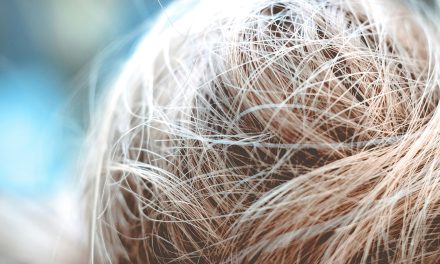
Understanding your hair type is fundamental to establishing an effective hair care regimen. Hair can be categorized into various types based on its texture, porosity, and density. The primary classifications include straight, wavy, curly, and coily. Each type has unique characteristics that dictate how it reacts to products and environmental factors. For instance, straight hair tends to be oilier due to the natural oils traveling down the hair shaft more easily, while curly hair may require more moisture due to its structure, which can inhibit oil distribution.
Additionally, hair porosity plays a crucial role in determining how well your hair absorbs and retains moisture. Low porosity hair resists moisture absorption, while high porosity hair tends to lose moisture quickly. Understanding these distinctions allows individuals to tailor their hair care products and techniques accordingly. For example, those with low porosity hair might benefit from lighter products that do not weigh their hair down, whereas individuals with high porosity hair may need heavier creams or oils to lock in moisture effectively.
If you’re looking to enhance your hair care routine and promote healthy hair growth without breakage, you might find it beneficial to explore various tips and techniques. For a comprehensive guide on maintaining your home environment, which can indirectly affect your hair health, check out this article on how to clean an area rug at home without ruining it. Keeping your living space clean can reduce allergens and irritants that may impact your hair and scalp health. You can read the article here: how to clean an area rug at home without ruining it.
Maintain a Balanced and Nutritious Diet
A balanced and nutritious diet is essential for promoting healthy hair growth and maintaining overall scalp health. Hair is primarily composed of a protein called keratin, which requires adequate protein intake for optimal growth. Foods rich in protein, such as lean meats, fish, eggs, legumes, and dairy products, should be staples in your diet. Additionally, incorporating vitamins and minerals such as biotin, zinc, iron, and vitamins A, C, D, and E can significantly enhance hair health.
Omega-3 fatty acids are another critical component for maintaining a healthy scalp and promoting hair growth. These essential fats can be found in fatty fish like salmon, walnuts, flaxseeds, and chia seeds. Hydration is equally important; drinking sufficient water helps maintain moisture levels in both the scalp and hair strands. A well-rounded diet not only nourishes the body but also reflects positively on the hair’s appearance and vitality.
Keep Your Scalp Clean and Well-Moisturized

A clean scalp is the foundation of healthy hair growth. Regular cleansing removes dirt, excess oil, and product buildup that can clog hair follicles and inhibit growth. It is advisable to wash your hair based on your scalp’s oil production; those with oily scalps may need to wash more frequently than those with dry scalps. Choosing a sulfate-free shampoo can help maintain the scalp’s natural oils while effectively cleansing.
Moisturizing the scalp is equally important for preventing dryness and flakiness. A well-hydrated scalp promotes a conducive environment for hair growth. Consider using lightweight oils such as jojoba or argan oil to nourish the scalp without weighing down the hair. Regularly massaging these oils into the scalp can enhance blood circulation, further promoting healthy hair follicles.
Use Gentle Hair Cleansing Products

Selecting the right cleansing products is vital for maintaining healthy hair. Harsh shampoos containing sulfates and parabens can strip the hair of its natural oils, leading to dryness and damage. Instead, opt for gentle, sulfate-free shampoos that cleanse without compromising moisture levels. Look for products enriched with natural ingredients such as aloe vera, chamomile, or coconut oil that provide nourishment while cleansing.
Conditioners play a crucial role in maintaining hydration levels post-wash. A good conditioner should contain moisturizing agents that help detangle and soften the hair while providing essential nutrients. Leave-in conditioners or deep conditioning treatments can further enhance moisture retention and improve overall hair texture.
If you’re looking to enhance your hair care routine and promote healthy hair growth without breakage, you might find it helpful to explore some expert tips. A related article on effective hair care techniques can provide valuable insights and practical advice. For more information on maintaining strong and resilient hair, check out this informative piece on hair care strategies. By incorporating these strategies into your regimen, you can achieve the luscious locks you’ve always desired.
Avoid Excessive Heat Styling and Chemical Treatments
Heat styling tools such as blow dryers, curling irons, and straighteners can cause significant damage to the hair if used excessively. High temperatures can lead to dryness, brittleness, and breakage over time. To mitigate this risk, consider air-drying your hair whenever possible or using heat styling tools on lower settings. Always apply a heat protectant spray before styling to create a barrier against thermal damage.
Chemical treatments such as coloring, perming, or relaxing can also compromise hair integrity. These processes alter the hair’s structure and can lead to weakened strands if not performed correctly or if done too frequently. If you choose to undergo chemical treatments, ensure they are conducted by a professional stylist who uses high-quality products designed to minimize damage.
Incorporate Regular Scalp Massages to Stimulate Growth
Scalp massages are an excellent way to promote blood circulation to the hair follicles, which can enhance nutrient delivery and stimulate growth. Regularly massaging the scalp for just a few minutes daily can help alleviate tension while encouraging relaxation. Use your fingertips to apply gentle pressure in circular motions across the entire scalp.
Incorporating essential oils such as rosemary or peppermint during your massage can further enhance its benefits. These oils are known for their stimulating properties that promote blood flow and may even encourage new hair growth. Always dilute essential oils with a carrier oil before application to avoid irritation.
Protect Hair from Environmental Damage
Environmental factors such as UV rays, pollution, and harsh weather conditions can adversely affect hair health. Prolonged sun exposure can lead to dryness and color fading, while pollution can cause buildup that clogs follicles. To protect your hair from these elements, consider wearing hats or scarves when outdoors for extended periods.
Additionally, using UV protection sprays designed for hair can help shield strands from harmful rays. In colder months, ensure you are using hydrating products that combat dryness caused by indoor heating systems. Regularly deep conditioning your hair can also provide an extra layer of protection against environmental stressors.
Trim Split Ends Regularly to Prevent Breakage
Regular trims are essential for maintaining healthy hair and preventing split ends from traveling up the shaft of the hair strand. Split ends not only make your hair look unhealthy but can also lead to further breakage if left untreated. It is generally recommended to trim your hair every six to eight weeks; however, this may vary based on individual hair growth rates and damage levels.
When trimming split ends, it is crucial to use sharp scissors specifically designed for cutting hair to ensure a clean cut that minimizes further damage. If you are unsure about trimming your own hair, consider visiting a professional stylist who can assess your needs and provide expert care.
Choose the Right Hairbrush and Detangling Techniques
Selecting the appropriate hairbrush is vital for minimizing damage during detangling. Brushes with wide-set bristles or those specifically designed for detangling can help reduce breakage by gently gliding through knots without pulling on the strands. For curly or textured hair types, using a wide-tooth comb while the hair is wet can prevent unnecessary tugging.
When detangling, always start from the ends of your hair and work your way up to the roots. This technique minimizes stress on the strands and reduces the likelihood of breakage. Additionally, applying a leave-in conditioner or detangling spray before brushing can provide slip and make the process smoother.
Apply Natural Oils and Deep Conditioning Treatments
Natural oils such as coconut oil, olive oil, and argan oil are excellent for nourishing both the scalp and hair strands. These oils penetrate deeply into the hair shaft, providing hydration while enhancing shine and manageability. Incorporating these oils into your routine can be as simple as applying them as a pre-shampoo treatment or using them sparingly on dry ends.
Deep conditioning treatments should be an integral part of any healthy hair regimen. These treatments provide intensive moisture and repair damaged strands over time. Look for products containing ingredients like shea butter or keratin that target specific concerns such as dryness or frizz. Aim to use deep conditioning treatments at least once a week for optimal results.
Establish a Consistent Hair Care Routine for Long-Term Health
Establishing a consistent hair care routine is crucial for achieving long-term health and vitality in your locks. This routine should encompass all aspects of care—from cleansing and conditioning to styling and protection against environmental factors. Consistency allows you to monitor how your hair responds to various products and techniques over time.
Consider keeping a journal to track changes in your hair’s condition based on different products or routines you try. This practice will help you identify what works best for your unique needs while allowing you to make informed decisions moving forward.
In summary, understanding your specific hair type is essential for effective care; maintaining a balanced diet rich in nutrients supports healthy growth; keeping the scalp clean and moisturized promotes optimal conditions; using gentle cleansing products prevents damage; avoiding excessive heat styling protects integrity; regular scalp massages stimulate growth; protecting against environmental damage preserves health; trimming split ends prevents breakage; choosing appropriate brushes minimizes damage; applying natural oils nourishes strands; establishing a consistent routine ensures long-term vitality.
FAQ Section:
1. How often should I wash my hair?
– The frequency of washing depends on your scalp type: oily scalps may require daily washing while dry scalps may benefit from washing every few days.
2. What are some signs of unhealthy hair?
– Signs include excessive dryness, brittleness, split ends, lack of shine, excessive shedding or breakage.
3. Can diet really affect my hair health?
– Yes! A balanced diet rich in proteins, vitamins, and minerals is crucial for promoting healthy growth and preventing issues like thinning or brittleness.
4. Are there any specific vitamins I should take for better hair health?
– Biotin is often recommended for strengthening hair; however, vitamins A, C, D, E along with zinc and iron also play significant roles in maintaining healthy locks.
5. How do I know if I have low or high porosity hair?
– A simple test involves placing a strand of clean hair in water: if it sinks quickly you likely have high porosity; if it floats you may have low porosity.
6. What should I do if I experience excessive shedding?
– Consult with a healthcare professional or dermatologist who can assess underlying causes such as hormonal imbalances or nutritional deficiencies.
7. Can I use essential oils directly on my scalp?
– Essential oils should always be diluted with carrier oils before application to avoid irritation or adverse reactions.
8. How do I choose the right conditioner for my hair type?
– Look for conditioners formulated specifically for your texture (curly vs straight) along with ingredients targeting your specific concerns (moisture vs repair).
9. Is it necessary to use heat protectant sprays?
– Yes! Heat protectants create a barrier against thermal damage when using styling tools.
10. How long does it take to see improvements in my hair health?
– Results vary based on individual factors but consistency in care typically yields noticeable improvements within 4-8 weeks.
In conclusion, adopting a comprehensive approach towards understanding your unique needs will empower you to achieve healthier locks over time through informed choices regarding diet, products used, techniques employed—all contributing towards optimal results!
FAQs
What are the best practices for washing hair to prevent breakage?
To prevent hair breakage, wash your hair with lukewarm water instead of hot water, as hot water can strip natural oils. Use a sulfate-free shampoo and condition your hair regularly. Avoid washing your hair daily; instead, aim for 2-3 times a week to maintain moisture levels.
How can I improve my hair’s strength and elasticity?
Improving hair strength and elasticity can be achieved by incorporating protein-rich treatments into your hair care routine. Use products containing keratin or natural proteins, and consider deep conditioning treatments once a week to nourish and strengthen your hair.
What role does diet play in hair health?
Your diet significantly impacts hair health. Consuming a balanced diet rich in vitamins and minerals, particularly biotin, vitamin E, omega-3 fatty acids, and zinc, can promote healthy hair growth and reduce breakage. Foods like nuts, fish, eggs, and leafy greens are excellent choices.
How often should I trim my hair to prevent split ends?
To prevent split ends and breakage, it is recommended to trim your hair every 6-8 weeks. Regular trims help remove damaged ends and promote healthier hair growth, keeping your hair looking vibrant and strong.
What styling techniques can help minimize hair breakage?
To minimize hair breakage, avoid using heat styling tools frequently. When you do use them, apply a heat protectant spray. Opt for gentle hairstyles that do not pull on the hair, such as loose braids or buns, and avoid tight hairstyles that can cause tension and breakage.