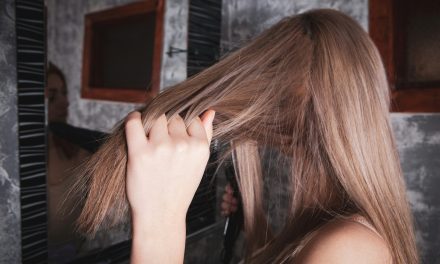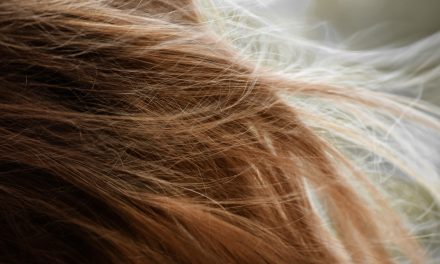
Matted hair is a common issue that can affect individuals of all hair types, leading to frustration and potential damage. The primary causes of matting include a lack of moisture, improper hair care routines, and environmental factors. When hair becomes dry and brittle, it is more susceptible to tangling and matting. Additionally, neglecting regular grooming can exacerbate the problem, as dirt, oil, and product buildup can contribute to knots forming. Environmental elements such as humidity, wind, and exposure to harsh sunlight can also play a significant role in the deterioration of hair health, leading to tangles and mats.
Another contributing factor to matted hair is the use of inappropriate hair products. Heavy styling products can weigh hair down and create a sticky residue that attracts dirt and debris. Furthermore, sleeping with loose hair or without protective styles can lead to friction against pillowcases, resulting in tangles. Understanding these causes is crucial for developing effective prevention strategies and treatment options to maintain healthy, manageable hair.
If you’re struggling with matted hair and want to learn effective techniques to detangle it without causing breakage, you might find it helpful to explore related grooming topics. For instance, understanding how to spot fleas during your pet’s grooming routine can also be essential for maintaining your pet’s overall health and coat condition. You can read more about this in the article found here: How to Spot Fleas During Your Pet’s Grooming Routine.
Preparing Your Hair for Detangling
Before embarking on the detangling process, it is essential to prepare your hair adequately. Start by assessing the condition of your hair; if it appears excessively dry or damaged, consider applying a deep conditioning treatment prior to detangling. This step will help to hydrate the strands and make them more pliable, reducing the risk of breakage during the detangling process. A nourishing mask containing ingredients such as shea butter or argan oil can provide the necessary moisture and elasticity.
Once your hair is adequately conditioned, it is advisable to work in a well-lit area with a mirror for better visibility. Gather all necessary tools and products beforehand to streamline the process. Ensure that your hair is free from any styling products that may hinder detangling efforts. A thorough rinse with lukewarm water can help remove any buildup, allowing for a smoother detangling experience.
Choosing the Right Tools for Detangling

Selecting appropriate tools is paramount when it comes to effectively detangling matted hair. A wide-tooth comb is often recommended for this purpose, as it minimizes tension on the strands and reduces the likelihood of breakage. Additionally, a detangling brush designed specifically for wet or dry hair can be beneficial, as these brushes often feature flexible bristles that glide through knots without pulling.
For those with particularly thick or curly hair, a specialized detangling tool may be necessary. These tools are designed to navigate through dense textures while minimizing damage. It is also advisable to have a spray bottle filled with water or a leave-in conditioner on hand to keep the hair hydrated during the detangling process. This will help maintain moisture levels and make the strands easier to manage.
Applying a Detangling Conditioner or Oil

The application of a detangling conditioner or oil is a critical step in the detangling process. These products are formulated with specific ingredients that help to soften the hair cuticle, making it easier to glide through knots and tangles. Look for conditioners containing silicones or natural oils such as coconut oil, jojoba oil, or argan oil, which provide slip and hydration.
To apply the product effectively, section your hair into manageable parts and distribute the conditioner or oil evenly from mid-lengths to ends. Allow the product to sit for several minutes to penetrate the hair shaft before beginning the detangling process. This will enhance its effectiveness and ensure that your hair remains nourished throughout the procedure.
If you’re struggling with matted hair and want to learn effective techniques to detangle it without causing breakage, you might find it helpful to explore some related tips on maintaining healthy hair. For instance, understanding the importance of proper hair care can significantly impact your detangling process. You can read more about essential tips for successful seasonal gardening, which emphasizes the importance of nurturing and care, similar to how you should treat your hair, by following this link.
Sectioning Hair to Work Through Mats Methodically
Sectioning your hair is an essential technique that allows for a more organized approach to detangling matted strands. Divide your hair into four or more sections using clips or hair ties, depending on its thickness and length. Working in smaller sections enables you to focus on one area at a time, reducing overwhelm and ensuring thoroughness.
Begin with one section at a time, securing the remaining sections out of the way. This method not only makes it easier to manage tangles but also allows you to monitor progress effectively. As you work through each section, you can assess the condition of your hair and adjust your technique accordingly.
If you’re struggling with how to detangle matted hair without breaking it, you might find helpful tips in a related article that discusses practical storage solutions for small spaces. Organizing your bathroom can make your hair care routine more efficient, allowing you to focus on maintaining healthy hair. For some clever ideas on maximizing space, check out this article on smart bathroom storage.
Starting Detangling from the Ends, Not the Roots
When it comes to detangling matted hair, starting from the ends rather than the roots is crucial for minimizing damage. The ends of your hair are typically more prone to dryness and breakage; therefore, addressing tangles at this level first allows you to gently work your way up without causing unnecessary stress on the strands.
Using your fingers or a wide-tooth comb, begin at the tips of your hair and gradually move upwards toward the roots. This technique helps to release knots without pulling on the scalp or causing discomfort. If you encounter a particularly stubborn tangle, apply additional conditioner or oil to provide extra slip before continuing.
Using Gentle, Slow Finger Combing Techniques
Finger combing is an effective method for detangling matted hair while minimizing breakage and damage. This technique involves using your fingers to gently separate knots and tangles without the harshness of a comb or brush. Begin by lightly running your fingers through small sections of hair, starting at the ends and working your way up.
As you encounter knots, use your fingers to gently pull apart the strands rather than yanking them apart forcefully. This slow and deliberate approach allows you to assess each tangle’s severity and determine the best way to address it without causing harm. Incorporating this technique into your routine can significantly improve overall hair health.
Avoiding Common Mistakes That Cause Breakage
Several common mistakes can lead to increased breakage during the detangling process. One significant error is rushing through the procedure; impatience can result in pulling on knots too aggressively, leading to split ends and damage. It is essential to take your time and approach each section with care.
Another mistake is neglecting hydration; failing to apply sufficient conditioner or oil can make tangles more challenging to manage. Additionally, using inappropriate tools can exacerbate breakage; always opt for wide-tooth combs or specialized detangling brushes designed for your hair type. Lastly, avoid detangling dry hair whenever possible; wet or damp strands are more pliable and less prone to breakage.
Incorporating Protective Hairstyles Post-Detangling
Once you have successfully detangled your hair, incorporating protective hairstyles can help maintain its health and prevent future matting. Protective styles such as braids, twists, or buns minimize exposure to environmental stressors while reducing friction that can lead to tangles. These styles also allow for easier maintenance between washes.
When selecting protective hairstyles, consider your hair type and texture; choose styles that suit your individual needs while providing adequate protection. Additionally, ensure that any accessories used—such as elastics or clips—are gentle on the hair to avoid unnecessary breakage.
Maintaining Hair Health to Prevent Future Matting
To prevent future matting episodes, it is vital to establish a consistent hair care routine focused on maintaining overall health. Regular washing with sulfate-free shampoos helps remove buildup while preserving natural oils essential for hydration. Incorporating deep conditioning treatments into your regimen will further enhance moisture retention.
Additionally, consider scheduling regular trims every six to eight weeks to eliminate split ends and promote healthy growth. Staying hydrated by drinking plenty of water and maintaining a balanced diet rich in vitamins and minerals will also contribute positively to your hair’s overall condition.
When to Seek Professional Help for Severe Matting
In some cases, severe matting may require professional intervention from a hairstylist or trichologist. If you find yourself unable to detangle your hair despite following proper techniques or if you notice excessive breakage during the process, seeking expert assistance may be necessary. Professionals possess specialized tools and knowledge that can help address severe tangles without causing further damage.
Additionally, if matting occurs frequently despite implementing preventive measures, it may indicate underlying issues such as scalp conditions or improper care techniques that require professional evaluation. Consulting with an expert can provide tailored solutions that promote long-term health and manageability.
In summary, understanding the causes of matted hair is essential for effective prevention and treatment strategies. Preparing your hair properly before detangling, choosing appropriate tools, applying conditioners or oils, sectioning effectively, starting from the ends, using gentle techniques, avoiding common mistakes, incorporating protective styles post-detangling, maintaining overall health, and knowing when to seek professional help are all critical components in managing this issue effectively. By following these guidelines diligently, individuals can achieve healthier hair while minimizing future matting occurrences.
FAQs
What tools are recommended for detangling matted hair?
For detangling matted hair, it is recommended to use a wide-tooth comb, a detangling brush, or a specialized hair detangler tool. Additionally, using your fingers can help gently separate knots without causing breakage.
Should I wet my hair before detangling?
Yes, it is often beneficial to dampen your hair before detangling. Applying a leave-in conditioner or a detangling spray can help soften the hair and make it easier to work through knots without causing damage.
What techniques can I use to prevent hair breakage while detangling?
To prevent hair breakage, start detangling from the ends and work your way up to the roots. Use gentle, slow strokes and avoid pulling or yanking on the hair. Sectioning the hair into smaller parts can also make the process easier and less damaging.
How often should I detangle my hair to prevent matting?
It is advisable to detangle your hair at least once a week, or more frequently if you have curly or textured hair that is prone to matting. Regular detangling helps maintain hair health and prevents the formation of larger knots.
What should I do if my hair is severely matted?
If your hair is severely matted, consider seeking professional help from a hairstylist who specializes in detangling. They can assess the situation and may recommend cutting out the matted sections if necessary, to prevent further damage.