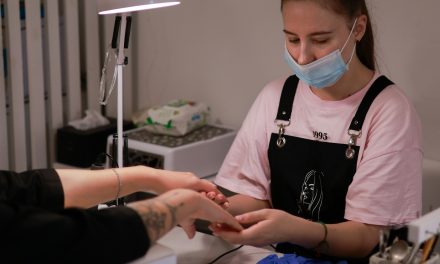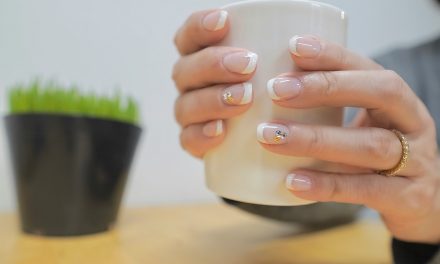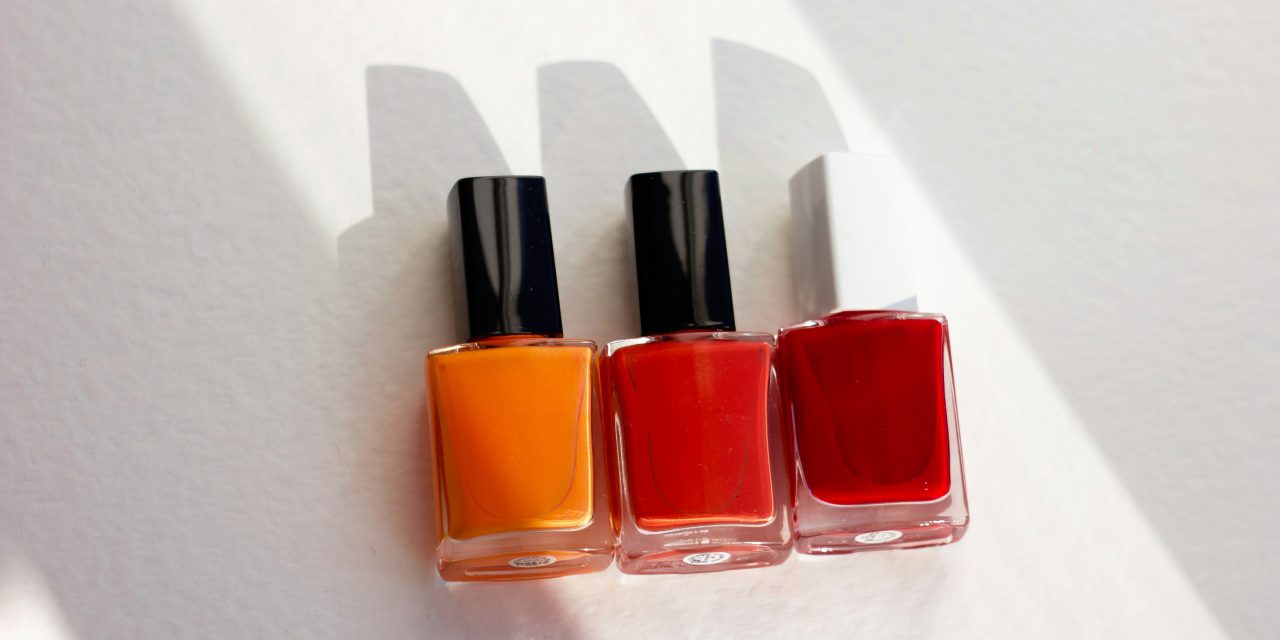
Regular nail polish is a staple in the beauty industry, offering a wide array of colors and finishes that allow individuals to express their personal style. However, one of the most common frustrations associated with nail polish application is the drying time. On average, traditional nail polish can take anywhere from 30 minutes to an hour to dry completely, depending on various factors such as the formula, application technique, and environmental conditions. It is essential to understand that while the surface may feel dry within minutes, the polish may still be vulnerable to smudging or denting until it has fully cured.
The drying process of nail polish involves two distinct phases: evaporation and hardening. Initially, solvents in the polish evaporate, allowing the polish to set. Following this, the remaining components undergo a chemical reaction that solidifies the polish. This dual-phase process is crucial for achieving a durable and long-lasting manicure. Understanding these phases can help users manage their expectations and plan their activities accordingly after application.
If you’re curious about how long regular nail polish takes to dry, you might find it helpful to explore tips on organizing your beauty space for a more efficient nail care routine. A related article that offers practical advice is available at this link: 10 Easy Tips for Organizing and Decluttering Your Home Fast. By creating a tidy and organized environment, you can enhance your nail painting experience and ensure that you have everything you need at your fingertips while waiting for your polish to dry.
Factors That Influence Nail Polish Drying Speed
Several factors can significantly influence how quickly nail polish dries. One of the primary determinants is the thickness of the polish layer applied. A thicker coat will naturally take longer to dry than a thinner one. Therefore, applying multiple thin layers rather than one thick layer can expedite the drying process while also enhancing the overall finish.
Environmental conditions also play a critical role in drying times. Humidity levels, temperature, and airflow can all affect how quickly nail polish dries. For instance, high humidity can slow down evaporation, leading to extended drying times. Conversely, a warm and well-ventilated area can facilitate quicker drying. Additionally, the type of nail polish used—whether it is fast-drying or standard—will also impact how long one must wait before the nails are safe to touch.
Step-by-Step Guide to Applying Regular Nail Polish

To achieve a flawless manicure with regular nail polish, following a systematic approach is essential. Begin by preparing your nails; this includes removing any old polish, trimming and shaping your nails, and pushing back cuticles. Cleanse your nails with a gentle nail polish remover to eliminate oils and residues that could hinder adhesion.
Once your nails are prepped, apply a base coat to create a smooth surface for the polish and protect your nails from staining. After allowing the base coat to dry for a few minutes, proceed with applying your chosen nail polish color. Use three strokes: one down the center and one on each side of the nail. This technique ensures even coverage and minimizes the risk of bubbles forming in the polish. Allow each coat to dry before applying additional layers for optimal results.
The Role of Base and Top Coats in Drying Time

Base and top coats are integral components of a successful manicure, not only enhancing the appearance but also influencing drying times. A base coat serves as a protective barrier between the natural nail and colored polish, preventing staining and promoting adhesion. Many base coats are formulated with quick-drying properties that can help speed up the overall drying process.
Top coats, on the other hand, provide a glossy finish and additional protection against chips and scratches. Some top coats are specifically designed to dry rapidly, which can significantly reduce the time required for your manicure to set completely. By incorporating both base and top coats into your routine, you can achieve a more durable finish while also optimizing drying times.
If you’re curious about how long regular nail polish takes to dry, you might find it interesting to explore the differences between various drying methods and their effectiveness. For instance, while traditional nail polish can take anywhere from 30 minutes to an hour to fully dry, using quick-dry formulas or topcoats can significantly reduce that time. To learn more about different techniques and tools that can enhance your nail care routine, check out this insightful article on the differences between air fryers and convection ovens, which highlights how understanding the right tools can make a difference in your overall experience.
How to Tell When Your Nail Polish Is Dry Enough to Touch
Determining when nail polish is adequately dry can be tricky. A common misconception is that if the surface feels dry to the touch, it is safe to proceed with daily activities. However, this is not always the case. To accurately assess dryness, gently press on an inconspicuous area of your nail with a fingertip; if it leaves an imprint or feels tacky, it requires more time to cure.
Another effective method is to lightly tap your nails against a hard surface; if there is no smudging or denting, your polish is likely dry enough for light activities. It is advisable to wait at least 30 minutes after application before engaging in tasks that could potentially damage your manicure.
Quick-Dry Techniques to Speed Up Regular Polish Drying
For those who find themselves pressed for time, several quick-dry techniques can help expedite the drying process of regular nail polish. One popular method involves using quick-dry drops or sprays specifically formulated to accelerate drying times. These products work by creating a barrier that seals in moisture while promoting evaporation.
Another effective technique is to immerse your freshly painted nails in a bowl of ice water for several minutes. The cold temperature helps solidify the polish more rapidly than air drying alone. Additionally, using a fan or positioning yourself in front of an air conditioner can enhance airflow around your nails, further speeding up drying times.
Common Mistakes That Prolong Nail Polish Drying
Certain common mistakes can inadvertently prolong nail polish drying times and lead to unsatisfactory results. One frequent error is applying too thick of a layer of polish; this not only increases drying time but also raises the likelihood of smudging or chipping. Instead, opt for multiple thin layers for better results.
Another mistake is neglecting to allow adequate drying time between coats. Rushing through applications without giving each layer sufficient time to set can lead to uneven finishes and longer overall drying times. Additionally, failing to use a base coat can result in poor adhesion and increased risk of chipping, which may necessitate reapplication.
Using Fans and Air Dryers: Do They Really Help?
The use of fans and air dryers has become increasingly popular among those seeking faster nail polish drying times. While these devices can indeed enhance airflow around your nails, their effectiveness largely depends on their positioning and intensity. A gentle breeze from a fan can help evaporate solvents more quickly than still air.
However, it is essential to avoid direct blasts of air from high-powered dryers, as this may cause uneven drying or even lead to bubbles forming in the polish. For optimal results, position a fan at a moderate distance from your hands or use an air dryer designed specifically for nails that offers adjustable settings.
Tips for Avoiding Smudges While Waiting for Polish to Dry
While waiting for nail polish to dry can be an exercise in patience, there are several strategies you can employ to minimize the risk of smudging during this period. First and foremost, avoid touching anything with your freshly painted nails until you are confident they are adequately dry.
Consider using a designated drying area where you can keep your hands still and free from distractions while waiting for your manicure to set. Additionally, wearing rubber gloves during household chores or activities that may expose your nails to potential damage can provide an extra layer of protection.
How to Maintain Your Manicure After Applying Regular Polish
Maintaining a manicure after applying regular nail polish requires attention and care to ensure longevity and vibrancy. To preserve your manicure’s integrity, avoid exposing your nails to excessive moisture or harsh chemicals immediately after application. This includes refraining from washing dishes or using cleaning products without gloves.
Regularly applying a top coat every few days can help maintain shine and prevent chipping. Additionally, moisturizing your cuticles with oil or cream will keep them healthy and prevent peeling or cracking around the nail bed.
While regular nail polish offers versatility and ease of application, some individuals may find themselves frustrated with drying times and durability issues. In such cases, gel nail polish may be worth considering as an alternative. Gel polishes typically cure under UV or LED light, resulting in a hardened finish that dries almost instantly upon exposure.
Gel manicures generally last longer than traditional polishes—often up to two weeks without chipping—making them an appealing option for those seeking longevity without frequent touch-ups. However, it is essential to note that gel removal requires specific techniques and products that may not be as straightforward as traditional polish removal.
In summary, understanding drying times associated with regular nail polish involves recognizing various influencing factors such as application techniques and environmental conditions. By following proper application methods and utilizing quick-dry techniques, individuals can achieve beautiful manicures while minimizing wait times. Awareness of common mistakes and maintenance tips further enhances the longevity of polished nails while providing insight into alternative options like gel polishes for those seeking extended wear without compromising on aesthetics or durability.
FAQs
How long does regular nail polish typically take to dry?
Regular nail polish usually takes about 1 to 2 hours to dry completely. However, the surface may feel dry within 20 to 30 minutes, but it is advisable to avoid any activities that could smudge the polish until it is fully cured.
What factors can affect the drying time of nail polish?
Several factors can influence the drying time of nail polish, including the thickness of the polish application, humidity levels, temperature, and the type of polish used. Thicker layers take longer to dry, while warmer and drier conditions can speed up the drying process.
Can I speed up the drying process of nail polish?
Yes, you can speed up the drying process by using quick-dry top coats, applying thinner layers of polish, or using a fan or a hairdryer on a cool setting. Additionally, some brands offer quick-dry formulas that are specifically designed to dry faster than regular nail polish.
Is there a difference in drying time between regular and gel nail polish?
Yes, there is a significant difference. Regular nail polish typically takes 1 to 2 hours to dry completely, while gel nail polish requires curing under a UV or LED lamp, which usually takes about 30 seconds to 2 minutes, depending on the specific product used.
What should I avoid doing while waiting for my nail polish to dry?
While waiting for your nail polish to dry, it is best to avoid activities that could smudge or dent the polish, such as typing, using your phone, or touching any surfaces. Additionally, avoid applying any lotions or oils to your hands until the polish is fully dry.