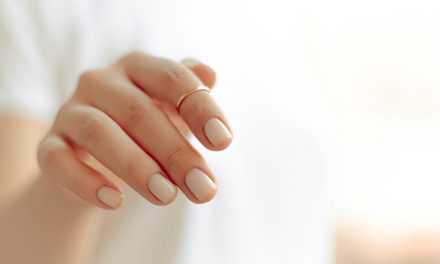
Buffing natural nails is a practice that has gained popularity among individuals seeking to enhance the appearance and health of their nails. This technique involves using a specialized tool to smooth the nail surface, which can lead to a variety of benefits. One of the primary advantages of buffing is the promotion of blood circulation in the nail bed. Increased blood flow can stimulate nail growth and improve overall nail health. Additionally, buffing helps to remove ridges and imperfections, resulting in a smoother, shinier surface that reflects light beautifully.
Moreover, buffing can serve as a natural alternative to nail polish, providing a glossy finish without the need for chemical products. This is particularly beneficial for those who prefer a more natural look or have sensitivities to synthetic materials. Regular buffing can also help in identifying potential nail issues early on, such as discoloration or brittleness, allowing for timely intervention and treatment. Overall, buffing not only enhances aesthetics but also contributes to the long-term health of natural nails.
If you’re looking to enhance the appearance of your natural nails safely, it’s essential to follow the right techniques and use the appropriate tools. For more tips on maintaining the freshness of your beauty products, you might find this article on how to store mushrooms without making them slimy particularly interesting, as it highlights the importance of proper care and storage, which can be applied to nail products as well. You can read the article here: how to store mushrooms without making them slimy.
Choosing the Right Nail Buffer for Your Nails
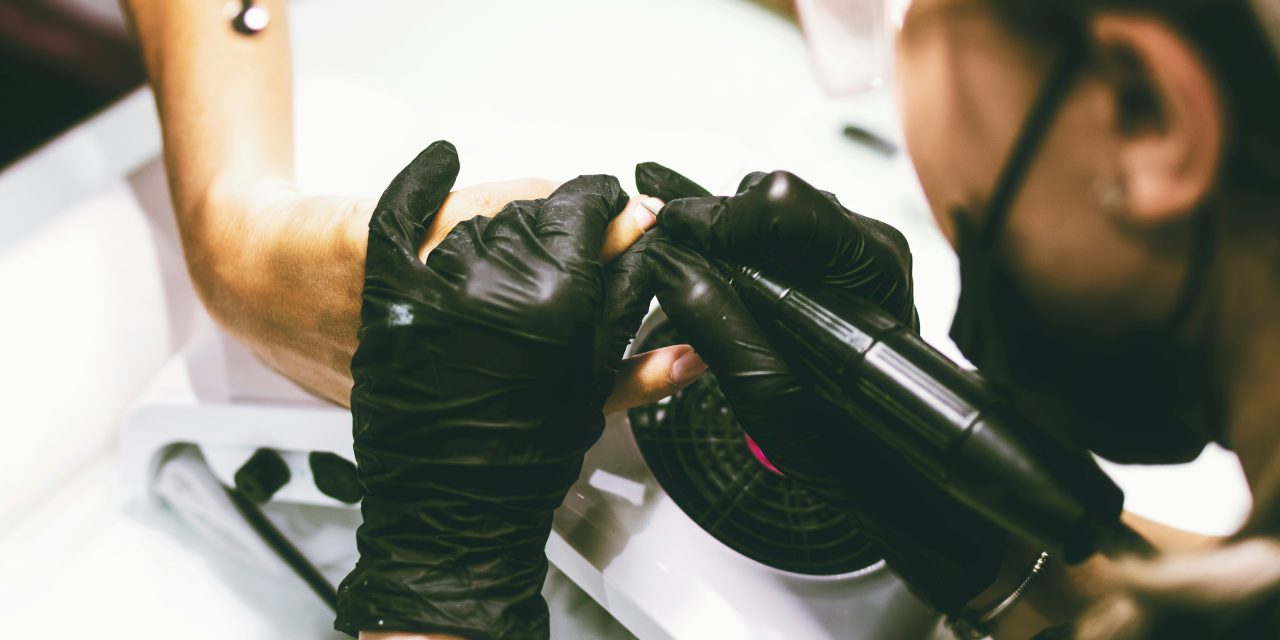
Selecting the appropriate nail buffer is crucial for achieving optimal results while minimizing potential damage. Nail buffers come in various types, including foam buffers, wooden buffers, and electric buffers. Foam buffers are gentle and ideal for those with delicate nails, while wooden buffers provide a firmer approach for tougher nails. Electric buffers offer convenience and efficiency but should be used with caution to avoid over-buffing.
When choosing a buffer, consider the grit level. Buffers typically range from coarse to fine grit; coarse buffers are suitable for shaping and smoothing rough edges, while fine buffers are perfect for achieving a high-gloss finish. It is advisable to start with a medium grit buffer and gradually progress to finer grits as your nails become accustomed to the process. Additionally, ensure that the buffer is made from high-quality materials to prevent splintering or tearing of the nail surface.
Preparing Your Nails Before Buffing

Preparation is key to ensuring a successful buffing session. Begin by removing any existing nail polish using an acetone-free remover to prevent dryness and brittleness. Once the polish is removed, wash your hands thoroughly with soap and water to eliminate any residue or debris that may interfere with the buffing process. Dry your hands completely before proceeding.
Next, assess the condition of your nails. If you notice any signs of damage, such as splits or tears, it may be wise to postpone buffing until your nails have healed. Additionally, consider soaking your nails in warm water for a few minutes to soften them, making them more pliable and easier to buff. This step can also help in removing any dirt or oils that may be present on the nail surface.
How to Properly Clean Your Nails

Proper cleaning of your nails is essential before buffing to ensure that you achieve the best results. Begin by using a soft-bristled brush or an old toothbrush to gently scrub under and around your nails. This will help remove any trapped dirt or debris that could hinder the buffing process. Pay special attention to the cuticles and surrounding skin, as this area can accumulate buildup over time.
After brushing, rinse your hands thoroughly under warm water and dry them with a clean towel. For an added layer of cleanliness, consider using an antiseptic solution or hand sanitizer on your nails and surrounding skin. This will help eliminate any bacteria or fungi that may be present, reducing the risk of infection during the buffing process. Ensuring that your nails are clean will not only enhance the effectiveness of buffing but also promote overall nail health.
If you’re looking to enhance the appearance of your natural nails without causing damage, it’s essential to follow safe buffing techniques. A great resource that provides valuable tips on this topic can be found in this article about nail care. For more insights on maintaining healthy nails, you can check out this informative piece on nail care. Remember, taking the right approach can lead to beautiful, strong nails that shine naturally.
Step-by-Step Guide to Buffing Natural Nails
Buffing natural nails requires a systematic approach to achieve optimal results without causing damage. Begin by selecting your chosen buffer and ensuring it is clean and free from debris. Hold your buffer at a 45-degree angle against the nail surface and gently glide it back and forth in a straight motion. Avoid using circular motions, as this can create uneven surfaces.
Start with a coarse grit buffer if your nails are particularly rough or uneven, then gradually transition to a medium grit buffer for smoothing purposes. Finally, finish with a fine grit buffer to achieve that coveted high-gloss shine. It is essential to limit each buffing session to about 10-15 seconds per nail to prevent over-buffing and potential damage. After buffing each nail, wipe away any dust or debris with a soft cloth or tissue.
If you’re looking to enhance the appearance of your natural nails without causing damage, it’s essential to follow safe buffing techniques. For more insights on maintaining a healthy environment that can contribute to nail care, you might find this article on household pests interesting. It discusses how to manage unwanted guests in your home, which can indirectly affect your overall well-being and nail health. You can read it here: household pests.
Avoiding Over-Buffing: How Much is Too Much?
Over-buffing is a common mistake that can lead to weakened nails and increased susceptibility to breakage. To avoid this issue, it is crucial to establish a routine that allows for adequate recovery time between sessions. Generally, buffing once every two weeks is sufficient for maintaining healthy nails without causing harm.
Pay attention to how your nails feel after each session; if they appear thin or fragile, it may be an indication that you are buffing too frequently or too aggressively. Additionally, monitor for signs of discomfort during the process; if you experience pain or sensitivity, stop immediately and reassess your technique and frequency. Remember that moderation is key when it comes to maintaining healthy natural nails.
Using Gentle Techniques to Prevent Nail Damage
Employing gentle techniques during the buffing process is vital for preserving nail integrity. Always use light pressure when buffing; excessive force can lead to thinning of the nail plate and increase the risk of splitting or peeling. Instead of pressing down hard on the buffer, allow its texture to do the work for you.
Incorporating short strokes rather than long sweeping motions can also help minimize damage. Focus on one section of the nail at a time, ensuring that you do not linger too long on any particular area. Additionally, consider using a buffer specifically designed for natural nails rather than one intended for artificial enhancements, as these may be too abrasive for delicate natural surfaces.
Incorporating Moisturizers and Oils Post-Buffing
After completing your buffing session, it is essential to nourish your nails and cuticles with moisturizers or oils. Applying a high-quality cuticle oil can help restore hydration and prevent dryness that may result from the buffing process. Look for oils containing ingredients such as jojoba oil, vitamin E, or almond oil, which are known for their moisturizing properties.
Massage the oil into your cuticles and surrounding skin gently; this not only hydrates but also promotes blood circulation in the area, further enhancing nail health. Additionally, consider applying a hand cream or lotion to keep your hands moisturized overall. Regularly incorporating these products into your post-buffing routine will help maintain healthy nails and prevent future damage.
Timing Your Buffing Sessions for Optimal Nail Health
Establishing an appropriate schedule for buffing sessions is crucial for maintaining optimal nail health. While individual needs may vary based on nail condition and lifestyle factors, most experts recommend buffing every two weeks as a general guideline. This frequency allows sufficient time for nails to recover while still benefiting from regular maintenance.
It is also essential to consider seasonal changes that may affect nail health; during colder months, nails may become drier and more prone to breakage due to environmental factors. In such cases, adjusting your buffing schedule or incorporating additional moisturizing treatments may be necessary to counteract these effects.
Recognizing When to Take Breaks from Buffing
Listening to your body is paramount when it comes to nail care; recognizing when to take breaks from buffing can prevent long-term damage. If you notice signs of thinning, brittleness, or increased sensitivity in your nails, it may be time to pause your buffing routine temporarily. Allow your nails time to recover by focusing on hydration and nourishment during this period.
Additionally, if you experience any discomfort during buffing sessions or notice changes in nail color or texture, consult with a dermatologist or nail care professional for guidance on appropriate next steps. Taking breaks when necessary will ultimately contribute to healthier nails in the long run.
Maintaining Your Healthy Shine Between Buffing Sessions
To preserve the healthy shine achieved through buffing between sessions, consider implementing additional care practices into your routine. Regularly moisturizing your hands and cuticles will help maintain hydration levels and prevent dryness that can dull shine over time. Additionally, wearing gloves while performing household chores can protect your nails from harsh chemicals and physical damage.
Avoid exposing your nails to excessive moisture or prolonged contact with water whenever possible; this can weaken the nail structure and diminish shine. Lastly, consider using a clear topcoat designed for natural nails if you desire an extra layer of protection without compromising their natural appearance.
In summary, buffing natural nails offers numerous benefits ranging from improved aesthetics to enhanced health through increased blood circulation and early detection of issues. Choosing the right buffer and preparing adequately are essential steps in this process. Proper cleaning techniques ensure optimal results while avoiding over-buffing protects against damage. Gentle techniques combined with post-buffing moisturization contribute significantly to maintaining healthy nails over time. Establishing an appropriate schedule for buffing sessions while recognizing when breaks are necessary will further enhance nail health and appearance in the long run.
FAQs
What is the purpose of buffing natural nails?
Buffing natural nails helps to smooth out ridges, enhance shine, and promote healthy nail growth. It can also prepare the nails for polish application by creating a smooth surface.
How often should I buff my natural nails?
It is recommended to buff natural nails no more than once every two to four weeks. Over-buffing can weaken the nails and lead to damage, so moderation is key.
What tools are safe to use for buffing natural nails?
Safe tools for buffing natural nails include a fine-grit nail buffer or a soft buffing block. Avoid using coarse files or buffers, as they can cause excessive thinning and damage to the nail surface.
Can buffing damage my natural nails?
Yes, if done excessively or with the wrong tools, buffing can damage natural nails by thinning them or causing splits. It is important to use gentle techniques and to limit the frequency of buffing.
Should I apply any products after buffing my nails?
After buffing, it is beneficial to apply a nourishing cuticle oil or a moisturizing hand cream to hydrate the nails and surrounding skin. This helps to maintain nail health and prevent dryness.