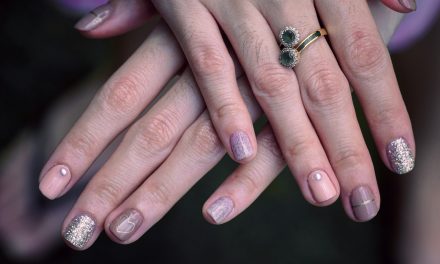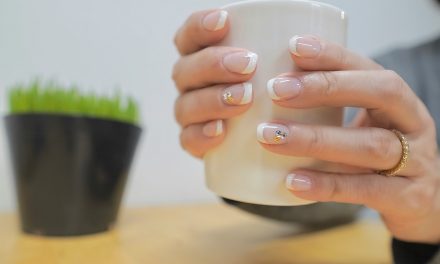
Yellow nail polish stains are a common cosmetic concern that can affect individuals of all ages and genders. These unsightly discolorations can detract from the overall appearance of well-groomed hands and may lead to feelings of self-consciousness. The phenomenon occurs when the pigments in nail polish penetrate the keratin layers of the nails, resulting in a yellowish hue that can be challenging to eliminate. While the aesthetic implications are significant, it is essential to recognize that persistent yellowing may also indicate underlying health issues or improper nail care practices.
The severity of yellow staining can vary widely, from mild discoloration that is barely noticeable to deep, pronounced yellowing that can be quite alarming. Factors contributing to this condition include the type of nail polish used, the duration of wear, and individual nail health. Understanding the causes and solutions for yellow nail polish stains is crucial for maintaining optimal nail aesthetics and health.
If you’re struggling with yellow nail polish stains on your clothes or surfaces, you might find it helpful to explore some clever organization tips that can help you manage your laundry more effectively. For instance, check out this article on smart laundry basket ideas for small homes. By optimizing your laundry space, you can ensure that you have the right tools and methods at hand to tackle those pesky stains and keep your wardrobe looking fresh.
Why Yellow Stains Appear on Nails
Several factors contribute to the development of yellow stains on nails, with the most common being the use of certain nail polishes. Darker shades, particularly those containing strong pigments, are notorious for leaving behind residual color even after removal. Additionally, prolonged exposure to nail polish without adequate breaks can exacerbate staining, as the chemicals in the polish interact with the natural keratin in the nails.
Another significant factor is the presence of moisture and humidity, which can lead to fungal infections or other dermatological conditions that manifest as yellowing. Smoking is also a contributing factor, as nicotine and tar can stain both teeth and nails. Furthermore, certain medical conditions, such as psoriasis or fungal infections, may cause discoloration that mimics yellow nail polish stains. Understanding these underlying causes is essential for effective treatment and prevention.
Preparing Your Nails for Stain Removal

Before embarking on any stain removal process, it is crucial to prepare your nails adequately. Start by removing any existing nail polish using an acetone-free remover to minimize further damage to the nail bed. This step is vital as acetone can dry out nails and exacerbate discoloration. Once the polish is removed, wash your hands thoroughly with soap and water to eliminate any residue from the remover.
Next, assess the condition of your nails and cuticles. If they appear dry or damaged, consider applying a nourishing cuticle oil or hand cream to restore moisture. This preparation phase not only enhances the effectiveness of subsequent stain removal techniques but also promotes overall nail health. By ensuring your nails are clean and well-hydrated, you set the stage for successful treatment.
Using Lemon Juice to Brighten Nails

Lemon juice is a natural bleaching agent known for its ability to brighten and whiten various surfaces, including nails. The citric acid present in lemon juice acts as a gentle exfoliant, helping to lift stains without causing significant damage to the nail structure. To utilize this method, simply squeeze fresh lemon juice into a small bowl and soak your nails for approximately 10-15 minutes.
After soaking, gently scrub your nails with a soft toothbrush or cloth to enhance the stain-lifting effect. Rinse thoroughly with warm water and apply a moisturizing lotion afterward to combat any dryness caused by the acidity of the lemon juice. Regular application of this method can yield noticeable improvements in nail brightness over time.
If you’re struggling with stubborn yellow nail polish stains on your nails or skin, you might find it helpful to explore some effective removal techniques. One useful resource can be found in this article about top cat kennels, which offers tips on maintaining cleanliness in various settings. While it may seem unrelated, the principles of keeping surfaces clean can also apply to removing nail polish stains. Whether you choose to use household items or specialized products, knowing the right methods can make all the difference in restoring your nails to their original state.
Applying Baking Soda Paste for Stain Removal
Baking soda is another effective remedy for yellow nail polish stains due to its mild abrasive properties and alkaline nature. To create a paste, mix two tablespoons of baking soda with a few drops of water until a thick consistency is achieved. Apply this paste directly onto the stained areas of your nails and let it sit for about 10-15 minutes.
After allowing the paste to work its magic, gently scrub your nails with a soft brush or cloth to remove both the paste and any loosened stains. Rinse thoroughly with warm water and follow up with a nourishing hand cream to restore moisture. This method not only helps in stain removal but also promotes overall nail health by exfoliating dead skin cells around the cuticles.
Whitening with Hydrogen Peroxide Soak
Hydrogen peroxide is a powerful antiseptic that can also serve as an effective whitening agent for discolored nails. To use this method, prepare a soak by mixing equal parts hydrogen peroxide and water in a bowl. Submerge your nails in this solution for approximately 10 minutes, allowing the hydrogen peroxide to penetrate and lift stains.
After soaking, gently scrub your nails with a soft brush to enhance the whitening effect. Rinse thoroughly with warm water and apply a hydrating lotion afterward to counteract any potential dryness caused by hydrogen peroxide exposure. This method can be particularly beneficial for individuals with stubborn yellow stains that have resisted other treatments.
Utilizing Toothpaste as a Gentle Abrasive
Toothpaste is not just for dental hygiene; it can also serve as an effective tool for removing yellow stains from nails. The mild abrasives found in toothpaste help scrub away surface stains without damaging the underlying nail structure. To use this method, apply a small amount of non-gel toothpaste directly onto each stained nail.
Using a soft toothbrush or cloth, gently scrub your nails in circular motions for about 2-3 minutes. Rinse thoroughly with warm water and follow up with a moisturizing lotion to replenish lost moisture. This method is particularly useful for quick touch-ups between more intensive stain removal treatments.
Trying Vinegar and Baking Soda Combination
The combination of vinegar and baking soda creates a powerful reaction that can effectively lift stubborn yellow stains from nails. To utilize this method, mix equal parts white vinegar and baking soda in a bowl until it forms a paste. Apply this mixture directly onto your stained nails and allow it to sit for approximately 10-15 minutes.
As the paste works its magic, you may notice bubbling or fizzing—this reaction helps break down stubborn stains. Afterward, gently scrub your nails with a soft brush before rinsing thoroughly with warm water. Finish by applying a nourishing hand cream to restore moisture and protect your nails from future staining.
Rubbing Alcohol for Quick Stain Lift
Rubbing alcohol is an effective solvent that can quickly lift yellow stains from nails without requiring extensive soaking or scrubbing. To use this method, soak a cotton ball or pad in rubbing alcohol and gently rub it over each stained nail until the discoloration begins to lift.
This method is particularly advantageous for individuals seeking a quick solution before an event or outing. After treating your nails with rubbing alcohol, rinse them thoroughly with warm water and apply a hydrating lotion to prevent dryness. Regular use of this method can help maintain nail brightness while minimizing staining.
Preventing Future Yellow Nail Stains
Preventing yellow nail stains requires proactive measures aimed at maintaining both nail health and aesthetics. One effective strategy is to apply a clear base coat before applying colored nail polish; this acts as a barrier between the pigments and your natural nails, reducing the likelihood of staining.
Additionally, consider limiting the duration of wear for dark polishes and allowing your nails to breathe between applications. Regularly moisturizing your cuticles and nails can also help maintain their integrity and prevent discoloration caused by dryness or damage. Lastly, adopting healthier lifestyle choices—such as quitting smoking—can significantly reduce staining caused by external factors.
When to Consult a Professional for Nail Care
While many yellow nail polish stains can be treated at home using various remedies, there are instances when professional intervention is necessary. If discoloration persists despite consistent treatment efforts or if you notice accompanying symptoms such as pain, swelling, or changes in nail texture, it is crucial to consult a dermatologist or licensed nail technician.
Professional assessments can help identify underlying health issues such as fungal infections or dermatological conditions that may require specialized treatment. Additionally, trained professionals can provide tailored advice on maintaining optimal nail health and aesthetics based on individual needs.
In summary, yellow nail polish stains are a common cosmetic concern that can be effectively addressed through various home remedies such as lemon juice soaks, baking soda pastes, hydrogen peroxide treatments, and more. Understanding the causes of these stains allows individuals to take proactive measures in preventing future occurrences while maintaining optimal nail health through proper care practices. For persistent issues or concerning symptoms, seeking professional guidance is always advisable to ensure comprehensive care and treatment options are explored effectively.
FAQs
What causes yellow stains from nail polish?
Yellow stains from nail polish are typically caused by the pigments in the polish, especially darker or more vibrant colors. These pigments can seep into the nail bed, particularly if the polish is left on for an extended period without a base coat, which acts as a barrier.
How can I prevent yellow stains from nail polish?
To prevent yellow stains, always apply a clear base coat before applying colored nail polish. Additionally, avoid using low-quality nail polishes that may contain harsh chemicals and pigments. Regularly giving your nails a break from polish can also help maintain their natural color.
What are some effective methods to remove yellow nail polish stains?
Effective methods to remove yellow nail polish stains include using a mixture of baking soda and water to create a paste, applying it to the stained area, and gently scrubbing. Another option is to soak your nails in a mixture of lemon juice and vinegar, which can help lighten the stains.
Can yellow nail polish stains be permanent?
In some cases, yellow nail polish stains can be difficult to remove and may become permanent if not treated promptly. However, with proper care and the right removal techniques, most stains can be significantly reduced or eliminated.
Is there a specific nail treatment for yellow stains?
Yes, there are specific nail treatments designed to help reduce yellow stains. Look for nail whitening products or treatments that contain ingredients like hydrogen peroxide or baking soda. Regular use of these treatments can help restore the natural color of your nails over time.