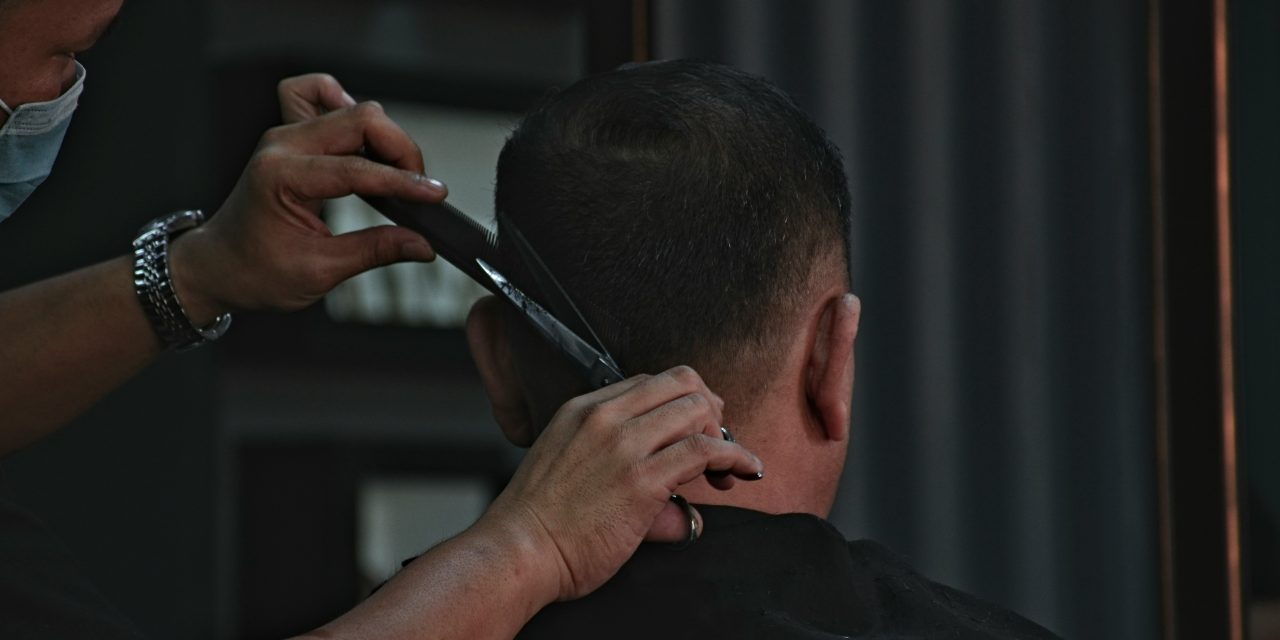
Ear hair trimming is often overlooked in personal grooming routines, yet it plays a crucial role in maintaining both aesthetics and hygiene. Excessive ear hair can lead to an unkempt appearance, which may affect self-esteem and social interactions. Moreover, long ear hair can trap dirt, wax, and bacteria, potentially leading to infections or other auditory complications. Therefore, understanding the significance of safe ear hair trimming is essential for both men and women who wish to present themselves well while ensuring their ear health.
The act of trimming ear hair should not be taken lightly; improper techniques can result in cuts, irritation, or even ingrown hairs. The skin inside the ear canal is delicate and sensitive, making it imperative to approach this grooming task with care. By prioritizing safe trimming practices, individuals can enhance their overall grooming routine while minimizing the risk of adverse effects.
If you’re looking for tips on how to trim ear hair without irritation, you might find it helpful to explore related grooming techniques. For instance, understanding the best practices for maintaining personal hygiene can enhance your overall grooming routine. You can read more about a delicious recipe that might inspire you to treat yourself after a grooming session in this article about slow cooker salsa chicken for tacos and burrito bowls: Slow Cooker Salsa Chicken.
Choosing the Right Tools for Ear Hair Removal
Selecting appropriate tools for ear hair removal is fundamental to achieving a safe and effective grooming experience. Various options are available, including electric trimmers, scissors, and specialized ear hair removal devices. Electric trimmers designed specifically for ear hair are often equipped with safety features such as rounded tips to prevent accidental cuts. These devices are user-friendly and can provide a quick and efficient solution for managing unwanted hair.
Alternatively, small scissors with rounded tips can be used for precision trimming. While they require a steadier hand, they allow for greater control over the trimming process. It is crucial to avoid using regular scissors or razors, as these can lead to injuries or irritation. Additionally, some individuals may opt for depilatory creams; however, caution is advised due to the potential for allergic reactions or chemical burns in such sensitive areas.
Preparing Your Ears Before Trimming

Preparation is key to ensuring a successful ear hair trimming session. Before beginning the process, it is advisable to clean the ears thoroughly to remove any wax buildup or debris that could interfere with visibility and precision. A gentle wash with warm water and mild soap can help achieve this. After cleaning, drying the ears completely is essential to prevent moisture from causing irritation during trimming.
Another preparatory step involves assessing the length and density of the ear hair. This evaluation will guide the trimming technique and tool selection. If the hair is particularly long or thick, it may be beneficial to use a comb to lift the hair away from the skin before trimming. This will provide a clearer view of the area being groomed and help avoid accidental cuts.
Step-by-Step Guide to Trimming Ear Hair Safely

To ensure a safe and effective ear hair trimming experience, following a systematic approach is recommended. Begin by gathering all necessary tools in a well-lit area with a mirror for optimal visibility. Position yourself comfortably, ensuring that you have a steady hand throughout the process.
1. **Inspect the Ears**: Examine both ears closely in the mirror to identify areas that require trimming.
2. **Choose Your Tool**: Select either an electric trimmer or scissors based on your comfort level and the amount of hair present.
3. **Trim Gradually**: Start by trimming small sections of hair at a time. If using scissors, hold them at an angle to avoid cutting too close to the skin.
4. **Use Gentle Pressure**: Apply minimal pressure when using an electric trimmer to prevent irritation.
5. **Check Your Progress**: Periodically step back from the mirror to assess your work and ensure symmetry between both ears.
6. **Clean Up**: After trimming, dispose of any hair clippings properly to maintain cleanliness.
By adhering to these steps, individuals can achieve a polished look while minimizing the risk of injury.
If you’re looking for effective ways to maintain your grooming routine, you might find it helpful to explore techniques on how to trim ear hair without irritation. This process can be tricky, but with the right tools and methods, you can achieve a clean look without discomfort. For additional tips on creating a harmonious environment that attracts beneficial insects, check out this insightful article on how to build a pollinator garden from scratch. You can read it here.
Avoiding Common Mistakes That Cause Irritation
Despite best intentions, many individuals make common mistakes during ear hair trimming that can lead to irritation or injury. One prevalent error is rushing through the process without taking adequate time for precision. This haste can result in uneven trimming or accidental cuts to sensitive skin.
Another mistake involves neglecting proper hygiene before and after trimming. Failing to clean tools or the ear area can introduce bacteria, leading to infections or inflammation. Additionally, using inappropriate tools—such as regular razors or dull scissors—can exacerbate irritation and discomfort.
To mitigate these risks, it is essential to approach ear hair trimming with patience and care. Taking time to prepare adequately and using appropriate tools will significantly reduce the likelihood of adverse effects.
If you’re looking for effective ways to maintain your grooming routine, you might find it helpful to read an article on how to trim ear hair without irritation. This guide offers practical tips and techniques to ensure a comfortable experience while keeping your appearance neat. For more information on related grooming topics, check out this delicious recipe for Mississippi chicken that can make your meal prep just as easy as your grooming routine.
Using Proper Lighting and Mirrors for Precision
Proper lighting and mirror placement are critical components of effective ear hair trimming. Insufficient lighting can obscure visibility, making it challenging to see fine hairs or assess symmetry accurately. Natural light is often ideal; however, if unavailable, bright LED lights can provide adequate illumination.
Positioning mirrors strategically is equally important. A handheld mirror allows for flexibility in angles while a wall-mounted mirror provides stability for a clear view of both ears simultaneously. Utilizing a combination of mirrors can enhance visibility and ensure that all areas are groomed evenly.
How to Soften Ear Hair for Easier Trimming
Soften ear hair before trimming to facilitate a smoother grooming experience. One effective method involves applying warm compresses to the ears for several minutes prior to trimming. The warmth helps relax both the hair follicles and surrounding skin, making it easier to trim without causing discomfort.
Additionally, using a gentle conditioner or oil can further soften the hair itself. Applying a small amount of baby oil or coconut oil can help lubricate the area, allowing for smoother cutting action with scissors or trimmers. This preparation step not only eases the trimming process but also minimizes irritation post-trim.
Post-Trimming Care to Prevent Irritation and Infection
After completing the ear hair trimming process, post-care is essential for preventing irritation and infection. Begin by gently cleaning the trimmed area with mild soap and water to remove any residual hair clippings or debris that may have accumulated during grooming.
Applying an antiseptic solution or soothing ointment can further protect against potential infections or irritations. Products containing aloe vera or calendula are particularly beneficial due to their anti-inflammatory properties. It is advisable to avoid inserting anything into the ear canal immediately after trimming, as this could disrupt healing or introduce bacteria.
When to Avoid Trimming and Seek Professional Help
While many individuals can manage their ear hair grooming at home, certain situations warrant professional intervention. If there is excessive growth that appears abnormal or if there are accompanying symptoms such as pain, swelling, or discharge from the ear canal, it is crucial to consult an otolaryngologist (ear specialist). These symptoms may indicate underlying conditions that require medical attention rather than simple grooming.
Additionally, individuals with certain medical conditions—such as diabetes or compromised immune systems—should exercise caution when considering ear hair trimming at home. In such cases, seeking professional assistance ensures safety and minimizes risks associated with self-grooming.
Natural Alternatives to Trimming Ear Hair
For those seeking natural alternatives to traditional trimming methods, several options exist that may help manage ear hair growth without resorting to cutting tools. One popular method involves using natural waxes or sugaring techniques that remove hair from the root rather than simply cutting it.
Another alternative includes herbal remedies known for their purported ability to inhibit hair growth over time. Ingredients such as turmeric or papaya have been traditionally used in various cultures for this purpose; however, scientific evidence supporting their efficacy remains limited.
Individuals interested in exploring these natural alternatives should conduct thorough research and consider consulting with a healthcare professional before proceeding.
Maintaining Ear Hygiene for Long-Term Comfort
Long-term comfort in managing ear hair involves maintaining proper hygiene practices consistently. Regular cleaning of both the outer ear and surrounding areas helps prevent wax buildup and reduces the risk of infections associated with trapped debris.
Incorporating routine checks into personal grooming schedules ensures that any excessive growth is addressed promptly before it becomes problematic. Additionally, avoiding excessive moisture exposure—such as prolonged swimming without ear protection—can help maintain overall ear health.
By prioritizing hygiene and adopting safe grooming practices, individuals can enjoy long-term comfort while effectively managing ear hair growth.
In summary, safe ear hair trimming is an essential aspect of personal grooming that requires careful consideration of tools, techniques, and hygiene practices. By understanding its importance and following systematic approaches, individuals can achieve optimal results while minimizing risks associated with improper grooming methods. Regular maintenance and awareness of when professional help is necessary will further enhance overall ear health and comfort in the long run.
FAQs
What tools are best for trimming ear hair?
The best tools for trimming ear hair include electric trimmers specifically designed for nose and ear hair, small scissors with rounded tips, and manual ear hair trimmers. Electric trimmers are often preferred for their ease of use and safety features, while scissors can provide precision for small areas.
How can I prevent irritation while trimming ear hair?
To prevent irritation while trimming ear hair, ensure that the area is clean and dry before starting. Use a trimmer with a guard to avoid cutting the skin, and consider applying a soothing lotion or aloe vera after trimming to calm any potential irritation.
Is it safe to trim ear hair at home?
Yes, it is generally safe to trim ear hair at home if done carefully. Using the right tools and techniques can minimize the risk of injury. However, if you have concerns or experience excessive hair growth, consulting a healthcare professional is advisable.
How often should I trim my ear hair?
The frequency of trimming ear hair varies from person to person, depending on hair growth rates. Generally, trimming every few weeks is sufficient for most individuals to maintain a neat appearance without excessive hair growth.
What should I do if I accidentally cut myself while trimming?
If you accidentally cut yourself while trimming ear hair, clean the area gently with soap and water to prevent infection. Apply an antiseptic ointment and cover it with a bandage if necessary. If the bleeding does not stop or if you notice signs of infection, seek medical attention.