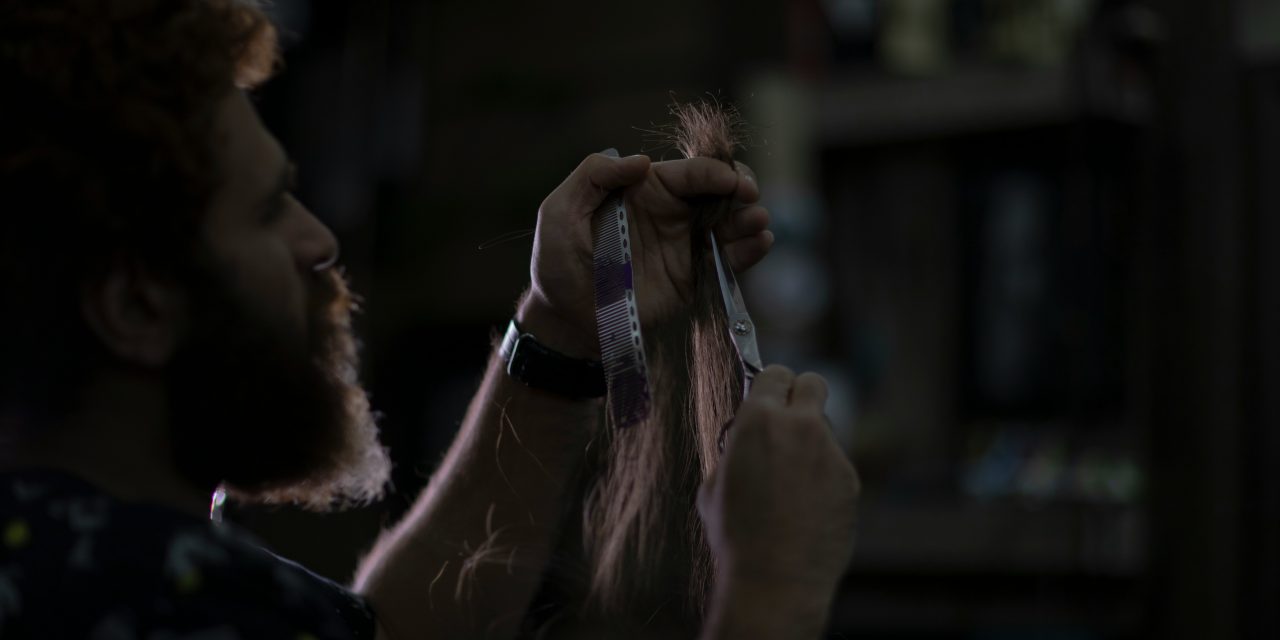
Selecting the appropriate scissors for mustache trimming is paramount for achieving a polished appearance. The ideal scissors should possess specific characteristics that cater to facial hair grooming. First and foremost, opt for scissors designed explicitly for facial hair, as they typically feature a finer blade and a more ergonomic design. Stainless steel is the preferred material due to its durability and resistance to rust, ensuring longevity and consistent performance.
When evaluating scissors, consider the blade length. Shorter blades, typically ranging from 4 to 6 inches, provide enhanced control and precision, allowing for meticulous trimming of even the most unruly hairs. Additionally, look for scissors with rounded tips to minimize the risk of accidental nicks or cuts on sensitive skin. Brands such as Wahl, Tweezerman, and Hattori Hanzo are renowned for their quality grooming tools, making them excellent choices for mustache maintenance.
If you’re looking to refine your grooming skills, you might find it helpful to explore techniques for maintaining your pet’s comfort during winter. For instance, just as you would carefully trim a mustache with scissors for a polished look, it’s essential to protect your dog’s paws from harsh winter conditions. You can read more about this in the article on how to protect your dog’s paws from snow, ice, and road salt by following this link: how to protect your dog’s paws.
Preparing Your Mustache: Washing and Drying for Optimal Results
Before embarking on the trimming process, it is essential to prepare your mustache adequately. Begin by washing your facial hair with a gentle cleanser or specialized beard shampoo. This step not only removes dirt and oil but also softens the hair, making it easier to manage during trimming. A clean mustache allows for a more accurate assessment of length and shape, ensuring that you achieve your desired look.
After washing, thoroughly dry your mustache using a soft towel. Avoid vigorous rubbing, as this can lead to frizz and tangling. Instead, gently pat the hair dry to maintain its natural texture. For those with particularly thick or curly mustaches, consider using a blow dryer on a low heat setting while combing through the hair with a wide-tooth comb. This technique helps to straighten and align the hairs, providing a clearer view of the areas that require trimming.
Setting Up Your Workspace: Lighting and Mirror Placement Tips

Creating an optimal workspace is crucial for effective mustache trimming. Adequate lighting is essential; natural light is ideal as it provides an accurate representation of colors and shadows. If natural light is unavailable, invest in bright LED lights that mimic daylight to illuminate your grooming area effectively. Positioning your light source at eye level will help eliminate harsh shadows that can obscure details during trimming.
Equally important is mirror placement. A well-placed mirror allows for a comprehensive view of your mustache from various angles. Consider using a magnifying mirror in conjunction with a standard one to ensure precision in detailing. Position the mirrors at a comfortable height and distance so that you can maintain a relaxed posture while grooming. This setup will facilitate a more enjoyable and efficient trimming experience.
Comb Through Your Mustache: Detangling and Aligning Hairs

Once your workspace is set up, it’s time to comb through your mustache. Using a fine-toothed comb or a specialized mustache comb, gently detangle any knots or tangles present in the hair. Start from the tips and work your way toward the roots to minimize breakage and discomfort. This step is vital as it allows you to assess the overall length and shape of your mustache accurately.
As you comb through, pay attention to how the hairs naturally fall. Aligning the hairs in their natural direction will provide insight into how they will appear post-trim. This alignment is crucial for achieving a uniform look and ensuring that you do not inadvertently trim too much from one side. Take your time during this step; rushing can lead to uneven results.
If you’re looking to refine your grooming skills, you might find it helpful to read an article on how to trim a mustache with scissors. This guide offers practical tips and techniques to achieve a polished look. For more insights into caring for your furry friends, check out this informative piece on puppy daycare training, which can help you ensure your pup is well-behaved and happy.
Start Small: How to Trim Conservatively for a Natural Look
When it comes to trimming your mustache, adopting a conservative approach is advisable, especially if you are new to grooming. Begin by trimming small sections of hair rather than attempting to take off large amounts at once. This method allows you to gradually achieve your desired length without risking an overly drastic change that may be difficult to rectify.
Utilize the scissors to snip away any excessively long hairs while maintaining the overall shape of your mustache. Focus on areas that appear uneven or stray from the desired contour. By taking small snips, you can assess the results continuously, ensuring that you maintain a natural look throughout the process. Remember, it’s easier to trim more later than to fix an overly short mustache.
Defining the Shape: Techniques to Outline Your Mustache
Defining the shape of your mustache is an art form that requires both skill and patience. To achieve a well-defined outline, start by determining the style you wish to emulate—whether it be a classic handlebar, a chevron, or a more contemporary look. Once you have established your desired shape, use your scissors to carefully outline the edges.
Begin by trimming along the upper lip line, ensuring that both sides are symmetrical. For those with thicker mustaches, consider using thinning shears to reduce bulk while maintaining volume. This technique allows for a more refined appearance without sacrificing fullness. Additionally, utilize your comb to lift hairs away from the skin while trimming; this technique helps create clean lines and enhances definition.
Trimming the Bulk: Using Scissors to Thin and Shape
After defining the outline of your mustache, it’s time to address any bulkiness that may detract from its overall appearance. Thinning shears are particularly effective for this purpose; they feature notched blades designed to remove excess hair without compromising length significantly. When using thinning shears, work in small sections and avoid cutting too close to the skin.
To thin out your mustache effectively, hold the scissors at an angle while cutting into the bulk of the hair rather than straight across. This technique creates texture and movement within the mustache, resulting in a more dynamic look. Be cautious not to over-thin; maintaining some volume is essential for achieving a balanced appearance.
Attention to Detail: Managing Stray Hairs and Edges
Attention to detail is paramount when it comes to mustache grooming. After addressing bulkiness and defining shape, take a moment to inspect your work closely for any stray hairs or uneven edges that may have been overlooked during initial trimming. Use your fine-toothed comb to lift hairs away from the skin and identify areas that require additional attention.
For stray hairs that extend beyond the desired length, use your scissors or trimmers with precision to snip them away carefully. Pay particular attention to areas around the lip line and corners of the mouth where stray hairs can disrupt symmetry. A well-groomed mustache should have clean edges that enhance its overall aesthetic appeal.
Maintaining Symmetry: Tips for Even Trimming on Both Sides
Achieving symmetry is crucial for a well-groomed mustache; unevenness can detract from an otherwise polished appearance. To maintain balance during trimming, frequently step back from the mirror and assess both sides of your mustache from various angles. This practice allows you to identify discrepancies that may not be apparent when viewed up close.
Consider using a ruler or measuring tool as a guide when trimming; this technique can help ensure that both sides are cut to equal lengths. Additionally, trim one side first before moving on to the other side; this approach allows you to replicate the same technique and length consistently across both sides.
Aftercare: Cleaning Up and Conditioning Your Mustache
After completing your trimming session, proper aftercare is essential for maintaining your mustache’s health and appearance. Begin by cleaning your scissors thoroughly with rubbing alcohol or disinfectant wipes to prevent any buildup of hair or bacteria that could compromise their effectiveness over time.
Next, consider applying a conditioning product specifically designed for facial hair care. Beard oils or balms infused with natural ingredients such as jojoba oil or argan oil can help nourish and hydrate both the hair and skin beneath it. These products not only enhance shine but also promote healthy growth while preventing dryness or irritation.
Regular Maintenance: How Often to Trim for a Perfectly Groomed Look
Regular maintenance is key to keeping your mustache looking its best over time. The frequency of trimming largely depends on individual growth rates and personal preferences; however, most individuals find that trimming every 2-4 weeks yields optimal results. This schedule allows you to maintain shape while preventing excessive growth that may lead to unruliness.
In addition to regular trims, consider incorporating grooming routines such as daily combing and conditioning into your regimen. These practices help keep your mustache looking neat while promoting healthy growth patterns.
In summary, mastering the art of mustache trimming involves understanding the right tools, preparing adequately, setting up an optimal workspace, and employing precise techniques throughout each step of the process. By focusing on detail-oriented practices such as defining shape, managing stray hairs, maintaining symmetry, and implementing regular maintenance routines, individuals can achieve a perfectly groomed mustache that enhances their overall appearance while reflecting personal style preferences.
FAQs
What tools do I need to trim a mustache with scissors?
To trim a mustache with scissors, you will need a pair of sharp grooming scissors, a comb, and possibly a mirror for better visibility. It’s also helpful to have a towel or cloth to catch any falling hair.
How do I prepare my mustache for trimming?
Before trimming, wash your mustache with a mild shampoo and dry it thoroughly. This helps to remove any product buildup and allows for a more accurate trim. Comb your mustache to detangle any knots and to see its natural shape.
What is the best technique for trimming a mustache with scissors?
Start by combing your mustache downwards to see its full length. Use the scissors to trim small amounts at a time, cutting from the outside towards the center. This helps maintain a natural shape and prevents cutting too much at once.
How often should I trim my mustache?
The frequency of trimming your mustache depends on how quickly your hair grows and your desired style. Generally, trimming every 1-2 weeks is recommended to maintain a neat appearance, but you can adjust this based on your personal preference.
Can I use regular scissors to trim my mustache?
While you can use regular scissors, it is recommended to use grooming scissors specifically designed for facial hair. Grooming scissors are typically smaller and have a finer tip, allowing for more precision and control during the trimming process.