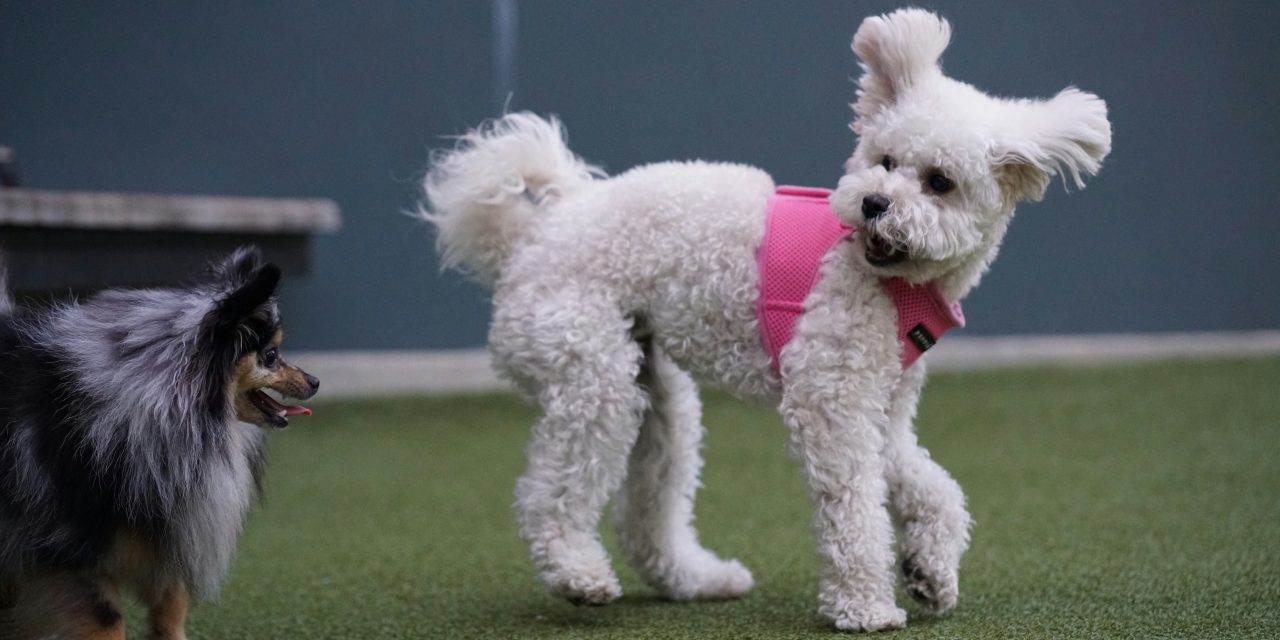
Socialization is a critical aspect of canine development that significantly influences a dog’s behavior and temperament. By exposing your dog to various environments, people, and other animals, you can enhance their social skills, making them more adaptable and less fearful in unfamiliar situations. This exposure helps to mitigate aggressive tendencies and promotes a friendly demeanor. Dogs that are well-socialized tend to exhibit fewer behavioral issues, as they learn to navigate social cues effectively.
Engaging in socialization activities can include visits to dog parks, participation in group training classes, or simply taking walks in busy areas. These experiences allow dogs to interact with diverse stimuli, which is essential for their emotional and psychological growth. The benefits of enhanced socialization skills extend beyond the individual dog; they contribute to a more harmonious community where dogs can coexist peacefully with humans and other pets.
Professional Training to Reinforce Good Behavior
Professional training is an invaluable resource for dog owners seeking to instill good behavior in their pets. Expert trainers utilize evidence-based techniques that focus on positive reinforcement, which encourages desirable behaviors while discouraging negative ones. This method not only fosters a trusting relationship between the dog and the trainer but also enhances the dog’s willingness to learn.
Training sessions often cover essential commands such as sit, stay, and come, which are foundational for ensuring safety and obedience. Moreover, professional trainers can address specific behavioral issues such as excessive barking, jumping, or chewing. By employing tailored strategies, trainers can help owners understand their dog’s unique needs and behaviors, leading to a more harmonious living environment.
Increased Physical Exercise and Stimulation

Physical exercise is paramount for maintaining a dog’s overall health and well-being. Regular activity helps prevent obesity, reduces the risk of chronic diseases, and promotes mental stimulation. Engaging in physical exercise can take many forms, including walks, runs, fetch games, or agility training. Each of these activities not only provides physical benefits but also serves as an opportunity for bonding between the dog and its owner.
Incorporating varied forms of exercise into your dog’s routine can prevent boredom and destructive behaviors that often arise from pent-up energy. For instance, agility training not only enhances physical fitness but also improves coordination and confidence. By ensuring that your dog receives adequate exercise tailored to their breed and energy level, you can significantly enhance their quality of life.
Reduction in Separation Anxiety and Stress

Separation anxiety is a common issue among dogs that can lead to destructive behaviors and emotional distress. By providing consistent training and socialization opportunities, owners can help alleviate these feelings of anxiety. Dogs that are accustomed to being alone for short periods are less likely to experience panic when left alone. Gradual desensitization techniques can be employed to help dogs adjust to being apart from their owners.
Additionally, creating a safe and comforting environment can further reduce stress levels. This may include providing toys that stimulate mental engagement or establishing a designated space where the dog feels secure. Implementing these strategies not only aids in reducing separation anxiety but also fosters a sense of independence in your dog.
Consistent Routine and Structured Environment
Establishing a consistent routine is crucial for a dog’s sense of security and stability. Dogs thrive on predictability; knowing when to expect meals, walks, and playtime helps them feel more at ease in their environment. A structured daily schedule can significantly reduce anxiety and behavioral issues by providing clear expectations for the dog.
Moreover, a well-structured environment allows for better training outcomes. When dogs understand the boundaries and rules set by their owners, they are more likely to respond positively to commands. Consistency in training methods reinforces learning and helps dogs internalize desired behaviors over time.
Opportunities for Mental Enrichment and Learning
Mental stimulation is just as important as physical exercise for a dog’s overall well-being. Engaging in activities that challenge a dog’s cognitive abilities can prevent boredom and promote healthy behavior. Puzzle toys, interactive games, and obedience training are excellent ways to provide mental enrichment.
Incorporating learning opportunities into your dog’s daily routine not only keeps them engaged but also strengthens the bond between owner and pet. Activities such as scent work or trick training can be particularly rewarding for dogs, as they tap into their natural instincts and abilities. By fostering an environment rich in mental challenges, you can enhance your dog’s problem-solving skills and overall happiness.
Improved Obedience and Responsiveness
A well-trained dog is typically more obedient and responsive to commands, which is essential for ensuring safety in various situations. Training sessions that focus on obedience teach dogs to listen attentively to their owners, making it easier to manage their behavior in public spaces or around distractions.
Improved responsiveness also enhances the owner’s ability to communicate effectively with their dog. When dogs understand commands clearly, they are more likely to comply promptly. This mutual understanding fosters a stronger relationship built on trust and respect, ultimately leading to a more enjoyable companionship.
Better Adaptation to New Environments and People
Dogs that receive proper training and socialization are generally better equipped to adapt to new environments and unfamiliar people. Exposure to diverse settings during formative stages helps dogs develop confidence and resilience when faced with change. This adaptability is particularly beneficial when traveling or introducing new pets into the household.
Training programs that emphasize socialization with various people and animals can significantly reduce fear-based reactions in dogs. By gradually introducing them to new experiences in a controlled manner, owners can help their pets become more comfortable in different situations, leading to a well-rounded canine companion.
Support for Puppies During Critical Development Stages
Puppies undergo critical developmental stages during their early months of life, making this period crucial for shaping their future behavior. Professional training programs designed specifically for puppies focus on socialization, basic commands, and positive reinforcement techniques that lay the foundation for lifelong learning.
During this formative period, puppies are particularly receptive to new experiences. Engaging them in socialization activities with other dogs and people helps them develop essential skills such as bite inhibition and appropriate play behavior. Providing support during these critical stages ensures that puppies grow into well-adjusted adult dogs.
Expert Supervision Ensuring Safety and Well-being
Enrolling your dog in professional training classes offers the advantage of expert supervision, which is vital for ensuring safety during training sessions. Experienced trainers are adept at recognizing potential behavioral issues before they escalate, allowing for timely intervention.
Moreover, professional trainers can provide guidance on proper handling techniques that minimize the risk of injury to both the dog and its owner. This level of supervision not only enhances the effectiveness of training but also fosters a safe environment where dogs can learn without fear or anxiety.
Strengthened Bond Between You and Your Dog Through Positive Training
The relationship between an owner and their dog is built on trust, communication, and mutual respect. Positive reinforcement training methods strengthen this bond by encouraging cooperative behavior rather than punitive measures. When dogs associate training sessions with rewards such as treats or praise, they become more eager to engage with their owners.
This positive interaction fosters a deeper emotional connection between the dog and its owner, leading to improved overall behavior. As the bond strengthens through shared experiences during training, both parties benefit from increased happiness and fulfillment in their relationship.
In summary, enhancing your dog’s socialization skills through professional training not only reinforces good behavior but also increases physical exercise while reducing anxiety levels. Establishing a consistent routine creates a structured environment conducive to learning while providing opportunities for mental enrichment fosters obedience and responsiveness. Furthermore, expert supervision ensures safety during training sessions while strengthening the bond between you and your canine companion through positive reinforcement techniques. By investing time in these areas, you can cultivate a well-adjusted dog capable of adapting to various environments while enjoying a fulfilling life alongside you.
### FAQ Section
1. **What age should I start training my puppy?**
– It is recommended to start training your puppy as early as 8 weeks old when they are most receptive to learning.
2. **How long should training sessions last?**
– Training sessions should ideally last between 5-15 minutes for puppies and up to 30 minutes for adult dogs to maintain focus without overwhelming them.
3. **What are some signs of separation anxiety in dogs?**
– Signs include excessive barking or howling when left alone, destructive behavior such as chewing furniture or digging, and attempts to escape from confinement.
4. **How can I socialize my dog safely?**
– Gradually introduce your dog to new environments and people while monitoring their comfort level; use positive reinforcement when they exhibit calm behavior.
5. **What types of physical exercise are best for my dog?**
– The best types of exercise depend on your dog’s breed and energy level; options include walking, running, playing fetch, or engaging in agility courses.
6. **Can older dogs benefit from professional training?**
– Absolutely! Older dogs can learn new behaviors at any age; professional training can help address behavioral issues or reinforce existing commands.
7. **What should I do if my dog shows aggression towards other dogs?**
– Consult with a professional trainer or behaviorist who specializes in aggression; they can provide tailored strategies for managing this behavior safely.
8. **How do I know if my dog is getting enough mental stimulation?**
– Signs include boredom-related behaviors such as chewing or digging; if your dog seems restless or disinterested in toys, they may need more mental challenges.
9. **What are some effective positive reinforcement techniques?**
– Techniques include using treats, praise, or playtime as rewards for desired behaviors; consistency is key for reinforcing learning effectively.
10. **How often should I train my dog?**
– Regular short sessions several times a week are ideal; consistency helps reinforce learning while keeping your dog engaged without overwhelming them.
By addressing these frequently asked questions, dog owners can gain valuable insights into enhancing their pet’s quality of life through effective training methods and socialization practices.
FAQs
What is doggy daycare with training?
Doggy daycare with training is a service that combines traditional dog daycare activities with structured training sessions. This allows dogs to socialize and play with other dogs while also receiving guidance and instruction from professional trainers to reinforce good behavior and teach new commands.
What are the benefits of enrolling my dog in a daycare with training?
Enrolling your dog in a daycare with training offers several benefits, including improved socialization skills, reduced behavioral issues, and enhanced obedience. Additionally, dogs receive mental stimulation and physical exercise, which can lead to a happier and healthier pet.
How are training sessions structured in doggy daycare?
Training sessions in doggy daycare are typically structured to include short, focused lessons throughout the day. These sessions may cover basic commands, leash manners, and socialization skills, often using positive reinforcement techniques to encourage learning and engagement.
What qualifications do trainers at doggy daycare facilities usually have?
Trainers at doggy daycare facilities usually have certifications from recognized organizations, such as the Association of Professional Dog Trainers (APDT) or the Certification Council for Professional Dog Trainers (CCPDT). They often have experience in canine behavior and training methods, ensuring they can effectively teach and manage dogs in a group setting.
Can all dogs participate in daycare with training?
Most dogs can participate in daycare with training, but it is essential to assess each dog’s temperament and behavior. Facilities typically require an evaluation before enrollment to ensure that the dog is well-suited for a group environment and can benefit from the training offered.