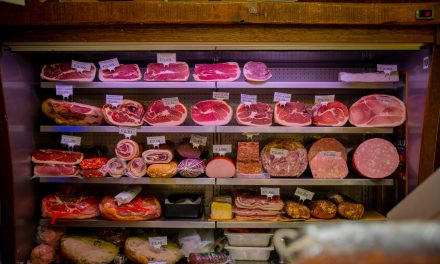
Maintaining appropriate storage temperatures is crucial for preserving the quality and safety of food items. The USDA recommends that refrigerators should be set at or below 40°F (4°C) to inhibit bacterial growth, while freezers should maintain a temperature of 0°F (-18°C) or lower. Understanding these temperature guidelines can significantly extend the shelf life of perishable goods, ensuring that they remain safe for consumption. For instance, meat and poultry should be stored at the coldest part of the refrigerator, typically at the bottom, to prevent cross-contamination with other foods.
Moreover, it is essential to monitor temperature fluctuations, especially during power outages or when the refrigerator door is frequently opened. Utilizing a refrigerator thermometer can provide an accurate reading of internal temperatures, allowing for timely adjustments. Foods stored at improper temperatures can lead to spoilage, resulting in foodborne illnesses. Therefore, adhering to these temperature guidelines is not merely a suggestion but a fundamental practice for food safety.
To extend the shelf life of your food items, it’s essential to maintain a clean and organized kitchen environment. A related article that provides useful tips on maintaining cleanliness is available at this link: How to Clean a Greasy Oven Without Using Harsh Oven Cleaners. By keeping your appliances clean, you can prevent cross-contamination and ensure that your food stays fresh for longer periods.
Use Airtight Containers to Preserve Freshness
Utilizing airtight containers is an effective strategy for preserving the freshness of various food items. These containers create a barrier against air, moisture, and contaminants, which can lead to spoilage and degradation of quality. Glass or BPA-free plastic containers with secure lids are ideal choices for storing leftovers, grains, and snacks. By minimizing exposure to oxygen, these containers help maintain the texture and flavor of foods while also preventing freezer burn in frozen items.
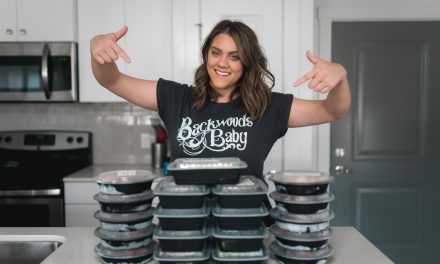
In addition to preserving freshness, airtight containers can also help organize your pantry and refrigerator. By categorizing items into labeled containers, you can easily locate ingredients and reduce food waste. This method not only enhances the longevity of food but also promotes a more efficient cooking experience. Investing in high-quality airtight containers is a small yet impactful step toward maintaining a well-stocked and fresh kitchen.
Keep Fruits and Vegetables Separate

Fruits and vegetables should be stored separately to maximize their freshness and longevity. Ethylene gas, which is naturally emitted by certain fruits such as apples and bananas, can accelerate the ripening process of nearby vegetables. This gas can lead to premature spoilage, resulting in wasted produce. For example, storing tomatoes alongside cucumbers can cause the cucumbers to wilt faster due to ethylene exposure.
To effectively separate these items, consider using designated drawers in your refrigerator or separate baskets on your countertop. Additionally, certain fruits and vegetables have specific storage requirements; for instance, leafy greens thrive in high humidity environments, while root vegetables prefer cooler, drier conditions. By understanding these nuances and implementing proper storage techniques, you can significantly extend the shelf life of your produce.
Store Bread in a Cool, Dry Place

Bread storage requires careful consideration to prevent staleness and mold growth. Ideally, bread should be kept in a cool, dry place away from direct sunlight. A bread box or a paper bag can provide an optimal environment by allowing airflow while protecting the loaf from excessive moisture. Storing bread in plastic bags may trap humidity, leading to mold development.
For longer-term storage, consider freezing bread. Slicing the loaf before freezing allows you to take out only what you need without defrosting the entire loaf. When properly wrapped in plastic wrap or aluminum foil and placed in an airtight container, frozen bread can maintain its quality for up to three months. This method not only preserves freshness but also reduces food waste by extending the usability of your bread.
To enhance the longevity of your garden’s appeal, consider implementing strategies that not only attract pollinators but also extend the shelf life of your plants. A related article discusses various native plants that can thrive in your region while providing essential support for local wildlife. By incorporating these plants into your landscape, you can create a sustainable environment that benefits both your garden and the ecosystem. For more information on this topic, you can read about it in this insightful piece on top native plants to attract pollinators in the Northeast.
Freeze Leftovers Promptly
Promptly freezing leftovers is an essential practice for maintaining food safety and quality. Leftovers should be cooled to room temperature before being placed in the freezer; however, they should not be left out for more than two hours to prevent bacterial growth. Once cooled, transfer them into airtight containers or freezer bags to minimize exposure to air and prevent freezer burn.
Labeling leftovers with dates is crucial for tracking their freshness. Most cooked dishes can be safely stored in the freezer for three to six months, depending on the ingredients used. Regularly checking your freezer inventory can help you utilize older items first, ensuring that nothing goes to waste. By freezing leftovers promptly and correctly, you can enjoy delicious meals later while minimizing food spoilage.
If you’re looking to extend the shelf life of your food products, you might find it helpful to explore various preservation methods. One insightful article discusses the importance of proper storage techniques and how they can significantly impact the longevity of your items. You can read more about this in the article on pest control costs, which highlights the connection between maintaining a pest-free environment and preserving food quality. For more details, check out this informative piece here.
Utilize Vacuum Sealing for Longer Preservation
Vacuum sealing is an advanced preservation technique that removes air from packaging to extend the shelf life of food items significantly. This method is particularly effective for meats, fish, and vegetables, as it inhibits oxidation and prevents freezer burn. Vacuum-sealed foods can last up to five times longer than those stored in traditional packaging methods.
Investing in a vacuum sealer can be beneficial for both home cooks and meal preppers alike. By portioning out meals or ingredients before sealing them, you can streamline your cooking process while ensuring that each item remains fresh until needed. Additionally, vacuum sealing can help preserve seasonal produce by allowing you to enjoy fruits and vegetables year-round without compromising quality.
Label and Date Your Food Items
Labeling and dating food items is a simple yet effective practice that enhances organization and reduces food waste. By clearly marking containers with the contents and date of storage, you can easily track freshness and prioritize consumption based on expiration dates. This practice is particularly important for perishable items such as dairy products, meats, and leftovers.
Incorporating a labeling system into your kitchen routine can also help you maintain an organized pantry or refrigerator. Consider using waterproof markers or pre-printed labels for consistency. Regularly checking your inventory allows you to rotate items effectively—ensuring that older products are used first—thereby minimizing spoilage and maximizing efficiency in meal preparation.
Avoid Overcrowding Your Refrigerator
Overcrowding your refrigerator can lead to uneven cooling and hinder airflow, resulting in spoiled food items. When shelves are packed tightly with groceries, cold air cannot circulate effectively around each item, which may cause some foods to remain at unsafe temperatures for extended periods. This situation increases the risk of bacterial growth and compromises food safety.
To avoid overcrowding, regularly assess your refrigerator’s contents and remove expired or unwanted items. Implementing a “first in, first out” system ensures that older products are consumed before newer ones are added. Additionally, consider organizing your refrigerator by grouping similar items together—such as dairy products on one shelf and meats on another—to facilitate better airflow and maintain optimal temperatures throughout.
Store Dairy Products in the Coldest Part
Dairy products are highly perishable and require specific storage conditions to maintain their freshness and safety. The coldest part of the refrigerator is typically located at the back of the bottom shelf; this area maintains a consistent temperature ideal for dairy items such as milk, cheese, and yogurt. Storing these products in this section helps prevent spoilage caused by temperature fluctuations.
It is also advisable to keep dairy products in their original packaging until use; this packaging is designed to protect against light exposure that can degrade quality over time. Additionally, avoid placing dairy products in the refrigerator door where temperatures fluctuate due to frequent opening and closing. By adhering to these storage guidelines, you can prolong the shelf life of dairy products while ensuring their safety for consumption.
Use Natural Preservatives Like Lemon Juice
Natural preservatives such as lemon juice offer an effective way to extend the shelf life of various foods without relying on artificial additives. The citric acid present in lemon juice acts as a natural antimicrobial agent that inhibits bacterial growth while also preventing oxidation that leads to browning in fruits like apples and avocados. Applying lemon juice immediately after cutting these fruits can help maintain their vibrant color and freshness.
In addition to fruits, lemon juice can be used as a marinade for meats or fish due to its ability to enhance flavor while also acting as a preservative. Other natural preservatives include vinegar and salt; both have been used for centuries to prolong the shelf life of foods through pickling or curing processes. Incorporating these natural alternatives into your food preservation practices not only enhances flavor but also promotes healthier eating habits.
Regularly Check and Rotate Your Pantry Items
Regularly checking and rotating pantry items is essential for maintaining an organized kitchen while minimizing food waste. A systematic approach involves assessing expiration dates on canned goods, grains, spices, and other non-perishable items every few months. This practice allows you to identify products nearing their expiration dates so that they can be used promptly.
Implementing a rotation system—placing newer items behind older ones—ensures that older products are consumed first. Additionally, consider creating an inventory list of pantry items that includes expiration dates; this list can serve as a helpful reference when planning meals or grocery shopping. By routinely checking pantry items and adhering to a rotation system, you can optimize your kitchen’s efficiency while reducing unnecessary waste.
In summary, proper food storage techniques are vital for maintaining freshness and safety while minimizing waste in your kitchen. Understanding storage temperatures, utilizing airtight containers, separating fruits from vegetables, storing bread appropriately, freezing leftovers promptly, vacuum sealing for longer preservation, labeling items clearly, avoiding overcrowding in refrigerators, storing dairy products correctly, using natural preservatives like lemon juice, and regularly checking pantry items are all essential practices that contribute to effective food management. By implementing these strategies diligently, you can ensure that your food remains safe for consumption while maximizing its shelf life.
FAQs
What are some common methods to extend the shelf life of food?
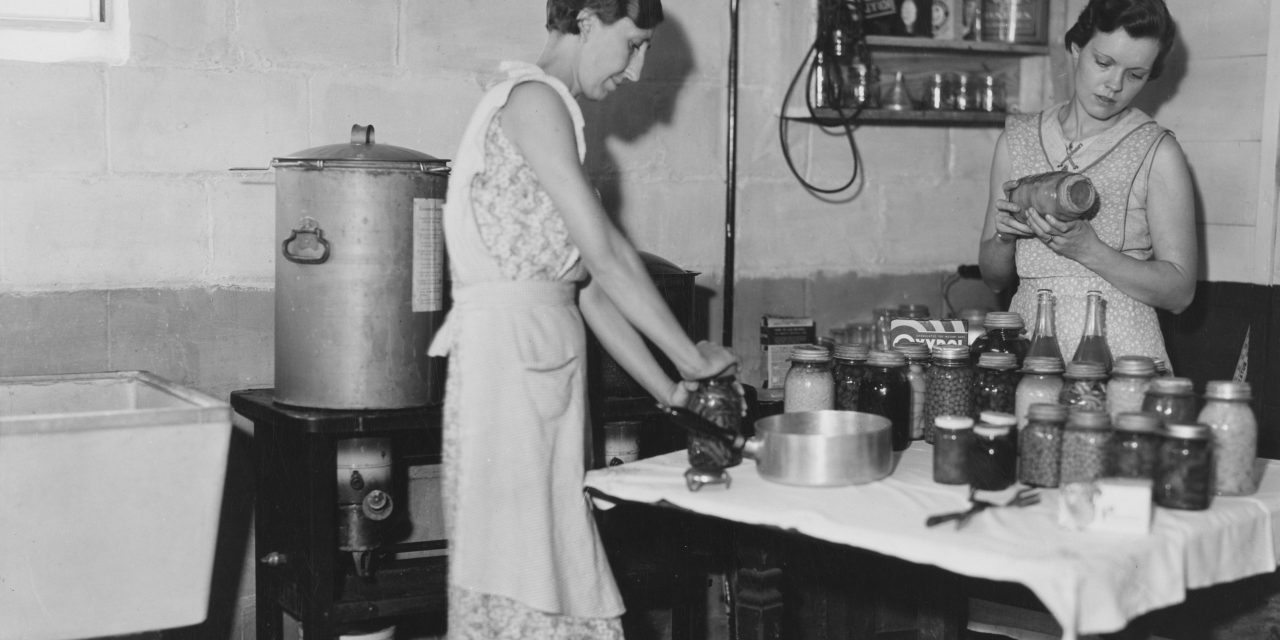
Common methods to extend the shelf life of food include refrigeration, freezing, canning, vacuum sealing, and using preservatives. Each method helps to slow down the growth of bacteria, mold, and yeast, which can spoil food.
How does vacuum sealing help in extending shelf life?
Vacuum sealing removes air from the packaging, which reduces the oxygen levels that bacteria and mold need to grow. This method can significantly prolong the freshness of food items, especially when combined with refrigeration or freezing.
Can extending shelf life affect the nutritional value of food?
Yes, some methods of extending shelf life, such as canning or freezing, can lead to a loss of certain nutrients. However, many foods retain most of their nutritional value when properly preserved. It’s important to choose the right method based on the type of food.
What role do preservatives play in extending shelf life?
Preservatives are substances added to food to prevent spoilage and extend shelf life. They work by inhibiting the growth of bacteria, molds, and yeasts, and can be natural (like salt or vinegar) or synthetic (like sodium benzoate). However, some consumers prefer to avoid synthetic preservatives due to health concerns.
How can proper storage conditions impact shelf life?
Proper storage conditions, such as maintaining the right temperature, humidity, and light exposure, are crucial for extending shelf life. For example, storing food in a cool, dark place can prevent spoilage, while exposure to heat and light can accelerate degradation.