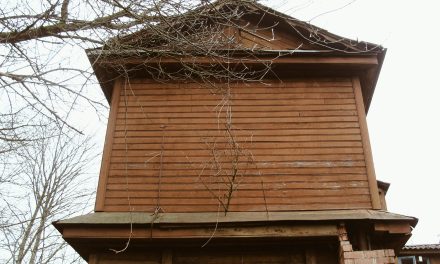
A thorough assessment of your home is the cornerstone of effective maintenance and repair. This process involves a meticulous examination of various components, including structural integrity, plumbing systems, electrical wiring, and aesthetic elements. Begin by conducting a room-by-room inspection, noting any visible signs of wear and tear, such as peeling paint, water stains, or cracks in the walls. Utilize a checklist to ensure that no area is overlooked; this can include checking for leaks under sinks, ensuring that windows open and close smoothly, and assessing the condition of flooring.
In addition to visual inspections, consider the functionality of appliances and systems within your home. For instance, test smoke detectors and carbon monoxide alarms to ensure they are operational. Evaluate the heating and cooling systems for efficiency and effectiveness. By identifying key repair needs early on, homeowners can prioritize tasks based on urgency and budget constraints, ultimately preventing minor issues from escalating into significant problems.
If you’re looking for tips on how to tackle home repairs effectively, you might find this article on home maintenance particularly useful. It discusses common issues homeowners face and offers practical solutions. Additionally, it’s important to consider pest control as part of home upkeep. For instance, understanding what attracts roaches can help you maintain a clean and safe environment. You can read more about this topic in the article here: What Attracts Roaches to Your Bathroom.
Fixing Leaky Faucets for Water Efficiency
Leaky faucets are not only an annoyance but also a significant source of water wastage. A single dripping faucet can waste over 3,000 gallons of water annually, leading to increased utility bills and environmental concerns. The first step in addressing this issue is to identify the type of faucet you have—compression, cartridge, ball, or ceramic disk—as each type has its unique repair method.
To fix a leaky faucet, turn off the water supply and disassemble the faucet using appropriate tools. Inspect washers, O-rings, and seals for wear and replace them as necessary. For cartridge faucets, replacing the entire cartridge may be required if it is damaged. Once repairs are made, reassemble the faucet and turn the water supply back on to check for leaks. Regular maintenance of faucets can significantly enhance water efficiency and contribute to sustainable living practices.
Repairing Drywall Holes and Cracks

Drywall damage is a common issue in many homes, often resulting from everyday wear or accidental impacts. Addressing holes and cracks promptly is essential not only for aesthetic reasons but also for maintaining structural integrity. Small holes can be repaired using a simple patching compound, while larger holes may require a more extensive approach involving a drywall patch.
Begin by cleaning the area around the damage and applying a patching compound with a putty knife. For larger repairs, cut a piece of drywall to fit the hole and secure it with screws. Once the patch is in place, apply joint compound over the seams and feather it out to blend with the surrounding wall. After drying, sand the area smooth before painting to achieve a seamless finish. Regular inspections can help catch drywall issues early, preventing more extensive repairs down the line.
Updating Cabinet Hardware for a Fresh Look

Updating cabinet hardware is one of the simplest yet most impactful ways to refresh your kitchen or bathroom space. New knobs and pulls can dramatically alter the aesthetic without requiring a complete renovation. When selecting hardware, consider factors such as style, finish, and size to ensure they complement existing decor.
To replace cabinet hardware, start by removing old knobs or pulls using a screwdriver. Measure the distance between screw holes to ensure new hardware fits correctly. Once new pieces are selected, install them by aligning them with existing holes or drilling new ones if necessary. This straightforward update can enhance functionality while providing a modern touch to your cabinetry.
If you’re looking for tips on how to tackle home repairs effectively, you might find this article on essential home maintenance helpful. It covers various aspects of DIY projects and offers insights into the best practices for keeping your home in top shape. For more information, you can check out the article here.
Installing New Light Fixtures to Brighten Spaces
Lighting plays a crucial role in setting the ambiance of any room. Installing new light fixtures can transform dull spaces into vibrant areas filled with warmth and character. When selecting fixtures, consider factors such as brightness (measured in lumens), energy efficiency (look for LED options), and style that aligns with your home’s decor.
The installation process typically involves turning off power at the circuit breaker before removing old fixtures. Carefully follow manufacturer instructions for wiring new fixtures, ensuring all connections are secure. Once installed, test the fixture to confirm proper functionality. Upgrading lighting not only enhances aesthetics but also improves energy efficiency, contributing to lower electricity bills.
If you’re considering tackling some home repairs, you might find it helpful to read a related article that offers insights into various services available for pet care while you focus on your home projects. For instance, you can check out this informative piece on top cat boarding services to ensure your feline friends are well taken care of during your DIY endeavors. This way, you can concentrate on your repairs without worrying about your pets.
Patching and Sealing Drafty Windows
Drafty windows can lead to significant energy loss, resulting in higher heating and cooling costs. To address this issue effectively, begin by identifying areas where air leaks occur—common culprits include gaps around frames or worn-out weather stripping.
To patch drafty windows, apply caulk around the edges of the window frame where gaps are present. For larger openings, consider using foam insulation or weather stripping to create an airtight seal. Additionally, installing window film can provide an extra layer of insulation during colder months. Regular maintenance of windows not only improves energy efficiency but also enhances overall comfort within your home.
Replacing Worn-Out Door Locks for Security
The security of your home is paramount, making it essential to regularly assess and replace worn-out door locks. Over time, locks can become less effective due to wear or damage from attempted break-ins. When selecting new locks, consider options such as deadbolts or smart locks that offer enhanced security features.
To replace a door lock, begin by removing the old lockset using a screwdriver. Ensure that you select a new lock that fits the existing hole or be prepared to make adjustments if necessary. Follow manufacturer instructions for installation carefully, ensuring that all components are securely fastened. Regularly updating locks not only enhances security but also provides peace of mind for homeowners.
Refreshing Flooring with Easy-to-Install Options
Flooring significantly impacts both aesthetics and functionality within a home. If your floors are showing signs of wear or damage, consider refreshing them with easy-to-install options such as laminate or vinyl planks. These materials offer durability and style without requiring extensive renovations.
Before installation, prepare the subfloor by ensuring it is clean and level. Begin laying planks from one corner of the room, following manufacturer guidelines for spacing and alignment. Many modern flooring options feature click-lock systems that simplify installation without the need for adhesives or nails. By refreshing flooring, homeowners can enhance their living spaces while increasing property value.
Repairing or Replacing Broken Tiles
Broken tiles can detract from the overall appearance of floors or backsplashes while posing safety hazards if left unaddressed. Repairing or replacing damaged tiles is essential for maintaining both aesthetics and functionality within your home. Begin by assessing whether the tile can be repaired or if replacement is necessary.
For minor cracks or chips, consider using epoxy or tile filler to restore appearance without full replacement. However, if tiles are severely damaged or missing, carefully remove them using a chisel and hammer before installing new tiles with adhesive. Ensure proper alignment and spacing before grouting to achieve a polished finish. Regular maintenance of tiled surfaces can prevent further damage and prolong their lifespan.
Enhancing Outdoor Spaces with Deck Repairs
Outdoor spaces are an extension of your home; thus, maintaining them is crucial for enjoyment and property value. Decks often require repairs due to exposure to weather elements leading to rot or splintering wood. Begin by inspecting your deck for loose boards or structural issues that may compromise safety.
To repair a deck, replace damaged boards with treated lumber designed for outdoor use. Sand rough edges to prevent splinters and apply weather-resistant sealant to protect against moisture damage. Regular cleaning and maintenance can extend the life of your deck while enhancing its appearance for outdoor gatherings.
Maintaining Gutters to Prevent Water Damage
Gutters play an essential role in directing rainwater away from your home’s foundation; thus, regular maintenance is vital to prevent water damage. Clogged gutters can lead to overflow issues that may compromise structural integrity over time. Begin by clearing debris such as leaves and twigs from gutters using gloves and a scoop.
Once cleaned, inspect gutters for signs of damage such as rust or sagging sections that may require repair or replacement. Ensure downspouts direct water away from the foundation by extending them if necessary. Regular gutter maintenance not only protects your home from water damage but also contributes to overall property longevity.
In summary, maintaining your home requires regular assessments and timely repairs across various areas including plumbing fixtures, drywall integrity, cabinetry aesthetics, lighting enhancements, window sealing, security measures, flooring updates, tile repairs, outdoor space improvements, and gutter maintenance. By addressing these key repair needs proactively, homeowners can enhance both comfort and value while preventing more significant issues from arising in the future.
FAQs
What types of repairs does Home Depot offer?
Home Depot offers a variety of repair services including plumbing, electrical work, flooring installation, drywall repair, and appliance installation. They also provide services for kitchen and bathroom remodeling, as well as exterior repairs like roofing and siding.
How can I schedule a repair service with Home Depot?
You can schedule a repair service by visiting the Home Depot website, calling their customer service, or visiting your local Home Depot store. Online scheduling typically involves selecting the type of service you need, choosing a date and time, and providing your contact information.
Are Home Depot repair services covered by a warranty?
Yes, Home Depot typically offers a warranty on their repair services. The specifics of the warranty can vary depending on the type of service performed, so it’s advisable to ask for details at the time of scheduling or during the service consultation.
What are the payment options for Home Depot repair services?
Home Depot accepts various payment methods for repair services, including major credit cards, debit cards, and Home Depot gift cards. Some locations may also offer financing options for larger projects.
Can I get a quote for Home Depot repair services before scheduling?
Yes, Home Depot provides free estimates for many of their repair services. You can request a quote online or by contacting customer service, and a representative will typically assess your needs and provide an estimate based on the scope of the work required.