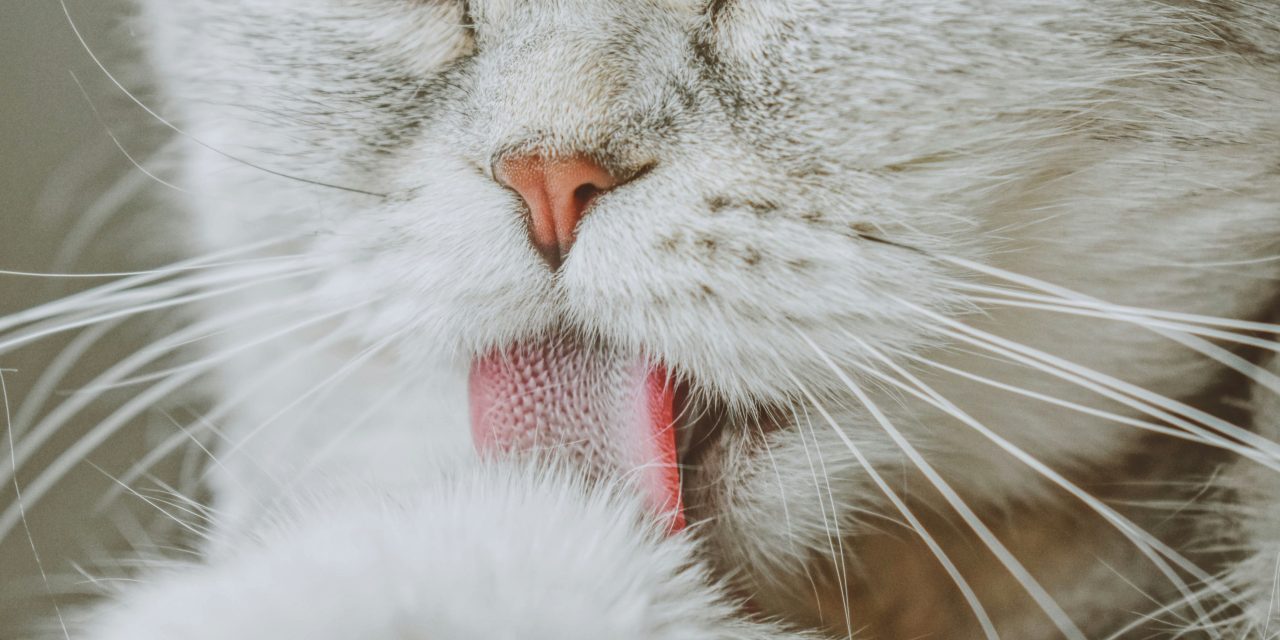
Excessive grooming in felines, clinically referred to as psychogenic alopecia, is a behavioral condition characterized by an abnormal increase in grooming frequency and intensity. This phenomenon can lead to significant dermatological issues, including hair loss, skin irritation, and secondary infections. Understanding the underlying causes of this behavior is crucial for pet owners, as it can stem from a variety of factors, including stress, anxiety, medical conditions, or environmental changes.
Stress-related grooming often arises from changes in a cat’s environment, such as the introduction of new pets, relocation, or alterations in the household routine. Additionally, medical conditions like allergies, skin infections, or parasites can trigger excessive grooming as a response to discomfort. Recognizing these triggers is essential for addressing the behavior effectively. If left unaddressed, excessive grooming can lead to severe skin damage and a decline in overall health.
Recognizing the Signs of Over-Grooming in Your Cat
Identifying the signs of over-grooming is vital for early intervention and treatment. Common indicators include bald patches on the body, particularly around the abdomen, legs, and tail. Cats may also exhibit redness or inflammation of the skin, which can be accompanied by scabs or sores resulting from incessant licking. Behavioral signs may include increased restlessness or agitation, as well as withdrawal from social interactions.
Monitoring your cat’s grooming habits is essential. If you notice your feline friend spending an excessive amount of time grooming—more than 30% of their waking hours—it may be time to investigate further. Observing changes in behavior or physical appearance can provide valuable insights into your cat’s emotional and physical well-being.
Creating a Calm Environment to Reduce Stress-Related Grooming

Establishing a serene environment is paramount in mitigating stress-induced grooming behaviors. Cats are sensitive creatures that thrive in stable surroundings. To create a calming atmosphere, consider implementing strategies such as providing safe spaces where your cat can retreat when feeling overwhelmed. This could include cozy hiding spots or elevated perches that offer a sense of security.
Incorporating soothing elements into your home can also help alleviate anxiety. Utilizing pheromone diffusers or sprays designed for cats can create a calming ambiance. Additionally, maintaining a consistent daily routine can reduce uncertainty and promote a sense of stability for your feline companion.
Regular Brushing Techniques to Prevent Matting and Hairballs

Regular grooming is essential for maintaining your cat’s coat health and preventing issues such as matting and hairballs. Brushing your cat not only removes loose fur but also distributes natural oils throughout the coat, promoting skin health. Depending on your cat’s coat type—short-haired or long-haired—the frequency and technique may vary.
For short-haired breeds, brushing once a week is typically sufficient, while long-haired cats may require daily grooming to prevent tangles and mats. Utilize appropriate brushes such as slicker brushes or bristle brushes tailored to your cat’s coat type. This routine not only keeps their fur looking pristine but also serves as an opportunity for bonding between you and your pet.
Providing a Balanced Diet for Healthy Skin and Coat
Nutrition plays a pivotal role in maintaining optimal skin and coat health in cats. A balanced diet rich in essential fatty acids, vitamins, and minerals is crucial for preventing skin issues that may lead to excessive grooming. Ingredients such as omega-3 and omega-6 fatty acids found in fish oil can significantly improve skin hydration and coat luster.
Consulting with a veterinarian to determine the best diet for your cat is advisable. High-quality commercial cat foods formulated with specific nutrients can support skin health and reduce the likelihood of allergic reactions that may trigger over-grooming behaviors. Additionally, incorporating wet food into their diet can enhance hydration levels, further benefiting their skin condition.
Using Safe and Effective Grooming Tools for Your Cat
Selecting appropriate grooming tools is essential for ensuring a positive grooming experience for your cat. The right tools can make the process more enjoyable while minimizing discomfort. For instance, using a soft-bristle brush or a rubber grooming mitt can help remove loose fur without irritating the skin.
When choosing grooming tools, consider your cat’s coat type and sensitivity level. For cats prone to matting, a dematting comb may be necessary; however, it should be used with caution to avoid causing pain or distress. Regularly cleaning and maintaining these tools will ensure their effectiveness and longevity.
Keeping Your Cat Hydrated to Support Skin Health
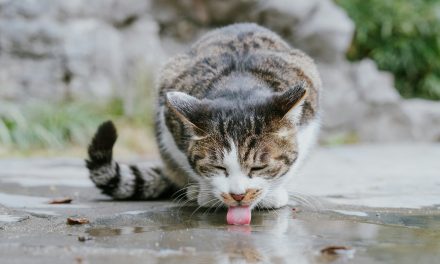
Hydration is critical for maintaining healthy skin and coat in cats. Dehydration can lead to dry skin, which may exacerbate grooming behaviors as cats attempt to alleviate discomfort through excessive licking. Providing fresh water daily is essential; consider using a pet water fountain to encourage drinking, as many cats prefer running water.
Incorporating wet food into your cat’s diet can also contribute to their overall hydration levels. This approach not only enhances their fluid intake but also provides additional nutrients that support skin health. Monitoring your cat’s water consumption is vital; if you notice a significant decrease in their drinking habits, consult with a veterinarian promptly.
Identifying and Managing Allergies That Trigger Grooming
Allergies are a common cause of excessive grooming in cats and can stem from various sources such as food ingredients, environmental allergens (like pollen or dust mites), or flea infestations. Identifying the specific allergen is crucial for effective management. A veterinarian can perform allergy testing to determine potential triggers.
Once allergens are identified, management strategies may include dietary changes, environmental modifications (such as using air purifiers), or implementing flea control measures. In some cases, antihistamines or corticosteroids may be prescribed to alleviate allergic reactions and reduce the urge to groom excessively.
Offering Enrichment and Play to Distract from Over-Grooming
Providing mental stimulation through enrichment activities is an effective strategy for distracting cats from excessive grooming behaviors. Engaging your feline friend with interactive toys, puzzle feeders, or climbing structures can redirect their focus away from grooming and towards play.
Regular play sessions not only provide physical exercise but also foster emotional well-being by reducing stress levels. Incorporating toys that mimic prey behavior—such as feather wands or laser pointers—can stimulate your cat’s natural hunting instincts while keeping them entertained.
When to Consult a Veterinarian About Excessive Grooming
If you observe persistent excessive grooming despite implementing preventive measures, it is crucial to consult with a veterinarian. A thorough examination will help rule out underlying medical conditions that may contribute to this behavior. Your veterinarian may recommend diagnostic tests such as skin scrapings or blood work to identify potential issues.
In cases where behavioral factors are suspected, referral to a veterinary behaviorist may be beneficial. These specialists can provide tailored strategies for addressing anxiety-related grooming behaviors through behavioral modification techniques.
Maintaining Consistency in Grooming Routines for Long-Term Happiness
Establishing a consistent grooming routine is vital for promoting long-term happiness and well-being in your cat. Regular grooming not only helps maintain coat health but also reinforces the bond between you and your feline companion. Aim for a schedule that accommodates both your availability and your cat’s comfort level.
Consistency in grooming routines fosters familiarity and reduces anxiety associated with the process. Over time, your cat will likely come to view grooming as a positive experience rather than a chore. This proactive approach will contribute significantly to their overall happiness and reduce the likelihood of excessive grooming behaviors.
In summary, excessive cat grooming is a multifaceted issue that requires careful observation and intervention by pet owners. By understanding the causes of over-grooming, recognizing signs early on, creating a calm environment, providing proper nutrition, utilizing effective grooming tools, ensuring hydration, managing allergies, offering enrichment activities, consulting veterinarians when necessary, and maintaining consistent routines, you can significantly improve your cat’s quality of life while preventing excessive grooming behaviors from becoming problematic.
FAQs
What is excessive cat grooming?
Excessive cat grooming refers to a behavior where a cat spends an unusually high amount of time grooming itself, often leading to bald patches, skin irritation, or other health issues. This behavior can be a sign of stress, anxiety, or underlying medical conditions.
What causes excessive grooming in cats?
Excessive grooming in cats can be caused by various factors, including stress, anxiety, allergies, skin infections, parasites, or even boredom. It can also be a response to changes in the cat’s environment or routine.
How can I tell if my cat is grooming excessively?
You can tell if your cat is grooming excessively if you notice them spending more than a few hours a day grooming, developing bald spots, or showing signs of skin irritation. Additionally, if your cat seems anxious or restless, it may indicate that grooming is a coping mechanism.
What should I do if my cat is grooming excessively?
If your cat is grooming excessively, it’s important to consult a veterinarian to rule out any medical issues. They may recommend behavioral therapy, environmental enrichment, or medication to help manage stress and reduce grooming behavior.
Can excessive grooming lead to health problems in cats?
Yes, excessive grooming can lead to several health problems in cats, including skin infections, hot spots, and hairballs. It can also indicate underlying health issues that require medical attention, so it’s essential to address the behavior promptly.