Pantry staples are the backbone of any well-stocked kitchen, serving as the foundation for countless meals and culinary creations. These essential ingredients not only provide nourishment but also offer convenience and versatility, allowing home cooks to whip up dishes with minimal effort. Understanding the significance of pantry staples is crucial for maintaining a functional kitchen, especially in times of uncertainty or emergencies when access to fresh produce may be limited.
The importance of pantry staples extends beyond mere convenience; they also contribute to food security and sustainability. By stocking a variety of non-perishable items, individuals can reduce food waste and ensure they have the necessary ingredients on hand to prepare nutritious meals. This article delves into various pantry staples, exploring their types, shelf life, storage tips, and best practices for maintaining freshness.
If you’re interested in perfecting your baking skills, you might want to check out this article on how to make flaky pie crust without tough dough. It provides valuable tips and techniques that can enhance your baking experience and ensure your pies turn out delicious every time. You can read the article here: How to Make Flaky Pie Crust Without Tough Dough.
Rice: Types and Shelf Life Explained
Rice is one of the most widely consumed staple foods globally, with numerous varieties available, including white, brown, jasmine, basmati, and wild rice. Each type has its unique flavor profile and culinary applications. White rice, for instance, is milled to remove the bran and germ, resulting in a longer shelf life of approximately 4-5 years when stored in a cool, dry place. In contrast, brown rice retains its bran layer, providing more nutrients but has a shorter shelf life of about 6 months to 1 year due to its higher oil content.
To maximize the longevity of rice, it is essential to store it in airtight containers away from moisture and light. Vacuum-sealing is an excellent option for long-term storage, as it minimizes exposure to air and pests. Additionally, incorporating oxygen absorbers can further extend the shelf life by reducing oxidation. Regularly checking for signs of spoilage, such as off odors or discoloration, is crucial to ensure the rice remains safe for consumption.
Dried Beans and Lentils: Storage Tips and Longevity

Dried beans and lentils are nutritional powerhouses packed with protein, fiber, and essential vitamins and minerals. They are available in various types, including black beans, kidney beans, chickpeas, and lentils. When stored properly, dried beans can last indefinitely; however, their quality may diminish over time. Generally, they maintain optimal freshness for 2-3 years when kept in a cool, dark environment.
To ensure longevity, it is advisable to store dried beans in airtight containers or vacuum-sealed bags to protect them from moisture and pests. It is also beneficial to keep them away from direct sunlight and heat sources. Before cooking, it is recommended to inspect the beans for any signs of spoilage or insect activity. Soaking dried beans before cooking not only reduces cooking time but also enhances digestibility by breaking down complex sugars that can cause gastrointestinal discomfort.
Pasta: How Long Does It Really Last?

Pasta is a versatile pantry staple that can be used in a myriad of dishes, from hearty casseroles to light salads. The shelf life of pasta varies depending on its type; dried pasta can last anywhere from 1-2 years when stored correctly, while fresh pasta typically has a much shorter shelf life of about 2-3 days if refrigerated.
To prolong the shelf life of dried pasta, it should be stored in a cool, dry place in its original packaging or an airtight container. Avoiding exposure to moisture is crucial, as it can lead to mold growth or spoilage. When it comes to fresh pasta, freezing is an excellent option for extending its usability; simply place it in an airtight container or freezer bag before storing it in the freezer. When ready to use, fresh pasta can be cooked directly from frozen without thawing.
Understanding shelf time is crucial for maintaining the quality of various products, especially in the context of automotive care. For instance, if you’re considering the longevity of your vehicle’s fuel system, it’s essential to know how often to clean your fuel injectors to prevent performance issues. You can find valuable insights on this topic in a related article that discusses the signs indicating the need for cleaning fuel injectors and the recommended frequency for doing so. To learn more, check out this informative piece on cleaning fuel injectors.
Canned Tomatoes: Shelf Stability and Usage
Canned tomatoes are a staple ingredient in many kitchens due to their versatility and long shelf life. They are available in various forms, including whole peeled tomatoes, diced tomatoes, crushed tomatoes, and tomato paste. When stored properly in a cool, dark place, canned tomatoes can last for several years beyond their expiration date.
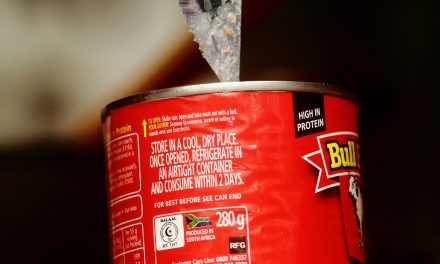
It is essential to inspect cans for any signs of damage or bulging before use, as these may indicate spoilage or contamination. Once opened, canned tomatoes should be transferred to an airtight container and refrigerated for up to 5 days. Canned tomatoes can be used in a variety of dishes such as sauces, soups, stews, and casseroles, making them an invaluable addition to any pantry.
Cooking Oils: Best Practices for Freshness
Cooking oils are fundamental ingredients that enhance flavor and texture in various dishes. Common types include olive oil, vegetable oil, canola oil, and coconut oil. Each oil has its unique properties and smoke points that make them suitable for different cooking methods. However, oils can go rancid over time due to exposure to light, heat, and air.
To maintain freshness, oils should be stored in dark glass bottles or opaque containers away from direct sunlight and heat sources. It is advisable to keep them tightly sealed when not in use. Most oils have a shelf life of about 6 months to 1 year after opening; however, some oils like olive oil may last longer if stored correctly. Regularly checking for off odors or changes in flavor can help determine if an oil has gone bad.
Flour Varieties: Keeping Them Fresh and Safe
Flour is a fundamental ingredient in baking and cooking that comes in various types such as all-purpose flour, whole wheat flour, bread flour, and gluten-free flour blends. Each type has its unique properties that affect the outcome of baked goods. The shelf life of flour varies; all-purpose flour can last up to 1 year when stored properly, while whole wheat flour has a shorter shelf life of about 3-6 months due to its higher oil content.
To keep flour fresh and safe for consumption, it should be stored in airtight containers in a cool, dry place away from moisture and pests. For long-term storage, consider refrigerating or freezing flour to extend its shelf life significantly. Before using flour that has been stored for an extended period, it is advisable to check for any signs of spoilage such as off odors or discoloration.
Sugar and Sweeteners: Storage and Expiry Insights
Sugar is a versatile sweetener that comes in various forms including granulated sugar, brown sugar, powdered sugar, and liquid sweeteners like honey and maple syrup. Sugar has an indefinite shelf life when stored properly; however, its quality may diminish over time due to moisture absorption or clumping.
To maintain sugar’s freshness, it should be stored in airtight containers away from humidity and heat sources. Brown sugar can harden over time; therefore, placing a slice of bread or a marshmallow in the container can help retain moisture and prevent hardening. Liquid sweeteners should be kept tightly sealed in their original containers and stored in a cool place away from direct sunlight.
Salt: The Ultimate Long-Lasting Staple
Salt is one of the oldest known food preservatives and has an indefinite shelf life when stored correctly. It plays a crucial role not only in flavoring food but also in preserving meats and vegetables through curing processes. Various types of salt are available including table salt, sea salt, kosher salt, and Himalayan pink salt.
To ensure salt remains fresh and effective for culinary use, it should be stored in a cool dry place away from moisture. While salt does not spoil or go bad like other food items, it can absorb odors from its surroundings if not stored properly. Keeping salt in airtight containers can help maintain its purity and flavor.
Spices and Herbs: Maximizing Flavor Over Time
Spices and herbs are essential components that elevate dishes with their unique flavors and aromas. However, they do lose potency over time due to exposure to air and light. Whole spices generally have a longer shelf life than ground spices; whole spices can last up to 4 years while ground spices typically last around 2-3 years.
To maximize the longevity of spices and herbs, they should be stored in airtight containers away from direct sunlight and heat sources. Regularly checking for freshness by smelling or tasting can help determine their potency. For optimal flavor retention, consider purchasing whole spices and grinding them as needed rather than buying pre-ground varieties.
Baking Powder and Baking Soda: Shelf Life and Effectiveness
Baking powder and baking soda are essential leavening agents used in baking that help create light and fluffy textures in baked goods. Baking powder typically has a shelf life of about 6 months to 1 year after opening while baking soda can last indefinitely if stored properly.
To ensure effectiveness, both baking powder and baking soda should be kept tightly sealed in their original containers away from moisture and humidity. To test the potency of baking powder, mix a teaspoon with hot water; if it bubbles vigorously, it is still active. For baking soda, adding vinegar should produce fizzing if it is still effective.
Organizing and Rotating Your Pantry for Optimal Freshness
Maintaining an organized pantry is essential for ensuring that pantry staples remain fresh and usable over time. Implementing a first-in-first-out (FIFO) system allows older items to be used before newer ones are added to the stockpile. Regularly checking expiration dates and inspecting items for signs of spoilage will help prevent waste.
Additionally, labeling containers with purchase dates can aid in tracking freshness levels effectively. By understanding the storage requirements and shelf lives of various pantry staples discussed throughout this article—such as rice, beans, pasta, canned goods, oils, flours, sugars, salts, spices—individuals can create a well-stocked pantry that supports culinary creativity while minimizing waste.
In summary, pantry staples play an integral role in meal preparation while contributing to food security at home. By understanding their types, storage methods, longevity factors—and implementing best practices—individuals can ensure their pantry remains stocked with fresh ingredients ready for any culinary endeavor.
FAQs
What is shelf time?
Shelf time refers to the duration that a product can remain on a store shelf before it is sold or becomes unsellable. This period is crucial for retailers and manufacturers as it affects inventory management and product freshness.
How is shelf time determined?
Shelf time is determined by various factors including the type of product, its packaging, storage conditions, and regulatory guidelines. Perishable items typically have shorter shelf lives compared to non-perishable goods.
Why is shelf time important for retailers?
Shelf time is important for retailers because it impacts sales, inventory turnover, and customer satisfaction. Products that exceed their shelf time may lead to waste, loss of revenue, and negative customer experiences.
What are the consequences of exceeding shelf time?
Exceeding shelf time can result in products becoming stale, spoiled, or unsafe for consumption. This can lead to financial losses for retailers, potential health risks for consumers, and damage to brand reputation.
How can businesses manage shelf time effectively?
Businesses can manage shelf time effectively by implementing inventory tracking systems, conducting regular stock audits, and utilizing first-in, first-out (FIFO) practices to ensure older products are sold before newer ones.