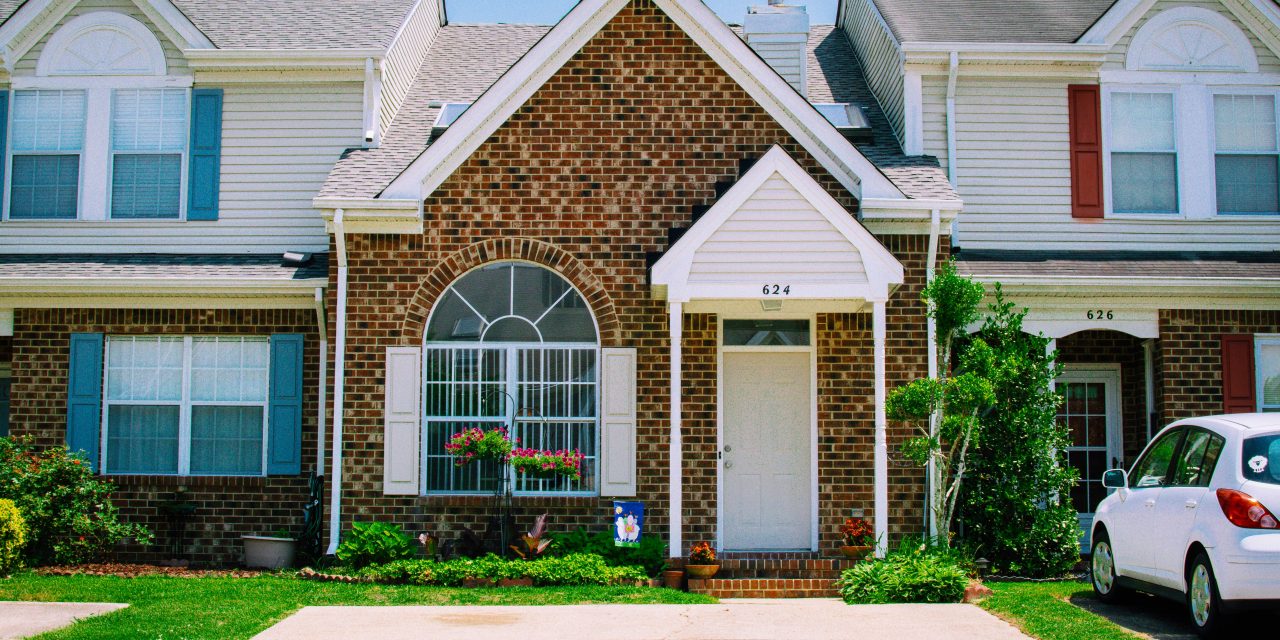
Before embarking on any outdoor cleaning project, it is crucial to conduct a thorough assessment of your specific needs. This initial evaluation will help you identify the areas that require attention, the types of surfaces involved, and the extent of cleaning necessary. Begin by walking around your property and taking note of various surfaces such as driveways, patios, decks, siding, and fences. Pay close attention to any visible dirt, grime, mold, or mildew that may have accumulated over time.
Additionally, consider the seasonal changes that may have impacted your outdoor spaces. For instance, pollen accumulation in spring or debris from autumn leaves can significantly affect the cleanliness of your exterior surfaces. Documenting these observations will provide a clear roadmap for your cleaning efforts and help you prioritize tasks based on urgency and visibility.
For homeowners looking to maintain the exterior of their property, it’s essential to consider not just cleaning but also protecting against pests. A related article that provides valuable insights on safeguarding your home is available at this link: How to Prevent Termites Around Your Home’s Foundation. This resource offers practical tips on preventing termite infestations, which can be a significant concern for the integrity of your house.
Choosing the Right Cleaning Tools and Equipment
Selecting appropriate cleaning tools and equipment is paramount for achieving optimal results while minimizing effort. Depending on the surfaces you plan to clean, various tools may be required. For instance, a pressure washer is ideal for concrete driveways and patios, while a soft-bristle brush may be more suitable for delicate surfaces like wood or vinyl siding.
When considering pressure washers, pay attention to their PSI (pounds per square inch) ratings. A machine with a PSI of 1300-1900 is typically sufficient for residential cleaning tasks, while commercial-grade models can exceed 3000 PSI for heavy-duty jobs. Additionally, ensure you have an assortment of nozzles to adjust the spray pattern according to the surface being cleaned. Other essential tools include brooms, scrub brushes, extension poles, and buckets for manual cleaning tasks.
Preparing the Exterior Surfaces for Cleaning

Preparation is key to effective outdoor cleaning. Before applying any cleaning solutions or utilizing equipment, ensure that the area is free from obstacles and debris. Remove furniture, planters, and any other items that may obstruct your cleaning efforts. This not only facilitates a more thorough clean but also protects your belongings from potential damage during the process.
Next, inspect the surfaces for any loose paint or structural issues that may require attention before cleaning. For example, peeling paint on a wooden deck should be addressed prior to pressure washing to prevent further damage. Additionally, consider rinsing surfaces with water to remove loose dirt and debris before applying any cleaning agents. This preliminary step can enhance the effectiveness of your chosen cleaning solutions.
Using Eco-Friendly Cleaning Solutions Safely

In today’s environmentally conscious society, utilizing eco-friendly cleaning solutions has become increasingly important. Many traditional cleaning agents contain harsh chemicals that can harm both the environment and human health. Opting for biodegradable products not only minimizes your ecological footprint but also ensures the safety of pets and children who may come into contact with treated surfaces.
When selecting eco-friendly solutions, look for products that are free from phosphates and chlorine bleach. Vinegar and baking soda are excellent natural alternatives for tackling tough stains and odors. For mold and mildew removal, consider using a mixture of hydrogen peroxide and water as a safe yet effective solution. Always read labels carefully and follow manufacturer instructions to ensure safe usage and optimal results.
When considering the importance of maintaining a clean exterior for your home, it’s also essential to think about the health and well-being of your pets. Regular vet visits can play a crucial role in keeping your furry friends healthy, especially as they age. For more information on how often you should take your cat to the vet, you can read this insightful article here. Keeping both your home and pets in top shape ensures a happy and healthy living environment.
Mastering Pressure Washing Techniques for Different Surfaces
Pressure washing can be an incredibly effective method for cleaning various outdoor surfaces when executed correctly. However, improper techniques can lead to damage or ineffective cleaning results. Start by adjusting the pressure settings based on the surface material; softer surfaces like wood require lower PSI settings (around 1200-1500 PSI), while harder surfaces like concrete can withstand higher pressures (up to 3000 PSI).
When pressure washing, maintain a consistent distance from the surface—typically 12 to 24 inches—to avoid causing damage. Use sweeping motions rather than direct blasts to ensure even coverage and prevent streaking. Additionally, always work from the top down; this technique allows dirt and debris to flow downward, preventing re-soiling of already cleaned areas.
Cleaning Gutters and Downspouts Efficiently
Gutter maintenance is an essential aspect of outdoor cleaning that often goes overlooked. Clogged gutters can lead to water damage, mold growth, and even structural issues if left unaddressed. Begin by removing debris such as leaves and twigs using a scoop or trowel. A garden hose can then be used to flush out remaining dirt and check for proper drainage.
For downspouts, ensure they are clear by running water through them after cleaning the gutters. If you encounter stubborn blockages, consider using a plumber’s snake or a high-pressure nozzle attachment on your hose to dislodge debris effectively. Regular gutter cleaning should be scheduled at least twice a year—once in spring and once in autumn—to maintain optimal functionality.
Removing Mold, Mildew, and Stains Effectively
Mold and mildew thrive in damp environments and can quickly become a nuisance on outdoor surfaces. To effectively remove these unsightly growths, start by applying a specialized mold remover or a homemade solution of vinegar and water directly onto affected areas. Allow the solution to sit for several minutes to penetrate the spores before scrubbing with a stiff-bristle brush.
For stubborn stains on concrete or stone surfaces, consider using oxygen bleach or a commercial stain remover specifically designed for outdoor use. Always test any new product on a small inconspicuous area first to ensure compatibility with the surface material. After treatment, rinse thoroughly with water to remove any residue.
Maintaining Wooden Decks and Fences During Cleaning
Wooden decks and fences require special care during cleaning to prevent damage from excessive moisture or harsh chemicals. Begin by sweeping away debris and dirt before applying any cleaning solutions. For wooden surfaces, opt for a gentle cleaner specifically formulated for wood to avoid stripping away natural oils.
When pressure washing wooden decks or fences, use a fan nozzle at a low PSI setting (around 1200-1500 PSI) to minimize the risk of splintering or damaging the wood fibers. After cleaning, allow the wood to dry completely before applying any sealants or stains to protect against future weathering.
Protecting Plants and Landscaping While Cleaning
Outdoor cleaning can inadvertently harm surrounding plants and landscaping if proper precautions are not taken. Before beginning any cleaning project, cover delicate plants with tarps or plastic sheeting to shield them from harsh chemicals or debris dislodged during pressure washing.
Additionally, consider using biodegradable cleaning solutions that are less likely to harm vegetation if they come into contact with soil or foliage. When pressure washing near gardens or flower beds, maintain a safe distance from plants and avoid directing high-pressure water directly at them.
Scheduling Regular Outdoor Cleaning for Long-Term Results
Establishing a regular outdoor cleaning schedule is vital for maintaining the aesthetic appeal and longevity of your property’s exterior surfaces. Aim for seasonal cleanings—spring and fall are ideal times to address accumulated dirt and debris after winter weather or summer growth cycles.
Incorporate routine maintenance tasks such as gutter cleaning every six months and pressure washing every year into your schedule. By proactively addressing cleanliness issues before they escalate into larger problems, you can save time and money in the long run while preserving your property’s value.
Hiring Professional Help: When and Why It’s Worth It
While many outdoor cleaning tasks can be accomplished independently, there are instances when hiring professional services is advisable. If you lack the necessary equipment or expertise for specific tasks—such as high-rise window cleaning or extensive mold remediation—consider enlisting professionals who specialize in these areas.
Professional cleaners possess advanced tools and knowledge that can yield superior results compared to DIY efforts. Additionally, they are trained in safety protocols that minimize risks associated with high-pressure equipment or hazardous materials. Investing in professional services can ultimately save you time while ensuring your outdoor spaces are cleaned effectively.
In summary, assessing your outdoor cleaning needs is essential before beginning any project. Choosing appropriate tools and preparing surfaces properly will enhance your results significantly. Utilizing eco-friendly solutions ensures safety for both humans and the environment while mastering techniques like pressure washing will yield optimal outcomes across various surfaces. Regular maintenance schedules will help preserve your property’s integrity over time, while professional assistance may be warranted for more complex tasks. By following these guidelines, you can achieve a clean and well-maintained outdoor space that enhances your home’s curb appeal.
FAQs
What is outside house cleaning?
Outside house cleaning refers to the process of cleaning the exterior surfaces of a home, including walls, windows, roofs, gutters, driveways, and patios. This type of cleaning helps maintain the home’s appearance and prevents damage from dirt, mold, and other environmental factors.
Why is outside house cleaning important?
Outside house cleaning is important for several reasons: it enhances curb appeal, increases property value, prevents damage from buildup of dirt and grime, and promotes a healthier living environment by reducing allergens and pests.
How often should I clean the outside of my house?
The frequency of outside house cleaning depends on various factors such as location, weather conditions, and the type of materials used in your home’s exterior. Generally, it is recommended to clean the outside of your house at least once or twice a year, with more frequent cleanings in areas with heavy rainfall or pollution.
What tools and supplies are needed for outside house cleaning?
Common tools and supplies for outside house cleaning include a pressure washer, garden hose, scrub brushes, brooms, buckets, cleaning solutions (like vinegar or specialized cleaners), and safety gear such as gloves and goggles. The specific tools may vary based on the surfaces being cleaned.
Can I do outside house cleaning myself, or should I hire a professional?
You can certainly do outside house cleaning yourself if you have the right tools and are comfortable with the tasks involved. However, hiring a professional may be beneficial for larger jobs, such as roof cleaning or pressure washing, as they have the expertise and equipment to do the job safely and effectively.