Deglazing is a culinary technique that involves adding liquid to a hot pan to dissolve the browned bits of food, known as fond, that remain after cooking. This process not only enhances the flavor of sauces but also contributes to the overall depth of a dish. The fond is a concentrated source of umami, which is the fifth taste sensation, and it can significantly elevate the taste profile of your meal. By incorporating deglazing into your cooking repertoire, you can transform simple ingredients into complex, restaurant-quality dishes.
The process of deglazing typically follows the cooking of proteins such as meats or vegetables. As these ingredients cook, they release juices and sugars that caramelize and adhere to the bottom of the pan. When liquid is introduced, it helps to lift these flavorful morsels, creating a rich base for sauces. Understanding the fundamentals of this technique is essential for any aspiring chef or home cook looking to enhance their culinary skills.
Deglazing is a fantastic technique that enhances the flavor of your dishes by incorporating the browned bits left in the pan after cooking. For those interested in maintaining a fresh and pleasant aroma in their kitchen while cooking, you might find it helpful to read a related article on how to get musty smells out of towels and keep them fresh. This can be particularly useful when you’re preparing meals that involve deglazing, as a clean and fresh environment can make the cooking experience even more enjoyable. You can check out the article here: How to Get Musty Smells Out of Towels.
Choosing the Right Pan for Deglazing
Selecting an appropriate pan is crucial for successful deglazing. Ideally, you should use a heavy-bottomed skillet or sauté pan made from materials such as stainless steel or cast iron. These materials are excellent conductors of heat and allow for even cooking, which is essential for developing fond. Non-stick pans, while convenient for cooking, are not recommended for deglazing because they do not create sufficient fond due to their smooth surfaces.
When choosing a pan, consider its size in relation to the quantity of food being cooked. A larger pan allows for better heat distribution and prevents overcrowding, which can lead to steaming rather than browning. Additionally, ensure that the pan has high sides to contain the liquid during deglazing and prevent splattering. By investing in quality cookware, you can achieve optimal results in your deglazing endeavors.
Selecting the Perfect Liquid for Flavor Enhancement

The choice of liquid used for deglazing plays a pivotal role in flavor enhancement. Common options include stock, wine, vinegar, or even fruit juices, each imparting unique characteristics to the sauce. For instance, using white wine can add acidity and brightness, while red wine contributes depth and richness. Stock made from bones or vegetables provides a savory foundation that complements various dishes.
When selecting a liquid, consider the primary ingredients in your dish. For example, if you are cooking chicken, a white wine or chicken stock would harmonize well with the flavors. Conversely, when preparing beef dishes, red wine or beef stock can enhance the overall taste profile. Additionally, incorporating acidic components like vinegar can help balance richness and elevate flavors. Experimenting with different liquids allows you to discover new dimensions in your cooking.
Timing: When to Start Deglazing During Cooking

Timing is critical when it comes to deglazing. The ideal moment to begin this process is immediately after removing the cooked protein from the pan while it is still hot. Allowing the fond to sit too long can lead to burning and bitterness, which will negatively impact the flavor of your sauce. As soon as you remove the food, reduce the heat slightly before adding your chosen liquid.
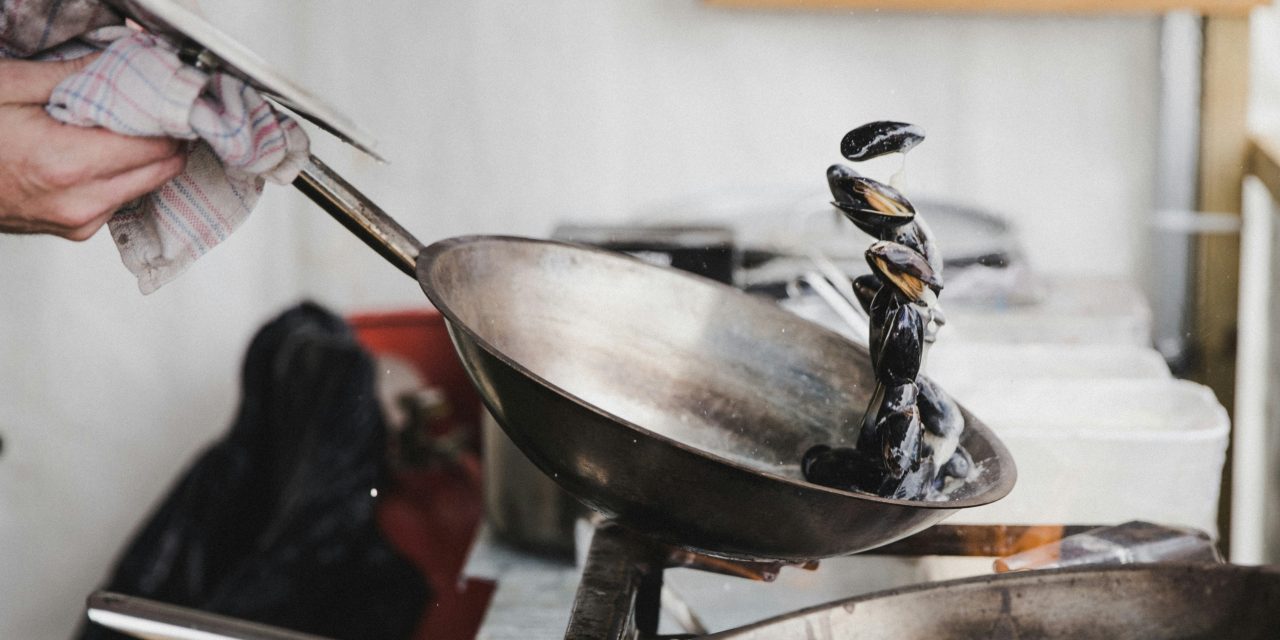
Once you add the liquid, it is essential to scrape the bottom of the pan with a wooden spoon or spatula to loosen the fond effectively. This action should be done gently but thoroughly to ensure that all flavorful bits are incorporated into the sauce. The heat should be maintained at a medium level to allow for proper evaporation and concentration of flavors without burning the sauce.
Deglazing is an essential technique in cooking that enhances the flavor of sauces and dishes by incorporating the browned bits left in the pan after searing meat or vegetables. For those looking to improve their culinary skills, understanding the nuances of deglazing can elevate your cooking experience. If you’re interested in organizing your kitchen space to make cooking more efficient, you might find this article on organizing a dresser particularly helpful, as a well-organized kitchen can streamline your cooking process and make techniques like deglazing even more enjoyable.
Proper Heat Settings to Avoid Burning
Maintaining appropriate heat settings during deglazing is vital for achieving a balanced sauce without burnt flavors. After removing your protein from the pan, reduce the heat to medium or medium-low before adding your liquid. This adjustment allows for controlled evaporation and prevents rapid boiling, which can scorch the sauce.
If you notice that the liquid is evaporating too quickly or if it begins to bubble aggressively, lower the heat further. The goal is to create a gentle simmer that encourages flavor development without compromising quality. Monitoring the temperature closely will help you avoid undesirable burnt notes in your final sauce.
Deglazing is a fantastic technique that enhances the flavor of your dishes by incorporating the browned bits left in the pan after cooking. This method not only adds depth to sauces and gravies but also helps in cleaning the pan itself. If you’re interested in improving your cooking skills further, you might find this article on cleaning your mass airflow sensor quite useful, as it shares valuable tips that can be applied to maintaining your kitchen tools and equipment. By mastering both deglazing and proper maintenance, you can elevate your culinary creations while ensuring your kitchen remains in top shape.
Techniques for Loosening Fond Without Losing Flavor
To effectively loosen fond without sacrificing flavor, employ specific techniques that maximize extraction while preserving integrity. Begin by adding your chosen liquid gradually rather than all at once; this allows you to control how much fond is released into the sauce. Use a wooden spoon or spatula to scrape along the bottom of the pan gently, ensuring that you capture every bit of flavor.
Another technique involves using a splash of liquid to deglaze small sections of fond at a time. This method allows you to focus on areas where fond has accumulated most densely while preventing dilution of flavors throughout the entire sauce. By taking your time and being methodical in your approach, you can create a rich and flavorful base for your dish.
Incorporating Aromatics to Elevate Your Sauce
Aromatics are essential components that can elevate your deglazed sauce from ordinary to extraordinary. Ingredients such as onions, garlic, shallots, and herbs can be sautéed in the residual fat left in the pan before deglazing. This step infuses additional layers of flavor into your sauce and enhances its complexity.
When incorporating aromatics, consider their cooking times; some ingredients may require longer sautéing than others. For example, onions may need several minutes to caramelize fully before adding liquid, while garlic should be added later in the process to prevent burning. Balancing these elements will result in a harmonious sauce that complements your dish beautifully.
Balancing Acidity and Sweetness in Deglazing Liquids
Achieving balance between acidity and sweetness in your deglazing liquids is crucial for creating a well-rounded sauce. Acidity brightens flavors and cuts through richness, while sweetness adds depth and complexity. When selecting liquids for deglazing, consider how their inherent characteristics will interact with one another.
For instance, if using a tart vinegar or citrus juice as part of your deglazing liquid, consider pairing it with a touch of honey or maple syrup to counterbalance sharpness. Conversely, if using sweeter wines or juices, adding a splash of vinegar can help maintain equilibrium in flavor profiles. Experimenting with different combinations will allow you to discover what works best for your palate.
Straining and Reducing the Deglazed Sauce
Once you have successfully deglazed your pan and incorporated all desired flavors, straining and reducing the sauce is often necessary for achieving optimal consistency and clarity. Straining removes any solid particles or impurities that may detract from the smooth texture of your sauce. Use a fine-mesh sieve or cheesecloth to strain out any remaining aromatics or fond.
After straining, return the liquid to the heat and allow it to reduce further until it reaches your desired thickness. This process concentrates flavors and enhances richness while ensuring that your sauce has an appealing mouthfeel. Be vigilant during reduction; overcooking can lead to bitterness or an overly thick consistency.
Using Deglazed Sauces as Bases for Complex Dishes
Deglazed sauces serve as versatile bases for creating complex dishes that impress diners with their depth of flavor. Once you have prepared a rich sauce from deglazing, consider incorporating additional ingredients such as cream, butter, or stock to create variations tailored to specific dishes.
For example, adding cream can transform a simple wine-based sauce into a luxurious cream sauce perfect for pasta or chicken dishes. Alternatively, incorporating fresh herbs or spices can introduce new dimensions that complement seasonal ingredients beautifully. The possibilities are endless when utilizing deglazed sauces as foundational elements in your culinary creations.
Common Mistakes to Avoid for Consistent Deglazing Success
To achieve consistent success with deglazing, it is essential to avoid common pitfalls that can compromise flavor and texture. One frequent mistake is neglecting to scrape up all fond from the bottom of the pan; this results in missed opportunities for flavor enhancement in your sauce. Always take care to thoroughly loosen all browned bits before proceeding.
Another common error involves using too much liquid too quickly; this can dilute flavors rather than concentrate them. Gradually adding liquid allows for better control over flavor extraction and ensures that you achieve a rich sauce without overwhelming it with excess moisture. By being mindful of these mistakes and employing best practices in deglazing techniques, you can elevate your culinary skills significantly.
In summary, mastering deglazing is an invaluable skill that enhances both flavor and complexity in cooking. By understanding its fundamentals—such as choosing appropriate pans and liquids—timing your actions correctly, and incorporating aromatics—you can create rich sauces that elevate any dish. Avoiding common mistakes ensures consistent success while allowing room for creativity in developing unique flavor profiles tailored to individual preferences. With practice and experimentation, deglazing will become an essential technique in your culinary repertoire.
FAQs
What is deglazing in cooking?
Deglazing is a culinary technique used to dissolve the browned bits of food that are stuck to the bottom of a pan after cooking. This is typically done by adding a liquid, such as broth, wine, or vinegar, to the hot pan and scraping the bottom with a spatula to incorporate the flavorful residues into a sauce or gravy.
What types of liquids can be used for deglazing?
Common liquids used for deglazing include wine (red or white), stock or broth (chicken, beef, or vegetable), vinegar (balsamic, red wine, or apple cider), and even water. The choice of liquid can affect the flavor of the final dish, so it’s important to select one that complements the ingredients used in cooking.
When should you deglaze a pan?
Deglazing should be done immediately after cooking meat or vegetables, while the pan is still hot. This is when the browned bits, known as fond, are most easily released. It is typically done before making a sauce or gravy, allowing the flavors to meld together.
Can deglazing be done with non-alcoholic liquids?
Yes, deglazing can be effectively done with non-alcoholic liquids such as broth, stock, or even fruit juices. These alternatives can provide a different flavor profile while still helping to lift the fond from the pan.
Is deglazing necessary in cooking?
While deglazing is not strictly necessary, it is a highly recommended technique for enhancing the flavor of sauces and gravies. It allows cooks to utilize all the flavors developed during the cooking process, resulting in a richer and more complex final dish.