Amber has long captivated the senses, serving as a cornerstone in the world of perfumery. This rich, multifaceted note is not derived from a single source but is rather a complex blend of various resins, oils, and other aromatic compounds. Its allure lies in its ability to evoke warmth, depth, and a sense of nostalgia, making it a favorite among perfumers and fragrance enthusiasts alike. The use of amber in perfumes dates back centuries, with its origins rooted in ancient civilizations that recognized its enchanting properties. Today, amber continues to be a sought-after ingredient, celebrated for its versatility and ability to enhance a wide range of fragrance compositions.
The significance of amber in modern perfumery cannot be overstated. It serves as a bridge between different scent families, harmonizing floral, woody, and spicy notes. Its unique characteristics allow it to evoke emotions and memories, making it an essential element in crafting signature scents. As we delve deeper into the world of amber, we will explore its origins, composition, olfactory profile, and its role in creating unforgettable fragrances.
Amber is a warm and rich scent often used in perfumes, characterized by its sweet, resinous, and slightly earthy notes. Many fragrance enthusiasts are curious about how amber is incorporated into various perfumes and what it truly smells like. For those interested in exploring more about scents and their impact on everyday items, you might find this article on how to remove yellow stains from a mattress particularly intriguing, as it highlights the importance of maintaining a clean environment that can enhance your overall sensory experience. You can read more about it here: how to remove yellow stains from a mattress.
The Origin and Composition of Amber Notes
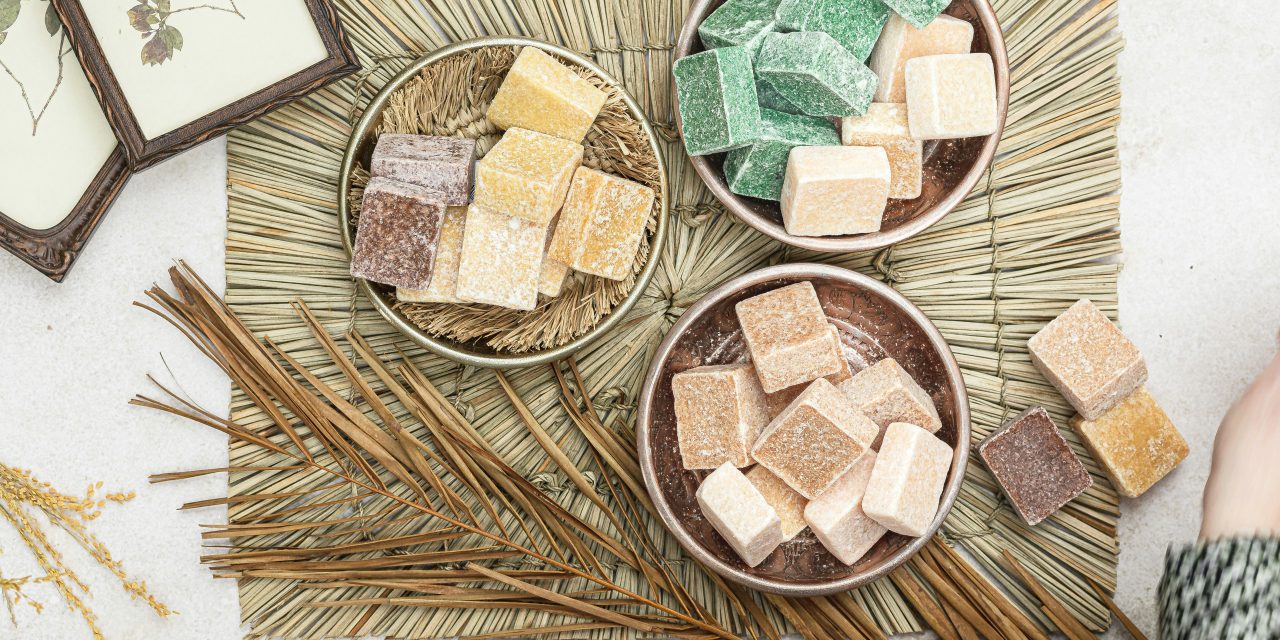
Amber is not a singular substance but rather a composite note that can be derived from various sources. Traditionally, it is associated with fossilized tree resin, particularly from coniferous trees. However, in perfumery, amber is often synthesized or created using a combination of natural and synthetic ingredients to achieve the desired olfactory profile. The primary components that contribute to the amber scent include labdanum, benzoin, and styrax. These resins are known for their warm, balsamic qualities and are often blended with other aromatic substances to create the rich amber note.
The complexity of amber lies in its ability to evolve over time. When first applied, it may present a sweet and resinous aroma that gradually deepens into a warm, earthy scent. This transformation is influenced by the interaction of amber with other fragrance notes, allowing it to adapt and enhance the overall composition. The versatility of amber makes it an ideal choice for both niche and mainstream fragrances, appealing to a wide audience with varying scent preferences.
What Does Amber Smell Like?

Describing the scent of amber can be challenging due to its multifaceted nature. Generally, amber is characterized by its warm, sweet, and resinous aroma that evokes feelings of comfort and coziness. It often carries hints of vanilla, honey, and spices, creating a rich tapestry of scents that envelops the wearer. The sweetness of amber is balanced by its earthy undertones, which lend depth and complexity to the fragrance.
In addition to its sweetness, amber can also exhibit a slightly powdery quality that adds to its allure. This powderiness can evoke memories of soft textiles or warm skin, enhancing the intimate experience of wearing an amber-infused fragrance. Overall, the scent of amber is both inviting and sophisticated, making it a timeless choice for those seeking a signature scent that resonates with their personality.
The Warmth and Sweetness of Amber Scents

Amber’s warmth is one of its most defining characteristics. This warmth can be attributed to the resinous nature of its components, which create a comforting aura around the wearer. When incorporated into perfumes, amber often serves as a base note that anchors the fragrance and provides longevity. Its sweet profile complements floral and fruity notes beautifully, creating harmonious blends that are both alluring and memorable.
The sweetness of amber is not cloying; rather, it is nuanced and sophisticated. It can evoke images of sun-drenched landscapes or cozy evenings by the fireplace. This duality—warmth combined with sweetness—makes amber an ideal choice for both daytime and evening wear. Whether layered with fresh citrus notes or deep woods, amber enhances the overall fragrance experience by adding depth and richness.
Amber is a captivating note often found in perfumes, known for its warm, resinous, and slightly sweet aroma that can evoke feelings of comfort and nostalgia. If you’re curious about how amber is used in various fragrances and its impact on scent profiles, you might find this related article on easy crockpot turkey breast with garlic herb butter interesting, as it explores the nuances of flavor and aroma in cooking, which can parallel the complexities of scent in perfumery. For more insights, check out the article here.
How Amber Enhances Fragrance Blends
Amber’s role in fragrance blending cannot be underestimated. As a base note, it provides stability and longevity to perfumes, ensuring that the scent lingers on the skin throughout the day. Its ability to harmonize with other notes allows perfumers to create complex compositions that tell a story through scent. For instance, when paired with floral notes like jasmine or rose, amber can soften the sharpness of these blooms while adding warmth and depth.
Moreover, amber acts as a binding agent in fragrance formulations. It helps to unify disparate elements within a perfume, creating a seamless olfactory experience. This quality makes it particularly valuable in niche perfumery, where unique combinations are often explored. By incorporating amber into their creations, perfumers can elevate their compositions from simple blends to intricate masterpieces that resonate with wearers on an emotional level.
Amber is a captivating note in the world of perfumery, often described as warm, resinous, and slightly sweet, evoking a sense of coziness and nostalgia. Many fragrance enthusiasts are curious about what amber truly smells like and how it contributes to the overall scent profile of a perfume. For those interested in exploring more about the nuances of fragrance notes and their impact on scent, you can check out this insightful article on grooming and care essentials for senior pets, which also touches on the importance of comfort and familiarity in their environment. Discover more about these connections in the article here.
Top 10 Amber Perfumes to Experience the Scent
1. **Tom Ford Amber Absolute** – A luxurious blend featuring rich resins and warm spices.
2. **Guerlain Ambre Eternel** – A sophisticated interpretation of amber with floral undertones.
3. **Yves Saint Laurent Ambre Sultan** – A bold fragrance that combines amber with aromatic herbs.
4. **Jo Malone Amber & Lavender** – A fresh take on amber that balances sweetness with herbal notes.
5. **Diptyque Ambre** – A warm and inviting scent that captures the essence of resinous woods.
6. **Serge Lutens Ambre Sultan** – A complex fragrance that showcases the depth of amber alongside spices.
7. **Maison Francis Kurkdjian Grand Soir** – An elegant blend that highlights the richness of amber.
8. **L’Artisan Parfumeur Ambre** – A classic interpretation that emphasizes warmth and sweetness.
9. **Acqua di Parma Colonia Ambra** – A fresh yet warm scent that combines citrus with amber.
10. **Byredo Ambre Japonais** – A unique fragrance that blends amber with exotic spices.
Amber Perfumes for Women: Popular Choices
Women seeking amber-infused fragrances have a plethora of options available to them. One standout choice is **Guerlain’s Ambre Eternel**, which artfully combines floral notes with rich amber for an elegant finish. Another popular selection is **Jo Malone’s Amber & Lavender**, which offers a refreshing twist on traditional amber scents by incorporating herbal elements that enhance its overall appeal.
For those who prefer something more daring, **Serge Lutens’ Ambre Sultan** presents an intriguing blend of spices and resins that create an unforgettable olfactory experience. Each of these fragrances showcases the versatility of amber while catering to different preferences and occasions.
Amber Perfumes for Men: Signature Scents
Men’s fragrances featuring amber often emphasize strength and masculinity while retaining the warmth associated with this note. **Tom Ford’s Amber Absolute** stands out as a luxurious option that combines rich resins with bold spices for an assertive scent profile. Another excellent choice is **Yves Saint Laurent’s Ambre Sultan**, which offers an aromatic experience that balances earthy notes with sweet undertones.
For those seeking something unique yet approachable, **Maison Francis Kurkdjian’s Grand Soir** presents an elegant interpretation of amber that is both sophisticated and versatile. These fragrances exemplify how amber can be tailored to suit masculine sensibilities while maintaining its inherent warmth.
Layering Amber with Other Fragrance Notes
Layering fragrances is an art form that allows individuals to create personalized scents tailored to their preferences. Amber serves as an excellent base note for layering due to its warm and versatile nature. When combined with floral notes like jasmine or rose, amber can soften sharp edges while adding depth to the overall composition.
Additionally, pairing amber with citrus notes such as bergamot or mandarin can create a refreshing contrast that enhances both elements. The brightness of citrus balances the richness of amber, resulting in a well-rounded fragrance experience. Experimenting with different combinations can yield unique results that reflect one’s personality and style.
Tips for Choosing the Right Amber Perfume
Selecting the perfect amber perfume requires careful consideration of personal preferences and lifestyle factors. Here are some tips to guide your decision-making process:
1. **Understand Your Preferences**: Determine whether you prefer sweeter or spicier interpretations of amber.
2. **Consider Occasion**: Think about when you plan to wear the fragrance—daytime scents may differ from evening options.
3. **Test Before You Buy**: Always sample fragrances on your skin before purchasing; body chemistry can alter how scents develop.
4. **Layering Potential**: Consider how well the fragrance layers with other scents you own; versatility can enhance your collection.
5. **Seek Recommendations**: Consult reviews or seek advice from fragrance experts to discover hidden gems.
Why Amber Remains a Timeless Fragrance Element
Amber’s enduring appeal in perfumery stems from its rich history and multifaceted nature. Its ability to evoke warmth and sweetness while harmonizing with various fragrance notes makes it an essential component in crafting memorable scents. Whether used as a base note or layered with other elements, amber continues to captivate wearers across generations.
As we explore the world of fragrances, it becomes evident that amber remains a timeless element that transcends trends and fads. Its versatility ensures that it will continue to play a significant role in perfumery for years to come, inviting individuals to experience its enchanting allure time and time again.
In summary, amber is not just a scent; it is an experience—a warm embrace captured in a bottle that resonates deeply with those who encounter it. Whether you are drawn to its sweetness or its earthy undertones, there is no denying that amber holds a special place in the hearts of fragrance lovers worldwide.
FAQs
What is the scent profile of amber in perfume?
Amber in perfume is often described as warm, sweet, and resinous. It typically combines notes of vanilla, benzoin, labdanum, and sometimes touches of spices or woods, creating a rich and comforting aroma that is both sensual and inviting.
How is amber used in perfumery?
Amber is used as a base note in perfumery, providing depth and longevity to fragrances. It acts as a fixative, helping to stabilize other volatile notes and enhancing the overall scent experience. Amber can be found in both women’s and men’s fragrances, often contributing to a warm and alluring character.
Is amber a natural or synthetic ingredient in perfumes?
Amber itself is not a single ingredient but rather a blend of various resins and oils. While some perfumers use natural resins to create an amber accord, many modern fragrances utilize synthetic compounds to replicate the amber scent, allowing for greater consistency and versatility in formulations.
What types of perfumes commonly feature amber?
Amber is commonly found in oriental, woody, and gourmand fragrances. It is often used in perfumes designed for evening wear or colder seasons due to its warm and enveloping qualities. Many popular designer and niche fragrances incorporate amber as a key note to enhance their allure.
Can amber scent vary between different perfumes?
Yes, the scent of amber can vary significantly between different perfumes due to the unique combinations of ingredients used by perfumers. The balance of amber with other notes, such as florals, spices, or woods, can create a wide range of interpretations, from sweet and creamy to dark and resinous.