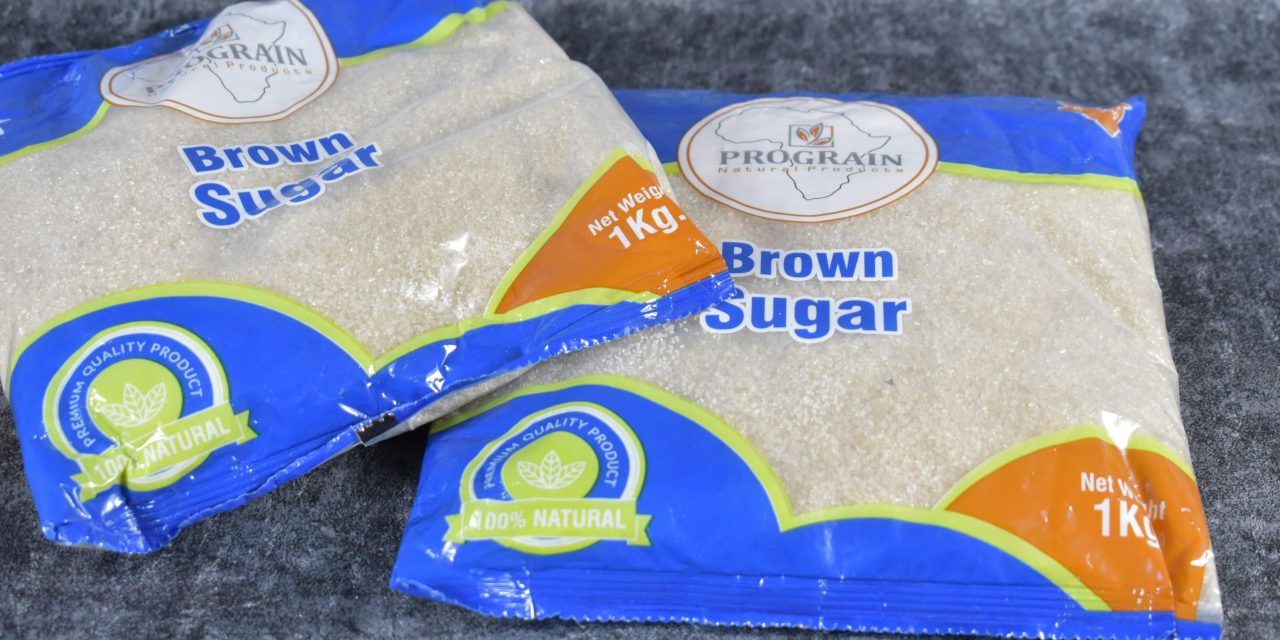
Brown sugar is a versatile ingredient that plays a pivotal role in various culinary applications, particularly in baking. It is primarily composed of sucrose, similar to white sugar, but is distinguished by the presence of molasses, which imparts its characteristic color and flavor. There are two main types of brown sugar: light brown sugar and dark brown sugar. Light brown sugar contains approximately 3.5% molasses, while dark brown sugar has about 6.5%. This difference in molasses content not only affects the color but also influences the flavor profile, with dark brown sugar offering a more robust, caramel-like taste.
In baking, brown sugar is often favored for its ability to retain moisture, resulting in softer and chewier baked goods. It is commonly used in recipes for cookies, cakes, and sauces, where its rich flavor can enhance the overall taste. Beyond baking, brown sugar can also be utilized in savory dishes, marinades, and glazes, providing a delightful contrast to salty or spicy flavors. Its unique properties make it an essential ingredient in both sweet and savory culinary creations.
If you’re curious about the measurement of brown sugar, you might find it helpful to explore related cooking topics, such as how to properly unclog a slow-draining bathroom sink. Understanding measurements in the kitchen can often lead to better results in your recipes, just as knowing how to maintain your home can enhance your living environment. For practical tips on home maintenance, check out this article on how to unclog a slow-draining bathroom sink.
Why Accurate Measurement Matters in Baking
Precision in measurement is crucial when it comes to baking, as even minor discrepancies can lead to significant variations in the final product. Baking is often described as a science, where the correct balance of ingredients is essential for achieving the desired texture, flavor, and appearance. Accurate measurement ensures that chemical reactions occur as intended, resulting in optimal leavening, moisture retention, and overall consistency.
When it comes to brown sugar, improper measurement can lead to overly dense or dry baked goods. For instance, using too much brown sugar can result in a heavy texture, while too little may yield a dry product lacking in flavor. Therefore, understanding how to measure brown sugar accurately is vital for both novice and experienced bakers alike. By adhering to precise measurements, bakers can replicate successful recipes consistently and avoid common pitfalls associated with inaccurate ingredient ratios.
The Basics: What Is a Cup Measurement?

A cup measurement is a standard unit of volume used in cooking and baking to quantify ingredients. In the United States, one cup is equivalent to approximately 236.6 milliliters. This measurement is commonly used for both dry and liquid ingredients, although the method of measuring may vary depending on the ingredient’s physical properties. For dry ingredients like flour or sugar, a cup measurement typically refers to the volume of the ingredient when it is scooped into a measuring cup without packing it down.
Understanding cup measurements is essential for bakers because many recipes are designed with specific ratios of ingredients based on these measurements. While some may rely on weight measurements for precision, cup measurements remain popular due to their convenience and ease of use. However, it is important to note that different ingredients have varying densities, which can affect the accuracy of volume-based measurements. Therefore, knowing how to measure ingredients correctly is paramount for achieving consistent results in baking.
How Many Grams Are in a Cup of Brown Sugar?

The conversion of cup measurements to grams can vary based on the ingredient’s density and packing method. For brown sugar specifically, one cup typically weighs around 220 grams when packed firmly. This weight accounts for the moisture content and density of the sugar due to its molasses content. Conversely, if brown sugar is loosely packed into a measuring cup, it may weigh closer to 180 grams.
Understanding these conversions is essential for bakers who prefer using weight measurements for accuracy. Many professional bakers advocate for weighing ingredients rather than relying solely on volume measurements to ensure consistency across batches. By converting cup measurements to grams, bakers can achieve precise ingredient ratios that contribute to successful baking outcomes.
If you’re curious about the measurement of brown sugar, you might find it helpful to explore how different ingredients can impact your cooking. For instance, a related article on making a delicious vegetarian chili can provide insights into ingredient substitutions and measurements. You can check it out here to enhance your culinary skills and learn more about the importance of accurate measurements in recipes.
Difference Between Packed and Loosely Packed Brown Sugar
The distinction between packed and loosely packed brown sugar is critical when measuring this ingredient for recipes. Packed brown sugar refers to the method of pressing the sugar into the measuring cup until it holds its shape when inverted. This technique eliminates air pockets and ensures that the maximum amount of sugar is included in the measurement.
On the other hand, loosely packed brown sugar involves scooping the sugar into the measuring cup without pressing it down. This method results in a lighter measurement due to the presence of air pockets within the sugar granules. The difference in packing can significantly impact the weight of brown sugar used in a recipe; packed brown sugar will yield more sweetness and moisture compared to its loosely packed counterpart.
If you’re curious about the measurement of brown sugar in grams, you might find it helpful to explore related cooking articles that delve into ingredient conversions. For instance, a great resource is a recipe for three-ingredient peanut butter cookies, which not only showcases the simplicity of baking but also emphasizes the importance of accurate measurements. You can check it out here to see how precise ingredient ratios can make a difference in your baking results.
Measuring Brown Sugar Correctly: Step-by-Step Guide
To measure brown sugar accurately, follow these simple steps:
1. **Select Your Measuring Cup**: Choose a dry measuring cup specifically designed for solid ingredients.
2. **Fluff the Sugar**: Before measuring, use a fork or spoon to fluff up the brown sugar in its container. This helps break up any clumps that may have formed.
3. **Scoop**: Using your measuring cup, scoop the brown sugar directly from its container without packing it down initially.
4. **Pack It Down**: Once you have filled the measuring cup, use the back of a spoon or your fingers to press down firmly on the sugar until it holds its shape.
5. **Level Off**: Use a straight edge (like a knife) to level off any excess sugar from the top of the measuring cup.
6. **Invert**: To ensure accuracy, invert the measuring cup onto a flat surface; if it holds its shape without crumbling, you have successfully measured packed brown sugar.
By following these steps diligently, bakers can ensure they are using the correct amount of brown sugar for their recipes.
When it comes to measuring brown sugar, both kitchen scales and measuring cups have their advantages and disadvantages. Kitchen scales provide a higher level of accuracy by allowing bakers to measure ingredients by weight rather than volume. This method eliminates discrepancies caused by packing variations and ensures consistent results across different recipes.
Conversely, measuring cups offer convenience and ease of use for home bakers who may not have access to a scale or prefer a quicker method. However, relying solely on volume measurements can lead to inconsistencies if not done correctly. For those who prioritize precision in their baking endeavors, investing in a digital kitchen scale is highly recommended.
Ultimately, the choice between using kitchen scales or measuring cups depends on personal preference and baking goals. For those seeking perfection in their baked goods, weighing ingredients may be the best approach.
Common Mistakes When Measuring Brown Sugar
Several common mistakes can occur when measuring brown sugar that may compromise baking results:
1. **Not Packing Properly**: Failing to pack brown sugar firmly enough can lead to using less than required, resulting in dry or bland baked goods.
2. **Using Liquid Measuring Cups**: Liquid measuring cups are not suitable for dry ingredients like brown sugar; using them can lead to inaccurate measurements due to differences in density.
3. **Ignoring Clumps**: Not breaking up clumps before measuring can result in uneven packing and inaccurate amounts being used.
4. **Assuming All Brown Sugar Is Equal**: Different brands may have varying moisture levels; always check packaging for specific weight information if available.
By being aware of these common pitfalls and taking steps to avoid them, bakers can improve their accuracy when measuring brown sugar.
Adjusting Recipes: Converting Cups to Grams
When adjusting recipes that call for brown sugar from cups to grams, it is essential to understand the conversion factors involved. As previously mentioned, one cup of packed brown sugar weighs approximately 220 grams while loosely packed weighs around 180 grams. To convert recipes accurately:
1. **Identify Measurement**: Determine whether the recipe calls for packed or loosely packed brown sugar.
2. **Use Conversion Factor**: Multiply the number of cups by either 220 grams (for packed) or 180 grams (for loosely packed) to obtain the equivalent weight in grams.
3. **Adjust Accordingly**: If modifying a recipe that requires different amounts of brown sugar than specified, ensure that all other ingredient ratios are adjusted accordingly for balance.
By converting measurements accurately, bakers can maintain consistency across different recipes while accommodating personal preferences or dietary needs.
Tips for Storing Brown Sugar to Maintain Freshness
Proper storage of brown sugar is essential for maintaining its freshness and preventing hardening due to moisture loss. Here are some effective tips:
1. **Airtight Containers**: Store brown sugar in an airtight container to prevent exposure to air and humidity.
2. **Cool Environment**: Keep stored brown sugar in a cool, dry place away from direct sunlight or heat sources that could cause moisture loss.
3. **Moisture Retention**: To prevent hardening, consider adding a slice of bread or an apple wedge inside the container; these items will help maintain moisture levels.
4. **Avoid Refrigeration**: Do not store brown sugar in the refrigerator as this can lead to clumping and hardening due to condensation.
By following these storage tips diligently, bakers can ensure their brown sugar remains soft and usable for extended periods.
Troubleshooting Baking Issues Related to Brown Sugar Measurements
Baking with brown sugar can sometimes lead to unexpected issues if measurements are not accurate or if other factors come into play:
1. **Dense Texture**: If baked goods turn out denser than expected, it may be due to using too much packed brown sugar or not incorporating enough leavening agents like baking soda or powder.
2. **Dryness**: Conversely, if cookies or cakes are dry, this could indicate insufficient brown sugar was used or that other liquid ingredients were not balanced correctly.
3. **Flavor Imbalance**: An overly sweet product may result from excessive brown sugar; adjusting other sweeteners or reducing overall quantities may help achieve better flavor balance.
4. **Baking Time Adjustments**: Recipes using brown sugar may require slight adjustments in baking time due to differences in moisture content compared to white sugars; monitoring closely during baking is advisable.
By recognizing these potential issues and understanding their causes, bakers can troubleshoot effectively and achieve desired results with their baked goods.
In summary, understanding how to measure brown sugar accurately is crucial for successful baking outcomes. By recognizing the differences between packed and loosely packed measurements and utilizing proper techniques for measurement and storage, bakers can enhance their culinary creations significantly. Whether opting for kitchen scales or traditional measuring cups, precision remains key in achieving consistent results across various recipes involving this versatile ingredient.
FAQs
How many grams are in a cup of packed brown sugar?
A cup of packed brown sugar typically weighs around 220 grams. This measurement can vary slightly depending on how tightly the sugar is packed into the cup.
How many grams are in a cup of unpacked brown sugar?
An unpacked cup of brown sugar weighs approximately 175 grams. This is because unpacked sugar does not have the same density as packed sugar.
Does the type of brown sugar affect the weight in grams per cup?
Yes, the type of brown sugar can affect the weight. Light brown sugar and dark brown sugar have similar weights when packed, but dark brown sugar may contain slightly more molasses, which can affect the overall density and weight.
How should brown sugar be measured for accurate grams?
For accurate measurement in grams, brown sugar should be packed firmly into the measuring cup, then leveled off with a straight edge. This ensures that the measurement reflects the correct density of the sugar.
Can the weight of brown sugar change based on humidity?
Yes, the weight of brown sugar can change based on humidity. Brown sugar can absorb moisture from the air, making it heavier, or it can dry out, resulting in a lighter weight. It’s best to measure it right before use for the most accurate results.