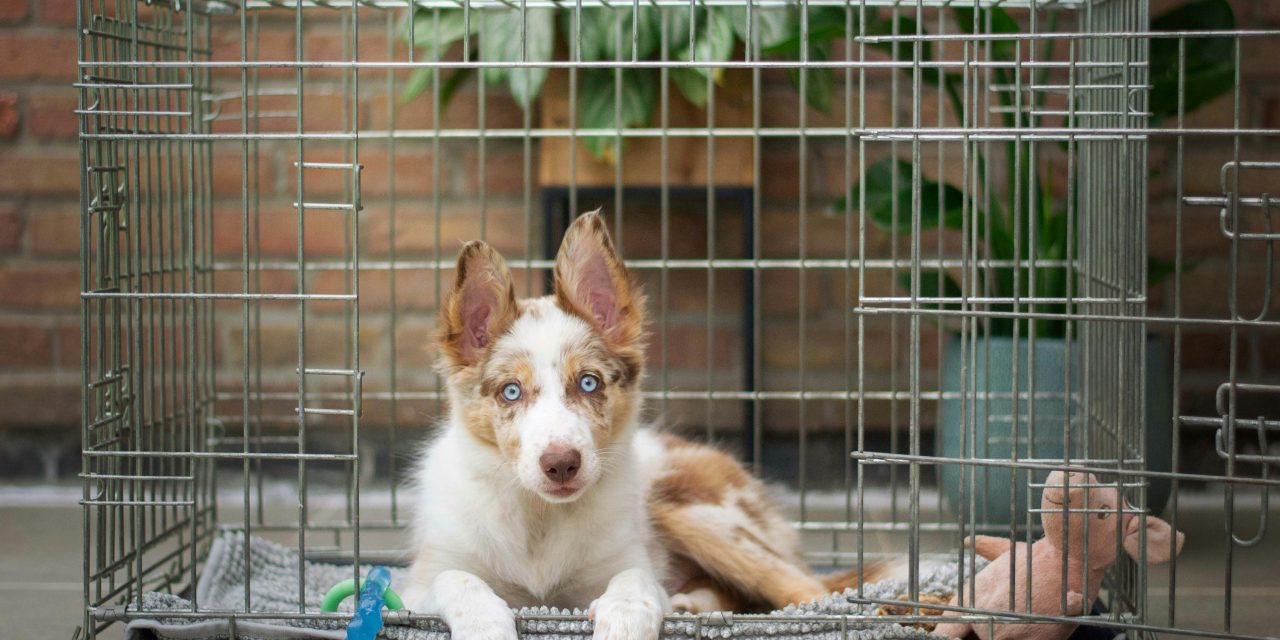
The care crate serves as a pivotal tool in the realm of intuitive training for dogs, acting as a sanctuary that fosters a sense of security and comfort. This enclosed space is not merely a confinement area; rather, it is a designated zone where dogs can retreat to feel safe and relaxed. The crate plays a crucial role in establishing boundaries and routines, which are essential for a dog’s mental and emotional well-being. By utilizing the crate effectively, pet owners can facilitate a smoother transition into training, allowing their canine companions to thrive in a structured environment.
Moreover, the crate can significantly enhance the bond between the dog and its owner. When used correctly, it becomes a positive space associated with rewards and relaxation rather than punishment or isolation. This understanding is fundamental in intuitive training, where the focus is on recognizing and responding to the dog’s needs and emotions. By integrating the crate into training sessions, owners can promote a sense of trust and cooperation, ultimately leading to more effective learning outcomes.
Choosing the Right Size and Type of Crate
Selecting an appropriate crate size is paramount to ensuring your dog’s comfort and safety. A crate that is too small can lead to feelings of confinement and anxiety, while one that is excessively large may encourage inappropriate behaviors such as elimination within the space. The ideal crate should allow your dog to stand up, turn around, and lie down comfortably. For instance, if you have a medium-sized breed, a crate measuring approximately 30 inches in length may suffice, but always consider your dog’s specific dimensions and growth patterns.
In addition to size, the type of crate also plays a significant role in its effectiveness. There are various options available, including wire crates, plastic carriers, and soft-sided crates. Wire crates offer excellent ventilation and visibility, making them suitable for home use and travel. Plastic carriers provide a more enclosed environment that can be comforting for some dogs, while soft-sided crates are lightweight and portable, ideal for travel or temporary use. Assessing your dog’s temperament and lifestyle will guide you in selecting the most suitable type of crate.
Creating a Comfortable and Inviting Crate Environment

Transforming the crate into an inviting haven requires thoughtful consideration of its interior setup. Begin by adding soft bedding or blankets that provide warmth and comfort. This tactile enhancement not only makes the space more appealing but also encourages your dog to view the crate as a cozy retreat rather than a mere confinement area. Additionally, incorporating familiar items such as toys or an item of your clothing can further enhance the sense of security within the crate.
Lighting and location are also critical factors in creating an inviting environment. Positioning the crate in a quiet area of the home where your dog can observe family activities without feeling overwhelmed can foster a sense of belonging. Avoid placing the crate in isolated or high-traffic areas that may induce stress or anxiety. By ensuring that the crate is both comfortable and strategically located, you can significantly enhance your dog’s willingness to utilize this space.
Introducing the Crate Gradually and Positively

The introduction of the crate should be approached with patience and positivity to ensure a successful acclimatization process. Begin by allowing your dog to explore the crate at their own pace without any pressure or coercion. Leave the door open initially, encouraging them to enter voluntarily by placing treats or toys inside. This gradual introduction helps to build positive associations with the crate, making it less intimidating.
Once your dog shows interest in entering the crate, you can start closing the door for short periods while remaining nearby. Gradually increase the duration as your dog becomes more comfortable with being confined. It is essential to monitor their reactions during this process; if signs of distress arise, revert to an earlier step until they feel secure again. This gradual approach fosters trust and reinforces the idea that the crate is a safe space.
Using Treats and Toys to Encourage Crate Use
Incorporating treats and toys into crate training can significantly enhance your dog’s motivation to use the crate willingly. High-value treats—those that your dog finds particularly enticing—can be strategically placed inside the crate to encourage exploration and entry. For example, using small pieces of chicken or cheese can create a positive reinforcement loop that associates the crate with pleasurable experiences.
Toys also play an essential role in making the crate more appealing. Interactive toys that dispense treats or engage your dog mentally can keep them occupied while inside the crate. This not only alleviates boredom but also reinforces positive behavior associated with being crated. By combining treats and toys effectively, you can create an environment that encourages your dog to view their crate as a rewarding space.
Establishing a Consistent Crate Routine
Consistency is key when it comes to crate training; establishing a routine helps your dog understand when they are expected to use their crate. Designate specific times for crating, such as during meals, while you are away from home, or at bedtime. By adhering to a predictable schedule, your dog will begin to anticipate these moments as part of their daily routine.
In addition to timing, consistency in commands and cues is vital for effective training. Use specific phrases such as “crate time” or “go to your bed” consistently when directing your dog towards their crate. This repetition reinforces their understanding of what is expected of them and helps solidify their association with the crate as a safe space.
Reading Your Dog’s Body Language in the Crate
Understanding your dog’s body language while they are in the crate is crucial for ensuring their comfort and well-being. Signs of distress may include excessive barking, whining, or attempts to escape, indicating that they may feel anxious or uncomfortable in their confined space. Conversely, relaxed body language—such as lying down with a loose posture or resting their head on their paws—indicates that they feel secure.
Being attuned to these signals allows you to adjust your training techniques accordingly. If your dog exhibits signs of anxiety, consider shortening their time in the crate or providing additional comfort items such as calming blankets or pheromone diffusers designed for pets. By responding appropriately to their body language, you can create a more positive experience for your dog.
Avoiding Common Crate Training Mistakes
Several common pitfalls can hinder successful crate training efforts if not addressed proactively. One prevalent mistake is using the crate as a form of punishment; this creates negative associations that can lead to fear or anxiety surrounding the space. Instead, focus on positive reinforcement techniques that encourage voluntary entry into the crate.
Another mistake involves rushing the acclimatization process; forcing your dog into the crate or leaving them confined for extended periods can lead to stress and resistance. Gradual introductions paired with positive reinforcement are essential for fostering trust and comfort within this environment. By avoiding these common errors, you can create a more effective training experience for both you and your dog.
Incorporating the Crate into Daily Training Sessions
Integrating crate training into daily training sessions enhances its effectiveness while reinforcing positive behaviors. Utilize short training exercises that involve entering and exiting the crate on command; this not only reinforces obedience but also strengthens your dog’s association with the crate as a positive space.
Incorporating commands such as “stay” or “come” while your dog is in the crate can further enhance their understanding of boundaries and expectations. These exercises promote mental stimulation while reinforcing good behavior within the confined space, ultimately leading to improved compliance during training sessions.
Using the Crate to Manage Anxiety and Stress
The care crate can serve as an effective tool for managing anxiety and stress in dogs, particularly during situations that may induce fear or discomfort—such as thunderstorms or fireworks. Creating a safe haven within the crate allows dogs to retreat when feeling overwhelmed, providing them with a sense of security during stressful events.
To maximize its effectiveness in managing anxiety, consider incorporating calming aids such as anxiety wraps or pheromone diffusers designed specifically for pets. These products can help create a soothing environment within the crate, further alleviating stress levels during challenging situations.
Celebrating Small Wins and Adjusting Techniques for Success
Recognizing and celebrating small victories throughout the crate training process is essential for maintaining motivation—for both you and your dog. Acknowledging progress—whether it’s successfully entering the crate on command or remaining calm during extended periods—reinforces positive behavior and encourages continued effort.
If challenges arise during training sessions, be prepared to adjust your techniques accordingly. Every dog is unique; what works for one may not work for another. Flexibility in your approach allows you to tailor training methods to suit your dog’s individual needs, ultimately leading to greater success in creating a positive relationship with their care crate.
In summary, understanding how to effectively utilize a care crate in intuitive training involves several key components: selecting an appropriate size and type of crate, creating an inviting environment, introducing it positively, using treats and toys strategically, establishing routines, reading body language accurately, avoiding common mistakes, incorporating it into daily training sessions, managing anxiety effectively, and celebrating progress along the way. By following these guidelines diligently, pet owners can foster a harmonious relationship with their dogs while promoting successful training outcomes through thoughtful use of this essential tool.
FAQs
What is positive intuitive training in the context of dog care?
Positive intuitive training is a method of dog training that emphasizes understanding and responding to a dog’s natural instincts and behaviors. This approach focuses on rewarding desired behaviors rather than punishing unwanted ones, fostering a trusting relationship between the dog and the owner.
How does the Care Crate fit into positive intuitive training?
The Care Crate is a tool designed to create a safe and comfortable space for dogs, which can enhance the positive intuitive training experience. By providing a secure environment, dogs can feel more relaxed and open to learning, making it easier for trainers to implement positive reinforcement techniques.
What are the benefits of using positive intuitive training methods?
Benefits of positive intuitive training include improved communication between the dog and owner, increased trust and confidence in the dog, and a more enjoyable training experience. This method can lead to better behavior and a stronger bond, as dogs are more likely to respond positively when they feel understood and rewarded.
Can positive intuitive training be used with all dog breeds?
Yes, positive intuitive training can be effectively used with all dog breeds. Each dog may respond differently based on their individual temperament and background, but the principles of positive reinforcement and understanding canine behavior apply universally across breeds.
What tools or resources are recommended for implementing positive intuitive training?
Recommended tools for positive intuitive training include clickers for marking desired behaviors, high-value treats for rewards, and the Care Crate for creating a safe space. Additionally, resources such as training books, online courses, and professional trainers can provide guidance and support for dog owners.