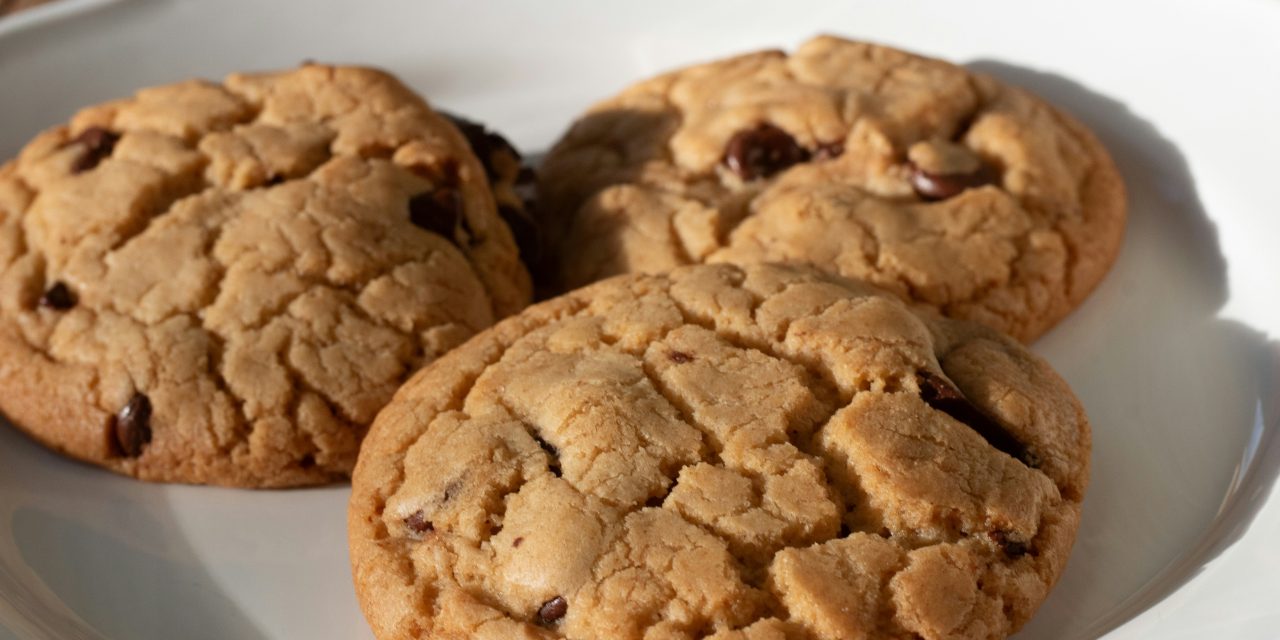
Soft peanut butter cookies hold a cherished place in the pantheon of classic desserts, captivating taste buds with their rich, nutty flavor and delightful texture. These cookies evoke nostalgia, often reminding individuals of childhood memories spent in warm kitchens, where the aroma of freshly baked goods wafted through the air. The combination of creamy peanut butter and a soft, chewy consistency creates a harmonious balance that appeals to cookie lovers of all ages.
The versatility of soft peanut butter cookies is another reason for their enduring popularity. They can be enjoyed on their own, paired with a glass of milk, or even used as a base for ice cream sandwiches. Their adaptability allows for endless variations, including the addition of chocolate chips, oats, or even a sprinkle of sea salt to enhance the flavor profile. This article will guide you through the process of creating these delectable treats from scratch, ensuring that your cookies turn out perfectly every time.
If you’re looking to perfect your baking skills, you might find it helpful to explore the art of making soft peanut butter cookies. These delightful treats are not only easy to prepare but also a favorite among cookie lovers. For more tips on maintaining a safe and clean kitchen while you bake, check out this informative article on cleaning products you should never mix for safety reasons. You can read it here: 7 Cleaning Products You Should Never Mix for Safety Reasons.
Gather Your Ingredients: What You’ll Need
To embark on your cookie-baking adventure, it is essential to gather all necessary ingredients beforehand. The foundation of soft peanut butter cookies typically includes:
1. **Peanut Butter**: Choose creamy or chunky based on your preference; natural peanut butter is recommended for its rich flavor.
2. **Granulated Sugar**: This sweetener contributes to the cookie’s texture and sweetness.
3. **Brown Sugar**: The molasses content in brown sugar adds moisture and depth to the flavor.
4. **Eggs**: Eggs act as a binding agent, providing structure and richness.
5. **Vanilla Extract**: A splash of vanilla enhances the overall flavor profile.
6. **All-Purpose Flour**: This is the primary dry ingredient that gives structure to the cookies.
7. **Baking Soda**: This leavening agent helps achieve the desired softness.
8. **Salt**: A pinch of salt balances the sweetness and enhances flavors.
Having these ingredients on hand will streamline your baking process and ensure that you create the perfect batch of soft peanut butter cookies.
Preheat and Prepare: Setting Up Your Oven and Baking Sheet

Before diving into mixing ingredients, preheating your oven is crucial for achieving optimal baking results. Set your oven temperature to 350°F (175°C) and allow it to preheat fully. This step ensures that your cookies bake evenly and develop that coveted soft texture.
While the oven is heating, prepare your baking sheet by lining it with parchment paper or a silicone baking mat. This not only prevents sticking but also promotes even baking. If you prefer a crispier edge, consider greasing the baking sheet lightly with cooking spray or butter. Having everything ready before you start mixing will make the process smoother and more enjoyable.
Mixing the Wet Ingredients: Creating the Perfect Base

The first step in creating your cookie dough involves mixing the wet ingredients. In a large mixing bowl, combine the creamy peanut butter, granulated sugar, brown sugar, eggs, and vanilla extract. Using an electric mixer or a whisk, blend these ingredients until they are smooth and well incorporated. The mixture should be creamy and slightly fluffy, indicating that air has been incorporated into the batter.
It is essential to mix thoroughly to ensure that all ingredients are evenly distributed. This step not only enhances flavor but also contributes to the overall texture of the cookies. The combination of sugars with peanut butter creates a luscious base that will yield soft and chewy cookies once baked.
If you’re looking to enhance your baking skills, you might find it helpful to explore techniques for preserving ingredients, such as freezing berries. This can be particularly useful when you want to add a fruity twist to your soft peanut butter cookies. For more information on how to freeze berries without them sticking together, check out this informative article here. Incorporating fresh or frozen berries can elevate your cookie recipe and provide a delightful contrast to the creamy peanut butter flavor.
Combining the Dry Ingredients: Ensuring Even Flavor
Once your wet ingredients are perfectly blended, it’s time to focus on the dry components. In a separate bowl, whisk together all-purpose flour, baking soda, and salt. This step is crucial for ensuring that the leavening agent is evenly distributed throughout the flour, preventing any clumps that could lead to uneven rising during baking.
Incorporating dry ingredients separately allows for better control over the final texture of your cookies. By sifting or whisking together these components, you also aerate the flour, which can contribute to a lighter cookie. Once combined, set this mixture aside as you prepare to blend it with your wet ingredients.
If you’re looking to elevate your baking skills, you might find it helpful to explore techniques for achieving the perfect texture in various recipes. For instance, soft peanut butter cookies can be a delightful treat, and understanding the science behind cooking can enhance your overall culinary experience. You can learn more about mastering the art of cooking by checking out this informative article on how to cook pasta al dente every time. This knowledge can be surprisingly beneficial, as it teaches you the importance of timing and temperature in achieving the desired results in any dish. For more details, visit this article.
Blending Wet and Dry: Achieving the Right Dough Consistency
With both wet and dry ingredients prepared, it’s time to combine them into a cohesive dough. Gradually add the dry mixture into the bowl containing the wet ingredients, stirring gently with a spatula or wooden spoon. It’s important not to overmix at this stage; simply combine until no dry flour remains visible.
The resulting dough should be thick yet pliable, holding its shape without being overly sticky. If you find that your dough is too dry or crumbly, consider adding a teaspoon of milk or water to achieve the desired consistency. Conversely, if it’s too wet, a small amount of flour can help balance it out.
Adding the Peanut Butter: Tips for Creamy Texture
While peanut butter is already included in your wet ingredients, consider enhancing its flavor by incorporating additional peanut butter chips or chunks at this stage. This addition not only intensifies the peanut flavor but also adds delightful pockets of creaminess throughout each cookie.
For those who prefer a more pronounced peanut butter taste, using a combination of creamy and crunchy peanut butter can create an interesting texture contrast while maintaining that classic flavor profile. Ensure that any additional peanut butter is well mixed into the dough for uniform distribution.
Shaping the Cookies: Easy Techniques for Uniform Size
Achieving uniform cookie sizes ensures even baking and an aesthetically pleasing presentation. Using a cookie scoop or tablespoon, portion out equal amounts of dough onto your prepared baking sheet. Leave adequate space between each cookie—approximately 2 inches—to allow for spreading during baking.
For an added touch of elegance, consider rolling each portion into a ball before placing it on the baking sheet. This technique creates a smooth surface that will bake beautifully. If desired, gently flatten each ball with a fork to create a classic crisscross pattern on top of each cookie.
Baking Time and Temperature: Getting the Softness Just Right
With your cookies shaped and ready for baking, place them in the preheated oven at 350°F (175°C). Bake for approximately 10-12 minutes or until the edges are lightly golden while the centers remain soft and slightly underbaked. This technique ensures that your cookies maintain their signature softness once cooled.
Keep an eye on them during the last few minutes of baking; ovens can vary in temperature accuracy. Removing them from the oven when they appear slightly underdone will yield cookies that are chewy and delicious rather than dry.
Cooling and Storing: Keeping Your Cookies Fresh and Soft
Once baked to perfection, remove your cookies from the oven and allow them to cool on the baking sheet for about 5 minutes before transferring them to a wire rack. This cooling period allows them to set while still retaining their soft texture.
To store your cookies effectively, place them in an airtight container at room temperature for up to one week. For longer storage, consider freezing them in a single layer before transferring them to a freezer-safe bag or container; they can last up to three months in the freezer without losing quality.
Serving Suggestions: Enjoying Your Homemade Peanut Butter Cookies
Soft peanut butter cookies can be enjoyed in various delightful ways. Serve them warm with a glass of cold milk for a classic pairing that never goes out of style. For an indulgent treat, sandwich two cookies around a scoop of vanilla ice cream to create a delicious ice cream sandwich.
Consider garnishing your cookies with a sprinkle of sea salt or drizzling melted chocolate over them for an elevated presentation that adds an extra layer of flavor complexity. These serving suggestions not only enhance enjoyment but also make your homemade treats perfect for sharing at gatherings or special occasions.
In summary, soft peanut butter cookies are a timeless dessert that combines simplicity with rich flavors and textures. By following these detailed steps—from gathering ingredients to serving suggestions—you can create delicious cookies that will delight friends and family alike. Whether enjoyed fresh from the oven or stored for later indulgence, these treats are sure to become a beloved staple in any household’s dessert repertoire.
FAQs
What ingredients are needed to make soft peanut butter cookies?
To make soft peanut butter cookies, you typically need the following ingredients: all-purpose flour, baking soda, salt, unsalted butter, creamy peanut butter, granulated sugar, brown sugar, an egg, and vanilla extract. Some recipes may also include additional ingredients like chocolate chips or chopped nuts for added flavor.
How do I ensure my peanut butter cookies stay soft?
To ensure your peanut butter cookies remain soft, avoid overbaking them. Remove the cookies from the oven when they are just set and slightly golden around the edges. Additionally, using brown sugar instead of all granulated sugar can help retain moisture, contributing to a softer texture.
Can I use natural peanut butter in my cookie recipe?
Yes, you can use natural peanut butter in your cookie recipe. However, keep in mind that natural peanut butter may have a different consistency and fat content compared to regular peanut butter. This can affect the texture of the cookies, so you may need to adjust the amount of flour or other ingredients accordingly.
How should I store soft peanut butter cookies?
To store soft peanut butter cookies, place them in an airtight container at room temperature. They can typically stay fresh for about a week. For longer storage, you can freeze the cookies by placing them in a freezer-safe container or bag, where they can last for up to three months.
Can I make peanut butter cookies without eggs?
Yes, you can make peanut butter cookies without eggs by using egg substitutes. Common substitutes include unsweetened applesauce (1/4 cup per egg), mashed banana (1/4 cup per egg), or a mixture of ground flaxseed and water (1 tablespoon of flaxseed mixed with 2.5 tablespoons of water per egg). These alternatives can help bind the ingredients together while keeping the cookies soft.