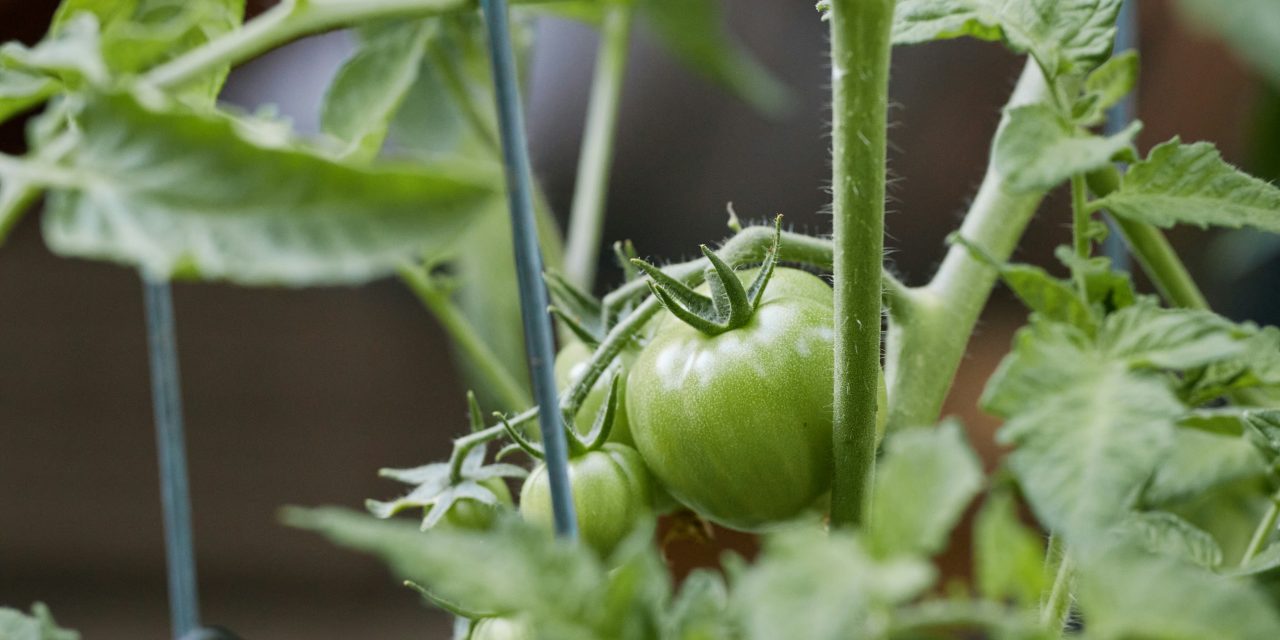
Selecting the appropriate tomato varieties is crucial for successful cultivation in raised beds. The choice of variety can significantly influence yield, flavor, and disease resistance. When considering tomato types, gardeners should focus on determinate and indeterminate varieties. Determinate tomatoes grow to a fixed height and produce fruit all at once, making them ideal for those who prefer a concentrated harvest. Conversely, indeterminate varieties continue to grow and produce fruit throughout the season, providing a steady supply of tomatoes.
Additionally, it is essential to consider the climate and growing conditions of your region. For instance, heirloom varieties are often favored for their rich flavors and unique characteristics, but they may require more care and specific conditions to thrive. Hybrid varieties, on the other hand, are bred for disease resistance and uniformity, making them a reliable choice for novice gardeners. Researching local growing conditions and consulting with local agricultural extensions can provide valuable insights into which varieties will flourish in your raised beds.
Selecting the Perfect Location with Optimal Sunlight
The location of your raised beds plays a pivotal role in the success of your tomato plants. Tomatoes thrive in full sunlight, requiring at least six to eight hours of direct sunlight daily. When selecting a site, observe how sunlight moves across your garden throughout the day. Areas that receive consistent sunlight without obstruction from trees or buildings are ideal.
Moreover, consider the microclimates within your garden. South-facing slopes tend to retain heat better and can extend the growing season, while shaded areas may hinder growth and fruit production. Additionally, ensure that the location has good air circulation to prevent fungal diseases and promote healthy growth. By strategically positioning your raised beds in an optimal sunlight location, you can maximize the potential for a bountiful tomato harvest.
Preparing Nutrient-Rich Soil for Healthy Growth

Soil preparation is fundamental to cultivating robust tomato plants. Tomatoes prefer well-draining soil rich in organic matter. Begin by testing your soil’s pH level; tomatoes thrive in slightly acidic to neutral soil (pH 6.0 to 7.0). If necessary, amend the soil with lime to raise pH or sulfur to lower it.
Incorporating organic matter such as compost or well-rotted manure enhances soil fertility and structure. This not only provides essential nutrients but also improves moisture retention and drainage. Additionally, consider adding amendments like bone meal for phosphorus or greensand for potassium to promote healthy root development and fruit production. A well-prepared soil foundation sets the stage for vigorous growth and abundant yields.
Properly Spacing Tomato Plants to Encourage Airflow

Spacing is a critical factor in tomato cultivation that directly impacts plant health and productivity. Proper spacing allows for adequate airflow between plants, reducing humidity levels that can lead to fungal diseases such as blight. Generally, indeterminate varieties should be spaced 24 to 36 inches apart, while determinate types can be placed 18 to 24 inches apart.
When planting, consider the mature size of each variety and their growth habits. Overcrowding can lead to competition for nutrients and light, resulting in stunted growth and reduced fruit quality. Additionally, proper spacing facilitates easier access for maintenance tasks such as watering, pruning, and harvesting. By adhering to recommended spacing guidelines, you can foster a healthier growing environment for your tomato plants.
Using Quality Compost and Organic Fertilizers
The use of quality compost and organic fertilizers is essential for sustaining healthy tomato plants throughout their growth cycle. Compost enriches the soil with vital nutrients while improving its structure and moisture retention capabilities. It is advisable to incorporate compost into the soil before planting and continue to apply it as a top dressing during the growing season.
Organic fertilizers such as fish emulsion or seaweed extract provide essential nutrients without the risk of chemical buildup in the soil. These fertilizers release nutrients slowly, ensuring that plants receive a steady supply throughout their growth stages. Additionally, using organic fertilizers promotes beneficial microbial activity in the soil, enhancing nutrient availability and overall plant health. By prioritizing organic amendments, gardeners can cultivate thriving tomato plants while maintaining ecological balance.
Implementing Effective Watering Techniques
Watering techniques significantly influence tomato plant health and fruit quality. Tomatoes require consistent moisture levels; however, overwatering can lead to root rot and other diseases. A deep watering approach is recommended, allowing water to penetrate the root zone thoroughly while encouraging deep root development.
Drip irrigation systems or soaker hoses are effective methods for delivering water directly to the soil without wetting the foliage, reducing the risk of fungal diseases. It is crucial to monitor soil moisture levels regularly; a simple finger test can determine if the top inch of soil is dry before watering again. Mulching around plants can also help retain moisture and regulate soil temperature, further enhancing watering efficiency.
Supporting Plants with Stakes or Cages
Providing support for tomato plants is vital for maintaining plant structure and promoting healthy fruit development. As tomatoes grow, their branches become laden with fruit, which can lead to breakage if not adequately supported. Utilizing stakes or cages helps keep plants upright, allowing for better air circulation and sunlight exposure.
Staking involves driving a sturdy stake into the ground near each plant and tying the main stem loosely with soft twine or plant ties as it grows. Alternatively, tomato cages provide a more encompassing support system that allows plants to grow naturally while keeping them off the ground. Regardless of the method chosen, providing adequate support ensures that plants remain healthy and productive throughout the growing season.
Mulching to Retain Moisture and Control Weeds
Mulching is an effective practice that offers numerous benefits for tomato cultivation. Applying a layer of organic mulch—such as straw, wood chips, or shredded leaves—around tomato plants helps retain soil moisture by reducing evaporation rates. This is particularly beneficial during hot summer months when water loss can be significant.
In addition to moisture retention, mulch acts as a natural weed barrier, preventing competition for nutrients and water from unwanted plants. Furthermore, as organic mulch decomposes over time, it enriches the soil with additional nutrients, promoting overall plant health. Regularly replenishing mulch throughout the growing season ensures continued effectiveness in moisture retention and weed control.
Pruning Suckers for Better Fruit Production
Pruning suckers—small shoots that develop in the leaf axils—can significantly enhance fruit production in tomato plants. By removing these suckers early in their growth cycle, gardeners can redirect energy towards fruit development rather than excessive foliage growth. This practice not only improves air circulation but also reduces the risk of disease by minimizing humidity around the plant.
When pruning, it is essential to use clean, sharp tools to prevent injury to the plant and reduce the risk of infection. Aim to prune suckers when they are small (about 2-4 inches long) for easier removal and less stress on the plant. Regularly monitoring plants for suckers throughout the growing season will help maintain optimal growth conditions and maximize fruit yield.
Monitoring for Pests and Diseases Early
Early detection of pests and diseases is crucial for maintaining healthy tomato plants. Common pests such as aphids, spider mites, and whiteflies can quickly infest plants if not addressed promptly. Regularly inspecting foliage—especially the undersides of leaves—can help identify infestations before they escalate.
In addition to pests, tomatoes are susceptible to various diseases such as blight, wilt, and mosaic virus. Monitoring symptoms such as yellowing leaves or unusual spots can aid in early diagnosis. Implementing integrated pest management (IPM) strategies—such as introducing beneficial insects or using organic pesticides—can effectively control pest populations while minimizing harm to beneficial organisms.
Harvesting Tomatoes at the Peak of Ripeness
Harvesting tomatoes at their peak ripeness ensures optimal flavor and quality. Tomatoes should be picked when they exhibit vibrant color and slight softness when gently squeezed. For many varieties, this occurs when they reach their full color—red for red tomatoes or yellow/orange for other types.
Timing is essential; harvesting too early can result in bland flavor while waiting too long may lead to overripening or susceptibility to pests and diseases. Regularly checking plants during peak harvest times allows gardeners to enjoy fresh tomatoes at their best quality while encouraging continued fruit production throughout the season.
In summary, successful tomato cultivation in raised beds requires careful consideration of various factors including variety selection, location choice, soil preparation, spacing techniques, watering practices, support systems, mulching strategies, pruning methods, pest monitoring, and timely harvesting. By implementing these practices diligently, gardeners can enjoy a bountiful harvest of flavorful tomatoes throughout the growing season while fostering healthy plant growth and resilience against challenges that may arise along the way.
FAQs
What type of soil is best for growing tomatoes in raised beds?
Tomatoes thrive in well-draining, nutrient-rich soil. A mix of compost, peat moss, and garden soil is ideal. Aim for a pH level between 6.0 and 6.8 for optimal growth.
How much sunlight do tomato plants need in raised beds?
Tomato plants require at least 6 to 8 hours of direct sunlight each day. Position your raised beds in a location that receives ample sunlight to ensure healthy growth and fruit production.
What is the best time to plant tomatoes in raised beds?
The best time to plant tomatoes is after the last frost date in your area, typically in late spring. This allows the soil to warm up and provides the best conditions for seedling growth.
How often should I water tomatoes in raised beds?
Tomatoes need consistent moisture, so water them deeply once or twice a week, depending on weather conditions. Ensure the soil remains moist but not waterlogged to prevent root rot.
Should I use fertilizers when growing tomatoes in raised beds?
Yes, using a balanced fertilizer can promote healthy growth. Apply a slow-release fertilizer at planting time and consider side-dressing with compost or a liquid fertilizer every few weeks during the growing season.