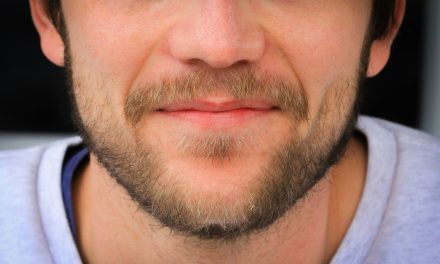
Beard itch is a common affliction that many men experience, particularly during the early stages of beard growth. This discomfort can stem from various factors, including dry skin, ingrown hairs, and the coarseness of new hair follicles. As facial hair begins to grow, it can irritate the skin beneath, leading to inflammation and an itchy sensation. The initial phase of beard growth often involves sharp, coarse hairs that can prick the skin, causing irritation and discomfort.
Moreover, environmental factors such as humidity and temperature fluctuations can exacerbate beard itch. Dry air, particularly during winter months, can strip moisture from the skin, leading to dryness and flakiness. Additionally, improper grooming techniques or the use of harsh soaps can further irritate the skin, contributing to the itchiness. Understanding these underlying causes is crucial for developing effective strategies to alleviate discomfort and promote healthy beard growth.
If you’re struggling with beard itch while growing out your facial hair, you might find helpful tips in this article on managing beard care effectively. It covers various techniques and products that can alleviate discomfort and promote healthy growth. For more insights, check out this related article on how to stop beard itch when growing a beard: How to Stop Beard Itch.
Keep Your Beard Clean and Well-Washed
Maintaining cleanliness is paramount in preventing beard itch. Regular washing helps remove dirt, oil, and dead skin cells that accumulate in facial hair. It is advisable to use a gentle beard shampoo specifically formulated for facial hair, as traditional shampoos may strip essential oils from both the beard and the underlying skin. Washing your beard two to three times a week is generally sufficient; however, this frequency may vary based on individual lifestyle and activity levels.
When washing your beard, it is essential to massage the shampoo into both the hair and the skin beneath. This not only cleanses but also stimulates blood circulation, promoting healthier hair growth. After rinsing thoroughly, it is crucial to pat your beard dry with a clean towel rather than rubbing it vigorously, which can lead to further irritation. By establishing a consistent washing routine, you can significantly reduce the likelihood of beard itch while ensuring your facial hair remains clean and healthy.
Moisturize Regularly to Prevent Dry Skin

Dry skin is a primary contributor to beard itch, making regular moisturization essential for maintaining skin health. Applying a suitable moisturizer helps lock in hydration and creates a protective barrier against environmental aggressors. Look for products containing ingredients such as hyaluronic acid, glycerin, or natural oils that provide deep hydration without clogging pores.
Incorporating a moisturizer into your daily grooming routine can significantly alleviate dryness and irritation. It is advisable to apply moisturizer immediately after washing your face or beard when the skin is still slightly damp. This practice enhances absorption and maximizes hydration levels. Additionally, consider using a moisturizer that is non-comedogenic to prevent breakouts or clogged pores, which can further exacerbate discomfort.
Use a Beard Oil for Soothing and Hydration

Beard oil serves as an excellent solution for combating itchiness while providing essential nourishment to both the hair and skin. Formulated with a blend of carrier oils such as jojoba, argan, or coconut oil, these products penetrate deeply to hydrate and soften facial hair while soothing irritated skin. The application of beard oil not only alleviates itchiness but also imparts a healthy shine to your beard.
To effectively use beard oil, dispense a few drops into your palms and rub them together before applying it evenly throughout your beard. Ensure that you massage the oil into the skin beneath the hair to maximize its benefits. Regular use of beard oil can help maintain optimal moisture levels, reduce flakiness, and promote overall beard health.
Growing a beard can be an exciting journey, but many men face the challenge of beard itch during the process. To effectively manage this discomfort, it’s essential to adopt a proper grooming routine and use suitable products that can soothe the skin. For more insights on maintaining your beard and preventing irritation, you might find this article on choosing the right grooming products particularly helpful. By following the right tips, you can enjoy a comfortable and stylish beard without the annoying itch.
Exfoliate Your Skin to Remove Dead Cells
Exfoliation is a crucial step in any grooming regimen aimed at preventing beard itch. By removing dead skin cells from the surface of the skin, exfoliation helps prevent clogged pores and ingrown hairs that can lead to irritation. Utilizing a gentle exfoliating scrub or a chemical exfoliant containing alpha-hydroxy acids (AHAs) or beta-hydroxy acids (BHAs) can effectively slough away dead skin without causing excessive irritation.
It is recommended to exfoliate once or twice a week, depending on your skin type and sensitivity. When exfoliating, be gentle; aggressive scrubbing can damage the skin barrier and worsen irritation. After exfoliation, follow up with a moisturizer or beard oil to replenish hydration and soothe any potential redness or sensitivity.
Avoid Overwashing to Maintain Natural Oils
While cleanliness is vital for preventing beard itch, overwashing can strip away natural oils that are essential for maintaining healthy skin and hair. Overzealous washing can lead to dryness and irritation, exacerbating itchiness rather than alleviating it. It is crucial to strike a balance between cleanliness and preserving natural oils.
To avoid overwashing, limit cleansing to two or three times per week with a gentle beard shampoo. On days when you do not wash your beard, consider rinsing it with water to remove surface debris without stripping away oils. Additionally, incorporating a leave-in conditioner or beard balm on non-wash days can help maintain moisture levels while providing styling benefits.
Trim Your Beard to Reduce Irritation
Regular trimming is an effective strategy for managing beard itch by reducing irritation caused by unruly hairs. As facial hair grows longer, split ends and coarse hairs can become more pronounced, leading to discomfort against the skin. Trimming helps maintain an even length and reduces the likelihood of hairs curling back into the skin, which can cause ingrown hairs.
When trimming your beard, use sharp scissors or clippers designed for facial hair to achieve clean lines without causing damage. Focus on areas where irritation is most pronounced and aim for a shape that complements your facial structure. Regular trims not only enhance appearance but also contribute to overall comfort by minimizing itchiness.
Choose the Right Beard Care Products
Selecting appropriate grooming products is crucial for maintaining beard health and preventing itchiness. Look for products specifically formulated for beards that contain natural ingredients free from harsh chemicals or artificial fragrances that may irritate sensitive skin. Ingredients such as aloe vera, tea tree oil, and vitamin E are beneficial for soothing irritation and promoting healthy growth.
Additionally, consider your specific skin type when choosing products. For oily skin types, lightweight formulations may be more suitable, while those with dry skin may benefit from richer creams or oils. Conduct patch tests before fully incorporating new products into your routine to ensure compatibility with your skin.
Stay Hydrated for Healthy Skin and Hair
Hydration plays a pivotal role in maintaining healthy skin and hair. Drinking an adequate amount of water daily helps keep your body hydrated from within, promoting optimal skin elasticity and moisture levels. Dehydration can lead to dry skin and exacerbate itchiness; therefore, it is essential to consume at least eight 8-ounce glasses of water daily or more based on individual needs.
In addition to water intake, consider incorporating hydrating foods into your diet such as fruits and vegetables rich in water content—cucumbers, oranges, and strawberries are excellent choices. These foods not only contribute to hydration but also provide essential vitamins and minerals that support overall skin health.
Maintain a Balanced Diet to Support Beard Growth
A well-balanced diet rich in vitamins and minerals is fundamental for supporting healthy beard growth while minimizing itchiness. Nutrients such as biotin, zinc, vitamin E, and omega-3 fatty acids play crucial roles in promoting hair strength and overall health. Foods like nuts, seeds, leafy greens, fish, eggs, and whole grains should be staples in your diet.
Incorporating protein-rich foods is also vital since hair is primarily composed of keratin—a protein that requires adequate intake for optimal growth. Aim for a diverse diet that includes lean meats, legumes, dairy products, and plant-based proteins to ensure you are meeting your nutritional needs for healthy facial hair development.
Be Patient and Consistent with Your Beard Care Routine
Patience is key when it comes to growing a healthy beard free from itchiness. Beard growth takes time; therefore, consistency in your grooming routine is essential for achieving desired results. Establishing a regimen that includes regular washing, moisturizing, trimming, and using appropriate products will yield positive outcomes over time.
It is important to remember that every individual’s hair growth rate varies; some may experience faster growth than others. Embrace the journey of growing your beard while remaining committed to caring for it properly. With dedication and adherence to best practices in grooming, you will ultimately enjoy a comfortable and healthy beard.
In summary, understanding the causes of beard itch is crucial for effective management. Keeping your beard clean through regular washing while avoiding overwashing helps maintain natural oils essential for hydration. Moisturizing regularly with suitable products like beard oil can soothe irritation while exfoliating removes dead cells that contribute to discomfort. Staying hydrated and maintaining a balanced diet supports overall health while patience ensures long-term success in achieving a comfortable beard experience free from itchiness.
FAQs
What causes beard itch when growing a beard?
Beard itch is primarily caused by the irritation of the skin underneath the beard as hair begins to grow. This can occur due to dry skin, coarse hair, or ingrown hairs. Additionally, the initial stages of beard growth can lead to hair follicles becoming irritated, resulting in itchiness.
How can I moisturize my beard to reduce itchiness?
To moisturize your beard and reduce itchiness, you can use beard oils or balms that contain natural ingredients like jojoba oil, argan oil, or coconut oil. These products help hydrate both the hair and the skin underneath, alleviating dryness and irritation.
Is it important to wash my beard regularly to prevent itch?
Yes, washing your beard regularly is important to prevent itch. Using a gentle beard shampoo can help remove dirt, dead skin cells, and excess oils that can contribute to irritation. However, avoid over-washing, as this can strip natural oils and lead to dryness.
Can trimming my beard help with itchiness?
Trimming your beard can help reduce itchiness, especially if the hair is coarse or uneven. Keeping the beard well-groomed can minimize the chances of hair rubbing against the skin and causing irritation. Regular trims also promote healthier growth.
Are there any specific products recommended for beard itch relief?
Yes, there are several products specifically designed for beard itch relief, including beard oils, balms, and conditioners. Look for products that contain soothing ingredients like aloe vera, vitamin E, and essential oils, which can help calm irritation and hydrate the skin.