The first step in organizing a backpack effectively is to conduct a thorough assessment of its contents. Begin by emptying the backpack completely, laying out all items on a flat surface. This allows for a comprehensive evaluation of what is essential and what can be discarded. During this process, categorize supplies into groups such as stationery, textbooks, electronic devices, and personal items. This categorization not only helps in identifying duplicates but also highlights items that may no longer be necessary, such as outdated textbooks or broken pens.
Once the assessment is complete, it is crucial to determine the condition of each item. Check for wear and tear, especially on frequently used supplies like notebooks and writing instruments. Discard any items that are damaged or no longer functional. This step ensures that the backpack is not only organized but also lightweight and manageable. By streamlining the contents, students can enhance their efficiency and reduce the physical burden of carrying unnecessary items.
Creating a Dedicated Storage Space
Establishing a dedicated storage space for backpacks and supplies is vital for maintaining organization. Designate a specific area in the home where backpacks can be stored when not in use. This could be a designated hook near the entrance, a shelf in a closet, or a specific corner of a room. The key is to ensure that this space is easily accessible and visible to encourage consistent use.
In addition to the physical space, consider incorporating furniture or storage solutions that complement the organization process. For instance, using a small bench with built-in storage can provide both seating and a place to store supplies. This dual-purpose approach maximizes space while promoting an organized environment. By creating a dedicated storage area, students are more likely to return their backpacks promptly, reducing clutter in other areas of the home.
Using Clear Containers for Visibility

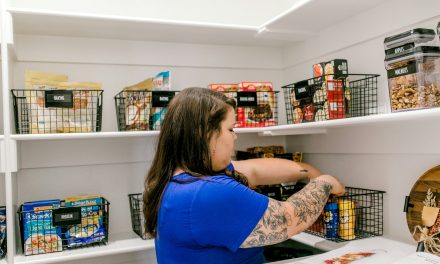
Utilizing clear containers for organizing supplies can significantly enhance visibility and accessibility. Clear bins allow students to quickly identify the contents without rummaging through multiple boxes or bags. This method is particularly effective for smaller items such as pens, pencils, erasers, and other stationery essentials. By grouping similar items together in transparent containers, students can easily locate what they need when preparing for school or completing homework assignments.
Moreover, clear containers can be stacked or arranged neatly on shelves or inside drawers, optimizing space utilization. Consider using different sizes of containers to accommodate various types of supplies. For example, larger bins can hold textbooks or binders, while smaller ones can store writing instruments or art supplies. This organizational strategy not only promotes efficiency but also instills a sense of responsibility in students regarding their belongings.
Labeling Everything for Easy Identification

Labeling is an essential component of an effective organization system. By clearly labeling containers, shelves, and even individual items, students can quickly identify where everything belongs. This practice minimizes confusion and saves time when searching for specific supplies. Use durable labels that can withstand wear and tear, ensuring longevity in the organization system.
In addition to labeling containers, consider labeling sections within the backpack itself. For instance, using adhesive labels on dividers can help students remember where to place their notebooks versus their electronic devices. This level of organization fosters independence and accountability in managing school supplies, ultimately leading to improved academic performance.
Implementing a Color-Coding System
A color-coding system can add an extra layer of organization that is both visually appealing and functional. Assign specific colors to different subjects or categories of supplies. For example, blue could represent mathematics, red for science, green for literature, and yellow for art supplies. By using colored folders, notebooks, and containers, students can quickly identify which materials correspond to each subject.
This method not only aids in organization but also enhances memory retention. The visual association between colors and subjects can help students recall information more effectively during study sessions or while completing assignments. Additionally, color-coding can make the process of packing the backpack more efficient, as students can quickly grab the necessary materials based on their color-coded system.
Utilizing Hanging Organizers and Hooks
Incorporating hanging organizers and hooks into the organization strategy can maximize vertical space while keeping supplies easily accessible. Hanging organizers can be attached to doors or walls and are ideal for storing smaller items such as scissors, glue sticks, or calculators. This method keeps frequently used supplies within reach while freeing up desk or shelf space for larger items.
Hooks are another versatile solution for organizing backpacks and other gear. Installing hooks near the designated storage area allows students to hang their backpacks when they arrive home, preventing them from being tossed on the floor or left in random locations. This simple addition encourages responsible habits and contributes to an overall organized environment.
Establishing a Daily Backpack Maintenance Routine
Creating a daily maintenance routine for the backpack is crucial for sustaining organization over time. Encourage students to take a few minutes each day to check their backpacks before leaving for school or after returning home. This routine should include removing any unnecessary items, checking for homework assignments or important papers that need to be signed, and ensuring that all supplies are in their designated places.
Incorporating this routine into daily life fosters accountability and helps students develop good organizational habits early on. Over time, this practice will become second nature, leading to less stress during busy mornings and improved preparedness for school activities.
Sorting Supplies by Subject or Category
Sorting supplies by subject or category is an effective way to streamline organization within the backpack itself. Allocate specific compartments or sections for each subject area, ensuring that all related materials are grouped together. For instance, keep all mathematics-related items—such as calculators, rulers, and math textbooks—in one section while designating another area for literature supplies like novels and notebooks.
This method not only simplifies the packing process but also enhances focus during study sessions. When students know exactly where to find their materials for each subject, they can transition smoothly between tasks without wasting time searching for misplaced items.
Incorporating Drawer Dividers and Bins
Drawer dividers and bins are excellent tools for maintaining organization within desks or storage areas dedicated to school supplies. These dividers create distinct sections within drawers, allowing students to categorize items effectively. For example, one section could hold writing instruments while another could store paper clips and sticky notes.
Bins can also be utilized within drawers or on shelves to group similar items together. By incorporating these organizational tools, students can easily access what they need without creating chaos within their workspace. This level of organization promotes productivity and minimizes distractions during homework sessions.
Setting Up a Homework Station Near the Backpack Area
Establishing a dedicated homework station near the backpack storage area can significantly enhance productivity and organization. This station should include all necessary supplies such as pens, paper, calculators, and reference materials readily available for use during study sessions. By keeping this area organized and well-stocked, students will be less likely to become frustrated when completing assignments.
Additionally, having a designated homework station encourages students to develop a routine around their study habits. They will associate this space with focused work time, leading to improved concentration and efficiency during homework sessions.
Encouraging Kids to Participate in Organization Tasks
Involving children in the organization process is essential for fostering independence and responsibility regarding their belongings. Encourage kids to take an active role in assessing their backpacks, sorting supplies, and maintaining organization systems. By allowing them to contribute ideas on how they prefer to organize their materials, you empower them to take ownership of their space.
Moreover, teaching children organizational skills at an early age sets them up for success in future academic endeavors. As they learn how to manage their supplies effectively, they will carry these skills into adulthood, benefiting them in various aspects of life beyond school.
In summary, organizing a backpack involves several strategic steps that promote efficiency and responsibility among students. By assessing supplies thoroughly, creating dedicated storage spaces, utilizing clear containers and labeling systems, implementing color-coding methods, utilizing hanging organizers, establishing maintenance routines, sorting by subject categories, incorporating drawer dividers, setting up homework stations, and encouraging participation from children themselves—parents can foster an organized environment conducive to academic success.
FAQ Section:
1. **How often should I assess my child’s backpack?**
It is advisable to assess your child’s backpack at least once every month or at the beginning of each school term to ensure it remains organized and free from unnecessary items.
2. **What should I do with outdated textbooks?**
Consider donating outdated textbooks to local schools or libraries or selling them online if they are still in good condition.
3. **How can I encourage my child to maintain their organization system?**
Set regular check-ins where you review their organization system together and provide positive reinforcement when they successfully maintain it.
4. **What types of labels work best?**
Durable adhesive labels that are waterproof and resistant to wear are ideal for long-lasting use.
5. **Are there specific types of clear containers recommended?**
Look for stackable clear bins with lids that allow easy access while keeping dust out.
6. **How do I create an effective color-coding system?**
Choose distinct colors for each subject area and ensure that all related materials—folders, notebooks—are consistently labeled with those colors.
7. **What if my child resists participating in organization tasks?**
Make it fun by turning it into a game or challenge where they can earn rewards for completing tasks related to organization.
8. **Can I use digital tools for organization?**
Yes! Digital planners or apps can complement physical organization methods by helping track assignments and deadlines.
9. **How do I maintain my child’s homework station?**
Regularly check the station together to replenish supplies as needed and ensure it remains clutter-free.
10. **What if my child has too many supplies?**
Encourage them to keep only what they use regularly; consider donating excess items to classmates or local charities.
By implementing these strategies effectively, parents can create an organized environment that supports their child’s academic journey while instilling lifelong organizational skills.
FAQs
What are some effective ways to organize backpacks at home?
To effectively organize backpacks at home, designate a specific area for each child’s backpack, such as a hook or a designated shelf. Encourage children to empty their backpacks daily, sorting items into keep, discard, or return to school categories. Use bins or baskets to store school supplies and ensure that everything has a designated spot to minimize clutter.
How can I sort and store school supplies efficiently?
Sort school supplies by category, such as writing tools, paper products, and art supplies. Use clear bins or drawer organizers to keep similar items together. Label each container for easy identification, and consider using a rolling cart for frequently used supplies, making them easily accessible while keeping them organized.
What items should be regularly checked and maintained in backpacks?
Regularly check for outdated items such as old homework, expired snacks, or broken supplies. Ensure that essential items like notebooks, pens, and pencils are stocked and in good condition. Additionally, check for any school-specific items that may need to be returned or replaced, such as library books or sports gear.
How can I involve my children in the organization process?
Involve your children by making the organization process a fun activity. Allow them to choose their own storage solutions, such as colorful bins or personalized labels. Encourage them to take responsibility for their belongings by having them sort and organize their supplies, fostering a sense of ownership and accountability.
What are some tips for maintaining an organized system throughout the school year?
To maintain an organized system throughout the school year, establish a routine for checking and organizing backpacks and supplies weekly. Set aside a specific time each week for this task, and encourage children to keep their areas tidy. Regularly reassess the organization system to ensure it continues to meet their needs as the school year progresses.