Sugar plays a pivotal role in the baking process, serving multiple functions that extend beyond mere sweetness. It contributes to the Maillard reaction, which is responsible for the browning of baked goods, imparting a desirable color and flavor. Additionally, sugar acts as a tenderizer by inhibiting gluten formation, resulting in a softer texture. It also aids in moisture retention, ensuring that baked products remain fresh and palatable for longer periods. Furthermore, sugar enhances the overall flavor profile of baked goods, balancing acidity and enriching the taste experience.
In terms of leavening, sugar interacts with yeast in bread-making, providing the necessary food source for fermentation. This process produces carbon dioxide, which causes dough to rise and develop a light, airy structure. The versatility of sugar in baking cannot be overstated; it is integral to achieving the desired consistency, flavor, and appearance of various baked items. Understanding these roles is crucial for bakers aiming to create exceptional products, especially when considering alternatives like maple syrup.
If you’re looking to make healthier substitutions in your baking, you might find it interesting to explore how to replace sugar with maple syrup. Not only does maple syrup add a unique flavor, but it also comes with its own set of health benefits. For more tips on reducing waste in your kitchen, check out this related article on sustainable practices: 10 Easy Ways to Cut Single-Use Cleaning Products Waste.
Why Choose Maple Syrup as a Sugar Substitute?
Maple syrup has emerged as a popular alternative to traditional granulated sugar due to its unique flavor profile and potential health benefits. Derived from the sap of sugar maple trees, this natural sweetener contains essential minerals such as manganese, zinc, and calcium, making it a more nutritious option compared to refined sugars. Additionally, maple syrup has a lower glycemic index than white sugar, which means it causes a slower rise in blood glucose levels, making it a preferable choice for individuals monitoring their sugar intake.
The distinct flavor of maple syrup adds depth to baked goods that granulated sugar cannot replicate. Its rich, caramel-like taste enhances the overall sensory experience of desserts and pastries. Furthermore, maple syrup is versatile; it can be used in various recipes ranging from cakes to marinades. By substituting maple syrup for sugar, bakers can create unique flavor combinations while also promoting a more wholesome approach to sweetening their creations.
Adjusting Liquid Ingredients When Using Maple Syrup

When incorporating maple syrup into baking recipes, it is essential to adjust the liquid ingredients accordingly. Maple syrup is approximately 20% water, which means that substituting it for granulated sugar introduces additional moisture into the batter or dough. To maintain the desired consistency of the final product, bakers should reduce other liquid components by about 3 tablespoons for every cup of maple syrup used. This adjustment ensures that the texture remains balanced and prevents overly wet or soggy baked goods.
Moreover, it is crucial to consider the viscosity of maple syrup when measuring and mixing ingredients. Unlike granulated sugar, which dissolves easily in liquids, maple syrup requires thorough blending to ensure even distribution throughout the mixture. Using a whisk or electric mixer can help achieve a uniform consistency. By making these adjustments, bakers can successfully integrate maple syrup into their recipes without compromising the quality of their baked items.
Reducing Oven Temperature for Maple Syrup Recipes

When baking with maple syrup, it is advisable to lower the oven temperature slightly compared to recipes that call for granulated sugar. This adjustment is necessary because maple syrup caramelizes at a lower temperature than white sugar, which can lead to over-browning or burning if not monitored closely. A reduction of approximately 25°F (about 14°C) is recommended to ensure even cooking and prevent undesirable outcomes.
Additionally, bakers should keep an eye on baking times when using maple syrup as a sweetener. While the overall baking duration may remain similar, it is essential to check for doneness earlier than indicated in traditional recipes. Utilizing a toothpick or cake tester can help determine if the baked goods are fully cooked without risking over-baking. By adjusting both temperature and timing, bakers can achieve optimal results when using maple syrup in their creations.
If you’re looking to make healthier choices in your baking, substituting maple syrup for sugar can be a great option. Maple syrup not only adds a unique flavor but also brings additional nutrients to your recipes. For more tips on how to enhance your cooking techniques, you might find this article on blanching vegetables particularly useful, as it complements your culinary skills by teaching you how to maintain vibrant colors and textures in your dishes.
How to Calculate the Maple Syrup to Sugar Conversion Ratio
Calculating the conversion ratio between maple syrup and granulated sugar is crucial for successful recipe adaptation. The general guideline is that one cup of granulated sugar can be replaced with approximately three-quarters of a cup of maple syrup. This ratio accounts for the additional liquid content present in maple syrup while ensuring that sweetness levels remain consistent.
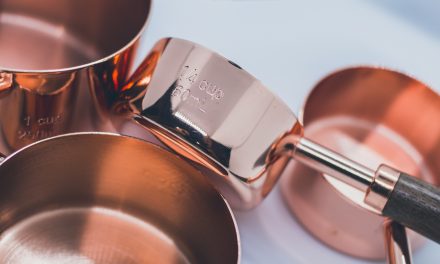
To facilitate accurate conversions, bakers can utilize measuring cups specifically designed for liquids to ensure precise amounts are used. It is also beneficial to experiment with different ratios based on personal taste preferences; some may prefer a slightly sweeter outcome while others may opt for a more subtle flavor. By understanding these conversion principles, bakers can confidently substitute maple syrup in their favorite recipes without compromising taste or texture.
Using Maple Syrup in Cakes and Muffins
Incorporating maple syrup into cakes and muffins can elevate these baked goods by adding a unique flavor dimension. When using maple syrup in cake recipes, it is essential to consider its impact on moisture content and sweetness levels. For instance, when substituting maple syrup for sugar in a cake recipe, bakers should reduce other liquid ingredients accordingly while also adjusting baking times and temperatures as previously discussed.
Maple syrup pairs exceptionally well with flavors such as vanilla, cinnamon, and nutmeg, making it an ideal choice for autumn-inspired cakes and muffins. Additionally, its natural sweetness allows bakers to experiment with reducing added sugars in recipes without sacrificing flavor. By embracing maple syrup as a primary sweetener in cakes and muffins, bakers can create moist and flavorful treats that stand out from traditional offerings.
Incorporating Maple Syrup into Cookies and Bars
Cookies and bars are another excellent avenue for utilizing maple syrup as a sweetener. The rich flavor of maple syrup complements various cookie types, from classic chocolate chip to oatmeal raisin. When substituting maple syrup for granulated sugar in cookie recipes, bakers should be mindful of the dough’s consistency; adjustments may be necessary to achieve the desired texture.
For instance, cookies made with maple syrup may spread more during baking due to the increased moisture content. To counteract this effect, bakers can chill the dough before baking or add a small amount of flour to achieve the right consistency. Additionally, incorporating nuts or dried fruits can enhance the overall flavor profile while providing added texture. By creatively integrating maple syrup into cookie and bar recipes, bakers can produce delightful treats that showcase this natural sweetener’s unique qualities.
Substituting Maple Syrup in Bread and Yeast Recipes
When it comes to bread and yeast-based recipes, substituting maple syrup for granulated sugar can yield delicious results while promoting a more wholesome approach to baking. The fermentation process relies on sugars to feed yeast; therefore, using maple syrup not only sweetens but also provides essential nutrients that support yeast activity.
To effectively substitute maple syrup in bread recipes, bakers should consider reducing other liquid ingredients as previously mentioned while also adjusting proofing times if necessary. The natural sugars present in maple syrup can enhance browning during baking, resulting in an appealing crust color and texture. Additionally, experimenting with different types of bread—such as whole grain or artisan loaves—can further highlight the complex flavors imparted by maple syrup.
Enhancing Flavor Profiles with Maple Syrup
One of the most compelling reasons to incorporate maple syrup into baking is its ability to enhance flavor profiles significantly. The complex notes of caramelization found in maple syrup can elevate simple recipes into extraordinary creations. Pairing maple syrup with complementary ingredients such as nuts, spices, or citrus can create harmonious flavor combinations that tantalize the palate.
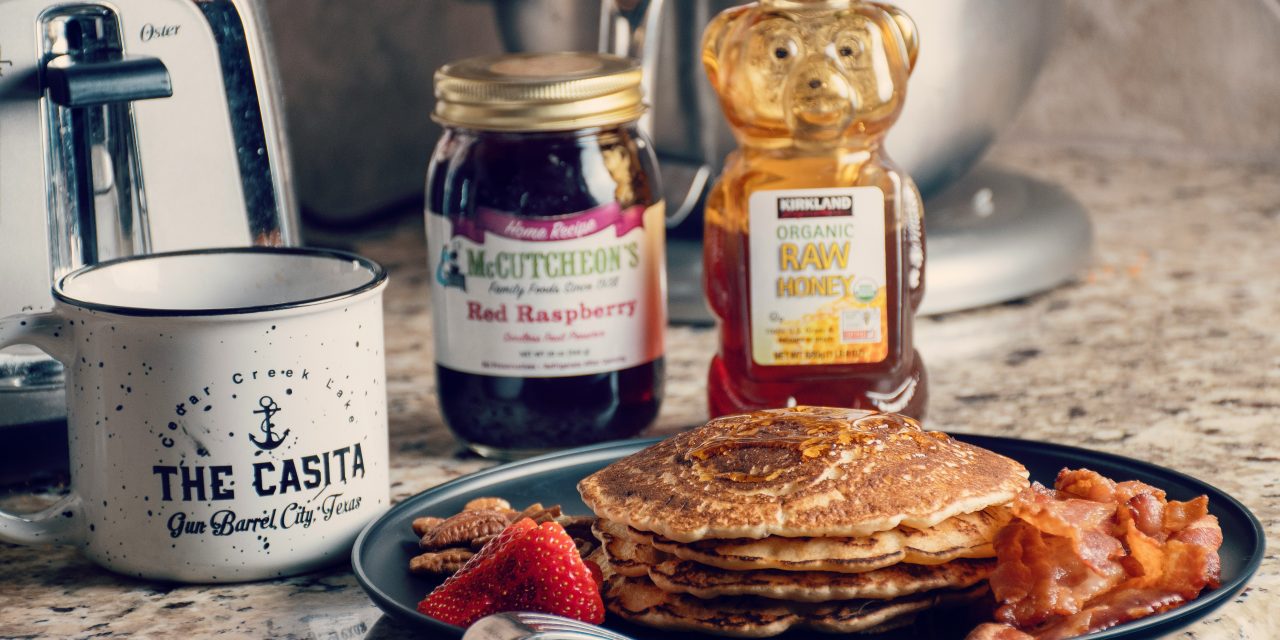
For example, adding a splash of maple syrup to pancake batter not only sweetens but also enriches the overall taste experience with its distinctive flavor. Similarly, drizzling warm maple syrup over freshly baked goods like scones or muffins can provide an indulgent finishing touch that delights consumers. By thoughtfully integrating maple syrup into various recipes, bakers can create memorable culinary experiences that leave lasting impressions.
Tips for Maintaining Texture and Moisture
Maintaining texture and moisture when using maple syrup as a sweetener requires careful consideration during the baking process. As previously discussed, adjusting liquid ingredients is crucial; however, other factors also play a role in achieving optimal results. For instance, incorporating ingredients such as yogurt or sour cream can enhance moisture retention while contributing to a tender crumb structure.
Additionally, utilizing techniques such as creaming butter and sugar (or butter and maple syrup) properly can help achieve an airy texture in cakes and cookies. Ensuring that ingredients are at room temperature before mixing can also facilitate better emulsification and overall consistency. By implementing these strategies alongside careful measurements and adjustments when using maple syrup, bakers can produce baked goods that are both moist and texturally appealing.
Common Mistakes to Avoid When Using Maple Syrup in Baking
While incorporating maple syrup into baking offers numerous benefits, several common pitfalls should be avoided to ensure success. One frequent mistake is neglecting to adjust other liquid ingredients appropriately; failing to do so can result in overly wet batters or doughs that do not rise correctly during baking.
Another common error involves overlooking the impact of temperature adjustments on baking times; many bakers may assume that traditional timings apply without considering how maple syrup alters cooking dynamics. Lastly, underestimating the strength of flavor imparted by maple syrup can lead to overly sweet or unbalanced outcomes if not accounted for during recipe development.
By being mindful of these potential missteps and implementing best practices when using maple syrup as a sweetener, bakers can confidently explore new culinary horizons while creating delectable treats that showcase this natural ingredient’s unique qualities.
In summary, understanding how to effectively use maple syrup as a substitute for traditional sugars in baking opens up new avenues for creativity while promoting healthier choices. From adjusting liquid ingredients and oven temperatures to calculating conversion ratios accurately, each step plays an integral role in achieving successful outcomes. By embracing this natural sweetener across various baked goods—from cakes and cookies to breads—bakers can enhance flavors while maintaining desirable textures and moisture levels. With careful consideration of common mistakes and best practices outlined throughout this article, anyone can confidently incorporate maple syrup into their baking repertoire for delightful results.
FAQs
Can I substitute maple syrup for granulated sugar in any baking recipe?
Yes, you can substitute maple syrup for granulated sugar in most baking recipes. However, it is important to adjust the liquid content of the recipe since maple syrup is a liquid sweetener. For every cup of sugar replaced, use 3/4 cup of maple syrup and reduce the other liquids in the recipe by about 3 tablespoons.
How does the flavor of maple syrup affect baked goods?
Maple syrup has a distinct flavor that can enhance the taste of baked goods. It adds a rich, caramel-like sweetness that may complement certain recipes, such as pancakes, muffins, and cookies. However, in recipes where a neutral sweetness is desired, the flavor of maple syrup may be more pronounced and could alter the intended taste.
Is there a difference in sweetness between maple syrup and sugar?
Yes, maple syrup is generally less sweet than granulated sugar. While sugar is pure sucrose, maple syrup contains about 60% sucrose along with other sugars and compounds. This means you may need to use slightly more maple syrup to achieve the same level of sweetness, but it is recommended to start with a 3/4 cup substitution for every cup of sugar.
Do I need to adjust baking temperatures when using maple syrup?
Typically, you do not need to adjust baking temperatures when substituting maple syrup for sugar. However, since maple syrup can cause baked goods to brown more quickly, you may want to keep an eye on your items as they bake and consider reducing the baking time slightly if necessary.
Can I use maple syrup in recipes that call for powdered sugar?
While you can use maple syrup in recipes that call for powdered sugar, it may not work as effectively due to the different textures and moisture levels. For frosting or icing, you can create a maple-flavored version by mixing maple syrup with powdered sugar to achieve the desired consistency, but it may require some experimentation to get the right texture.