Creating a conducive environment for your feline companion post-surgery is paramount for a smooth recovery. The designated recovery area should be quiet, warm, and free from disturbances. Ideally, this space should be away from the hustle and bustle of daily life, allowing your cat to rest undisturbed. Consider using a soft bed or blanket to provide comfort, as well as familiar toys to help ease anxiety. The area should also be well-ventilated, ensuring that your pet has access to fresh air while remaining cozy.
In addition to comfort, accessibility is crucial. Ensure that your cat can easily reach food and water bowls without straining or exerting too much energy. Placing these essentials within close proximity to their resting area will encourage proper hydration and nutrition during recovery. It may also be beneficial to have a litter box nearby, as mobility may be limited in the initial days following surgery. By thoughtfully preparing this space, you can significantly enhance your cat’s recovery experience.
Monitoring Your Cat’s Incision Site
Post-operative care involves vigilant observation of the incision site to ensure proper healing and to identify any potential complications early on. Inspect the area daily for signs of inflammation, such as redness, swelling, or discharge. A healthy incision should appear clean and dry, with minimal swelling. If you notice any unusual changes, such as excessive bleeding or a foul odor, it is imperative to contact your veterinarian immediately.
In addition to visual checks, gently palpating the area around the incision can help assess for any abnormal lumps or tenderness. Cats may exhibit discomfort when the incision site is touched, so it is essential to approach this task with care. Keeping a log of your observations can be beneficial for discussions with your veterinarian during follow-up visits. This proactive approach can help ensure that any issues are addressed promptly, promoting a smoother recovery process.
Managing Pain and Medication

Effective pain management is crucial for your cat’s recovery after surgery. Your veterinarian will likely prescribe analgesics to alleviate discomfort and promote healing. Common medications include non-steroidal anti-inflammatory drugs (NSAIDs) such as carprofen or meloxicam, which help reduce inflammation and pain. It is essential to administer these medications precisely as directed, adhering to the prescribed dosage and schedule.
In addition to pharmacological interventions, alternative therapies such as acupuncture or laser therapy may be considered to complement pain management strategies. These modalities can enhance overall well-being and expedite recovery by promoting circulation and reducing inflammation. Always consult with your veterinarian before introducing any new treatments to ensure they are appropriate for your cat’s specific condition.
Preventing Your Cat from Licking the Incision

One of the most significant challenges in post-operative care is preventing your cat from licking or biting at the incision site. This behavior can lead to complications such as infection or delayed healing. To mitigate this risk, consider using an Elizabethan collar (E-collar) or alternative protective devices designed to restrict access to the surgical area. These collars come in various sizes and styles, ensuring a snug fit while allowing your cat to eat and drink comfortably.
If your cat is particularly distressed by traditional E-collars, there are softer alternatives available, such as inflatable collars or fabric cones that provide comfort while still preventing licking. Additionally, you can distract your cat with toys or engage them in gentle play to redirect their focus away from the incision site. Consistent supervision during the recovery period is essential to ensure that your cat does not engage in harmful behaviors.
Limiting Physical Activity and Jumping
Restricting physical activity is vital for a successful recovery following surgery. Cats are naturally agile creatures, but excessive movement can strain the incision site and hinder healing. It is advisable to confine your cat to a small room or use a crate during the initial recovery phase to limit their mobility. Gradually reintroducing activity as healing progresses will help prevent complications.
Monitoring your cat’s behavior is essential during this period. If they attempt to jump or engage in vigorous play, gently redirect them back to their resting area. Providing interactive toys that encourage mental stimulation without physical exertion can help keep them entertained while they recover. As a general guideline, limit jumping and running for at least two weeks post-surgery or until advised otherwise by your veterinarian.
Ensuring Proper Hydration and Nutrition
Maintaining adequate hydration and nutrition is critical for your cat’s recovery process. After surgery, some cats may experience decreased appetite due to discomfort or anesthesia effects. To encourage eating, offer small, frequent meals of their favorite foods or consider warming their meals slightly to enhance aroma and palatability. High-quality wet food can also be beneficial as it provides moisture and essential nutrients.
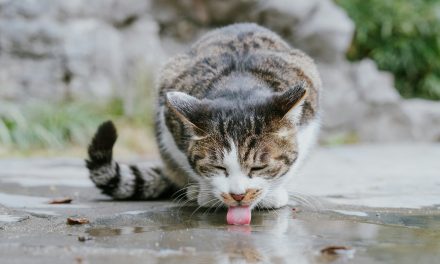
Hydration is equally important; ensure that fresh water is readily available at all times. If your cat is reluctant to drink, consider providing ice cubes or offering low-sodium broth as an alternative source of hydration. Monitoring their water intake will help prevent dehydration, which can complicate recovery. If you notice persistent changes in appetite or drinking habits, consult your veterinarian for further guidance.
Observing Behavioral Changes and Alert Signs
Behavioral changes can provide valuable insights into your cat’s recovery status. Post-surgery, it is common for cats to exhibit lethargy or decreased activity levels; however, significant changes in behavior warrant attention. Signs of distress may include excessive vocalization, hiding, or aggression when approached. These behaviors could indicate pain or discomfort that requires veterinary evaluation.
Additionally, keep an eye out for signs of infection at the incision site, such as increased swelling, redness, or discharge. Changes in bowel movements or urination patterns may also signal complications that need addressing. By remaining vigilant and observant during this critical period, you can ensure that any potential issues are identified early and managed effectively.
Scheduling and Attending Follow-Up Vet Visits
Follow-up veterinary appointments are essential components of post-operative care. These visits allow your veterinarian to assess the healing process and address any concerns you may have regarding your cat’s recovery. Typically scheduled one to two weeks after surgery, these appointments provide an opportunity for professional evaluation of the incision site and overall health status.
During these visits, be prepared to discuss any observations you’ve made regarding your cat’s behavior, appetite, and activity levels since surgery. Your veterinarian may perform additional diagnostic tests if necessary and provide guidance on transitioning back to normal activities. Adhering to follow-up schedules ensures that any complications are promptly addressed and that your cat receives optimal care throughout their recovery journey.
Keeping Your Cat Indoors During Recovery
Keeping your cat indoors during the recovery phase is crucial for their safety and well-being. Outdoor environments expose them to various risks such as infections from other animals, exposure to harsh weather conditions, or accidents that could exacerbate their surgical site. By confining them indoors, you create a controlled environment where they can heal without unnecessary stressors.
Consider creating a stimulating indoor environment by providing scratching posts, climbing structures, and interactive toys that encourage mental engagement without physical exertion. This approach not only keeps them entertained but also helps prevent boredom during their recovery period.
Using an Elizabethan Collar or Alternative Solutions
The Elizabethan collar remains one of the most effective tools for preventing cats from licking their incisions post-surgery. While traditional E-collars can be cumbersome for some pets, various alternatives exist that offer comfort while still serving their purpose effectively. Inflatable collars provide a softer option that allows cats more freedom of movement while preventing access to the surgical site.
Additionally, fabric collars designed specifically for post-operative care can be less intrusive while still restricting licking behavior. Whichever option you choose, ensure it fits securely without causing discomfort or restricting breathing. Regularly check the collar’s fit and adjust as necessary to maintain effectiveness throughout the recovery period.
Providing Extra Love and Reassurance Throughout Recovery
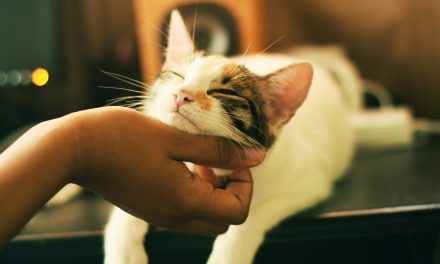
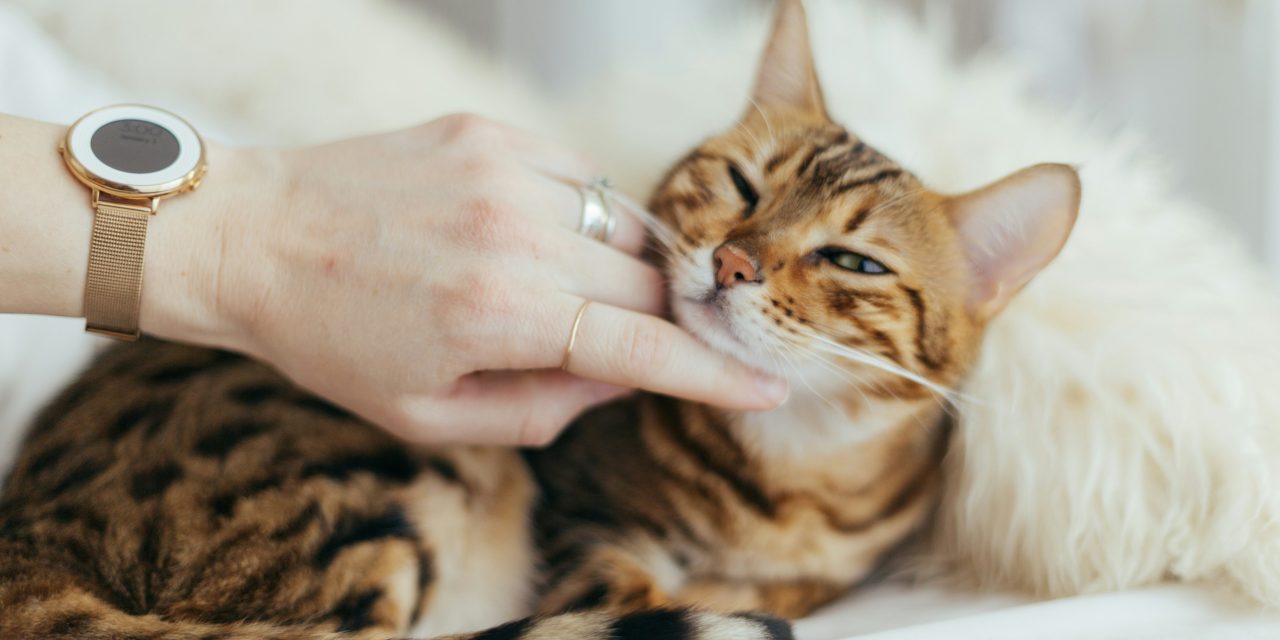
Emotional support plays a significant role in your cat’s recovery process. Providing extra love and reassurance can help alleviate anxiety and promote a sense of security during this vulnerable time. Spend quality time with your feline friend by engaging in gentle petting sessions or soft-spoken interactions that foster bonding.
Creating a calm atmosphere through soothing music or pheromone diffusers can also contribute positively to their emotional well-being. Remember that patience is key; some cats may take longer than others to adjust post-surgery. By being attentive to their needs and offering comfort, you can significantly enhance their overall recovery experience.
In summary, caring for a cat post-surgery requires diligence and attention across multiple facets of their well-being—from creating a comfortable recovery space to monitoring their behavior closely. By implementing effective pain management strategies, ensuring proper hydration and nutrition, and maintaining regular veterinary follow-ups, you can facilitate a smoother healing process for your feline companion while providing them with the love and support they need during this critical time.
FAQs
What should I expect immediately after my cat is spayed?
After your cat is spayed, she may be groggy or disoriented from the anesthesia. It’s normal for her to want to rest and sleep for several hours. You should monitor her closely during this time to ensure she is comfortable and not experiencing any adverse reactions.
How should I care for my cat’s incision site?
Keep the incision site clean and dry. Check it daily for any signs of redness, swelling, or discharge. Avoid letting your cat lick or chew at the incision, as this can lead to infection. If you notice any concerning changes, contact your veterinarian.
What should I feed my cat after the spay surgery?
After surgery, it’s best to offer your cat a small amount of her regular food to see if she can keep it down. If she seems to be recovering well, you can gradually return to her normal feeding schedule. Ensure she has access to fresh water at all times.
How long will it take for my cat to recover from the spay surgery?
Most cats will start to feel better within a few days after surgery, but full recovery can take about 10 to 14 days. During this time, it’s important to limit her activity to prevent strain on the incision site.
When should I contact my veterinarian after the spay surgery?
You should contact your veterinarian if you notice any signs of complications, such as excessive bleeding, persistent vomiting, difficulty breathing, or if your cat is not eating or drinking for more than 24 hours. Additionally, if the incision appears infected or if your cat is in severe pain, seek veterinary advice promptly.