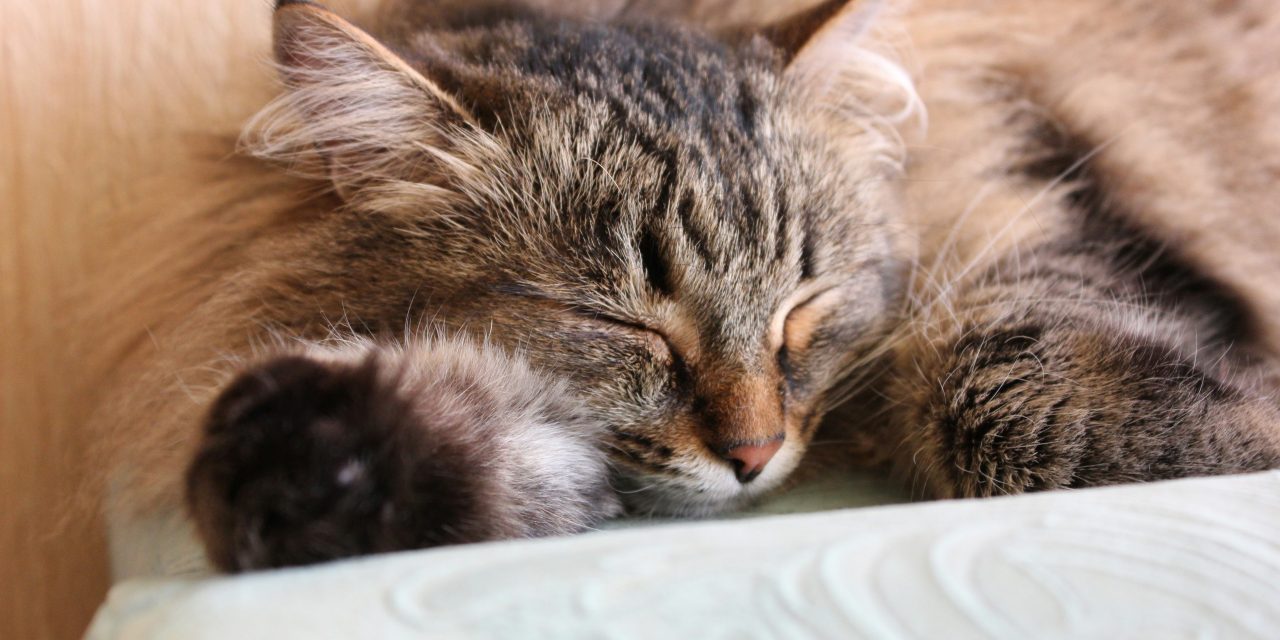
The pregnancy cycle of a cat, known as the estrous cycle, is a complex physiological process that typically lasts about 63 to 65 days. This cycle can be divided into several stages: proestrus, estrus, metestrus (diestrus), and anestrus. During proestrus, which lasts approximately one week, female cats exhibit behavioral changes such as increased affection and vocalization, signaling their readiness to mate. Estrus, or heat, follows, lasting about 4 to 10 days, during which the female is receptive to males. If mating occurs, fertilization can take place, leading to pregnancy.
Once fertilization occurs, the cat enters the metestrus phase, where hormonal changes support the developing embryos. During this time, the mother may exhibit nesting behaviors as she prepares for the arrival of her kittens. Anestrus is the resting phase that occurs when the cat is not in heat and can last for several months. Understanding these stages is crucial for cat owners to provide appropriate care and support throughout the pregnancy.
Creating a Comfortable and Safe Nesting Area
Creating a comfortable and safe nesting area for a pregnant cat is essential for her well-being and that of her future kittens. A designated space should be quiet, warm, and away from high-traffic areas to minimize disturbances. A cozy box lined with soft blankets or towels can serve as an ideal nesting spot. The box should be spacious enough for the mother to move around comfortably but enclosed enough to provide a sense of security.
In addition to physical comfort, ensuring that the nesting area is free from potential hazards is vital. Remove any sharp objects or toxic plants that could pose a risk to the mother and her kittens. Providing privacy is also important; consider placing the nesting box in a secluded corner of your home where the cat can feel safe and undisturbed during labor and postpartum recovery.
Providing a Balanced and Nutritious Diet

A balanced and nutritious diet is paramount during a cat’s pregnancy. Pregnant cats require increased caloric intake to support fetal development and maintain their own health. High-quality commercial cat food formulated for pregnant or nursing cats is recommended, as it contains essential nutrients such as protein, fat, vitamins, and minerals necessary for both mother and kittens.
Incorporating wet food into the diet can also be beneficial, as it provides hydration and additional calories. It’s important to gradually transition to this diet to avoid gastrointestinal upset. Additionally, consult with a veterinarian to determine specific dietary needs based on the cat’s size, age, and overall health status. Regular monitoring of weight gain during pregnancy can help ensure that the mother is receiving adequate nutrition.
Ensuring Fresh Water is Always Available

Hydration is a critical aspect of maintaining a healthy pregnancy in cats. Pregnant felines require access to fresh water at all times to support their increased metabolic demands and ensure proper kidney function. Dehydration can lead to serious complications for both the mother and her developing kittens.
To encourage water intake, consider providing multiple water bowls throughout your home. Some cats prefer running water; therefore, investing in a pet water fountain may stimulate their interest in drinking more frequently. Regularly clean and refill water bowls to ensure they remain fresh and appealing. Monitoring your cat’s water consumption can also provide insights into her health; any significant decrease in intake should prompt a consultation with a veterinarian.
Monitoring Your Cat’s Health and Behavior
Monitoring your cat’s health and behavior throughout her pregnancy is essential for identifying any potential issues early on. Regular observation can help detect changes in appetite, energy levels, or behavior that may indicate underlying health concerns. Common signs of distress include excessive vomiting, lethargy, or unusual discharge.
Additionally, keeping track of weight gain is crucial; while some weight gain is expected during pregnancy, sudden fluctuations may signal complications such as gestational diabetes or pre-eclampsia. Regularly checking for signs of discomfort or pain can also help ensure that your cat remains healthy throughout her pregnancy. If any concerning symptoms arise, seeking veterinary advice promptly can help mitigate risks.
Scheduling Regular Veterinary Check-Ups
Regular veterinary check-ups are vital during a cat’s pregnancy to monitor her health and that of her developing kittens. A veterinarian can perform physical examinations, conduct ultrasounds if necessary, and provide vaccinations or deworming treatments that are safe during pregnancy. These visits allow for early detection of potential complications such as infections or developmental issues.
During these appointments, pet owners should discuss any behavioral changes or health concerns observed at home. The veterinarian can offer tailored advice on nutrition, exercise, and overall care during this critical period. Establishing a relationship with a trusted veterinarian ensures that both mother and kittens receive optimal care throughout the pregnancy and beyond.
Minimizing Stress and Loud Noises
Minimizing stress and exposure to loud noises is crucial for a pregnant cat’s well-being. Stress can lead to complications such as premature labor or low birth weight in kittens. Creating a calm environment involves reducing loud sounds from televisions, music, or household activities that may startle or disturb the mother.
Providing safe spaces where she can retreat when feeling overwhelmed is also beneficial. Soft bedding in quiet areas allows her to relax without interruptions. Additionally, maintaining a consistent routine can help reduce anxiety; feeding times, play sessions, and interactions should remain predictable to foster a sense of security.
Preparing for the Birth: Supplies and Environment
Preparation for the birth of kittens involves gathering essential supplies and ensuring an appropriate environment for delivery. Key items include clean towels for drying newborns, a heating pad or warm water bottle to maintain warmth, and a box or whelping area where the mother can give birth comfortably.
It’s also advisable to have veterinary contact information readily available in case of emergencies during labor. Familiarizing yourself with birthing processes can help you assist if needed; however, it’s essential to allow the mother to take the lead during delivery unless complications arise.
Recognizing Signs of Labor and When to Seek Help
Recognizing signs of labor is crucial for ensuring timely assistance if complications arise during delivery. Common indicators include nesting behavior, restlessness, vocalization, and loss of appetite as labor approaches. As contractions begin, you may notice the mother pacing or seeking out her nesting area more frequently.
If labor does not progress after several hours or if there are signs of distress such as excessive bleeding or prolonged contractions without delivering kittens, it’s imperative to seek veterinary assistance immediately. Understanding these signs can help ensure both mother and kittens receive appropriate care during this critical time.
Caring for the Newborn Kittens and Mother
Caring for newborn kittens involves ensuring they receive adequate warmth, nutrition, and socialization while monitoring their health closely. Kittens are born blind and deaf; they rely on their mother for warmth and nourishment through nursing. It’s essential to ensure that all kittens latch onto their mother within the first few hours after birth to receive colostrum—a nutrient-rich first milk crucial for their immune system development.
Monitoring the mother’s health post-delivery is equally important; she should be encouraged to eat high-quality food to support lactation while remaining hydrated. Regularly checking on both mother and kittens helps identify any potential issues early on; signs such as lethargy in either party should prompt immediate veterinary consultation.
Maintaining Hygiene and Cleanliness During and After Pregnancy
Maintaining hygiene during and after pregnancy is vital for preventing infections in both the mother cat and her kittens. Regularly cleaning the nesting area helps minimize exposure to bacteria or parasites that could harm their health. Use mild detergents free from harsh chemicals when cleaning bedding or surfaces.
After birth, monitor the mother’s litter box habits closely; any changes in elimination patterns may indicate health issues requiring veterinary attention. Keeping the environment clean not only promotes health but also fosters a safe space for both mother and her new litter.
In summary, understanding your cat’s pregnancy cycle is essential for providing optimal care throughout this period. Creating a comfortable nesting area, ensuring proper nutrition and hydration, monitoring health behaviors, scheduling veterinary check-ups, minimizing stressors, preparing adequately for birth, recognizing labor signs, caring for newborns effectively, and maintaining cleanliness are all critical components of supporting your pregnant feline companion through this transformative journey. By following these guidelines diligently, you can help ensure a healthy pregnancy experience for both your cat and her kittens.
### FAQ Section
1. **How long does a cat’s pregnancy last?**
– A typical cat pregnancy lasts between 63 to 65 days but can range from 58 to 70 days.
2. **What should I feed my pregnant cat?**
– High-quality commercial food formulated for pregnant or nursing cats is recommended due to its higher caloric content.
3. **How can I tell if my cat is pregnant?**
– Signs include increased affection, changes in appetite, weight gain, and nesting behavior as she nears delivery.
4. **Is it safe to spay my cat while she is pregnant?**
– Spaying during pregnancy is generally discouraged unless there are medical reasons; consult your veterinarian for guidance.
5. **What should I do if my cat goes into labor?**
– Prepare a quiet space with clean towels and monitor her closely; seek veterinary assistance if complications arise.
6. **How many kittens can I expect?**
– The average litter size ranges from 2 to 6 kittens but can vary based on factors like breed and age.
7. **When should I take my kittens to the vet?**
– Kittens should have their first veterinary check-up around 6 weeks of age for vaccinations and health assessments.
8. **How do I care for newborn kittens?**
– Ensure they nurse from their mother within hours of birth; monitor their weight gain and keep them warm.
9. **What are common complications during cat pregnancy?**
– Complications may include infections, gestational diabetes, or difficulties during labor; prompt veterinary care is essential.
10. **How can I help my cat relax during pregnancy?**
– Create a calm environment by minimizing noise and providing safe spaces where she feels secure.
By adhering to these guidelines and being proactive in your care approach, you will significantly enhance your pregnant cat’s experience while ensuring her health and that of her future kittens remain paramount throughout this journey.
FAQs
What should I feed a pregnant cat?
A pregnant cat should be fed a high-quality, nutrient-rich diet that is specifically formulated for kittens or pregnant cats. This diet should include higher levels of protein, fat, and essential vitamins and minerals to support the health of both the mother and her developing kittens. It’s also important to provide fresh water at all times.
How can I tell if my cat is pregnant?
Signs of pregnancy in cats can include changes in appetite, increased affection, weight gain, and enlarged nipples. A pregnant cat may also exhibit nesting behavior as she approaches her due date. If you suspect your cat is pregnant, a visit to the veterinarian can confirm the pregnancy through an ultrasound or physical examination.
When should I take my pregnant cat to the vet?
It is advisable to take your pregnant cat to the veterinarian as soon as you suspect she is pregnant. Regular check-ups throughout her pregnancy are important to monitor her health and the development of the kittens. The vet can provide guidance on nutrition, vaccinations, and any necessary care during the pregnancy.
How long is a cat pregnant?
The average gestation period for cats is approximately 63 to 65 days, although it can range from 58 to 70 days. It’s important to prepare for the arrival of the kittens as the due date approaches, ensuring that the mother has a safe and comfortable space to give birth.
What should I do to prepare for the birth of the kittens?
To prepare for the birth of kittens, create a quiet, comfortable nesting area for the mother cat, away from noise and disturbances. Provide clean bedding and ensure she has access to food and water. It’s also helpful to have a veterinarian’s contact information on hand in case of any complications during the birthing process.