Cats are renowned for their meticulous grooming habits, often spending a significant portion of their day cleaning themselves. However, there are instances when a bath becomes necessary, such as when they encounter substances that are difficult to remove through self-grooming, or if they have skin conditions that require medicated treatments. Understanding your cat’s bathing needs is crucial for maintaining their hygiene and overall health.
While most felines can manage their grooming, certain breeds, particularly those with long hair like Persians or Maine Coons, may require occasional baths to prevent matting and tangles. Additionally, older cats or those with mobility issues may struggle to groom effectively, making bathing an essential part of their care routine. Recognizing the signs that your cat may need a bath—such as an unpleasant odor, visible dirt, or skin irritations—can help you determine the right time for this grooming task.
Preparing the Bathing Area in Advance
Preparation is key to a successful bathing experience for both you and your feline companion. Selecting an appropriate bathing area is essential; many pet owners opt for a bathtub or a sink, ensuring that the space is free from distractions and hazards. Before introducing your cat to the bathing environment, it is advisable to gather all necessary supplies and create a calming atmosphere.
Consider placing a non-slip mat at the bottom of the tub or sink to prevent your cat from slipping during the bath. This will not only enhance their comfort but also reduce anxiety associated with the bathing process. Additionally, ensure that the room temperature is warm enough to keep your cat comfortable throughout the experience. A quiet environment can help alleviate stress, so consider playing soft music or using pheromone diffusers to create a soothing ambiance.
Choosing the Right Shampoo for Your Cat

Selecting an appropriate shampoo is critical for ensuring your cat’s skin and coat remain healthy post-bath. Cats have sensitive skin that can react adversely to human shampoos or harsh chemicals. Therefore, it is imperative to choose a product specifically formulated for felines. Look for shampoos that are free from sulfates, parabens, and artificial fragrances.
If your cat has specific skin conditions such as dermatitis or allergies, consult your veterinarian for recommendations on medicated shampoos that can address these issues effectively. Ingredients like oatmeal or aloe vera can provide soothing properties for irritated skin. Always perform a patch test on a small area of your cat’s skin before applying any new product extensively to ensure there are no adverse reactions.
Gathering All Necessary Supplies Beforehand

Before initiating the bathing process, it is essential to gather all necessary supplies to streamline the experience and minimize stress for both you and your cat. Essential items include cat shampoo, towels, a non-slip mat, a cup or sprayer for rinsing, and possibly a brush for detangling fur before the bath.
Having everything within arm’s reach will prevent you from leaving your cat unattended during the bathing process, which could lead to anxiety or escape attempts. Additionally, consider having treats on hand to reward your cat after the bath, reinforcing positive behavior and creating a more enjoyable experience overall.
Brushing Your Cat to Remove Loose Fur
Prior to bathing, it is advisable to brush your cat thoroughly to remove loose fur and prevent matting. This step not only helps reduce shedding but also allows you to inspect your cat’s coat for any abnormalities such as lumps, bumps, or skin irritations that may require veterinary attention.
Using a brush designed specifically for your cat’s coat type will yield the best results. For long-haired breeds, a wide-toothed comb or slicker brush can effectively detangle knots and mats. Short-haired cats may benefit from a rubber grooming mitt or bristle brush that can help remove loose hair while providing a gentle massage. This pre-bath grooming session can also help acclimate your cat to being handled and make them more comfortable during the actual bathing process.
Using Lukewarm Water for Comfort
When it comes time to bathe your cat, using lukewarm water is crucial for their comfort and safety. Water that is too hot can cause burns or discomfort, while cold water may induce stress and anxiety. Aim for a temperature that feels warm but not hot to the touch—around 100°F (37°C) is ideal.
Introduce your cat to the water gradually; start by wetting their paws before moving on to their body. This gradual approach can help reduce anxiety and allow them to acclimate to the sensation of water. Always be mindful of their body language; if they appear distressed or agitated, take a moment to reassure them before proceeding further.
Handling Your Cat Gently but Securely
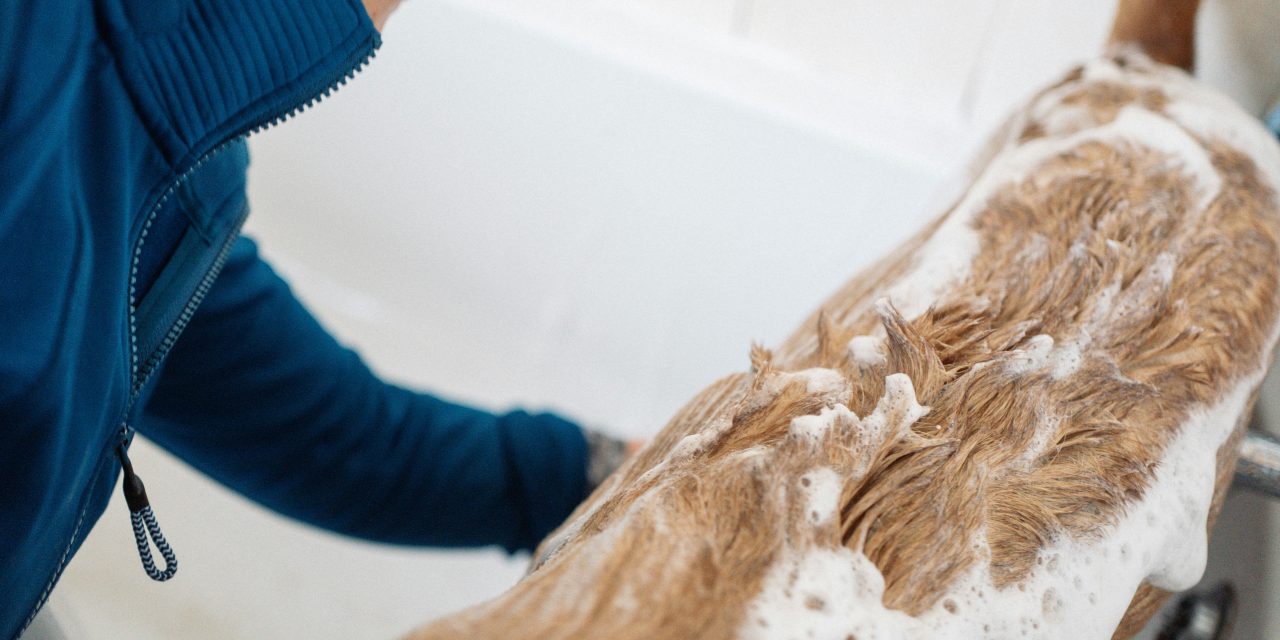
During the bathing process, handling your cat with care is paramount. Cats can become frightened in unfamiliar situations, so maintaining a gentle yet secure grip will help them feel safe. Use one hand to support their body while the other hand applies shampoo or rinses them off.
If your cat begins to squirm or show signs of distress, speak softly and calmly to reassure them. Avoid sudden movements that could startle them further. If necessary, consider wrapping them in a towel with only their head exposed while you wash them; this can provide them with a sense of security while allowing you access to their body.
Keeping Bath Time Short and Efficient
Cats generally do not enjoy prolonged bathing sessions; therefore, keeping bath time short and efficient is essential for minimizing stress. Aim to complete the washing process within 10-15 minutes if possible. Focus on key areas such as the back, sides, and underbelly while avoiding sensitive areas like the face and ears unless absolutely necessary.
To expedite the process, use a cup or sprayer designed for pets that allows you to control the flow of water effectively. Rinse thoroughly after applying shampoo to ensure no residue remains on their coat, as leftover product can lead to skin irritation.
Thoroughly Rinsing to Avoid Residue
One of the most critical steps in bathing your cat is ensuring that all shampoo residue is thoroughly rinsed away. Residual product can lead to skin irritation or allergic reactions, so take extra care during this phase of the bath. Use lukewarm water and rinse until the water runs clear.
Pay special attention to areas where shampoo may accumulate, such as under the chin and between the toes. If you notice any signs of irritation post-bath—such as redness or excessive scratching—consult your veterinarian for advice on how to proceed.
Drying Your Cat Safely and Calmly
After rinsing your cat thoroughly, drying them off safely is essential for their comfort and well-being. Use soft towels to gently pat down their coat; avoid vigorous rubbing as this can cause tangles or discomfort. If your cat tolerates it, you may also consider using a pet-safe blow dryer on a low setting from a distance; however, many cats find this intimidating.
Ensure that your cat remains in a warm environment post-bath to prevent them from getting cold. If they seem anxious about drying off, allow them some time in a quiet space where they can groom themselves naturally after you’ve removed excess moisture.
Rewarding Your Cat to Create Positive Associations
Creating positive associations with bath time is crucial for future grooming sessions. After successfully completing the bath, reward your cat with treats or extra affection to reinforce good behavior. This positive reinforcement will help them associate bath time with pleasant experiences rather than stress.
Consider incorporating playtime after the bath as an additional reward; engaging in their favorite activities can further solidify positive feelings about being bathed. Over time, with consistent positive reinforcement, many cats will become more tolerant of baths and may even come to enjoy them.
In summary, understanding your cat’s bathing needs involves recognizing when a bath is necessary and preparing adequately for the experience. By choosing appropriate products and handling your feline companion gently throughout the process, you can create a more enjoyable bathing routine that promotes their health and well-being. Regular grooming practices combined with positive reinforcement will help ensure that bath time becomes less of a chore and more of an opportunity for bonding between you and your beloved pet.
FAQs
Do cats need to be bathed regularly?
Cats are generally good at grooming themselves and do not require regular baths. Most cats can maintain their cleanliness through self-grooming. However, certain situations, such as if a cat gets into something sticky or smelly, may necessitate a bath.
What is the best way to bathe a cat?
The best way to bathe a cat is to use a calm and gentle approach. Start by brushing the cat to remove loose fur, then fill a tub or sink with a few inches of lukewarm water. Use a cat-specific shampoo, wet the cat gradually, and avoid getting water in their ears and eyes. Rinse thoroughly and dry the cat with a towel afterward.
Can I use human shampoo to bathe my cat?
No, you should not use human shampoo on cats. Human shampoos can be too harsh for a cat’s skin and may cause irritation. It is best to use a shampoo specifically formulated for cats, as these products are designed to be gentle and safe for their skin and coat.
How often should I bathe my cat?
Most cats do not need to be bathed more than once every few months, or even less frequently, depending on their lifestyle and grooming habits. Cats with long hair or those that are older, ill, or overweight may require more frequent baths to help maintain their hygiene.
What should I do if my cat hates water?
If your cat hates water, it is important to approach bathing with patience and care. You can try using a damp cloth to clean specific areas instead of a full bath. Gradually acclimating your cat to water by introducing them to it slowly can also help. Always ensure that the experience is as stress-free as possible.