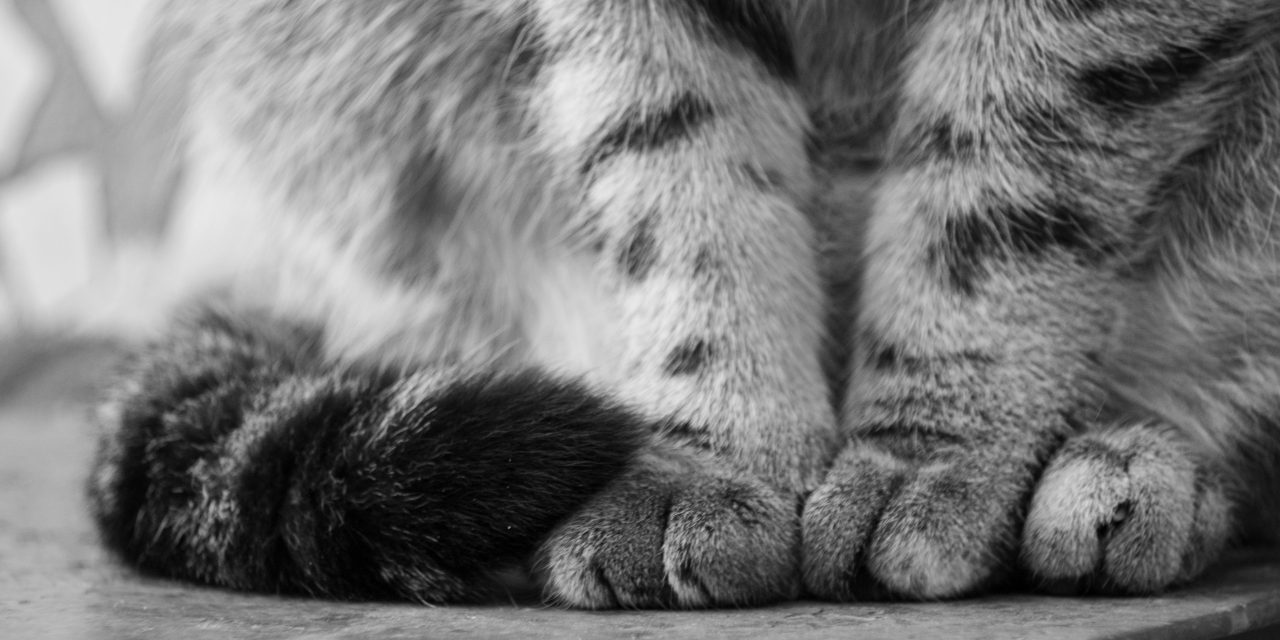
To effectively manage your cat’s nail care, it is essential to comprehend the intricate anatomy of feline claws. Each claw consists of several components, including the hard outer shell known as the claw sheath, the inner quick, and the surrounding soft tissue. The claw sheath is primarily composed of keratin, a fibrous protein that provides strength and durability. Beneath this protective layer lies the quick, a sensitive area rich in blood vessels and nerves. This structure is crucial for your cat’s mobility and hunting abilities, as it aids in gripping surfaces and capturing prey.
Understanding the anatomy of your cat’s nails is vital for safe trimming. The quick extends into the claw, making it imperative to avoid cutting into this sensitive area. In lighter-colored claws, the quick is often visible as a pinkish hue, while in darker claws, it may be more challenging to discern. Familiarizing yourself with these anatomical features will not only enhance your confidence during nail trimming but also ensure your cat’s comfort and safety throughout the process.
Choosing the Right Nail Clippers for Cats
Selecting appropriate nail clippers is a critical step in ensuring a successful nail trimming experience for both you and your feline companion. There are various types of clippers available on the market, including guillotine-style clippers, scissors-style clippers, and electric grinders. Each type has its advantages and disadvantages, making it essential to choose one that suits your cat’s specific needs and your personal comfort level.
Guillotine-style clippers feature a small opening where the claw is inserted before a blade slices through the nail. This design allows for precision but may require some practice to master. Scissors-style clippers resemble traditional scissors and can provide a more controlled cutting experience. Electric grinders, on the other hand, gently file down the nail rather than cutting it, which can be less intimidating for some cats. Ultimately, selecting the right tool will depend on your cat’s temperament, nail thickness, and your own proficiency with each type.
Preparing Your Cat for Nail Trimming

Preparation is key when it comes to trimming your cat’s nails. Before you begin, ensure that you have all necessary tools within reach, including your chosen clippers, styptic powder (in case of accidental cuts), and treats for positive reinforcement. It is also advisable to familiarize your cat with the clippers by allowing them to sniff and explore the tool before the actual trimming session.
Additionally, consider scheduling nail trimming during a time when your cat is calm and relaxed. Engaging in playtime or gentle petting beforehand can help ease any anxiety they may have about the process. If your cat is particularly skittish or resistant to handling, you may want to practice desensitization techniques over several days or weeks to build their comfort level with both you and the clippers.
Creating a Calm and Comfortable Environment

The environment in which you trim your cat’s nails plays a significant role in their overall experience. Choose a quiet space free from distractions and loud noises that could startle your feline friend. A familiar setting will help reduce anxiety and create a sense of security for your cat.
Consider using a non-slip surface, such as a towel or mat, to prevent slipping during the trimming process. Additionally, having a cozy blanket or bed nearby can provide comfort if your cat becomes anxious. Soft lighting can also contribute to a calming atmosphere. By creating an inviting environment, you can help ensure that both you and your cat feel at ease during this essential grooming task.
How to Properly Hold Your Cat During Nail Cutting
Proper positioning is crucial when holding your cat for nail trimming. Begin by gently cradling your cat in your lap or on a stable surface, ensuring they feel secure. If your cat is particularly squirmy or anxious, consider wrapping them in a towel, leaving only one paw exposed for trimming. This technique not only provides security but also limits their movement.
When holding your cat’s paw, use a gentle grip to avoid causing discomfort. Support their leg with one hand while using the other to extend the claw for trimming. Be mindful of their body language; if they seem agitated or stressed, take a break and allow them to relax before continuing. Maintaining a calm demeanor will help reassure your cat throughout the process.
Identifying the Quick to Avoid Pain
Recognizing the quick is essential for preventing pain during nail trimming. As previously mentioned, the quick is the sensitive area within each claw that contains blood vessels and nerves. In lighter-colored claws, the quick appears as a pinkish area, while in darker claws, it may be more challenging to identify.
To minimize the risk of cutting into the quick, focus on trimming only the sharp tip of the claw. If you are unsure where the quick begins, it is advisable to trim small amounts gradually rather than attempting to cut too much at once. This cautious approach will help ensure that you avoid causing unnecessary pain or bleeding.
Step-by-Step Guide to Cutting Your Cat’s Nails
1. **Gather Your Supplies**: Ensure you have all necessary tools ready—nail clippers, styptic powder, treats, and a calming environment.
2. **Position Your Cat**: Gently hold your cat in your lap or on a stable surface where they feel secure.
3. **Extend the Claw**: Use one hand to hold your cat’s paw while gently pressing on their pad to extend the claw.
4. **Identify the Quick**: Examine the claw closely to locate the quick; trim only the sharp tip of the claw.
5. **Trim Carefully**: Using your chosen clippers, make a clean cut at a slight angle just before reaching the quick.
6. **Reward Your Cat**: After each successful trim, offer treats or praise to reinforce positive behavior.
7. **Repeat as Necessary**: Continue this process for each claw while monitoring your cat’s comfort level.
What to Do If You Accidentally Cut the Quick
Accidents can happen even with careful preparation and execution. If you accidentally cut into the quick, it is crucial to remain calm and act quickly to minimize discomfort for your cat. First, apply gentle pressure with a clean cloth or gauze to stop any bleeding.
If bleeding persists, use styptic powder or cornstarch to help clot the blood effectively. Simply apply a small amount directly onto the affected area and maintain pressure for several minutes until bleeding ceases. Afterward, provide comfort to your cat through soothing words or gentle petting to help alleviate any stress caused by the incident.
Tips for Keeping Your Cat Relaxed Throughout the Process
Maintaining a relaxed atmosphere during nail trimming can significantly enhance your cat’s experience. Here are several strategies to keep them calm:
– **Use Treats**: Offer treats before, during, and after trimming to create positive associations with the process.
– **Play Soft Music**: Calming music can help soothe anxious cats and create a tranquil environment.
– **Take Breaks**: If your cat becomes agitated or stressed, pause for a moment and allow them time to relax before continuing.
– **Practice Regularly**: Frequent handling of their paws outside of trimming sessions can help desensitize them over time.
– **Stay Calm Yourself**: Your demeanor influences your cat; remaining calm will help reassure them throughout the process.
How Often Should You Trim Your Cat’s Nails?
The frequency of nail trimming varies based on several factors including age, activity level, and lifestyle of your cat. Generally speaking, most cats require nail trims every 2-4 weeks. Indoor cats may need more frequent trims due to less natural wear on their claws compared to outdoor cats who engage in activities that naturally file down their nails.
Monitoring your cat’s nails regularly will help you determine when they need attention. If you notice that their claws are becoming sharp or are starting to curl back towards their paw pads, it’s time for a trim.
Alternative Solutions: When to Seek Professional Help
While many pet owners successfully manage their cats’ nail care at home, there are instances when professional assistance may be warranted. If you find that your cat becomes excessively anxious or aggressive during nail trimming sessions despite your best efforts at desensitization, consulting with a veterinarian or professional groomer may be beneficial.
Additionally, if you are uncertain about how to safely trim nails or if you encounter complications such as excessive bleeding after cutting into the quick, seeking professional help is advisable. Veterinarians can provide guidance on proper techniques and may offer sedation options if necessary for particularly anxious cats.
In summary, understanding feline nail anatomy and employing effective techniques for nail trimming can significantly enhance both you and your cat’s experience during this grooming task. By choosing appropriate tools, preparing adequately, creating a calming environment, and recognizing signs of distress or discomfort in your pet, you can ensure that nail trimming becomes a manageable part of their care routine rather than an ordeal. Regular maintenance not only promotes hygiene but also contributes positively to their overall well-being and comfort.
FAQs
Why is it important to cut my cat’s nails?
Regularly cutting your cat’s nails is important to prevent overgrowth, which can lead to discomfort, pain, or injury. Long nails can also snag on furniture or carpets, causing tears or breaks. Additionally, keeping nails trimmed helps protect your home from scratches and damage.
How often should I cut my cat’s nails?
Most cats need their nails trimmed every 2 to 4 weeks, but this can vary based on their activity level and whether they are indoor or outdoor cats. Indoor cats may require more frequent trimming since they have less opportunity to naturally wear down their nails.
What tools do I need to cut my cat’s nails?
You will need a pair of cat nail clippers, which can be either scissor-type or guillotine-type. Additionally, having a nail file or grinder can help smooth any rough edges after cutting. It’s also helpful to have treats on hand to reward your cat for good behavior during the process.
How can I make nail cutting easier for my cat?
To make nail cutting easier, start by getting your cat accustomed to having their paws handled. Gradually introduce the clippers and allow them to sniff and explore the tool. Choose a calm environment, and consider using treats or praise to create a positive association with the process. If your cat is particularly anxious, you may want to trim just one or two nails at a time.
What should I do if I accidentally cut too far and cause bleeding?
If you accidentally cut into the quick of the nail and cause bleeding, remain calm. Apply a styptic powder or cornstarch to the bleeding nail to help stop the bleeding. If the bleeding does not stop after a few minutes or if your cat seems to be in significant pain, consult your veterinarian for further assistance.