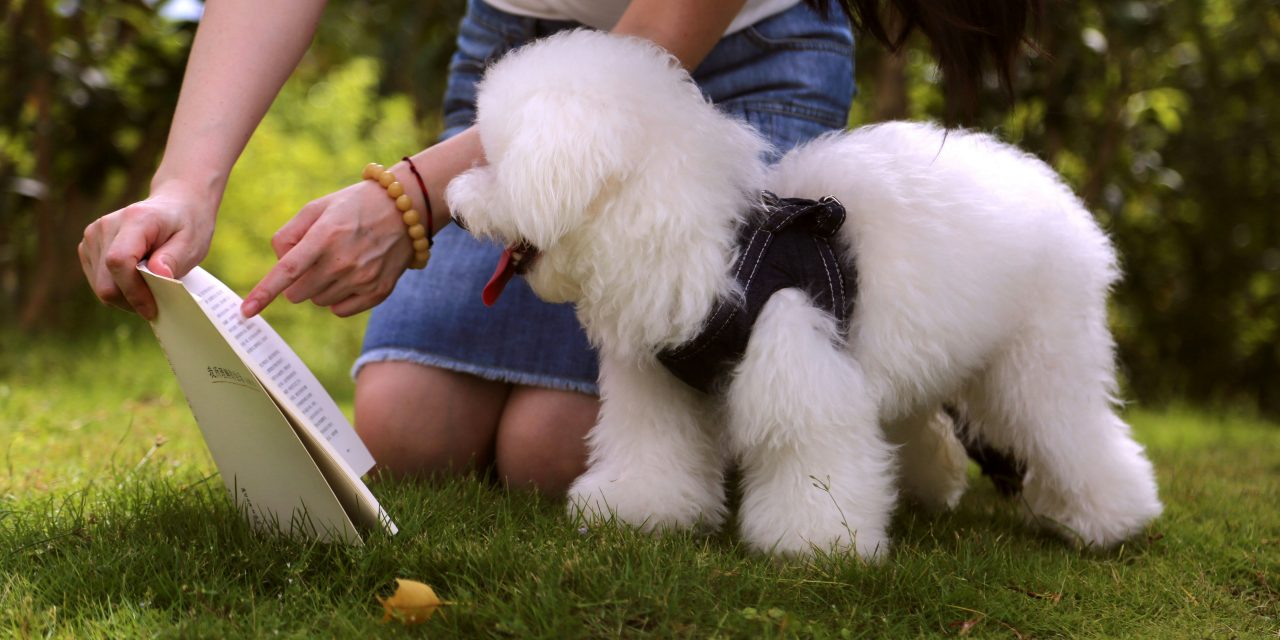
Mental stimulation is a crucial aspect of canine care that often goes overlooked in favor of physical exercise. Just as humans benefit from engaging their minds, dogs thrive when their cognitive abilities are challenged. Mental stimulation can prevent behavioral issues, reduce anxiety, and enhance overall well-being. Dogs are inherently intelligent creatures, and without adequate mental engagement, they may resort to destructive behaviors out of boredom or frustration.
Research indicates that dogs require a balance of physical and mental activities to maintain optimal health. Engaging in stimulating activities can lead to improved mood, increased focus, and a stronger bond between the dog and its owner. Activities that challenge a dog’s intellect can also help slow cognitive decline in older dogs, making mental stimulation an essential component of lifelong canine care.
Puzzle Toys: Engaging Your Dog’s Problem-Solving Skills
Puzzle toys are an excellent way to engage your dog’s problem-solving skills while providing entertainment. These toys come in various designs, often requiring dogs to manipulate pieces or solve challenges to access treats hidden within. The complexity of these toys can range from simple treat-dispensing balls to intricate puzzles that require multiple steps to unlock rewards.
When selecting a puzzle toy, consider your dog’s size, breed, and experience level with similar toys. Start with simpler designs and gradually increase the difficulty as your dog becomes more adept at solving them. This progressive challenge not only keeps your dog engaged but also fosters a sense of accomplishment when they successfully navigate the puzzles. Regular use of puzzle toys can significantly enhance cognitive function and reduce anxiety-related behaviors.
Hide and Seek: A Classic Game for Mental Exercise

Hide and seek is a timeless game that provides both mental stimulation and physical activity for dogs. This interactive game encourages dogs to use their natural instincts to search for their owners or hidden treats. To play, start by having your dog stay in one location while you hide somewhere in the house or yard. Once you are hidden, call your dog to come find you.
This game not only sharpens your dog’s problem-solving skills but also reinforces their recall abilities. Additionally, it fosters a deeper bond between you and your pet as they learn to rely on their sense of smell and hearing to locate you. For added complexity, you can hide treats around the house for your dog to find, turning the game into a scavenger hunt that stimulates their senses and encourages exploration.
Scent Work: Harnessing Your Dog’s Powerful Nose

Scent work is an enriching activity that taps into a dog’s most powerful sense—their sense of smell. Dogs possess approximately 300 million olfactory receptors, making them exceptionally skilled at detecting scents. Engaging in scent work activities can provide mental stimulation while allowing dogs to utilize their natural instincts.
To introduce scent work, start with simple exercises such as hiding treats around the house or yard and encouraging your dog to find them using their nose. As your dog becomes more proficient, you can increase the difficulty by using different scents or creating scent trails for them to follow. Advanced scent work can involve training dogs to identify specific odors, which is commonly used in search and rescue operations or detection work.
Trick Training: Teaching New Commands for Brain Growth
Teaching your dog new tricks is an effective way to promote cognitive development while strengthening your bond. Trick training not only enhances obedience but also stimulates your dog’s brain by introducing new commands and behaviors. Common tricks include sit, stay, roll over, and shake hands, but the possibilities are virtually limitless.
When training new tricks, use positive reinforcement techniques such as treats, praise, or playtime to motivate your dog. Break down each trick into manageable steps, allowing your dog to grasp each component before moving on to the next. Regular practice sessions will keep your dog engaged and mentally stimulated while reinforcing good behavior.
Interactive Feeding: Making Mealtime a Challenge
Interactive feeding is an innovative approach that transforms mealtime into an engaging activity for dogs. Instead of simply placing food in a bowl, consider using slow feeders or treat-dispensing toys that require dogs to work for their meals. This method not only slows down fast eaters but also provides mental stimulation as dogs figure out how to access their food.
By incorporating interactive feeding into your dog’s routine, you can reduce boredom and promote healthier eating habits. Additionally, this practice can help prevent obesity by encouraging slower consumption and promoting physical activity during mealtime. Experiment with different feeding methods to find what works best for your dog’s preferences and needs.
Obstacle Courses: Physical and Mental Coordination
Creating an obstacle course is an exciting way to combine physical exercise with mental challenges for your dog. Obstacle courses can be set up indoors or outdoors using various items such as cones, tunnels, jumps, and weave poles. These courses encourage dogs to navigate through different challenges while enhancing their coordination and problem-solving skills.
To design an effective obstacle course, consider your dog’s size and skill level. Start with simple obstacles and gradually increase the complexity as your dog becomes more confident. Incorporating commands such as “jump,” “weave,” or “crawl” during the course will further enhance their cognitive engagement while providing a fun bonding experience.
Shell Game: The Simple Yet Effective Brain Teaser
The shell game is a classic brain teaser that can be easily adapted for dogs. This game involves hiding a treat under one of three cups or shells and encouraging your dog to identify which one conceals the reward. The simplicity of this game makes it accessible for dogs of all ages and skill levels.
To play the shell game, begin by allowing your dog to watch as you place the treat under one of the cups. Shuffle the cups around while your dog observes, then encourage them to choose the correct cup using verbal cues or gestures. This activity sharpens your dog’s memory and enhances their ability to focus on tasks while providing a rewarding experience.
Name That Toy: Boosting Recognition and Memory
Teaching your dog the names of their toys is an excellent way to enhance their cognitive abilities while providing entertainment. This activity encourages dogs to engage with their toys on a deeper level by associating specific names with each item. Start by selecting a few toys and consistently using their names during playtime.
To reinforce this learning process, ask your dog to fetch a specific toy by name after repeated exposure. Use positive reinforcement when they successfully retrieve the correct toy, gradually increasing the number of toys involved in the game. This exercise not only boosts recognition skills but also strengthens communication between you and your pet.
DIY Brain Games: Creative Activities Using Household Items
Creating DIY brain games using household items is an innovative way to provide mental stimulation without needing specialized equipment. Common household items such as cardboard boxes, towels, or plastic bottles can be transformed into engaging activities for your dog. For example, you can create a treat-dispensing toy by cutting holes in a plastic bottle and filling it with treats.
Another idea is to use towels or blankets to create hiding spots for treats or toys, encouraging your dog to search through the fabric for hidden rewards. These creative activities not only stimulate your dog’s mind but also promote resourcefulness and adaptability in problem-solving situations.
Keeping Your Dog Happy, Healthy, and Sharp
Incorporating mental stimulation into your dog’s daily routine is essential for maintaining their overall health and happiness. Engaging activities such as puzzle toys, scent work, trick training, and interactive feeding provide opportunities for cognitive growth while strengthening the bond between you and your pet. By prioritizing mental engagement alongside physical exercise, you can ensure that your dog remains sharp, content, and well-adjusted throughout their life.
Regularly introducing new challenges will keep your dog’s mind active and prevent boredom-related behaviors from developing. Ultimately, investing time in mental stimulation will lead to a happier, healthier canine companion who thrives on interaction and engagement.
FAQ Section
- How much mental stimulation does my dog need?
- The amount of mental stimulation varies by breed, age, and individual personality; however, most dogs benefit from at least 15-30 minutes of focused mental activity each day.
- Can too much mental stimulation be harmful?
- While mental stimulation is beneficial, excessive stimulation without breaks can lead to frustration or anxiety in some dogs. Balance is key; ensure that mental activities are interspersed with relaxation time.
- What are some signs my dog needs more mental stimulation?
- Signs include destructive behavior (chewing furniture), excessive barking, restlessness, or seeking attention frequently.
- Are there specific breeds that require more mental stimulation?
- Breeds known for high intelligence or energy levels (e.g., Border Collies, German Shepherds) typically require more mental engagement compared to less active breeds.
- How do I know if my dog enjoys these activities?
- Observe their body language; signs of enjoyment include wagging tails, playful behavior, and eagerness to participate in activities.
- Can I use these activities with older dogs?
- Yes! Many activities can be adapted for older dogs; just ensure that challenges are appropriate for their physical capabilities.
- What if my dog doesn’t seem interested in puzzle toys?
- Experiment with different types of puzzle toys or try engaging them in other activities like scent work or trick training until you find what captures their interest.
- How often should I change up the activities?
- Regularly introducing new activities every few weeks can keep things fresh and exciting for your dog.
- Can I combine physical exercise with mental stimulation?
- Absolutely! Activities like agility training or fetch with commands can provide both physical exercise and cognitive challenges simultaneously.
- Are there any professional services available for canine mental stimulation?
- Yes! Many trainers offer classes focused on agility training, scent work, or obedience that provide structured mental engagement for dogs.
In summary, prioritizing mental stimulation through various engaging activities is vital for maintaining a happy and healthy canine companion. By incorporating diverse challenges into daily routines—ranging from puzzle toys to DIY brain games—owners can foster cognitive growth while strengthening their bond with their pets.
FAQs
What is dog mental stimulation?
Dog mental stimulation refers to activities and exercises that engage a dog’s brain, helping to improve their cognitive function, reduce boredom, and prevent behavioral issues. This can include puzzle toys, training sessions, scent work, and interactive games.
Why is mental stimulation important for dogs?
Mental stimulation is crucial for dogs as it helps to keep their minds sharp and can alleviate anxiety and destructive behaviors that often arise from boredom. Engaging a dog’s mind can lead to a happier, healthier pet and strengthen the bond between the dog and its owner.
What are some examples of mental stimulation activities for dogs?
Examples of mental stimulation activities for dogs include puzzle toys that dispense treats, obedience training, agility courses, scent detection games, and interactive play with their owners. These activities challenge a dog’s problem-solving skills and encourage them to think critically.
How often should I provide mental stimulation for my dog?
It is recommended to provide mental stimulation for your dog daily. Depending on the dog’s age, breed, and energy level, this can range from 15 minutes to an hour of structured activities each day. Regular mental challenges can help maintain a dog’s mental health and overall well-being.
Can mental stimulation help with behavioral issues in dogs?
Yes, mental stimulation can significantly help with behavioral issues in dogs. Engaging their minds can reduce anxiety, excessive barking, chewing, and other destructive behaviors that often stem from boredom or lack of exercise. Providing consistent mental challenges can lead to a more balanced and well-behaved dog.