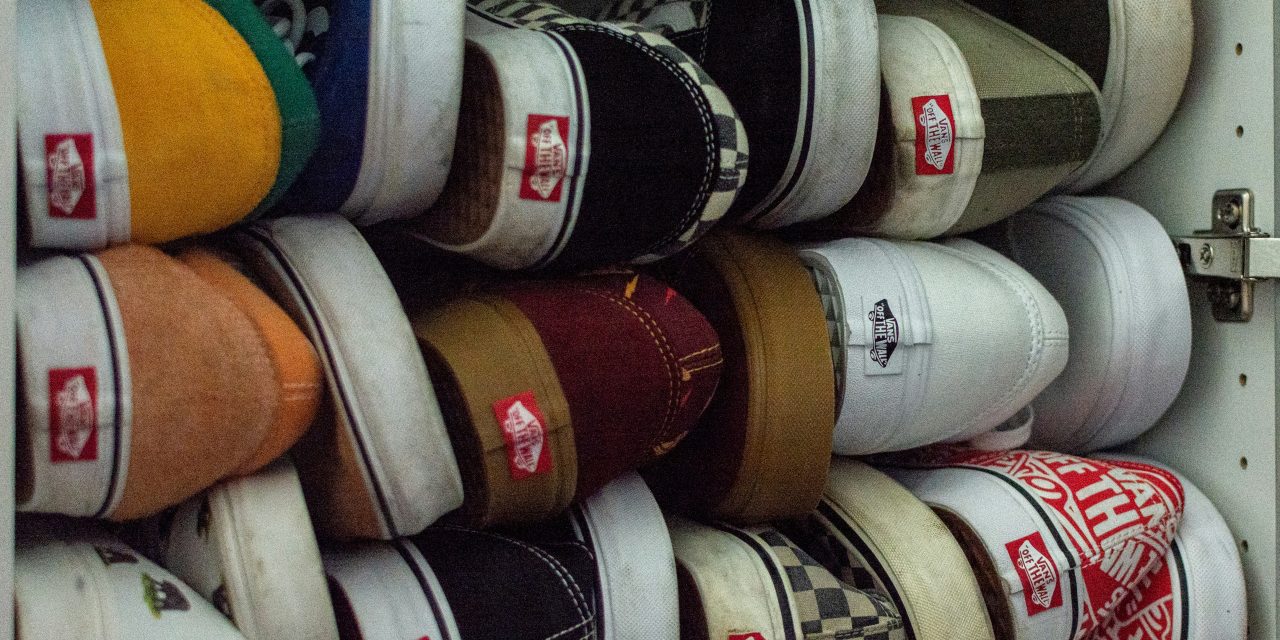
The first step in organizing your shoe collection is a thorough assessment of what you currently own. Begin by gathering all your footwear in one location, allowing you to visualize the entirety of your collection. This process not only helps in identifying duplicates but also highlights pairs that may no longer serve a purpose. Consider factors such as frequency of use, condition, and style relevance. Shoes that are worn out or no longer fit should be set aside for donation or disposal.
Once you have categorized your shoes into keep, donate, and discard piles, take a moment to evaluate the remaining pairs. Are there any that you haven’t worn in over a year? If so, it may be time to reconsider their place in your collection. Aim to retain versatile styles that can be paired with multiple outfits, such as classic black pumps, comfortable sneakers, and sturdy boots. This curated approach not only simplifies your choices but also enhances your wardrobe’s overall functionality.
Utilizing Vertical Space with Hanging Shoe Organizers
Maximizing vertical space is crucial in any shoe organization strategy, particularly for those with limited floor area. Hanging shoe organizers are an excellent solution for utilizing wall space effectively. These organizers come in various designs, including over-the-door models and wall-mounted options, allowing you to store shoes without sacrificing valuable real estate.
When selecting a hanging organizer, consider the material and design that best suits your aesthetic and functional needs. Fabric organizers are lightweight and often feature pockets that can accommodate various shoe sizes, while plastic options provide durability and easy cleaning. By hanging your shoes, you not only keep them visible but also protect them from dust and damage, ensuring they remain in pristine condition.
Installing Adjustable Shelving for Custom Shoe Storage

Adjustable shelving systems offer a customizable solution for shoe storage that can adapt to your evolving collection. These systems allow you to modify shelf heights according to the types of shoes you own, accommodating everything from high heels to bulky winter boots. When installing adjustable shelving, consider the dimensions of your space and the weight capacity of the shelves to ensure they can support your footwear.
In addition to functionality, adjustable shelving can enhance the aesthetic appeal of your storage area. Opt for materials that complement your home decor, such as wood or metal finishes. Incorporating decorative elements like baskets or decorative boxes on the shelves can further elevate the visual appeal while providing additional storage for accessories like shoe care products or insoles.
Using Clear Shoe Boxes for Visibility and Protection

Clear shoe boxes are an ideal solution for those who prioritize both visibility and protection in their shoe storage. These containers allow you to see each pair at a glance, eliminating the need to rummage through stacks of shoes. Furthermore, clear boxes protect footwear from dust, moisture, and potential damage caused by exposure to sunlight.
When selecting clear shoe boxes, ensure they are stackable and made from durable materials to withstand the weight of multiple pairs. Consider labeling each box with the shoe type or brand for quick identification. This method not only keeps your collection organized but also adds a touch of sophistication to your storage area.
Repurposing Over-the-Door Racks for Extra Storage
Over-the-door racks are often overlooked as a viable storage solution for shoes. These racks can be easily installed on the back of doors in closets or bedrooms, providing additional space without requiring significant alterations to your home. They typically feature multiple tiers or pockets that can accommodate various shoe types, making them versatile for different collections.
To maximize the effectiveness of over-the-door racks, consider grouping similar styles together—such as sandals or sneakers—so you can quickly find what you need when getting dressed. Additionally, these racks can serve dual purposes; use them to store accessories like scarves or bags alongside your footwear for a cohesive organization system.
Creating a Rotating Shoe Carousel for Easy Access
A rotating shoe carousel is an innovative solution that combines functionality with style. This type of storage allows you to display your favorite pairs while keeping them easily accessible. Typically designed as a tiered system, a carousel can hold multiple pairs of shoes while occupying minimal floor space.
When designing your rotating shoe carousel, consider incorporating a lazy Susan mechanism for effortless rotation. This feature allows you to spin the carousel to view all available options without having to dig through stacks of shoes. Additionally, choose a design that complements your decor—whether sleek and modern or rustic and charming—to enhance the overall aesthetic of your space.
Incorporating Under-Shelf Shoe Racks to Maximize Space
Under-shelf shoe racks are an excellent way to utilize otherwise wasted space in closets or storage areas. These racks fit snugly beneath existing shelves, providing additional storage without requiring extra floor space. They are particularly useful for storing flats or sandals that can easily slide into place.
When installing under-shelf racks, ensure they are compatible with your existing shelving system and can support the weight of your shoes. This solution not only maximizes vertical space but also keeps your footwear organized and easily accessible. Consider using these racks in conjunction with other storage solutions for a comprehensive organization strategy.
Storing Shoes in Decorative Baskets and Bins
Decorative baskets and bins offer a stylish alternative for shoe storage while maintaining organization. These containers can be placed on shelves or under beds, providing a visually appealing way to store footwear without compromising on aesthetics. Choose baskets made from natural materials like wicker or fabric that complement your home decor.
When using baskets for shoe storage, consider grouping similar styles together—such as seasonal footwear or casual versus formal shoes—to streamline access when needed. Additionally, labeling each basket can enhance efficiency by allowing you to quickly identify which pairs are stored inside.
Labeling Shoe Storage for Quick Identification
Labeling is an essential component of any effective organization system, particularly when it comes to shoe storage. By clearly labeling boxes, bins, or shelves with the corresponding shoe type or brand, you can significantly reduce the time spent searching for specific pairs. This practice not only enhances efficiency but also contributes to maintaining an organized appearance.
Consider using a label maker or printed labels for a polished look. Alternatively, handwritten labels can add a personal touch while still serving their purpose effectively. Regularly updating labels as you acquire new shoes or remove old ones will ensure that your organization system remains functional over time.
Implementing a Shoe Rotation System for Seasonal Organization
A shoe rotation system is an effective strategy for managing seasonal footwear collections while ensuring easy access throughout the year. By categorizing shoes based on seasons—such as summer sandals or winter boots—you can streamline your selection process and keep your collection organized.
To implement this system effectively, designate specific areas within your storage space for each season’s footwear. Rotate shoes based on the current season while storing off-season pairs in less accessible areas or under beds. This approach not only keeps your collection manageable but also ensures that you always have appropriate footwear readily available.
Maintaining Your Shoe Organization: Tips for Long-Term Efficiency
Maintaining an organized shoe collection requires ongoing effort and attention to detail. Regularly assess your collection to identify any pairs that may need cleaning or repair; this proactive approach will extend the lifespan of your footwear while keeping them looking their best.
Additionally, establish a routine for returning shoes to their designated storage areas after use; this habit will prevent clutter from accumulating over time. Consider scheduling seasonal assessments where you reevaluate your collection and make necessary adjustments based on changing styles or needs.
In summary, organizing your shoe collection involves assessing what you own, utilizing vertical space effectively, and implementing various storage solutions such as clear boxes and decorative bins. By incorporating labeling systems and seasonal rotation strategies, you can maintain an efficient organization system that adapts to your lifestyle changes over time. Regular maintenance will ensure that your footwear remains in excellent condition while enhancing the overall aesthetic of your living space.
FAQs
What are some effective ways to maximize space in a small closet for shoes?
To maximize space in a small closet for shoes, consider using vertical storage solutions such as shoe racks or shelves that can be stacked. Over-the-door shoe organizers can also be effective, as they utilize otherwise wasted space. Additionally, using clear bins or boxes can help keep shoes organized while allowing you to see what you have at a glance.
How can I categorize my shoes for better organization?
Categorizing shoes can be done by type (e.g., sneakers, heels, sandals), occasion (e.g., casual, formal), or season (e.g., summer, winter). This method not only makes it easier to find the right pair but also helps you assess your collection and identify any duplicates or shoes that you no longer wear.
What are some DIY solutions for organizing shoes in a small closet?
DIY solutions for organizing shoes include repurposing items like wooden crates or old bookshelves to create custom shoe storage. You can also use tension rods to create a hanging shoe rack or install hooks on the inside of the closet door for flip-flops and sandals. These creative solutions can save space and add a personal touch to your closet.
How can I maintain my shoe organization over time?
To maintain shoe organization, regularly assess your collection and remove any pairs that you no longer wear. Implement a one-in-one-out rule, where you donate or discard a pair whenever you buy a new one. Additionally, make it a habit to return shoes to their designated spots after wearing them to keep the closet tidy.
What should I consider when choosing storage solutions for my shoes?
When choosing storage solutions for shoes, consider factors such as the size of your closet, the number of shoes you own, and your personal style. Look for solutions that are both functional and aesthetically pleasing. Ensure that the storage allows for easy access and visibility, so you can quickly find the shoes you need without digging through piles.