The lifespan of a car battery is a critical aspect of vehicle maintenance that often goes overlooked by many drivers. Typically, a standard lead-acid battery lasts between three to five years, depending on various factors such as climate, driving habits, and maintenance practices. The chemical reactions within the battery that generate electrical energy gradually degrade its components over time, leading to diminished performance. Understanding these dynamics can help vehicle owners anticipate potential issues and take proactive measures to extend battery life.
Several factors influence the longevity of a car battery. For instance, extreme temperatures can significantly affect battery performance; excessive heat can accelerate the evaporation of electrolyte fluid, while frigid conditions can hinder the chemical reactions necessary for power generation. Additionally, frequent short trips may prevent the battery from fully charging, leading to sulfation—a condition where lead sulfate crystals build up on the battery plates, ultimately reducing capacity. Regular monitoring and maintenance can mitigate these risks and enhance the overall lifespan of the battery.
If you’re looking to understand more about home maintenance and comfort, you might find it interesting to read an article on why one room can be hotter or colder than the rest of the house. This topic can be surprisingly related to car maintenance, as both involve understanding how systems work together for optimal performance. You can check out the article here: Why Is One Room Hotter or Colder Than the Rest of the House?.
Frequent Engine Cranking Issues
One of the most common indicators of a failing battery is persistent engine cranking issues. When you turn the ignition key, the starter motor relies on the battery to provide sufficient voltage to initiate the engine’s combustion process. If the battery is weak or nearing the end of its lifespan, you may notice sluggish cranking or a complete failure to start. This situation can be particularly frustrating, especially when it occurs unexpectedly.
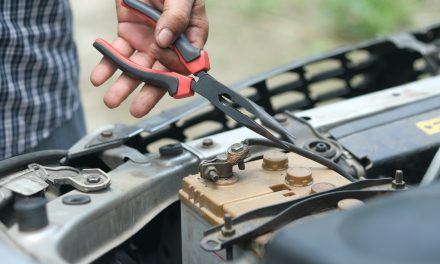
In many cases, frequent cranking problems can be attributed to a weak battery or poor connections. Corroded terminals or loose cables can impede the flow of electricity, making it difficult for the starter motor to receive adequate power. If you experience this issue, it is advisable to inspect the battery terminals for corrosion and ensure that all connections are secure. If these measures do not resolve the problem, it may be time to consider replacing the battery altogether.
Dim Headlights and Interior Lights

Dim headlights and interior lights are often telltale signs of a failing car battery. When the battery’s voltage drops below optimal levels, it can struggle to power electrical components effectively. As a result, you may notice that your headlights appear weaker than usual or that your dashboard lights flicker intermittently. This symptom not only compromises visibility while driving but also indicates that your vehicle’s electrical system is not functioning at its best.
In addition to being an inconvenience, dim lighting can pose safety risks on the road. If you notice this issue, it is essential to have your battery tested promptly. A professional technician can assess the battery’s voltage and overall health, determining whether it requires recharging or replacement. Furthermore, ensuring that your vehicle’s alternator is functioning correctly is crucial, as it plays a vital role in maintaining battery charge during operation.
Slow Electrical Component Response

Another significant indicator of a failing battery is the slow response of electrical components within your vehicle. This may manifest as delayed reactions when operating power windows, locks, or infotainment systems. If you find that these features are sluggish or unresponsive, it could be a sign that your battery is struggling to provide adequate power.
Slow electrical responses can also stem from other issues within the vehicle’s electrical system, such as faulty wiring or malfunctioning alternators. However, if these components are functioning correctly and you still experience delays, it is prudent to investigate the condition of your battery. Regular diagnostic checks can help identify underlying problems before they escalate into more severe issues.
If you’re unsure whether your car battery needs replacing, there are several signs to look for, such as dimming headlights or difficulty starting your engine. Regular maintenance can help extend the life of your battery, but knowing when to replace it is crucial for avoiding unexpected breakdowns. For more tips on keeping your vehicle in top shape, you might find this article on car maintenance helpful.
The Check Engine or Battery Warning Light
Modern vehicles are equipped with sophisticated onboard diagnostic systems that monitor various components, including the battery. If there is an issue with the battery or charging system, you may see a warning light illuminate on your dashboard—typically in the form of a check engine light or a dedicated battery warning symbol. Ignoring these alerts can lead to more significant problems down the line.
When you see these warning lights, it is crucial to address them promptly. A diagnostic scan can reveal specific trouble codes related to the battery or charging system, allowing for targeted repairs. In many cases, replacing an aging battery can resolve these warning signals and restore optimal vehicle performance.
Corroded or Swollen Battery Terminals
Corrosion on battery terminals is a common issue that can significantly impact performance and longevity. This buildup often appears as a white or greenish powdery substance around the terminals and can impede electrical flow between the battery and vehicle components. Swollen terminals may also indicate internal damage or overcharging, which can lead to further complications if left unaddressed.
To remedy corrosion issues, it is essential to clean the terminals using a mixture of baking soda and water. This solution neutralizes acid buildup and restores conductivity. Additionally, applying a protective coating after cleaning can help prevent future corrosion. If swelling is present, it may be indicative of a failing battery cell; in such cases, replacement is often necessary.
Unusual Odors Coming from the Battery
Unusual odors emanating from your car battery should never be ignored. A strong sulfuric smell often indicates that the battery is leaking electrolyte fluid due to overcharging or internal damage. This condition poses not only a risk to your vehicle but also potential safety hazards for you and others nearby.
If you detect any unusual odors, it is imperative to handle the situation with caution. Turn off your vehicle immediately and avoid direct contact with any leaking fluid. It is advisable to consult a professional mechanic who can safely assess and replace the damaged battery if necessary.
Difficulty Starting in Cold Weather
Cold weather presents unique challenges for car batteries, as low temperatures can significantly reduce their efficiency. When temperatures drop below freezing, chemical reactions within the battery slow down, making it harder for the engine to crank successfully. If you find yourself struggling to start your vehicle during winter months, this could be an indication that your battery is nearing its end.
To combat cold weather starting issues, consider investing in a high-quality battery designed for low-temperature performance. Additionally, regular maintenance checks during colder months can help ensure that your battery remains in optimal condition. Using a trickle charger overnight before particularly frigid mornings can also provide an extra boost when needed.
Age of the Battery: When It’s Time to Replace
The age of your car battery plays a crucial role in determining when it should be replaced. Most batteries have a lifespan of three to five years; however, factors such as climate and usage patterns can influence this timeline significantly. If your battery is approaching this age range and exhibiting any symptoms discussed previously, it may be time for a replacement.
Regular testing of your battery’s voltage and overall health can provide valuable insights into its condition. Many auto parts stores offer free testing services that can help you gauge whether your battery still has sufficient capacity or if it’s time for an upgrade.
Frequent Need for Jump Starts
If you find yourself frequently needing jump starts to get your vehicle running, this is a clear indication that something is amiss with your battery or charging system. While occasional jump starts may not be cause for alarm, repeated instances suggest that your battery may no longer hold a charge effectively.
In such cases, it’s essential to investigate further rather than relying on jump-starting as a long-term solution. A professional technician can conduct tests to determine whether the issue lies with the battery itself or if there are underlying problems with the alternator or wiring that need addressing.
How Regular Maintenance Can Prevent Battery Failure
Regular maintenance is key to preventing premature battery failure and ensuring optimal performance throughout its lifespan. Simple practices such as cleaning terminals regularly, checking fluid levels, and monitoring voltage can go a long way in extending battery life. Additionally, scheduling routine inspections with a qualified mechanic allows for early detection of potential issues before they escalate into costly repairs.
Investing in high-quality batteries designed for specific climates and driving conditions can also enhance longevity and reliability. By prioritizing maintenance and being proactive about potential problems, vehicle owners can significantly reduce their risk of unexpected breakdowns related to battery failure.
In summary, understanding the signs of a failing car battery is essential for maintaining vehicle reliability and safety. Symptoms such as frequent engine cranking issues, dim lights, slow electrical responses, warning lights on dashboards, corroded terminals, unusual odors, difficulty starting in cold weather, and frequent jump starts all indicate potential problems that warrant immediate attention. Regular maintenance practices play a crucial role in preventing premature failure and ensuring optimal performance throughout the lifespan of your car battery.
FAQs
What are the common signs that indicate a car battery needs replacing?
Common signs that a car battery may need replacing include difficulty starting the engine, dimming headlights, electrical issues with accessories, a swollen or bloated battery case, and the presence of corrosion on battery terminals.
How long do car batteries typically last?
Car batteries typically last between 3 to 5 years, depending on factors such as usage, climate, and maintenance. Regular checks can help determine if a battery is nearing the end of its lifespan.
Can extreme temperatures affect a car battery’s performance?
Yes, extreme temperatures can significantly affect a car battery’s performance. Cold weather can reduce battery capacity, making it harder to start the engine, while excessive heat can accelerate battery degradation and shorten its lifespan.
What should I do if my car battery is showing signs of failure?
If your car battery is showing signs of failure, it is advisable to have it tested at an auto parts store or by a mechanic. If the battery is confirmed to be weak or dead, it should be replaced promptly to avoid being stranded.
How can I extend the life of my car battery?
To extend the life of your car battery, ensure regular maintenance such as cleaning terminals, checking for corrosion, keeping the battery charged, and avoiding short trips that prevent the battery from fully recharging. Additionally, park in a garage or shaded area to protect it from extreme temperatures.