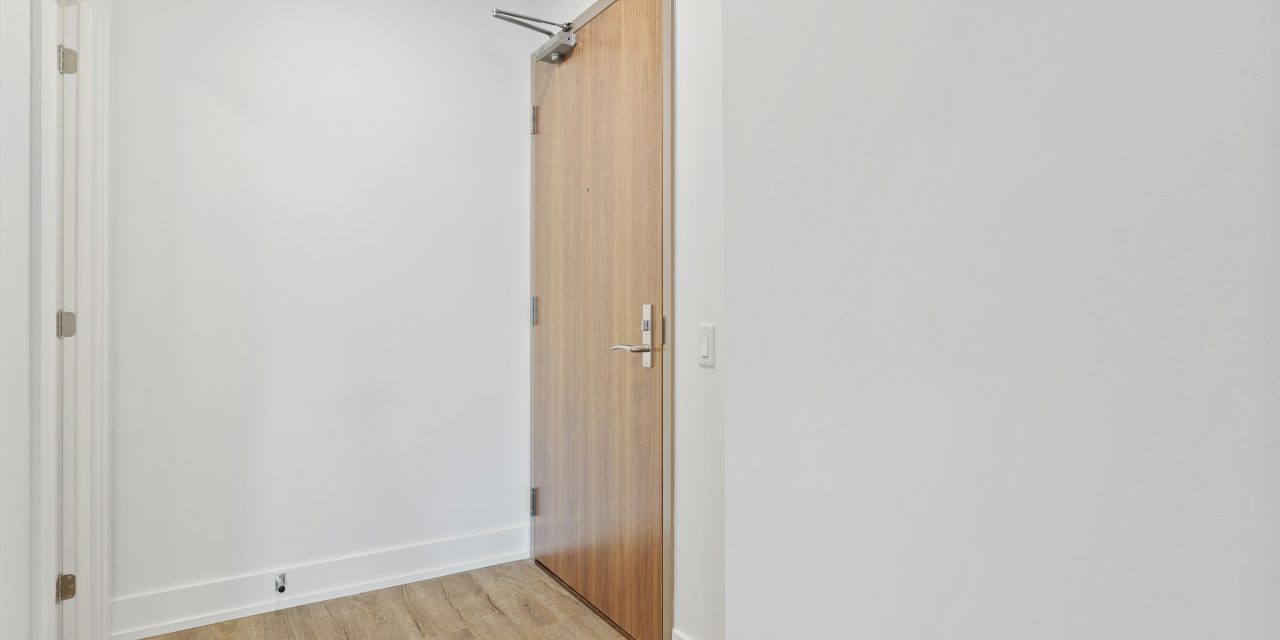
The entryway serves as the first impression of your home, acting as a transitional space between the outside world and your personal sanctuary. To optimize this area, it is crucial to assess both the spatial dimensions and the functional requirements of your entryway. Begin by measuring the available square footage, noting any architectural features such as doorways, windows, and built-in elements that may influence your design choices. Consider the flow of traffic; how many people typically use this space, and what items do they bring with them?
Identifying your specific needs is equally important. Do you require ample storage for coats and shoes, or is your primary concern keeping the area tidy and organized? Take into account the lifestyle of your household. Families with children may need more robust storage solutions, while individuals or couples might prioritize aesthetics alongside functionality. By understanding these dynamics, you can create a tailored entryway that meets both practical and aesthetic demands.
Utilizing Wall-Mounted Hooks for Coats and Bags
Wall-mounted hooks are an excellent solution for maximizing vertical space in your entryway. These fixtures can be installed at varying heights to accommodate different users, making them particularly useful in family homes. Hooks can be used to hang coats, bags, hats, and scarves, ensuring that these items are easily accessible yet neatly organized. Opt for durable materials such as metal or hardwood to withstand daily use while adding a touch of elegance to your decor.
When selecting hooks, consider the design and finish that complements your entryway’s overall aesthetic. For a modern look, sleek metal hooks in matte black or brushed nickel can provide a contemporary edge. Alternatively, rustic wooden hooks can evoke a warm, inviting atmosphere. To enhance functionality, consider grouping hooks in clusters or using multi-hook designs to maximize hanging capacity without overwhelming the wall space.
Installing Floating Shelves for Shoes and Accessories

Floating shelves offer a stylish and practical solution for storing shoes and accessories in your entryway. These shelves can be mounted at various heights to accommodate different types of footwear, from sneakers to heels, while also providing a platform for decorative items such as plants or framed photos. The minimalist design of floating shelves creates an illusion of more space, making them ideal for smaller entryways.
When installing floating shelves, ensure they are securely anchored to the wall to support the weight of shoes and accessories. Consider using shelves with a depth of at least 10 inches to provide ample space for larger footwear. Additionally, incorporating decorative baskets or bins on these shelves can help keep smaller items organized while adding texture and color to the overall design.
Incorporating a Bench with Hidden Storage

A bench with hidden storage is a multifunctional piece that can significantly enhance your entryway’s utility. This furniture not only provides a convenient seating area for putting on or taking off shoes but also offers valuable storage space for items such as seasonal footwear or outdoor gear. Look for benches with lift-top lids or drawers that can discreetly conceal clutter while maintaining an organized appearance.
When selecting a bench, consider the material and style that best fits your entryway decor. Upholstered benches can add comfort and warmth, while wooden benches offer durability and a classic aesthetic. To further personalize this piece, consider adding cushions or throws that complement your color scheme, creating an inviting atmosphere that encourages relaxation.
Using Baskets and Bins to Keep Small Items Organized
Baskets and bins are essential tools for maintaining organization in your entryway. These containers can be used to store a variety of small items such as gloves, hats, dog leashes, and other essentials that tend to accumulate in this space. By designating specific baskets for each category of items, you can streamline the process of finding what you need while keeping surfaces clutter-free.
When choosing baskets and bins, consider materials that are both durable and visually appealing. Woven baskets can add texture and warmth to your entryway, while plastic bins offer practicality and ease of cleaning. Labeling each container can further enhance organization by ensuring that everyone in the household knows where items belong.
Adding a Slim Console Table for Keys and Mail
A slim console table is an excellent addition to any entryway, providing a designated space for keys, mail, and other everyday essentials. This piece of furniture can serve as a catch-all for items that might otherwise clutter surfaces or be misplaced. When selecting a console table, look for one that fits seamlessly into your available space without obstructing foot traffic.
To enhance functionality, consider incorporating drawers or shelves into the console table design. This allows for additional storage options while keeping frequently used items within easy reach. Decorative trays or bowls placed on top of the table can serve as stylish organizers for loose change or small trinkets, ensuring that everything has its place.
Employing Over-the-Door Organizers for Extra Storage
Over-the-door organizers are an ingenious solution for maximizing storage in tight entryway spaces. These versatile organizers can hold a variety of items, from shoes to accessories, without requiring additional floor space. They come in various designs, including pockets made from fabric or clear plastic, allowing you to see contents at a glance.
When selecting an over-the-door organizer, ensure it is compatible with your door type and size. Consider using organizers with adjustable hooks to accommodate different door thicknesses. This solution not only keeps items organized but also adds an element of visual interest to your entryway.
Creating a Dedicated Spot for Umbrellas and Outerwear
Designating a specific area for umbrellas and outerwear is essential for maintaining an organized entryway. Consider incorporating a stylish umbrella stand near the door to keep wet umbrellas contained while preventing water from pooling on the floor. Additionally, wall-mounted racks or hooks can provide a designated spot for jackets and coats.
To enhance this area’s functionality, consider using waterproof materials for umbrella stands or coat racks to withstand moisture from wet items. A small mat placed underneath the umbrella stand can help catch drips and keep your entryway clean.
Using Decorative Trays and Bowls for Loose Change and Essentials
Decorative trays and bowls serve as both functional organizers and aesthetic enhancements in your entryway. These pieces can be used to corral loose change, keys, sunglasses, or other small essentials that often get misplaced. By providing a designated spot for these items, you can streamline your daily routine while adding visual appeal to your space.
When selecting trays or bowls, consider materials that complement your overall decor style—ceramic bowls can add a pop of color, while metallic trays can introduce a touch of elegance. Position these organizers on console tables or floating shelves for easy access.
Implementing a Chalkboard or Corkboard for Notes and Reminders
Incorporating a chalkboard or corkboard into your entryway design provides an effective way to keep track of important notes and reminders. This functional element allows family members to leave messages for one another or jot down tasks that need attention before heading out the door.
Choose a board that fits seamlessly into your decor style—framed corkboards can add sophistication while chalkboards offer a casual vibe. Position the board at eye level for easy visibility and accessibility. To enhance its functionality further, consider adding hooks or clips for holding keys or other small items.
Maintaining a Daily Entryway Decluttering Routine
Establishing a daily decluttering routine is vital for maintaining an organized entryway over time. Set aside a few minutes each day to assess the space—remove any items that do not belong and return them to their designated spots throughout the home. Encourage family members to participate in this routine by making it a collective effort.
To make this process more manageable, consider implementing specific guidelines—such as “one item in, one item out”—to prevent clutter from accumulating again. Regularly reassess storage solutions to ensure they continue to meet your needs as your household evolves.
In summary, optimizing your entryway involves assessing spatial needs, utilizing wall-mounted hooks, installing floating shelves, incorporating benches with hidden storage, using baskets for organization, adding console tables for essentials, employing over-the-door organizers, creating dedicated spots for umbrellas and outerwear, utilizing decorative trays for loose items, implementing boards for reminders, and maintaining daily decluttering routines. By thoughtfully designing this transitional space with functional elements that reflect your personal style, you can create an inviting atmosphere that enhances both organization and aesthetics in your home.
FAQs
What are some essential items to include in an entryway without a closet?
Essential items for an entryway without a closet include a coat rack or hooks for hanging outerwear, a shoe rack or mat to keep footwear organized, a small bench or stool for seating, and a decorative tray or bowl for keys and small items. Adding a mirror can also enhance the space and provide a functional element.
How can I maximize storage in a small entryway?
To maximize storage in a small entryway, consider using vertical space by installing wall-mounted shelves or hooks. Utilize multi-functional furniture, such as an ottoman with storage inside or a bench with shelves underneath. Baskets can also be used to store items neatly while keeping the area tidy.
What are some decorative ideas for an entryway without a closet?
Decorative ideas for an entryway without a closet include adding artwork or framed photos on the walls, using a colorful rug to define the space, and incorporating plants for a touch of greenery. You can also personalize the area with decorative storage solutions, such as stylish baskets or unique coat hooks.
How can I keep my entryway organized on a daily basis?
To keep your entryway organized daily, establish a routine for putting items away immediately upon entering. Encourage family members to use designated spots for shoes, bags, and coats. Regularly declutter the space by removing items that don’t belong and ensuring that everything has a designated place.
Are there any DIY solutions for organizing an entryway without a closet?
Yes, there are several DIY solutions for organizing an entryway without a closet. You can create a custom coat rack using reclaimed wood and hooks, build a shoe storage bench, or repurpose old furniture like a dresser into a stylish entryway console. Additionally, using pegboards can provide a flexible and creative way to hang items and display accessories.