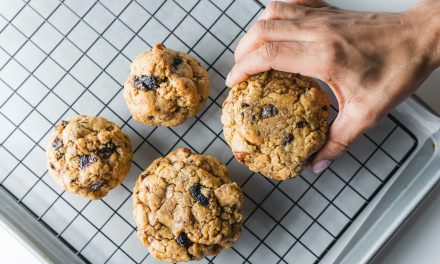
Buttermilk plays a pivotal role in achieving the desired flakiness in biscuits, acting as both a leavening agent and a flavor enhancer. The acidity of buttermilk interacts with baking soda, producing carbon dioxide bubbles that contribute to the biscuit’s rise and airy texture. This chemical reaction not only aids in leavening but also helps to tenderize the gluten structure, resulting in a softer crumb. The tangy flavor of buttermilk further elevates the overall taste profile, making biscuits more complex and enjoyable.
Moreover, buttermilk’s moisture content is crucial for achieving the right consistency in biscuit dough. It provides the necessary hydration without making the mixture overly wet, which can lead to dense and heavy biscuits. The balance of moisture and acidity in buttermilk ensures that the biscuits rise beautifully while maintaining a light and flaky texture. When incorporated correctly, buttermilk can transform an ordinary biscuit recipe into an extraordinary culinary experience.
If you’re looking to elevate your baking skills beyond just flaky homemade buttermilk biscuits, you might find it helpful to explore the essential tools that can enhance your kitchen experience. For a comprehensive guide on the must-have cleaning tools that ensure your kitchen remains spotless while you whip up delicious treats, check out this article on 10 Essential Cleaning Tools Every Home Needs for Sparkling Results. Keeping your workspace clean is just as important as perfecting your biscuit recipe!
Choosing the Right Flour for Perfect Texture
Selecting the appropriate flour is essential for creating biscuits with the perfect texture. All-purpose flour is commonly used due to its moderate protein content, which strikes a balance between tenderness and structure. However, for those seeking an even lighter biscuit, cake flour can be an excellent alternative. With its lower protein content, cake flour yields a more delicate crumb, enhancing the flakiness of the final product.
In addition to protein content, the milling process of flour can also impact biscuit texture. Flour that has been finely milled will produce a smoother dough, while coarser flour may result in a more rustic biscuit. It is advisable to sift flour before measuring to aerate it and remove any lumps, ensuring an even distribution throughout the dough. Ultimately, experimenting with different types of flour can lead to discovering the ideal blend that suits personal preferences and desired biscuit characteristics.
Keeping Ingredients Cold: The Key to Flaky Layers

Maintaining cold ingredients is paramount when striving for flaky layers in biscuits. Cold butter or shortening creates pockets of fat within the dough that, when baked, steam and expand, resulting in distinct layers. The temperature of these fats should ideally be around 40°F (4°C) when incorporated into the dough. This ensures that they remain solid until they hit the oven, where they will melt and create those coveted flaky layers.
To achieve this, it is advisable to chill all ingredients prior to mixing. This includes not only the fats but also the flour and even the mixing bowl if possible. Additionally, working quickly during the mixing process minimizes heat transfer from your hands to the dough. If necessary, refrigerate the dough for a short period before rolling it out to ensure that it remains cold throughout the preparation process.
The choice between butter and shortening significantly influences the flavor and texture of biscuits. Butter is favored for its rich flavor and ability to create a tender crumb due to its water content, which contributes to steam production during baking. The milk solids in butter also enhance browning, resulting in a beautifully golden crust.
On the other hand, shortening has a higher fat content and no water, which can lead to an even flakier texture since it remains solid longer during baking. This results in a biscuit that holds its shape well and has a slightly different mouthfeel compared to those made with butter. Some bakers opt for a combination of both fats to harness the benefits of each—using butter for flavor and shortening for flakiness.
Mastering the Dough Mixing Technique

The technique used to mix biscuit dough is critical in determining the final product’s texture. Overmixing can lead to gluten development, resulting in tough biscuits rather than tender ones. It is essential to mix just until the ingredients are combined; this typically means incorporating flour until no dry streaks remain.
A common method involves using a pastry cutter or two forks to cut cold fat into the flour until it resembles coarse crumbs. This technique ensures that small pieces of fat remain intact within the dough, promoting flakiness during baking. Once wet ingredients are added, gently fold them into the dry mixture using a spatula or wooden spoon until just combined. This careful approach minimizes gluten formation while ensuring that all ingredients are evenly distributed.
If you’re looking to elevate your baking skills, mastering flaky homemade buttermilk biscuits is a delightful endeavor. To achieve that perfect texture, it’s essential to understand the role of cold ingredients and proper folding techniques. For more tips on creating delicious baked goods, you might find this article on keeping your kitty clean and happy surprisingly relevant, as it emphasizes the importance of care and attention in any craft, whether it’s baking or grooming. Enjoy the process and savor the results of your biscuit-making adventure!
The Importance of Gentle Folding and Rolling
Gentle handling of biscuit dough is crucial for maintaining its delicate structure. After mixing, it is important to turn the dough out onto a lightly floured surface and pat it into a rectangle rather than rolling it out aggressively with a rolling pin. This method preserves air pockets created during mixing and prevents excessive gluten development.
When rolling out the dough, use minimal pressure and roll it to about ½ inch thick. If additional flour is needed to prevent sticking, sprinkle it lightly rather than incorporating too much into the dough. After rolling, folding the dough over itself several times creates layers without compressing them too much—this technique enhances flakiness while ensuring that each biscuit rises beautifully during baking.
How to Cut Biscuits Without Compressing the Dough
Cutting biscuits requires precision to avoid compressing the dough, which can hinder their rise and flakiness. A sharp biscuit cutter or knife should be used to cut through the dough cleanly without twisting or pressing down too hard. Twisting can seal the edges of each biscuit, preventing them from rising properly in the oven.
To achieve uniformity in size and shape, dip the cutter in flour before each cut to prevent sticking. After cutting out each biscuit, place them on a baking sheet close together but not touching; this encourages them to rise upwards rather than spread outwards during baking. For added visual appeal, consider brushing the tops with melted butter or buttermilk before baking for a golden finish.
Tips for Achieving the Ideal Oven Temperature
The temperature at which biscuits are baked significantly affects their final texture and appearance. Preheating the oven to 425°F (220°C) is generally recommended for optimal results; this high heat allows for rapid steam production, which is essential for achieving flaky layers.
Using an oven thermometer can help ensure accuracy since many home ovens may not display true temperatures. Additionally, placing biscuits on the center rack promotes even heat distribution; this prevents burning on the bottom while allowing for proper browning on top. Avoid opening the oven door frequently during baking as this can cause temperature fluctuations that may affect rising.
Timing Your Bake for Golden, Flaky Results
Timing is crucial when baking biscuits; underbaking can result in doughy centers while overbaking leads to dryness. Typically, biscuits should bake for 12-15 minutes or until they are golden brown on top and have risen significantly.
To check for doneness without compromising their structure, gently lift one biscuit with a spatula; if it feels light and has risen well, it is likely ready to be removed from the oven. For those who prefer extra browning on top, consider broiling them for an additional minute at the end of baking—just be sure to watch closely to prevent burning.
Adding Flavor Enhancements Without Sacrificing Flakiness
While maintaining flakiness is paramount, adding flavor enhancements can elevate biscuits from ordinary to extraordinary. Ingredients such as herbs (e.g., rosemary or thyme), spices (e.g., cinnamon or nutmeg), or cheese (e.g., cheddar or parmesan) can be incorporated into the dry ingredients without compromising texture.
When adding liquid flavorings like vanilla extract or citrus zest, ensure they are balanced with other wet ingredients like buttermilk or cream to maintain moisture levels within the dough. Experimenting with different combinations allows bakers to create unique flavor profiles while preserving that essential flaky quality.
Storing and Reheating Biscuits to Maintain Freshness
Proper storage techniques are vital for preserving biscuit freshness after baking. To maintain their texture and flavor, store cooled biscuits in an airtight container at room temperature for up to two days or freeze them for longer storage—up to three months.
When reheating frozen biscuits, preheat your oven to 350°F (175°C) and place them on a baking sheet lined with parchment paper; cover loosely with aluminum foil to prevent over-browning while allowing them to warm through evenly. Bake for approximately 10-15 minutes until heated thoroughly; this method helps restore their original flakiness while ensuring they remain soft inside.
In summary, mastering biscuit-making involves understanding various factors such as ingredient selection, mixing techniques, and baking conditions that contribute to achieving perfect flakiness and flavor. By paying attention to details—from choosing buttermilk as a leavening agent to selecting appropriate fats—bakers can create delightful biscuits that are both tender and flaky every time they step into the kitchen.
FAQs
What ingredients are needed to make flaky homemade buttermilk biscuits?
To make flaky homemade buttermilk biscuits, you will need all-purpose flour, baking powder, baking soda, salt, cold unsalted butter, and buttermilk. Optional ingredients may include sugar for sweetness and additional flavorings like herbs or cheese.
How do you achieve the flaky texture in buttermilk biscuits?
The flaky texture in buttermilk biscuits is achieved by using cold butter and incorporating it into the flour mixture until it resembles coarse crumbs. Additionally, folding the dough several times creates layers that contribute to the flakiness when baked.
What is the role of buttermilk in biscuit recipes?
Buttermilk adds moisture and acidity to the biscuit dough, which helps to activate the baking soda and baking powder, resulting in a lighter and fluffier biscuit. It also contributes to the flavor and tenderness of the biscuits.
How long should you bake buttermilk biscuits?
Buttermilk biscuits should typically be baked in a preheated oven at 425°F (220°C) for about 12 to 15 minutes, or until they are golden brown on top. Baking times may vary slightly depending on the size of the biscuits.
Can you freeze homemade buttermilk biscuits?
Yes, you can freeze homemade buttermilk biscuits. To do so, shape the biscuits and place them on a baking sheet to freeze individually. Once frozen, transfer them to an airtight container or freezer bag. They can be baked directly from the freezer, adding a few extra minutes to the baking time.