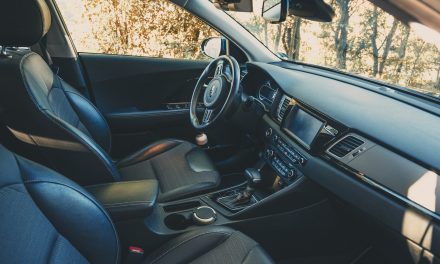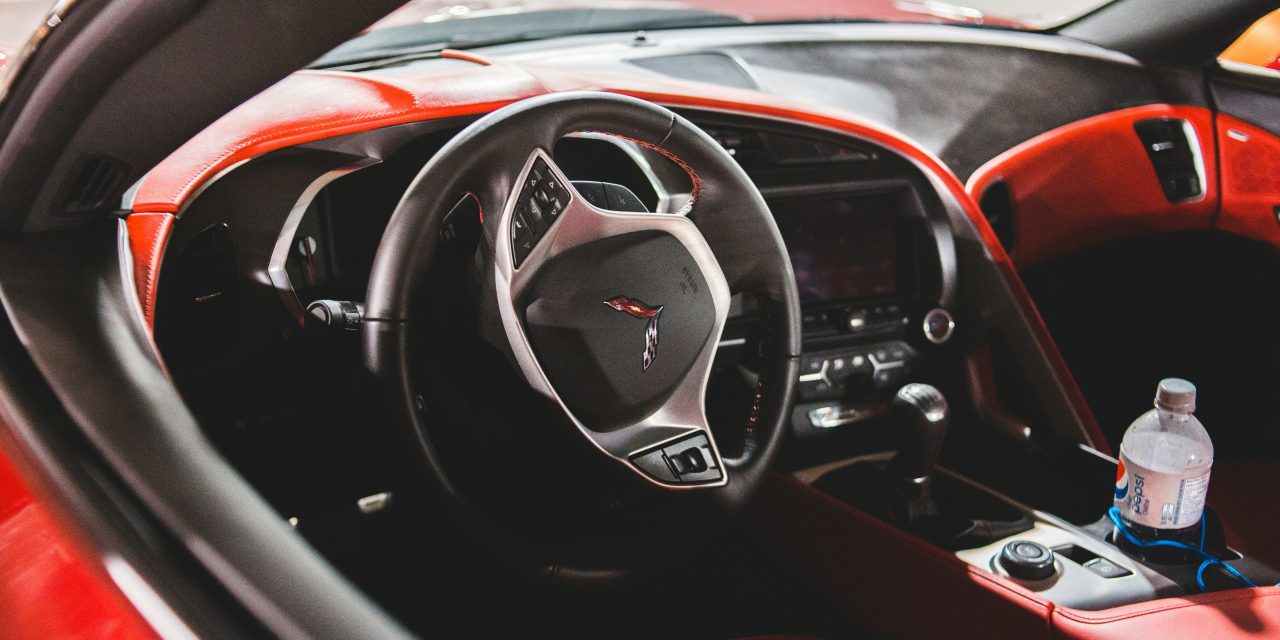
A pristine car dashboard is not merely an aesthetic preference; it plays a crucial role in the overall driving experience. A clean dashboard enhances visibility, reduces glare, and contributes to the vehicle’s interior ambiance. Moreover, a streak-free surface can prevent the accumulation of dust and grime, which can harbor allergens and irritants, potentially affecting the health of passengers. The dashboard is often the first area noticed by passengers and can significantly influence their perception of the vehicle’s cleanliness and maintenance.
Furthermore, maintaining a spotless dashboard can prolong the lifespan of the materials used in its construction. Many dashboards are made from plastics that can degrade over time due to exposure to UV rays and environmental pollutants. Regular cleaning not only preserves the aesthetic appeal but also protects against fading, cracking, and other forms of deterioration. Thus, understanding the importance of a streak-free dashboard is essential for both health and longevity of your vehicle’s interior.
If you’re looking for tips on how to clean your car dashboard without leaving streaks, you might find it helpful to explore related articles that discuss effective cleaning techniques. For instance, you can check out this insightful piece on understanding common pet behaviors, which, while not directly related to car cleaning, offers a fresh perspective on maintaining a clean environment: Understanding Common Pet Behaviors.
Gather the Right Cleaning Supplies Before You Start
Before embarking on the cleaning process, it is imperative to gather all necessary supplies to ensure an efficient and effective cleaning session. Essential items include microfiber cloths, soft brushes, and appropriate cleaning solutions tailored to your dashboard’s material. Microfiber cloths are particularly advantageous due to their ability to trap dust and dirt without scratching surfaces. A soft brush can help dislodge stubborn particles from crevices that cloths may not reach.
In addition to these basic tools, consider investing in a quality dashboard cleaner that is specifically formulated for automotive interiors. Look for products that are free from harsh chemicals and abrasives, as these can damage sensitive surfaces. If you prefer a more natural approach, vinegar and water solutions can be effective alternatives. Having all supplies ready before starting will streamline the process and minimize the risk of missing any crucial steps.
Remove Dust and Loose Dirt with a Soft Brush or Microfiber Cloth

Once you have gathered your cleaning supplies, the next step involves removing dust and loose dirt from the dashboard. Utilizing a soft brush or a microfiber cloth is essential for this task. A soft brush can effectively reach into tight spaces, such as air vents and around buttons, where dust tends to accumulate. Gently brushing these areas will dislodge particles without scratching or damaging the surface.
For larger areas, a microfiber cloth can be employed to wipe away dust effectively. The unique fibers in microfiber cloths are designed to capture dirt particles rather than just pushing them around. Begin by lightly dusting the entire dashboard surface, ensuring that you cover all areas thoroughly. This initial step is crucial as it prepares the surface for deeper cleaning, preventing dirt from becoming embedded during subsequent cleaning stages.
Choose the Best Cleaner for Your Dashboard Material

Selecting the appropriate cleaner for your dashboard material is vital for achieving optimal results without causing damage. Dashboards are commonly made from various materials, including vinyl, plastic, leather, or wood veneer. Each material requires specific care to maintain its integrity and appearance. For vinyl and plastic dashboards, look for cleaners that are non-abrasive and designed specifically for automotive use.
If your dashboard features leather components, it is essential to use a cleaner formulated for leather care. These products often contain moisturizing agents that prevent cracking and drying out of the leather surface. For wooden dashboards, a gentle wood cleaner or a mixture of mild soap and water can be effective. Always read product labels carefully to ensure compatibility with your dashboard material, as using the wrong cleaner can lead to irreversible damage.
If you’re looking for effective ways to maintain your car’s interior, you might find it helpful to explore a related article on how to clean your car dashboard without leaving streaks. This guide offers practical tips and techniques to ensure your dashboard shines without any residue. For more culinary inspiration, check out this article on how to make creamy pasta sauce without heavy cream, which can add a delightful touch to your cooking repertoire.
Test Cleaning Products on a Small Hidden Area First
Before applying any cleaning product across the entire dashboard, it is prudent to conduct a patch test on a small hidden area. This precautionary measure helps identify any adverse reactions between the cleaner and the dashboard material. Apply a small amount of the cleaner using a microfiber cloth and observe for any discoloration or damage after a few minutes.
If no negative effects are observed, you can proceed with confidence to clean the rest of the dashboard. However, if you notice any adverse reactions such as fading or peeling, discontinue use immediately and seek an alternative product. This step is crucial in ensuring that your cleaning efforts do not inadvertently harm your vehicle’s interior.
Use a Damp Microfiber Cloth for Gentle Cleaning
Once you have confirmed that your chosen cleaner is safe for use, it’s time to begin the actual cleaning process. Dampen a microfiber cloth with your selected cleaner or a mixture of water and mild soap. It is important that the cloth is not overly wet; excessive moisture can seep into electronic components or seams, potentially causing damage.
Gently wipe down the dashboard using circular motions to lift dirt and grime effectively. Pay special attention to areas that are prone to buildup, such as around knobs and buttons. The damp cloth will help dissolve stubborn stains while minimizing streaking. After cleaning each section, it’s advisable to follow up with a dry microfiber cloth to remove any remaining moisture.
Avoid Using Excessive Water or Harsh Chemicals
While it may be tempting to use excessive water or harsh chemicals for deep cleaning, this practice can lead to significant damage over time. Excessive moisture can penetrate seams and electronic components within the dashboard, leading to malfunctions or corrosion. Similarly, harsh chemicals can strip protective coatings or cause discoloration of materials.
Instead, focus on using minimal amounts of cleaner and water while employing gentle techniques during cleaning. Opt for pH-balanced cleaners that are specifically designed for automotive interiors to ensure safety and effectiveness. By avoiding excessive water and harsh chemicals, you will maintain both the appearance and functionality of your dashboard.
Clean in Small Sections to Prevent Streaks
To achieve a streak-free finish on your dashboard, it is advisable to clean in small sections rather than attempting to tackle the entire surface at once. This method allows you to focus on one area at a time, ensuring thorough cleaning without allowing products to dry before being wiped away. Start from one end of the dashboard and work your way across systematically.
Cleaning in sections also helps prevent streaks from forming as you will be able to wipe away any excess cleaner before it has a chance to dry. Use overlapping strokes with your microfiber cloth to ensure even coverage and avoid missing spots. This meticulous approach will yield a polished finish that enhances both visibility and aesthetics.
Wipe Dry Immediately with a Clean, Dry Cloth
After cleaning each section of the dashboard with a damp cloth, it is crucial to wipe dry immediately with a clean, dry microfiber cloth. This step prevents moisture from settling into crevices or electronic components while also eliminating any potential streaks left behind by the cleaner. Use gentle pressure while wiping to ensure that all surfaces are thoroughly dried.
Pay special attention to areas where moisture may accumulate, such as around air vents or control panels. A dry cloth will also help restore shine to surfaces that may appear dull after cleaning. By promptly drying each section after cleaning, you will achieve a flawless finish that enhances both appearance and functionality.
Use a Protectant to Maintain Shine and Prevent Dust
To maintain the shine of your dashboard and prevent future dust accumulation, consider applying a protectant specifically designed for automotive interiors after cleaning. These products create a barrier that repels dust and dirt while providing UV protection against sun damage. Look for protectants that are non-greasy and leave no residue behind.
Applying a protectant not only enhances the appearance of your dashboard but also simplifies future cleaning efforts by making surfaces easier to wipe down. Follow the manufacturer’s instructions for application frequency; typically, reapplication every few months is sufficient for optimal results.
Regular Maintenance Tips to Keep Your Dashboard Spotless
Maintaining a spotless dashboard requires consistent effort beyond occasional deep cleaning sessions. Implementing regular maintenance practices can significantly reduce dirt buildup and prolong the cleanliness of your vehicle’s interior. Consider establishing a routine where you quickly dust off your dashboard weekly using a microfiber cloth or soft brush.
Additionally, avoid eating or drinking in your vehicle whenever possible; spills can lead to sticky residues that attract dirt over time. Parking in shaded areas or using sunshades can also minimize UV exposure, reducing fading and cracking of materials. By adopting these simple habits into your routine, you will keep your dashboard looking pristine while enhancing your overall driving experience.
In summary, maintaining a streak-free car dashboard is essential for both aesthetic appeal and functional longevity. By gathering appropriate supplies, selecting suitable cleaners, testing products beforehand, and employing careful cleaning techniques, you can achieve optimal results without damaging your vehicle’s interior materials. Regular maintenance practices further enhance cleanliness while protecting against future buildup. With these strategies in place, you can enjoy a spotless dashboard that contributes positively to your driving experience.
FAQs
What materials are needed to clean a car dashboard without leaving streaks?
To clean a car dashboard effectively without leaving streaks, you will need a microfiber cloth, a gentle all-purpose cleaner or a mixture of water and vinegar, and optionally, a soft brush for hard-to-reach areas. Microfiber cloths are ideal as they are non-abrasive and absorb moisture well.
Can I use glass cleaner on my car dashboard?
It is not recommended to use glass cleaner on your car dashboard, especially if it contains ammonia, as it can damage the dashboard’s surface and cause streaking. Instead, opt for a cleaner specifically designed for automotive interiors or a mild homemade solution.
How often should I clean my car dashboard?
It is advisable to clean your car dashboard at least once a month to prevent dust buildup and maintain its appearance. However, if you frequently drive in dusty or dirty environments, you may want to clean it more often.
What technique should I use to avoid streaks while cleaning?
To avoid streaks while cleaning your car dashboard, use a circular motion with your microfiber cloth and apply the cleaner directly to the cloth rather than the dashboard. This helps to control the amount of cleaner used and prevents oversaturation.
Are there any specific products to avoid when cleaning a car dashboard?
Avoid using products that contain harsh chemicals, alcohol, or abrasive materials, as these can damage the dashboard’s finish. Additionally, avoid using paper towels, as they can leave lint and scratches on the surface.