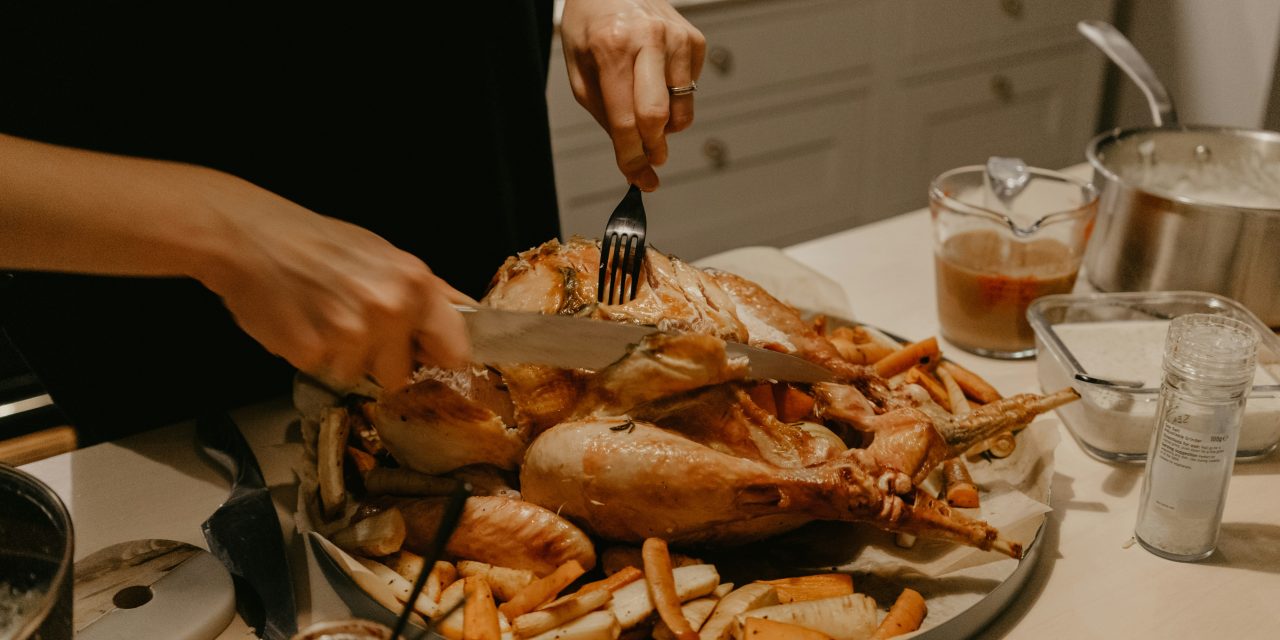
Dry brining is a culinary technique that enhances the flavor and moisture retention of meats, particularly poultry. This method involves the application of salt directly onto the surface of the turkey, allowing it to penetrate the meat over time. The science behind dry brining lies in osmosis and diffusion. When salt is applied, it draws moisture out of the turkey, creating a brine solution that is reabsorbed back into the meat. This process not only seasons the turkey but also helps to break down proteins, resulting in a tender and juicy final product.
The effectiveness of dry brining can be attributed to its ability to enhance the turkey’s natural flavors while also improving texture. Unlike traditional wet brining, which can dilute the meat’s flavor, dry brining concentrates the taste by allowing the salt to work its magic without excess water. Additionally, this method promotes a crispy skin during roasting, as the surface moisture evaporates more readily. Understanding these principles is crucial for achieving a perfectly seasoned and succulent turkey.
If you’re looking to enhance the flavor and juiciness of your turkey before roasting, consider the technique of dry brining. This method not only helps to season the meat thoroughly but also improves its texture. For more insights on how to care for your pets, you might find this article on the benefits of Hills Digestive Care dog food interesting. It highlights how proper nutrition can significantly impact your pet’s health, much like how proper preparation can elevate your turkey. Check it out here: Top 7 Benefits of Hills Digestive Care Dog Food for Your Pet’s Health.
Choosing the Right Salt for Your Dry Brine
Selecting the appropriate salt is paramount for successful dry brining. The most commonly used salts include kosher salt, sea salt, and table salt, each with distinct characteristics. Kosher salt is favored by many chefs due to its coarse texture and ease of handling. Its larger crystals allow for even distribution and better control over the salting process. Sea salt, derived from evaporated seawater, offers a range of flavors depending on its source and can add a unique touch to your brine.
Table salt, while readily available, is often not recommended for dry brining due to its fine granules, which can lead to over-salting if not measured accurately. When choosing salt, consider the size of the crystals and adjust your measurements accordingly. A general rule of thumb is to use about 1 tablespoon of kosher salt per 5 pounds of turkey. This ensures that the meat is adequately seasoned without becoming overly salty.
Preparing Your Turkey: Cleaning and Patting Dry

Before embarking on the dry brining journey, proper preparation of the turkey is essential. Begin by thoroughly cleaning the bird under cold running water to remove any residual blood or impurities. This step not only ensures food safety but also prepares the surface for optimal salt absorption. After rinsing, it is crucial to pat the turkey dry with paper towels. Removing excess moisture allows the salt to adhere better and promotes a crispier skin during roasting.
Additionally, take this opportunity to inspect the turkey for any remaining feathers or giblets that may need removal. Ensuring that your turkey is clean and dry sets the foundation for successful dry brining and ultimately leads to a more flavorful and enjoyable meal.
Calculating the Perfect Amount of Salt

Determining the right amount of salt for dry brining is critical for achieving balanced flavor without overwhelming the palate. As mentioned earlier, a general guideline is to use approximately 1 tablespoon of kosher salt per 5 pounds of turkey. However, this can vary based on personal preference and the specific type of salt used. For instance, if using table salt, which is denser than kosher salt, reduce the amount to about 2 teaspoons per 5 pounds.
To ensure accuracy, it is advisable to weigh your turkey before calculating the salt quantity. This precision allows for consistent results and prevents over-salting or under-salting. Additionally, consider any other seasonings or flavorings you plan to incorporate into your dry brine, as these can also impact the overall taste profile.
Dry brining a turkey is an excellent way to enhance its flavor and ensure a juicy result when roasting. For those looking to elevate their culinary skills, you might find it helpful to explore related techniques in other areas of cooking. For instance, if you’re interested in how to support your pet’s health through diet, you can check out this article on top cat foods for urinary health. Understanding the importance of proper nutrition can be just as crucial in the kitchen as it is for your furry friends.
Applying the Dry Brine Evenly Over the Turkey
Once you have calculated the appropriate amount of salt, it’s time to apply it evenly across the turkey’s surface. Begin by sprinkling the salt generously over all areas of the bird, including under the wings and inside the cavity. This thorough application ensures that every bite will be seasoned uniformly. For optimal results, use your hands to massage the salt into the skin gently; this helps to promote even distribution and enhances absorption.
Pay special attention to areas that may require additional seasoning, such as joints or thicker parts of the meat. The goal is to create a uniform layer of salt that will penetrate deeply into the turkey over time. After applying the dry brine, place the turkey on a wire rack set over a baking sheet to catch any drippings and allow air circulation around the bird.
Timing Is Key: How Long to Dry Brine Your Turkey
Timing plays a crucial role in the effectiveness of dry brining. The general recommendation is to allow at least 24 hours for every 5 pounds of turkey; however, longer brining times can yield even better results. For instance, a 12-pound turkey would benefit from a minimum of 48 hours of dry brining. This extended period allows ample time for the salt to penetrate deeply into the meat fibers, enhancing flavor and moisture retention.
While it may be tempting to rush this process, patience is key. If time permits, consider extending the dry brining period up to 72 hours for maximum flavor infusion. Just be cautious not to exceed this timeframe significantly, as prolonged exposure to salt can lead to overly salty meat.
Refrigeration Tips During the Dry Brining Process
Proper refrigeration during dry brining is essential for food safety and optimal results. After applying the dry brine, place your turkey in a refrigerator set at or below 40°F (4°C). This temperature range inhibits bacterial growth while allowing the salt to work effectively on the meat.
To prevent cross-contamination, ensure that your turkey is stored in a leak-proof container or on a tray lined with paper towels. This setup will catch any drippings while keeping other foods in your refrigerator safe from potential contamination. Additionally, avoid overcrowding your refrigerator; proper air circulation around the turkey will enhance its drying process and contribute to achieving crispy skin during roasting.
Enhancing Flavor: Adding Herbs and Spices to Your Dry Brine
While salt is the primary ingredient in dry brining, incorporating herbs and spices can elevate your turkey’s flavor profile significantly. Consider adding aromatic herbs such as thyme, rosemary, or sage directly into your dry brine mixture. These herbs not only impart their unique flavors but also complement the natural taste of poultry beautifully.
Spices such as garlic powder, onion powder, black pepper, or paprika can also be included for added depth and complexity. When creating your custom dry brine blend, aim for a balance between salty and savory elements while ensuring that no single flavor overwhelms the others. Experimenting with different combinations allows you to tailor your dry brine to suit personal preferences or seasonal themes.
When and How to Rinse Off the Dry Brine (or Not)
One common question regarding dry brining is whether or not to rinse off excess salt before roasting. The answer largely depends on personal preference and how much salt was initially applied. If you followed recommended guidelines and used kosher salt judiciously, rinsing may not be necessary; instead, simply patting the turkey dry with paper towels before roasting should suffice.
However, if you find that you have applied more salt than desired or if you prefer a milder flavor profile, rinsing can be beneficial. If you choose this route, rinse under cold water briefly and then pat dry thoroughly with paper towels before proceeding with roasting preparations. Remember that rinsing may dilute some flavors from herbs or spices added during dry brining.
Preparing the Turkey for Roasting After Dry Brining
Once your turkey has completed its dry brining period and any rinsing has been done (if applicable), it’s time to prepare it for roasting. Begin by allowing the turkey to come to room temperature for about 30 minutes before placing it in the oven; this step promotes even cooking throughout.
Next, consider stuffing your turkey with aromatics such as onion quarters, garlic cloves, citrus slices (like lemon or orange), or fresh herbs for added flavor during roasting. If you prefer not to stuff your bird, placing these ingredients in a roasting pan alongside will still impart delicious aromas into your turkey as it cooks.
Final Roasting Tips for a Juicy, Crispy Turkey
Achieving a juicy and crispy turkey requires attention to detail during roasting. Preheat your oven to 325°F (163°C) before placing your bird inside; this moderate temperature allows for even cooking without drying out the meat. To promote crispy skin, consider applying a thin layer of oil or melted butter over the surface just before roasting.
Basting periodically with pan juices can enhance moisture retention but should be done sparingly; excessive basting can lower oven temperature and prolong cooking time. Use an instant-read thermometer inserted into the thickest part of the thigh (without touching bone) to monitor doneness; aim for an internal temperature of 165°F (74°C) for safe consumption.
In conclusion, mastering dry brining can transform your turkey into a flavorful centerpiece for any gathering. By understanding its principles and following best practices—from selecting salts and calculating quantities to timing and preparation—you can achieve remarkable results that will impress family and friends alike.
**FAQ Section**
1. **What is dry brining?**
Dry brining involves applying salt directly onto meat surfaces to enhance flavor and moisture retention through osmosis.
2. **How long should I dry brine my turkey?**
A general guideline is 24 hours per 5 pounds of turkey; longer periods yield better results.
3. **Can I use table salt for dry brining?**
While possible, it’s recommended to use kosher or sea salt due to differences in crystal size affecting salinity levels.
4. **Should I rinse off excess salt after dry brining?**
Rinsing depends on personal preference; if too much salt was applied or if you prefer milder flavors, rinsing may be beneficial.
5. **What herbs can I add to my dry brine?**
Common choices include thyme, rosemary, sage, garlic powder, onion powder, and paprika for enhanced flavor profiles.
6. **How do I ensure crispy skin on my roasted turkey?**
Patting dry after brining and applying oil or melted butter before roasting promotes crispiness during cooking.
7. **What internal temperature should my turkey reach?**
The safe internal temperature for cooked turkey is 165°F (74°C), measured at the thickest part of the thigh.
8. **Can I stuff my turkey after dry brining?**
Yes; stuffing with aromatics enhances flavor during roasting but ensure proper cooking temperatures are maintained.
9. **Is refrigeration necessary during dry brining?**
Yes; keeping your turkey refrigerated prevents bacterial growth while allowing effective salt penetration.
10. **What should I do if my turkey tastes too salty?**
If overly salty after cooking, consider serving with side dishes that balance flavors or using sauces that complement without adding more saltiness.
In summary, mastering dry brining techniques can significantly enhance your culinary skills when preparing turkey for special occasions or family gatherings. By understanding each step—from selecting salts and calculating quantities to timing and preparation—you can create an unforgettable dining experience that showcases both flavor and tenderness in every bite.
FAQs
What is dry brining and how does it work?
Dry brining is a method of seasoning meat, particularly turkey, by applying a mixture of salt and spices directly to the surface of the meat. The salt draws moisture out of the turkey, which then mixes with the salt and is reabsorbed, resulting in a more flavorful and juicy bird. This process also helps to break down proteins, improving the texture of the meat.
How long should I dry brine my turkey?
For optimal results, it is recommended to dry brine your turkey for at least 24 hours, but up to 48 hours is ideal. This allows enough time for the salt to penetrate the meat thoroughly, enhancing flavor and moisture retention during cooking.
What ingredients do I need for dry brining a turkey?
The primary ingredient for dry brining is kosher salt, which is preferred due to its larger grain size. You can also add other spices and herbs such as black pepper, garlic powder, onion powder, thyme, or rosemary to enhance the flavor profile. A typical ratio is about 1 tablespoon of salt per 5 pounds of turkey.
Do I need to rinse the turkey after dry brining?
No, it is not necessary to rinse the turkey after dry brining. Rinsing can wash away the flavorful brine and may lead to a less seasoned bird. Instead, simply pat the turkey dry with paper towels before roasting to ensure crispy skin.
Can I dry brine a frozen turkey?
It is not recommended to dry brine a frozen turkey. The turkey should be fully thawed before applying the dry brine to ensure even seasoning and moisture absorption. Plan ahead to allow sufficient time for thawing in the refrigerator, which typically takes about 24 hours for every 4-5 pounds of turkey.