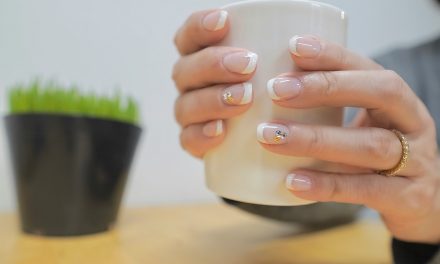
Brittle nails are a common concern for many individuals who frequently use gel polish. The allure of long-lasting, glossy nails often comes at a cost. Gel polish, while aesthetically pleasing, can lead to various nail health issues, particularly brittleness. The primary culprits behind this condition include dehydration, overexposure to UV light during the curing process, and the chemical composition of the gel itself. When gel polish is applied, it forms a protective layer over the nail, which can inhibit moisture absorption. Consequently, nails may become dry and fragile, leading to splitting and peeling.
Moreover, improper application and removal techniques can exacerbate the problem. If gel polish is not applied correctly, it can create an uneven surface that weakens the nail structure. Additionally, aggressive removal methods—such as peeling or scraping—can strip away layers of the nail plate, further compromising its integrity. Understanding these underlying causes is crucial for developing effective prevention and treatment strategies to restore nail health.
If you’re looking for effective ways to restore your brittle nails after using gel polish, you might find this article on nail care particularly helpful. It offers a variety of tips and remedies to strengthen your nails and promote healthy growth. You can read more about it in this related article.
Importance of Proper Gel Polish Removal Techniques
The removal process of gel polish is as critical as its application. Many individuals resort to quick fixes, such as peeling off the polish or using abrasive tools, which can severely damage the nail bed. Proper removal techniques involve soaking the nails in acetone or using a specialized gel polish remover that gently dissolves the product without harming the underlying nail structure. This method allows for a more controlled and less traumatic removal process.
Additionally, utilizing cotton pads soaked in acetone and wrapping them around each nail with aluminum foil can enhance the effectiveness of the removal. This technique allows the acetone to penetrate the gel polish more efficiently, minimizing the time required for removal and reducing potential damage. Following this method ensures that nails remain intact and healthy, significantly reducing the risk of brittleness and other complications.
Hydrate Your Nails with Natural Oils

Hydration is paramount in maintaining nail health, especially after prolonged exposure to gel polish. Natural oils such as jojoba oil, almond oil, and vitamin E oil are excellent choices for nourishing brittle nails. These oils penetrate deeply into the nail plate and surrounding cuticles, providing essential moisture that helps restore elasticity and strength. Regular application of these oils can significantly improve the overall appearance and resilience of nails.
Incorporating a nightly routine that includes massaging natural oils into the nails and cuticles can yield remarkable results over time. This practice not only hydrates but also promotes blood circulation in the nail bed, encouraging healthy growth. Furthermore, these oils possess anti-inflammatory properties that can soothe any irritation caused by previous gel applications or harsh removal methods.
Use a Nail Strengthening Treatment

To combat brittleness effectively, utilizing a nail strengthening treatment is highly recommended. These treatments often contain ingredients such as keratin, biotin, and calcium, which are essential for reinforcing the nail structure. Keratin is a protein that forms the primary component of nails; thus, incorporating it into your nail care regimen can enhance strength and resilience.
Biotin, a B-vitamin complex, has been shown to improve nail thickness and reduce brittleness when taken as a supplement or applied topically. Calcium plays a vital role in maintaining nail integrity; therefore, using strengthening treatments that contain this mineral can provide additional support. Regular application of these treatments can lead to noticeable improvements in nail health, reducing breakage and promoting growth.
If you’re struggling with brittle nails after removing gel polish, it’s essential to adopt a proper nail care routine to restore their strength and health. One helpful resource that provides tips on nurturing your nails back to their former glory can be found in this article about nail care. By following the advice in this guide, you can learn about the best practices for hydration, nutrition, and protective measures that will help your nails recover effectively.
Keep Your Nails Trimmed and Filed Correctly
Maintaining proper nail length and shape is essential for preventing brittleness and breakage. Regular trimming helps eliminate weak points that are prone to splitting or tearing. It is advisable to use sharp nail clippers or scissors to achieve clean cuts without causing trauma to the nail bed. Additionally, filing nails in one direction rather than a back-and-forth motion minimizes stress on the nail plate.
Choosing the right type of file is equally important; opt for a glass or crystal file that is gentler on the nails compared to traditional metal files. This approach reduces friction and prevents further damage to already weakened nails. Establishing a routine for trimming and filing can significantly enhance nail strength and appearance over time.
Avoid Harsh Chemicals and Detergents
Exposure to harsh chemicals and detergents can exacerbate brittle nails and lead to further deterioration. Many household cleaning products contain strong solvents that strip moisture from nails and skin, making them more susceptible to damage. To mitigate this risk, it is advisable to opt for eco-friendly cleaning alternatives that are less abrasive.
When engaging in household chores or activities that involve exposure to chemicals, wearing gloves is essential. Protective gloves create a barrier between your nails and harmful substances, preserving their integrity and preventing brittleness. By being mindful of chemical exposure, you can significantly improve your nail health and reduce the likelihood of developing brittle nails.
Maintain a Balanced Diet Rich in Vitamins and Minerals
A well-balanced diet plays a crucial role in maintaining healthy nails. Nutritional deficiencies can manifest as brittle or weak nails; therefore, it is essential to consume foods rich in vitamins and minerals that support nail health. Key nutrients include biotin, zinc, iron, and vitamins A, C, D, and E.
Incorporating foods such as leafy greens, nuts, seeds, eggs, fish, and lean meats into your diet can provide these essential nutrients. Biotin-rich foods like eggs and avocados are particularly beneficial for strengthening nails. Additionally, staying hydrated by drinking plenty of water supports overall health and helps maintain moisture levels in your nails.
Give Your Nails a Break from Nail Products
While gel polish offers a beautiful finish, continuous use can lead to weakened nails over time. Allowing your nails to breathe by taking breaks from all nail products is vital for recovery. During this period, focus on nourishing your nails with oils and strengthening treatments to promote healing.
Consider scheduling regular breaks between gel applications—ideally every few weeks—to allow your nails to regain their strength and resilience. This practice not only helps prevent brittleness but also gives your nails an opportunity to recover from any damage incurred during previous applications.
Protect Your Nails with Gloves During Chores
Protective measures are essential when engaging in activities that may expose your nails to potential harm. Wearing gloves during household chores or gardening protects your nails from harsh chemicals and physical trauma. This simple yet effective strategy helps maintain nail integrity while preventing brittleness caused by environmental factors.
When selecting gloves, choose those made from materials that provide adequate protection without causing excessive sweating or discomfort. Latex or nitrile gloves are excellent options for household cleaning tasks, while thicker gardening gloves offer protection against dirt and debris during outdoor activities.
Incorporate Gentle Nail Care Habits Daily
Establishing gentle daily habits is crucial for maintaining healthy nails over time. Avoid biting or picking at your nails, as these behaviors can lead to trauma and increased brittleness. Instead, focus on nurturing your nails through regular moisturizing routines and gentle care practices.
Consider using a cuticle oil daily to keep cuticles hydrated and prevent hangnails from forming. Additionally, avoid using your nails as tools for opening packages or scratching surfaces; this practice can lead to unnecessary stress on the nail plate. By adopting gentle habits consistently, you can significantly improve your nail health.
When to Consult a Dermatologist for Persistent Nail Issues
If you experience persistent issues with brittle nails despite implementing preventive measures and treatments, it may be time to consult a dermatologist. A healthcare professional can assess your condition more thoroughly and identify any underlying medical issues contributing to nail brittleness.
Conditions such as fungal infections or nutritional deficiencies may require specialized treatment beyond standard care practices. A dermatologist may recommend specific topical treatments or dietary adjustments tailored to your individual needs. Seeking professional guidance ensures that you receive appropriate care for your unique situation.
In summary, brittle nails after gel polish application can result from various factors including improper removal techniques, dehydration, and exposure to harsh chemicals. To combat this issue effectively, it is essential to adopt proper removal methods, hydrate with natural oils, utilize strengthening treatments, maintain a balanced diet rich in vitamins and minerals, and protect your nails from environmental stressors. Regularly incorporating gentle care habits into your routine will further enhance nail health while allowing time for recovery from gel applications. If problems persist despite these efforts, consulting a dermatologist may provide valuable insights into underlying conditions requiring attention.
FAQs
What causes nails to become brittle after gel polish removal?
Brittle nails after gel polish removal can be caused by several factors, including the harsh chemicals used in the gel polish and the removal process, which often involves soaking in acetone. This can strip the nails of their natural oils and moisture, leading to dryness and brittleness.
How can I moisturize my nails and cuticles effectively?
To effectively moisturize your nails and cuticles, use a nourishing cuticle oil or a thick hand cream that contains ingredients like vitamin E, jojoba oil, or shea butter. Apply the moisturizer regularly, especially after washing your hands or using hand sanitizer, to help restore hydration.
Are there specific vitamins or supplements that can help strengthen brittle nails?
Yes, certain vitamins and supplements can help strengthen brittle nails. Biotin, a B vitamin, is known to improve nail strength and thickness. Additionally, vitamins A, C, D, and E, as well as minerals like zinc and iron, can contribute to overall nail health.
How long does it typically take for nails to recover from brittleness?
The recovery time for brittle nails can vary depending on individual nail growth rates and care practices. Generally, it can take anywhere from a few weeks to several months for nails to fully recover and regain their strength, especially if proper care and nutrition are implemented.
What are some home remedies to repair brittle nails?
Home remedies for repairing brittle nails include soaking nails in olive oil or coconut oil for 10-15 minutes daily, using a mixture of lemon juice and olive oil as a nail soak, and applying a homemade nail mask made from egg yolk and honey. These remedies can help nourish and strengthen the nails over time.