Creating a daily cleaning routine is essential for maintaining an organized and tidy living environment. A structured approach to cleaning not only enhances the aesthetic appeal of your home but also contributes to mental well-being. By dedicating a specific time each day to cleaning tasks, you can prevent clutter from accumulating and ensure that your space remains inviting and functional. This routine can include simple tasks such as making the bed, wiping down surfaces, and doing a quick vacuum or sweep of high-traffic areas.
To establish an effective daily cleaning routine, consider breaking down tasks into manageable segments. For instance, allocate 15-30 minutes each morning to tackle essential chores. This could involve dusting surfaces, organizing items that have been misplaced, or even doing a load of laundry. By incorporating these small tasks into your daily schedule, you can create a habit that fosters cleanliness and organization over time. Additionally, using a checklist can help you stay focused and motivated, ensuring that no task is overlooked.
Declutter One Room at a Time
Decluttering can often feel overwhelming, especially when faced with an entire house filled with items accumulated over the years. To make this process more manageable, focus on one room at a time. This targeted approach allows you to concentrate your efforts and see tangible results more quickly, which can be incredibly motivating. Start with the room that feels the most chaotic or the one you use most frequently, as this will provide immediate gratification once it is organized.
As you declutter each room, categorize items into three groups: keep, donate/sell, and discard. This methodical sorting process helps you make informed decisions about what to retain and what can be let go. Be ruthless in your evaluation; if an item no longer serves a purpose or brings joy, it may be time to part ways with it. Once you have completed decluttering a room, take a moment to appreciate your hard work and enjoy the newfound space before moving on to the next area.
Use Storage Solutions Wisely

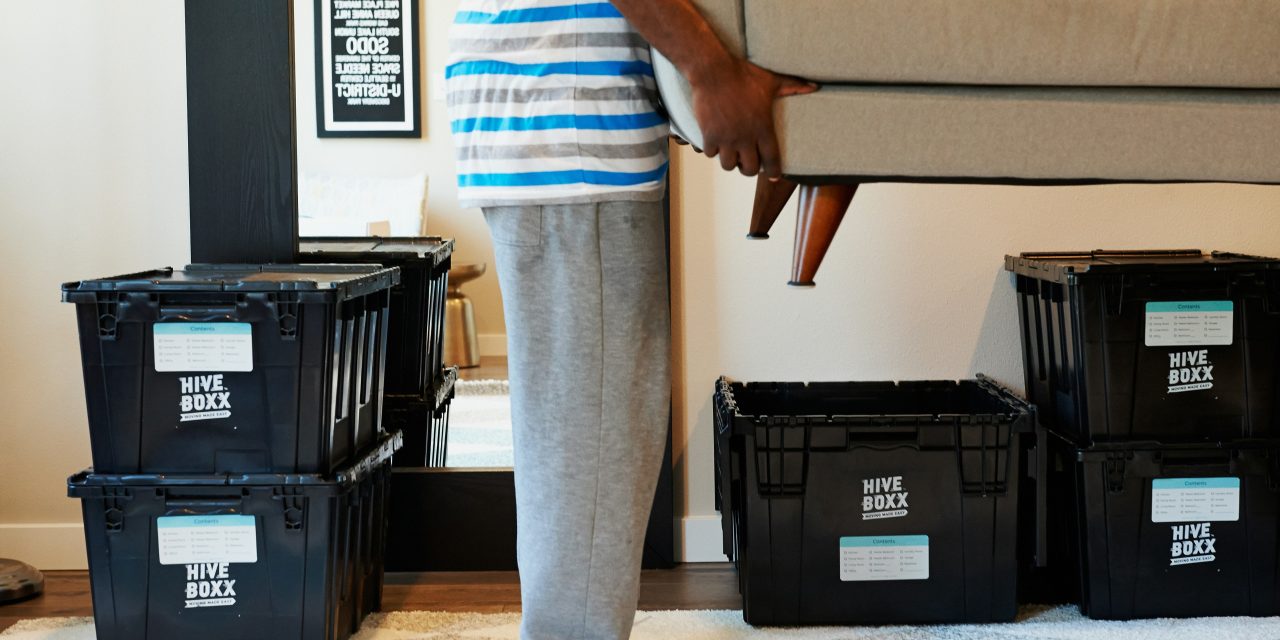
Effective storage solutions are crucial for maintaining an organized home. Utilizing various storage options can help maximize space and keep items easily accessible. Consider investing in multifunctional furniture, such as ottomans with hidden compartments or beds with built-in drawers. These pieces not only provide additional storage but also contribute to the overall aesthetic of your living space.
In addition to furniture, consider using vertical space for storage. Wall-mounted shelves, hooks, and pegboards can help keep items off the floor and create a more open atmosphere. Clear bins or labeled containers can also aid in organizing smaller items, making it easier to locate what you need without rummaging through cluttered drawers or cabinets. By implementing these storage solutions thoughtfully, you can create a more organized environment that promotes efficiency and reduces stress.
Adopt the “One In, One Out” Rule

The “One In, One Out” rule is a powerful strategy for preventing clutter from accumulating in your home. This principle dictates that for every new item you bring into your space, you must remove an existing item. This practice encourages mindful purchasing habits and helps maintain balance within your living environment. By adhering to this rule, you can ensure that your possessions remain manageable and that you are not overwhelmed by excess belongings.
To effectively implement this rule, consider keeping a list of items you own and regularly assess their necessity. When contemplating a new purchase, ask yourself if it truly adds value to your life or if it will simply contribute to clutter. This reflective approach not only fosters intentionality in your buying habits but also encourages you to appreciate what you already possess. Over time, this practice can lead to a more streamlined and organized home.
Create Designated Spaces for Items
Establishing designated spaces for items is fundamental in maintaining an organized home. When every item has a specific location, it becomes easier to find what you need and return items to their rightful place after use. Start by evaluating each room and identifying logical locations for frequently used items. For example, keep keys near the front door or designate a specific drawer for kitchen utensils.
Labeling storage containers and shelves can further enhance organization by providing clear guidance on where items belong. This practice is particularly beneficial in shared spaces where multiple individuals may use the same items. By creating designated spaces for belongings, you foster accountability among family members and encourage everyone to contribute to maintaining order within the home.
Regularly Donate or Sell Unused Items
Regularly donating or selling unused items is an effective way to declutter your home while also benefiting others in need. Establishing a routine for evaluating your belongings can help prevent accumulation over time. Consider setting aside specific times throughout the year—such as during spring cleaning or before the holidays—to assess what items are no longer serving a purpose in your life.
When deciding what to donate or sell, consider the condition of each item and its potential value to others. Gently used clothing, household goods, and electronics can often find new homes through local charities or online marketplaces. Not only does this practice create more space in your home, but it also promotes sustainability by giving items a second life rather than contributing to landfill waste.
Limit Paper Clutter with Digital Alternatives
In today’s digital age, limiting paper clutter has become increasingly feasible through the use of technology. Transitioning from physical documents to digital alternatives can significantly reduce the amount of paper accumulating in your home. Start by scanning important documents and storing them securely on cloud-based platforms or external hard drives. This not only frees up physical space but also ensures that important information is easily accessible.
Additionally, consider opting for electronic billing statements and subscriptions whenever possible. Many companies offer digital versions of their services that eliminate the need for paper correspondence altogether. By embracing digital alternatives, you can streamline your organizational efforts while minimizing environmental impact.
Organize Closets and Drawers Efficiently
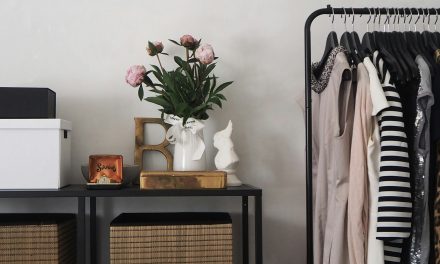
Closets and drawers often become catch-all spaces for miscellaneous items, leading to disorganization and frustration when searching for specific belongings. To combat this issue, take the time to organize these areas efficiently. Start by emptying out closets and drawers completely before categorizing items based on their function or frequency of use.
Utilize dividers or bins within drawers to separate smaller items and prevent them from becoming jumbled together. For closets, consider implementing a system based on seasons or clothing types—such as grouping all shirts together or arranging shoes by style. By organizing these spaces thoughtfully, you can create an efficient system that allows for easy access to your belongings while minimizing clutter.
Involve the Whole Family in Tidying Up
Maintaining an organized home is often a collective effort that requires participation from all family members. Involving everyone in tidying up not only distributes the workload but also fosters a sense of shared responsibility for maintaining order within the household. Encourage family members to take ownership of their personal spaces by assigning specific tasks or areas for them to manage.
Consider establishing family cleaning days where everyone contributes to tidying up common areas together. This collaborative approach not only makes cleaning more efficient but also creates opportunities for bonding and teamwork among family members. By instilling these habits early on, children learn valuable organizational skills that will benefit them throughout their lives.
Set Realistic Goals and Track Progress
Setting realistic goals is crucial when embarking on an organizational journey. Rather than attempting to tackle everything at once, break down larger tasks into smaller, achievable objectives. For example, aim to declutter one room per week or dedicate 30 minutes each day to organizing specific areas of your home.
Tracking progress can also serve as motivation throughout this process. Consider keeping a journal or checklist where you document completed tasks and reflect on improvements made over time. Celebrating small victories along the way reinforces positive habits and encourages continued commitment to maintaining an organized living space.
Maintain Mindful Purchasing Habits
Mindful purchasing habits are essential for preventing future clutter from accumulating in your home. Before making any purchase, take time to evaluate whether the item aligns with your needs and values. Ask yourself questions such as: Will this item serve a practical purpose? Do I truly need it? How will it fit into my existing collection of belongings?
By adopting this reflective approach to shopping, you can cultivate greater awareness around consumption patterns and reduce impulse buying tendencies. Additionally, consider implementing a waiting period before making significant purchases—this allows time for reflection and helps prevent buyer’s remorse later on.
In summary, maintaining an organized home requires consistent effort and intentionality across various aspects of daily life. By establishing routines, decluttering systematically, utilizing effective storage solutions, involving family members in tidying up efforts, setting realistic goals, and practicing mindful purchasing habits, individuals can create harmonious living environments that promote well-being and functionality over time.
FAQs
What are some effective strategies for decluttering my home?
Effective strategies for decluttering include the “one in, one out” rule, where you remove one item for every new item you bring in. Additionally, you can use the four-box method: keep, donate, trash, and relocate. Setting a timer for short decluttering sessions can also help maintain focus and prevent overwhelm.
How often should I declutter my home to keep it clutter-free?
To maintain a clutter-free home, it’s recommended to declutter regularly, ideally every season. However, you can also set aside time monthly or even weekly for smaller tasks. The key is to make decluttering a consistent habit rather than a one-time event.
What are some tips for organizing items to prevent clutter?
To prevent clutter, use storage solutions like bins, baskets, and shelves to keep items organized. Labeling containers can also help you find things easily. Additionally, designate specific areas for frequently used items and ensure everything has a “home” to return to after use.
How can I involve my family in keeping the home clutter-free?
Involving your family can be done by assigning specific decluttering tasks to each member based on their age and abilities. Encourage teamwork by making it a fun activity, such as a family challenge. Regular family meetings to discuss clutter and organization can also foster a shared commitment to maintaining a tidy home.
What should I do with items I no longer need?
Items you no longer need can be donated to local charities, sold online, or given away to friends and family. For items that are broken or unusable, consider recycling or disposing of them responsibly. Always check local guidelines for proper disposal methods to minimize environmental impact.