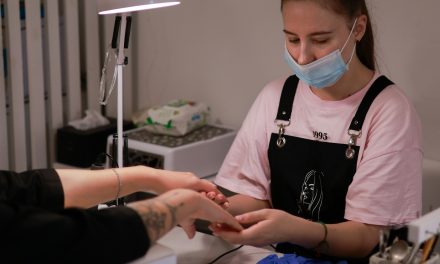
Cuticles serve as a vital barrier that protects the nail matrix from pathogens and environmental aggressors. This thin layer of skin at the base of the nail plays a crucial role in maintaining nail health and integrity. Proper cuticle care is essential not only for aesthetic reasons but also for preventing infections and promoting overall nail growth. Neglecting cuticles can lead to various complications, including hangnails, inflammation, and even fungal infections. Therefore, understanding the significance of cuticle maintenance is paramount for anyone seeking healthy nails.
Moreover, cuticles contribute to the overall appearance of the hands. Well-maintained cuticles enhance the look of manicured nails, giving them a polished and professional finish. Conversely, ragged or dry cuticles can detract from even the most beautifully painted nails. By prioritizing cuticle care, individuals can ensure that their hands remain youthful and vibrant, reflecting good hygiene and self-care practices.
For those interested in maintaining healthy cuticles without resorting to cutting, it’s essential to explore gentle care techniques that promote their strength and appearance. A related article that provides valuable insights on this topic can be found here: How to Care for Cuticles Without Cutting Them. This resource offers practical tips and natural remedies that can help keep your cuticles nourished and protected, ensuring they remain in great condition.
Why Avoid Cutting Your Cuticles
Cutting cuticles may seem like a quick solution to achieve a neat appearance, but it can lead to numerous complications. When cuticles are trimmed, the protective barrier they provide is compromised, increasing the risk of infections. Bacteria and fungi can easily enter through the open wound, leading to painful conditions such as paronychia, an infection of the skin around the nails. This condition can cause swelling, redness, and pus formation, necessitating medical intervention.
Additionally, cutting cuticles can result in excessive growth or overproduction of skin around the nails. This phenomenon occurs as the body attempts to protect itself from potential harm after the cuticle has been damaged. Instead of achieving a cleaner look, individuals may find themselves with more pronounced cuticles that require constant maintenance. Therefore, it is advisable to adopt gentler methods for cuticle care that preserve their integrity while promoting healthy nail growth.
Keep Cuticles Hydrated with Moisturizers

Hydration is key to maintaining healthy cuticles. Just like any other part of the skin, cuticles require moisture to remain supple and resilient. Dry cuticles can lead to cracking and peeling, which not only looks unsightly but also increases the risk of infection. Regularly applying a high-quality moisturizer specifically formulated for cuticles can significantly improve their condition. Look for products containing ingredients such as glycerin, shea butter, or vitamin E, which are known for their hydrating properties.
Incorporating a moisturizing routine into your daily regimen is essential for optimal cuticle health. After washing hands or exposing them to harsh conditions, applying a moisturizer can help lock in moisture and prevent dryness. Additionally, using a cuticle oil before bedtime allows for overnight hydration, ensuring that cuticles remain soft and pliable. Consistent hydration will not only enhance the appearance of your nails but also fortify them against potential damage.
Use Natural Oils to Nourish Cuticles

Natural oils have gained popularity in recent years for their nourishing properties and effectiveness in promoting healthy skin and nails. Oils such as jojoba oil, almond oil, and coconut oil are rich in essential fatty acids and vitamins that can penetrate deeply into the skin, providing nourishment to the cuticles. These oils help to restore moisture balance while also offering anti-inflammatory benefits that can soothe irritated skin.
To incorporate natural oils into your cuticle care routine, consider creating a simple DIY treatment. Mix equal parts of your chosen oils and apply them directly to the cuticles using a cotton swab or your fingertips. Gently massage the oil into the skin to enhance absorption and stimulate blood circulation. Regular use of natural oils not only improves the appearance of cuticles but also strengthens nails by providing essential nutrients that promote growth.
If you’re looking for effective ways to maintain healthy cuticles without resorting to cutting, you might find it helpful to explore some gentle techniques that promote natural growth and hydration. One insightful resource on this topic is an article that discusses the importance of proper nail care routines. Additionally, if you’re interested in understanding how to recognize ear wax buildup in dogs, you can check out this informative piece on the subject. For more details, visit how to recognize ear wax buildup in dogs.
Gently Push Back Cuticles After Softening
Pushing back cuticles is an essential part of maintaining their health; however, it must be done with care. After softening the cuticles through soaking or applying a moisturizing agent, use a soft cuticle pusher or an orange stick to gently push them back toward the base of the nail. This process helps to remove excess skin without causing damage or pain. It is crucial to avoid aggressive pushing or scraping, as this can lead to injury or inflammation.
Timing is also important when it comes to pushing back cuticles. Performing this task after a warm shower or bath can yield better results since warm water helps soften the skin. Additionally, using a specialized cuticle remover solution can further facilitate this process by breaking down dead skin cells without harsh scrubbing. By adopting this gentle approach, individuals can maintain neat and healthy cuticles while minimizing the risk of complications.
Exfoliate Dead Skin Around the Nails
Exfoliation is an often-overlooked aspect of cuticle care that can significantly enhance their appearance and health. The accumulation of dead skin cells around the nails can lead to rough edges and an unkempt look. Regular exfoliation helps remove this buildup, promoting smoother skin and allowing for better absorption of moisturizers and oils.
To effectively exfoliate the area around your nails, consider using a gentle scrub specifically designed for hands and cuticles. Look for products containing natural exfoliants such as sugar or salt combined with nourishing oils. Alternatively, you can create a homemade scrub using sugar mixed with olive oil or honey for added hydration. Gently massage the scrub onto the skin surrounding your nails in circular motions before rinsing off with warm water. This practice not only improves aesthetics but also stimulates blood flow to promote healthier nail growth.
Protect Cuticles from Harsh Chemicals
Cuticles are particularly vulnerable to damage from harsh chemicals found in household cleaning products, detergents, and even some nail polishes. Prolonged exposure to these substances can lead to dryness, irritation, and weakened skin barriers around the nails. To protect your cuticles from potential harm, consider wearing gloves when engaging in activities that involve exposure to chemicals or prolonged water immersion.
Additionally, opting for non-toxic nail products can significantly reduce the risk of chemical damage to both nails and cuticles. Many brands now offer polishes free from harmful ingredients such as formaldehyde, toluene, and dibutyl phthalate (DBP). By choosing safer alternatives, individuals can maintain healthier nails while minimizing exposure to potentially harmful substances that could compromise cuticle integrity.
Maintain Regular Nail Hygiene
Regular nail hygiene is essential for overall nail health and well-being. Keeping nails clean prevents dirt and bacteria from accumulating under the nail bed and around the cuticles, reducing the risk of infections. Establishing a routine that includes washing hands frequently with mild soap and water is crucial in maintaining cleanliness.
In addition to washing hands regularly, trimming nails appropriately helps prevent hangnails and reduces the likelihood of injury to surrounding skin. Using sanitized tools for nail care is equally important; this includes nail clippers, files, and buffers that should be cleaned after each use to prevent cross-contamination. By adhering to these hygiene practices, individuals can ensure that their nails remain healthy while minimizing potential complications associated with poor hygiene.
Avoid Biting or Picking at Cuticles
Biting or picking at cuticles is a common habit that can lead to significant damage over time. This behavior not only compromises the protective barrier provided by cuticles but also increases susceptibility to infections and inflammation. The act of biting can introduce bacteria from the mouth into open wounds around the nails, leading to painful conditions such as paronychia.
To break this habit, individuals may benefit from identifying triggers that lead to biting or picking behaviors—such as stress or boredom—and finding alternative coping mechanisms. Keeping nails trimmed short can also reduce temptation while applying bitter-tasting nail polish designed to deter biting may serve as an effective deterrent. By consciously avoiding these behaviors, individuals can protect their cuticles from unnecessary harm while promoting healthier nail growth.
Incorporate Hand Massages for Better Circulation
Hand massages are not only relaxing but also beneficial for improving circulation in the fingers and promoting overall nail health. Increased blood flow enhances nutrient delivery to both nails and cuticles, supporting their growth and vitality. Incorporating hand massages into your self-care routine can be a simple yet effective way to nurture your hands.
To perform a hand massage, start by applying a small amount of moisturizer or natural oil onto your hands. Using your thumb and fingers, gently knead each finger individually while paying special attention to the areas around the nails and cuticles. This technique not only stimulates circulation but also helps relieve tension in the hands and fingers. Regular hand massages can contribute significantly to maintaining healthy cuticles while providing an opportunity for relaxation.
When to Seek Professional Help for Cuticle Issues
While many cuticle issues can be managed at home through proper care techniques, certain conditions may require professional intervention. If you notice persistent redness, swelling, or pain around your cuticles that does not improve with home remedies, it may indicate an underlying infection requiring medical attention. Additionally, if you experience excessive peeling or cracking that leads to bleeding or discomfort, consulting a dermatologist or healthcare provider is advisable.
Professional help may also be necessary if you have chronic hangnails or if you suspect an underlying condition such as eczema or psoriasis affecting your cuticles’ health. A healthcare professional can provide tailored advice on treatment options and recommend appropriate interventions based on individual needs.
In summary, maintaining healthy cuticles is essential for overall nail health and aesthetics. By understanding their importance and adopting proper care techniques—such as avoiding cutting them, keeping them hydrated with moisturizers and natural oils, gently pushing them back after softening, exfoliating dead skin around nails, protecting them from harsh chemicals, maintaining regular hygiene practices, avoiding biting habits, incorporating hand massages for circulation improvement, and knowing when to seek professional help—individuals can ensure their nails remain strong and beautiful while minimizing potential complications associated with poor cuticle care practices.
FAQs
What are cuticles and why are they important?
Cuticles are the thin layers of skin located at the base of the nails. They serve as a protective barrier, preventing bacteria and other pathogens from entering the nail bed and causing infections. Healthy cuticles also contribute to the overall appearance of the nails.
How can I moisturize my cuticles without cutting them?
You can moisturize your cuticles by applying cuticle oil or a rich hand cream regularly. Look for products containing natural oils, such as jojoba, almond, or vitamin E oil, which help to hydrate and nourish the cuticles without the need for cutting.
What are some effective methods to push back cuticles safely?
To safely push back cuticles, use a wooden or silicone cuticle pusher after a warm shower or bath when the skin is softer. Gently push back the cuticles without applying excessive pressure to avoid damaging the skin or nail bed.
How often should I care for my cuticles?
It is recommended to care for your cuticles at least once a week. Regular moisturizing and gentle pushing back can help maintain healthy cuticles and prevent dryness or hangnails.
Can I use home remedies for cuticle care?
Yes, home remedies such as olive oil, coconut oil, or a mixture of honey and lemon juice can be effective for cuticle care. These natural ingredients provide moisture and nourishment, promoting healthy cuticles without the need for cutting.