Eggs serve as a crucial ingredient in traditional pancake recipes, contributing to both the structure and texture of the final product. They act as a binding agent, helping to hold the other ingredients together while also providing moisture. The proteins in eggs coagulate during cooking, which aids in creating a fluffy and tender pancake. Additionally, eggs contribute to the leavening process, allowing pancakes to rise and achieve that desirable lightness. The emulsifying properties of eggs also help to blend fats and liquids, ensuring a uniform batter that cooks evenly.
In the absence of eggs, achieving a similar texture and structure can be challenging. However, understanding the specific roles that eggs play allows for the selection of appropriate substitutes that can replicate these functions. By exploring various alternatives, one can create delicious, fluffy pancakes without compromising on taste or texture. This knowledge is essential for those with dietary restrictions or preferences that necessitate egg-free cooking.
If you’re looking for a delicious way to enjoy breakfast without using eggs, you might find it helpful to explore alternative recipes that cater to your dietary preferences. One such recipe is for Easy Skillet Gnocchi with Tomatoes and Spinach, which offers a delightful twist on traditional breakfast fare. You can check it out here: Easy Skillet Gnocchi with Tomatoes and Spinach. This dish not only provides a hearty meal but also showcases how versatile cooking can be when you think outside the box!
Choosing the Right Egg Substitutes for Fluffy Texture
When it comes to egg substitutes, several options can effectively mimic the properties of eggs in pancake recipes. One popular choice is flaxseed meal mixed with water, which forms a gel-like consistency that binds ingredients together. Typically, one tablespoon of flaxseed meal combined with three tablespoons of water can replace one egg. This mixture not only provides binding but also adds a nutty flavor to the pancakes.
Another excellent substitute is chia seeds, which function similarly to flaxseeds. When mixed with water, chia seeds swell and create a viscous texture that can replace eggs in a one-to-one ratio. For those seeking a lighter option, commercial egg replacers made from starches and leavening agents can be used as well. These products are designed specifically for baking and can yield fluffy pancakes without the use of eggs.
Using Baking Powder and Baking Soda for Extra Fluffiness

Baking powder and baking soda are essential leavening agents that contribute significantly to the fluffiness of pancakes. Baking powder contains both an acid and a base, allowing it to produce carbon dioxide gas when mixed with wet ingredients. This gas creates bubbles in the batter, resulting in a light and airy texture once cooked. For optimal results, it is recommended to use about one teaspoon of baking powder per cup of flour.
Baking soda, on the other hand, requires an acidic ingredient to activate its leavening properties. Common acidic components include buttermilk, yogurt, or vinegar. When combined with baking soda, these acids produce carbon dioxide, further enhancing the rise of the pancakes. A general guideline is to use half a teaspoon of baking soda for every cup of flour when paired with an acidic ingredient. Together, these leavening agents work synergistically to create fluffy pancakes that are both satisfying and enjoyable.
Incorporating Buttermilk or Yogurt for Moisture and Rise

Buttermilk and yogurt are excellent additions to pancake batter, providing both moisture and acidity that contribute to a tender texture. The acidity in these dairy products reacts with baking soda, producing carbon dioxide bubbles that help lift the batter during cooking. This reaction not only enhances fluffiness but also adds a subtle tangy flavor that elevates the overall taste of the pancakes.
To incorporate buttermilk or yogurt into your pancake recipe, simply replace some of the liquid ingredients with an equal amount of either product. For instance, if your recipe calls for one cup of milk, you can substitute it with one cup of buttermilk or yogurt for added richness and moisture. This substitution not only improves texture but also increases nutritional value by adding probiotics from yogurt or buttermilk.
If you’re looking for a delicious way to make pancakes without eggs, you might find it helpful to explore some creative alternatives that can still give you that fluffy texture. For more tips on unique recipes, check out this informative article that offers a variety of ideas to enhance your breakfast experience. You can find it here: unique recipes that cater to different dietary needs and preferences.
Whipping Aquafaba to Mimic Egg Whites
Aquafaba, the viscous liquid found in canned chickpeas or the cooking water from dried chickpeas, has gained popularity as an egg white substitute due to its unique properties. When whipped, aquafaba can achieve a fluffy consistency similar to beaten egg whites, making it an ideal choice for creating light and airy pancakes. To use aquafaba as an egg substitute, simply measure three tablespoons of aquafaba to replace one egg.
To whip aquafaba effectively, use an electric mixer or whisk until soft peaks form. This process incorporates air into the liquid, creating a foam that can be gently folded into pancake batter. The result is a delightful pancake that boasts a fluffy texture without any eggs. Aquafaba is not only versatile but also vegan-friendly, making it an excellent option for those following plant-based diets.
Adding Mashed Bananas or Applesauce as Natural Binders
Mashed bananas and applesauce serve as natural binders in pancake recipes while imparting moisture and sweetness. These fruit-based substitutes are particularly beneficial for those seeking healthier alternatives to traditional egg-based recipes. Bananas add a rich flavor and creamy texture, while applesauce provides a subtle sweetness without overwhelming the dish.
To use mashed bananas as an egg substitute, simply mash one ripe banana until smooth and incorporate it into your pancake batter in place of one egg. For applesauce, use approximately ¼ cup of unsweetened applesauce per egg replacement. Both options not only enhance the binding properties of the batter but also contribute essential nutrients such as potassium and fiber.
Utilizing Vinegar and Baking Soda Combination for Lift
The combination of vinegar and baking soda is a classic method for achieving lift in baked goods, including pancakes. When vinegar is mixed with baking soda, a chemical reaction occurs that produces carbon dioxide gas bubbles. These bubbles expand during cooking, resulting in light and fluffy pancakes.
To utilize this method effectively, add one tablespoon of vinegar (such as apple cider vinegar or white vinegar) to your wet ingredients along with half a teaspoon of baking soda mixed into your dry ingredients. This combination will create an effervescent reaction that enhances the rise of your pancakes while maintaining their moisture content.
Sifting Dry Ingredients to Prevent Lumps and Enhance Airiness
Sifting dry ingredients before combining them with wet components is an essential step in pancake preparation that should not be overlooked. Sifting helps break up clumps of flour and other dry ingredients, ensuring a smooth batter free from lumps. This process also aerates the flour, which contributes to a lighter texture in the final product.
To sift effectively, use a fine-mesh sieve or sifter to pass flour, baking powder, baking soda, and any other dry ingredients through before mixing them with wet components. This simple technique can significantly improve the overall quality of your pancakes by promoting even distribution of leavening agents and enhancing airiness.
Proper Mixing Techniques to Avoid Overworking the Batter
Mixing techniques play a vital role in achieving fluffy pancakes. Overmixing can lead to gluten development in the flour, resulting in dense and chewy pancakes rather than light and airy ones. To avoid this issue, it is essential to mix just until the ingredients are combined.
When combining wet and dry ingredients, use a gentle folding motion rather than vigorous stirring. This technique allows for minimal gluten formation while ensuring that all components are incorporated evenly. It is perfectly acceptable for the batter to have small lumps; these will typically disappear during cooking as the pancakes rise.
Cooking Tips: Temperature and Timing for Perfect Pancakes
Cooking pancakes at the right temperature is crucial for achieving optimal results. A griddle or skillet should be preheated over medium heat before adding batter; this ensures even cooking without burning the exterior while leaving the interior undercooked. A drop of water should sizzle upon contact with the surface when it is adequately heated.
Timing is equally important; pancakes should be flipped when bubbles form on the surface and begin to pop. This indicates that they are ready for turning over to cook on the other side until golden brown. Typically, each side requires about 2-3 minutes of cooking time depending on heat levels.
Serving Suggestions to Complement Your Egg-Free Fluffy Pancakes
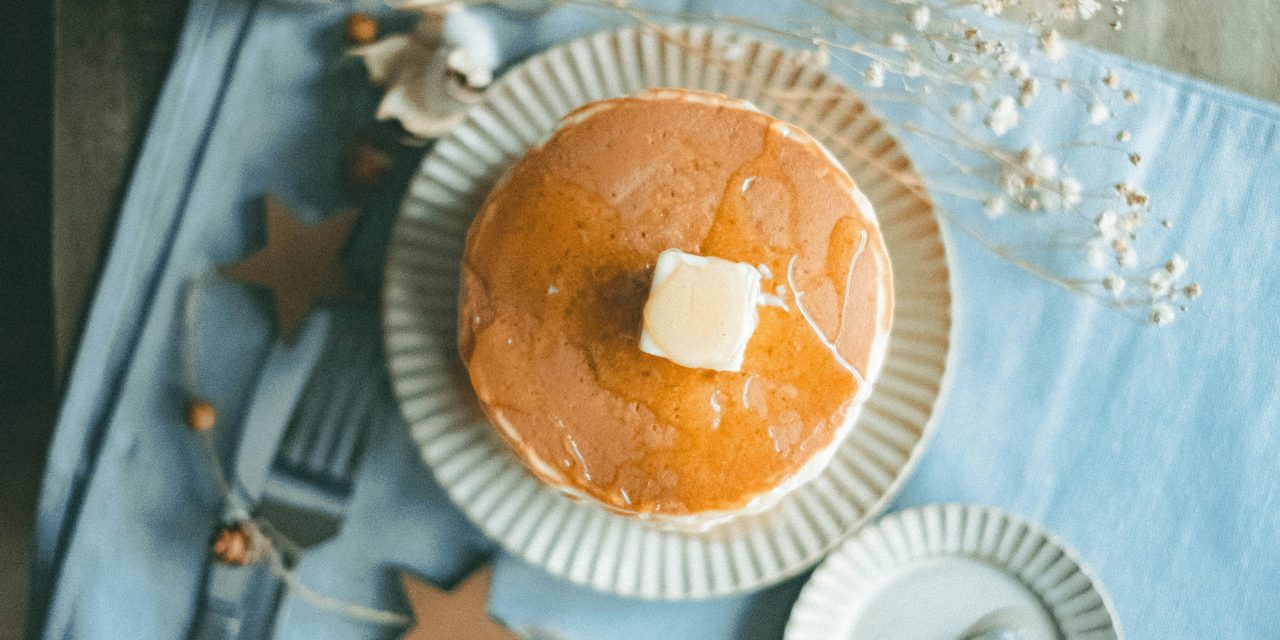
Once your egg-free fluffy pancakes are cooked to perfection, consider various serving suggestions that enhance their flavor profile and presentation. Fresh fruits such as berries or sliced bananas add natural sweetness and vibrant color to your dish. Drizzling maple syrup or honey provides additional sweetness while complementing the pancake’s texture.
For those seeking indulgence, whipped coconut cream or dairy-free yogurt can serve as delightful toppings alongside nuts or granola for added crunch. Experimenting with flavored syrups or compotes can elevate your pancake experience further by introducing unique flavors that pair beautifully with your fluffy creations.
In summary, creating delicious egg-free fluffy pancakes involves understanding the role of eggs in traditional recipes and selecting appropriate substitutes that replicate their functions effectively. By utilizing various techniques such as incorporating leavening agents like baking powder and baking soda, using dairy alternatives like buttermilk or yogurt, and employing proper mixing methods, anyone can achieve light and airy pancakes without compromising on taste or texture. With careful attention to cooking temperature and timing along with creative serving suggestions, egg-free pancakes can become a delightful addition to any breakfast table.
FAQs
Can I use substitutes for eggs in pancake recipes?
Yes, there are several substitutes you can use for eggs in pancake recipes. Common options include mashed bananas, applesauce, yogurt, silken tofu, or commercial egg replacers. Each substitute may slightly alter the flavor and texture of the pancakes, so choose one that suits your taste.
What ingredients do I need to make eggless pancakes?
To make eggless pancakes, you will need flour, baking powder, sugar, milk (or a non-dairy alternative), oil or melted butter, and a substitute for eggs. You can also add vanilla extract or spices for extra flavor.
How do I ensure my pancakes rise without eggs?
To ensure your pancakes rise without eggs, make sure to use a sufficient amount of baking powder. The baking powder acts as a leavening agent, helping the pancakes to become fluffy. Additionally, mixing the batter just until combined can help maintain the airiness.
Can I make pancakes without dairy as well?
Yes, you can make pancakes without dairy by using non-dairy milk alternatives such as almond milk, soy milk, or oat milk. You can also substitute butter with vegetable oil or coconut oil to keep the recipe dairy-free.
How do I store leftover eggless pancakes?
Leftover eggless pancakes can be stored in an airtight container in the refrigerator for up to 3 days. For longer storage, you can freeze them by placing parchment paper between each pancake and storing them in a freezer-safe bag for up to 2 months. Reheat in a toaster or microwave before serving.